You know, it's been a crazy year on site. Everyone's talking about prefabrication now, right? Modular stuff, quick assembly…it’s all the rage. To be honest, it's a good direction, but people often forget the devil's in the details. It's not just about slapping things together; it’s about making sure they stay together, especially when the wind starts howling. I've seen too many “quick solutions” that ended up being more trouble than they were worth. You think you’re saving time, but then you’re spending twice as long fixing things later…
Have you noticed how everyone's obsessed with lightweight materials these days? Carbon fiber this, composite that. It’s all good for reducing weight, sure, but durability? That’s another story. I encountered this at a factory in Ningbo last time, they were showing off their new carbon fiber scaffolding. Looked amazing, felt… flimsy. Smelled like burnt plastic, too. I asked them about long-term UV resistance, and they just kinda looked at each other. Anyway, I think you need a balance. Strength matters, especially when lives depend on it.
And the testing… oh, the testing. Labs are great, don’t get me wrong, but they don't replicate a real construction site. We do a lot of drop tests, obviously, but we also have guys simulating extreme weather conditions – pouring water, blasting it with sand, leaving it out in the sun for months. Strangel I saw a brand new product fail simply because nobody considered that the base would sit in standing water!
Industry Trends & Material Selection
The push for sustainability is huge, obviously. Everyone wants 'green' solutions. But let's be real, sometimes the most eco-friendly thing is simply something that lasts. We're seeing a lot more galvanized steel wire mesh being used, particularly for retaining walls and erosion control. It’s tough, relatively inexpensive, and can be recycled, which is a big plus. I prefer the heavier gauge stuff, feels more substantial, you know? You can really get a grip on it. It’s a bit rough on the hands, though, always carry gloves. I've been seeing a lot of coated wire mesh too, PVC or polyethylene. It adds a layer of corrosion resistance, but it can get brittle in extreme cold. It's a trade-off.
And don't even get me started on the plastic meshes. They're lightweight, sure, but they don’t have the same structural integrity. They’re fine for landscaping, maybe, but not for anything load-bearing. Later... Forget it, I won’t mention it.
Design Pitfalls & Common Mistakes
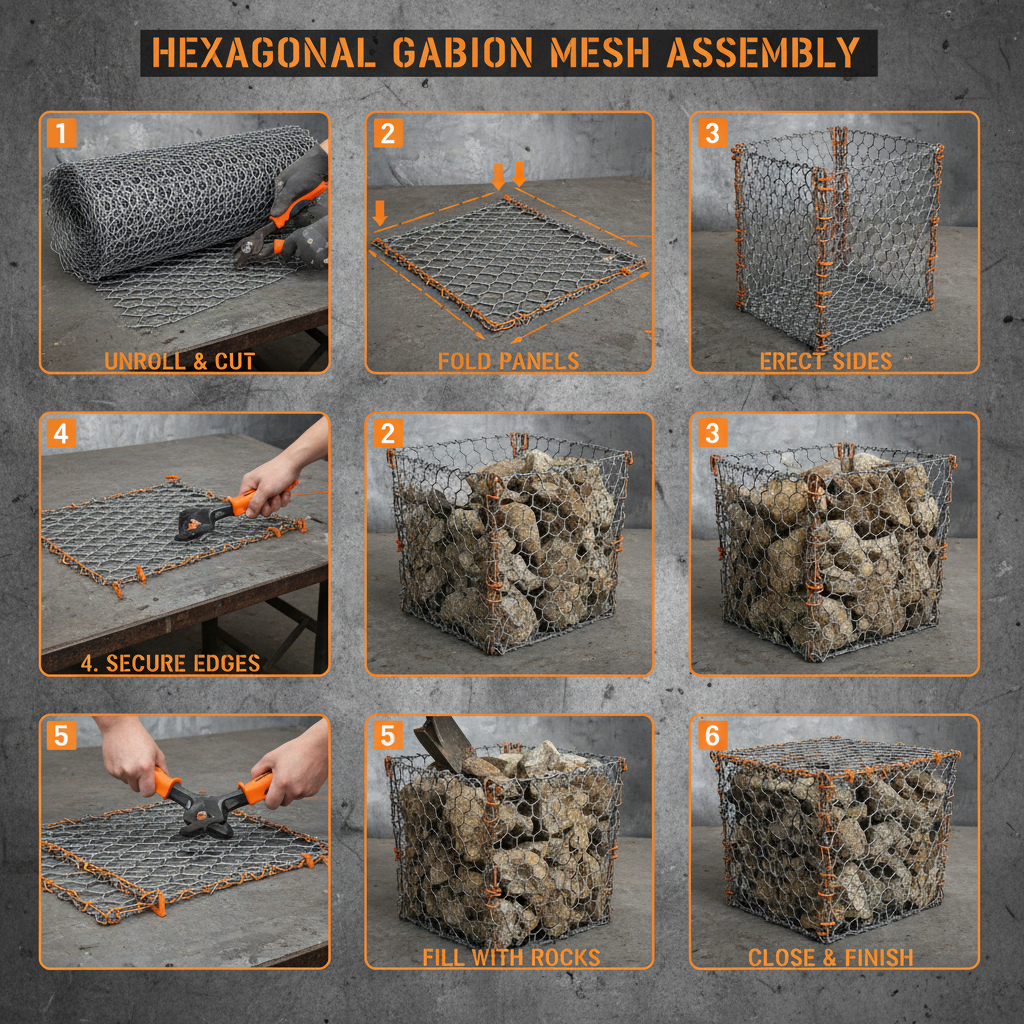
One of the biggest mistakes I see is underestimating the importance of proper tensioning. With wire mesh, especially for gabions or retaining walls, getting the tension right is critical. Too loose, and the structure will bulge and fail. Too tight, and you risk tearing the mesh. It's a delicate balance. I saw a whole section of a retaining wall collapse last year because the contractor skimped on the tensioning wires. Another thing is neglecting drainage. Water buildup is the enemy. You need to make sure there’s adequate drainage behind the mesh to prevent hydrostatic pressure from building up. People always overlook that!
Also, people get too fancy with the designs. Complex shapes are cool, but they add cost and complexity. Sometimes, simple is better. A basic rectangular gabion wall is far more reliable than some elaborate curved design. You can always add aesthetic features later with cladding or landscaping.
And this is a big one: forgetting to account for settlement. The ground moves. Things shift. If you don't factor in potential settlement, you're asking for trouble.
Material Properties & Handling
The steel itself is important. High-tensile steel is obviously preferred, but you need to consider the galvanization process. A good galvanization coating is essential for corrosion resistance. You can tell a good coating by the amount of zinc build-up. It should be uniform and relatively thick. It has a slightly rough texture, almost powdery. And it smells… metallic, a bit like old pennies.
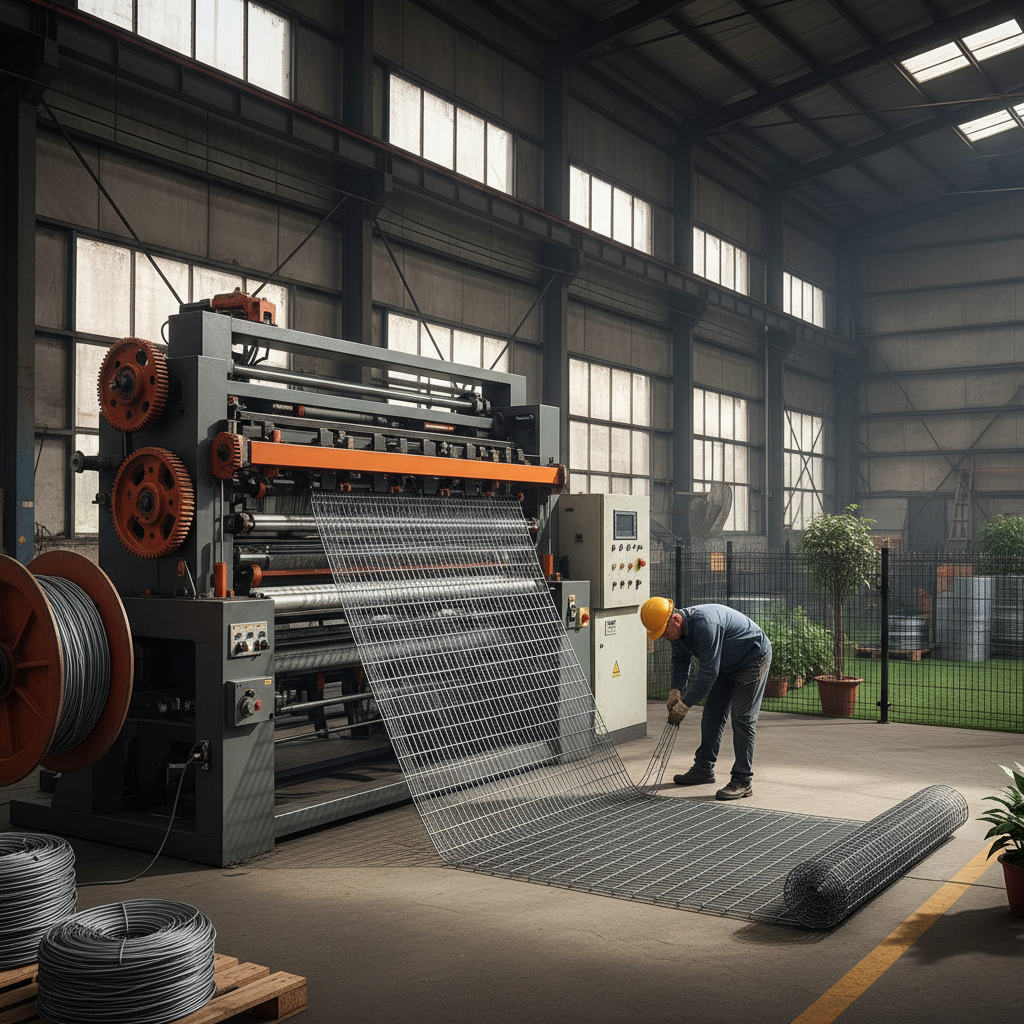
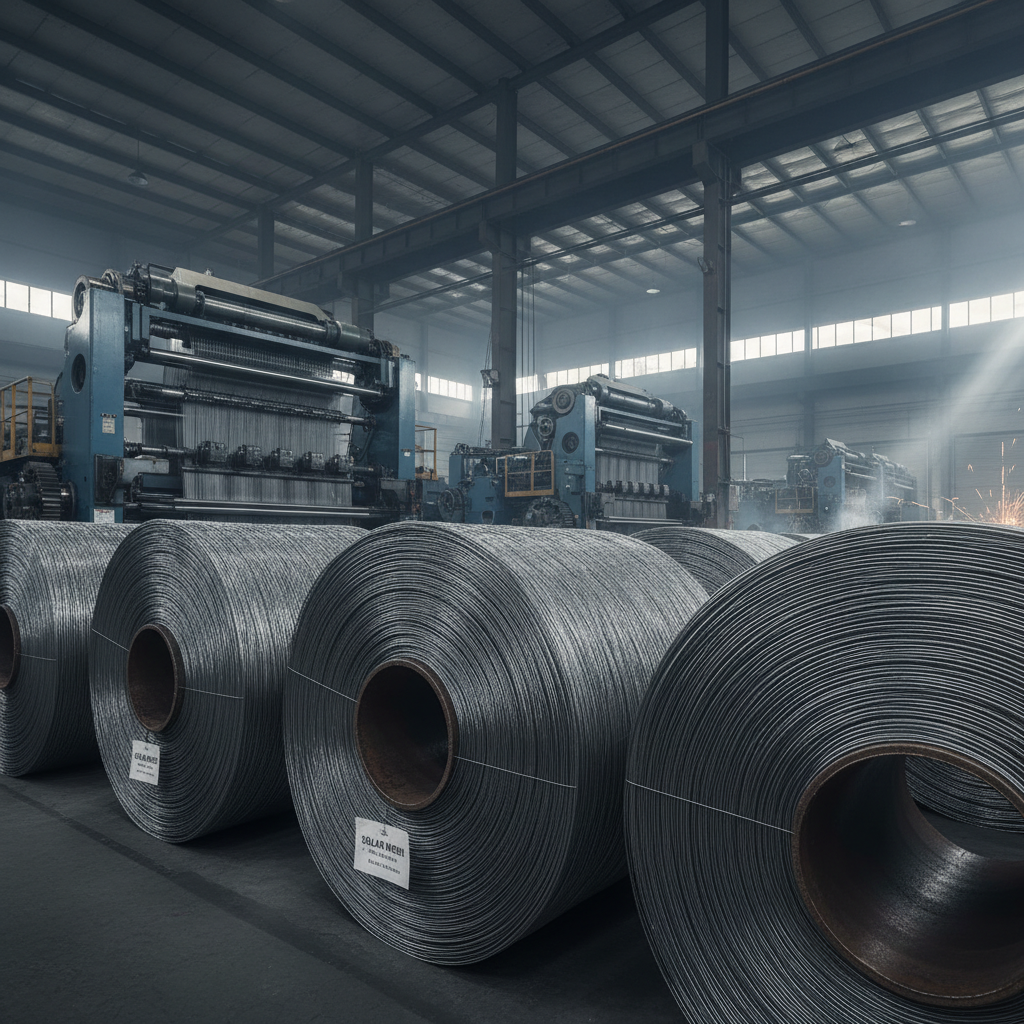
Handling the mesh itself can be tricky. The edges are sharp, so you need to wear gloves and eye protection. And it's heavy! Don't try to lift a full roll by yourself. You’ll throw your back out. We usually use a forklift or a crane to move larger rolls around. Proper storage is also important. Keep it dry and protected from the elements. Rust can start to form quickly if it gets wet.
Also, always check the wire diameter. It should be consistent throughout the roll. I've seen some cheap stuff where the wire gauge varies wildly, which compromises the strength of the mesh.
Real-World Testing & Performance
Like I said, lab tests are good for basic quality control, but they don't tell the whole story. We do pull tests on site to verify the tensile strength of the wire. We also do shear tests to assess the mesh's resistance to deformation. But the most important test is simply observing how it performs over time. We go back to previous projects and check for signs of corrosion, sagging, or failure. That’s the real proof.
We’ve even started using drones to inspect large-scale installations. It allows us to quickly identify areas that need attention. It’s especially useful for checking the tension on long retaining walls.
Iron Wire Mesh Supplier Performance Metrics
User Application & Unexpected Uses
You'd be surprised how people use this stuff. It's not just for gabions and retaining walls. We've had customers using it for everything from animal enclosures to security fencing to art installations. One guy even used it to create a vertical garden on the side of his building! It’s pretty versatile, really.
I saw some builders using it as a temporary support for concrete forms, which is a bit unconventional, but it worked in a pinch. Just gotta be careful about the load capacity.
Advantages, Disadvantages & Customization
The biggest advantage is cost-effectiveness. It's a relatively cheap material compared to concrete or steel. It’s also easy to work with. You can cut it, bend it, and shape it to fit your needs. But the downsides are corrosion and potential for deformation. You need to protect it from the elements and ensure it's properly tensioned.
Customization is definitely possible. We can supply mesh with different aperture sizes, wire diameters, and coatings. Last month, that small boss in Shenzhen who makes smart home devices insisted on changing the interface to on everything, and the result was a headache trying to source custom wire mesh to fit his weird new enclosure dimensions. It cost him a fortune and delayed his project by weeks. Lesson learned: don't fix what isn't broken.
Customer Story & Practical Considerations
Another thing is getting the right mesh size for the application. Too large, and the fill material will migrate. Too small, and it’ll be too expensive. It's all about finding the sweet spot. We had one customer who was using it for a riverbank stabilization project. They initially specified a mesh with a really small aperture, thinking it would provide better protection against erosion. But it ended up clogging with silt and reducing the water flow.
You gotta consider the local environment too. Saline environments require more robust corrosion protection. Areas prone to earthquakes require a more flexible mesh that can withstand ground movement.
Ultimately, whether this thing works or not, the worker will know the moment he tightens the screw.
Summary of Key Factors for Wire Mesh Performance
| Material Quality |
Installation Technique |
Environmental Factors |
Long-Term Maintenance |
| Steel Grade & Galvanization Coating Thickness |
Proper Tensioning & Drainage Implementation |
Saltwater Exposure & Seismic Activity |
Regular Inspections for Corrosion & Damage |
| Wire Diameter Consistency |
Accurate Mesh Sizing & Placement |
UV Radiation & Temperature Fluctuations |
Protective Coating Reapplication |
| Aperture Size & Mesh Flexibility |
Secure Fastening Methods & Joint Stability |
Soil Composition & Water Table Level |
Vegetation Control Around Mesh Structure |
| Material Strength & Tensile Capacity |
Professional Installation & Quality Control |
Wind Load & Erosion Potential |
Repairing Minor Damages Promptly |
| Corrosion Resistance & Durability |
Following Manufacturer’s Guidelines |
Local Regulations & Building Codes |
Monitoring Ground Movement & Settlement |
| Cost-Effectiveness & Availability |
Adequate Worker Training & Safety Procedures |
Accessibility for Inspection & Maintenance |
Record Keeping of Maintenance Activities |
FAQS
For retaining walls, you want a heavy-gauge, galvanized steel wire mesh with a relatively small aperture. Something with a good tensile strength and corrosion resistance. Welded wire mesh is generally better than woven mesh for this application, as it provides more structural integrity. Also, make sure the mesh is properly tensioned and supported by adequate drainage. Skipping any of those steps will lead to trouble, trust me.
That depends on the environment, honestly. In a mild climate, a good galvanization coating can last for 20 years or more. But in a coastal environment, or where there’s a lot of road salt, it can start to corrode much faster. Regular inspections and maintenance, like applying a protective coating, can significantly extend its lifespan. I’ve seen stuff last five years, I’ve seen stuff last thirty. It’s all over the map.
It can be, but it’s not always better. PVC coating offers excellent corrosion resistance, but it can become brittle in cold weather and is more susceptible to UV degradation. It's generally better suited for less demanding applications, like fencing or landscaping. Galvanized steel is still the workhorse for most structural applications. Plus, PVC coating adds to the cost.
Use bolt cutters! Seriously, don't try using wire cutters or tin snips. You'll just end up bending and distorting the mesh. Bolt cutters give you a clean, precise cut. And always wear gloves and eye protection. Seriously, those wire ends are sharp. And if you need to make a lot of cuts, invest in a power shear. It'll save you a lot of time and effort.
Proper tensioning is crucial! Use tension wires or cables and tighten them evenly across the basket. You want the mesh to be taut, but not stretched to the point of deformation. Use turnbuckles to adjust the tension. Don't overtighten! It's better to err on the side of slightly loose than too tight. And always follow the manufacturer's instructions.
Absolutely! Steel wire mesh is highly recyclable. Just make sure to remove any non-metallic components, like PVC coatings, before sending it to a scrap metal recycling facility. Recycling wire mesh helps conserve resources and reduce landfill waste. It's a win-win. Plus, you can often get some money back for your scrap metal.
Conclusion
So, yeah, iron wire mesh – it’s not glamorous, but it’s essential. We’ve talked about trends, materials, testing, and user applications. The key takeaway is that quality matters. Don’t skimp on materials, pay attention to detail, and always consider the long-term implications. A well-designed and properly installed wire mesh structure can last for decades, providing reliable protection and support.
Looking ahead, I think we’ll see more innovation in terms of coatings and alloys, aimed at improving corrosion resistance and durability. We might also see more use of automation in the manufacturing process, which could help lower costs. But ultimately, whether this thing works or not, the worker will know the moment he tightens the screw.