In the realm of civil engineering and erosion control, the hexagonal gabion mesh stands as a cornerstone for sustainable infrastructure. This specialized wire netting, characterized by its interlocking hexagonal geometry, provides an unmatched balance of flexibility and strength, allowing it to conform to the natural contours of the terrain while maintaining structural integrity.
Globally, the demand for robust soil stabilization and flood defense mechanisms has surged as extreme weather events become more frequent. Understanding the mechanics of these wire systems is no longer just for engineers; it is essential for urban planners and environmentalists seeking to harmonize man-made structures with the natural landscape.
By utilizing a combination of high-tensile galvanized steel and natural stone infill, the hexagonal gabion mesh offers a permeable solution that manages water flow effectively, reducing the risk of catastrophic landslides and riverbank collapses across diverse geographical regions.
Global Relevance of Hexagonal Gabion Mesh
The global adoption of hexagonal gabion mesh is driven by the urgent need for resilient infrastructure in the face of climate change. According to ISO standards for steel wire products, the structural stability of these meshes is critical for projects ranging from alpine road stabilization in Europe to coastal protection in Southeast Asia. The inherent ability of the hexagonal weave to distribute stress evenly across the network makes it a preferred choice for high-pressure environments.
Furthermore, international development organizations often prioritize these systems in remote regions because they utilize locally sourced stone, reducing the carbon footprint associated with transporting heavy concrete. This shift toward "nature-based solutions" highlights how a simple wire geometry can address complex geological challenges on a planetary scale.
Defining Hexagonal Gabion Mesh Systems
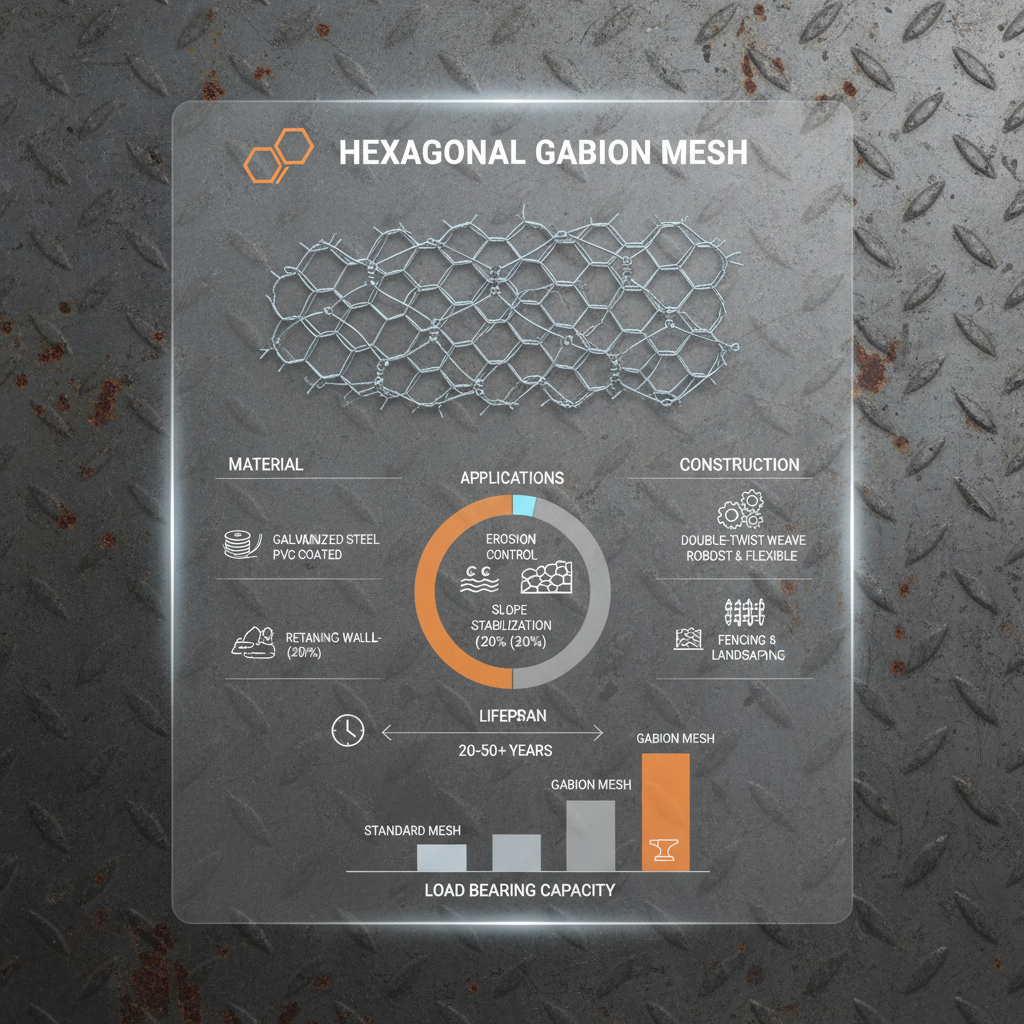
At its most basic level, hexagonal gabion mesh is a double-twisted wire network that forms a series of hexagonal cells. Unlike welded mesh, the double-twist ensures that if a single wire is severed, the surrounding mesh remains intact, preventing the "unzipping" effect that can lead to total structural failure in retaining walls.
This specific geometry is not accidental; the hexagon is one of the most efficient shapes in nature, providing maximum coverage with minimum material. In modern industry, this means a higher strength-to-weight ratio, which simplifies logistics and installation while maximizing the volume of stone that can be securely contained.
Beyond technical specifications, these systems represent a humanitarian tool. In post-disaster relief operations, rapid-deployment gabion baskets are used to create temporary flood barriers or stabilize displaced roads, proving that the simplicity of the hexagonal gabion mesh is its greatest asset in critical situations.
Core Components of Mesh Performance
The durability of hexagonal gabion mesh is primarily determined by the coating of the steel wire. Zinc galvanization is the industry standard, providing a sacrificial layer that prevents oxidation in humid or saline environments, ensuring the structure lasts for decades without significant degradation.
Scalability is another core factor. Because hexagonal gabion mesh can be manufactured in various mesh sizes (from 60mm to 100mm) and wire gauges, it can be tailored to hold everything from small decorative pebbles to massive riprap boulders, making it adaptable to both urban landscaping and heavy industrial engineering.
Cost-efficiency is realized through the reduction of skilled labor. Unlike poured concrete walls, which require precise formwork and curing time, these mesh systems are flexible and can be filled by general laborers, drastically lowering the total project expenditure while maintaining a high safety factor.
Practical Applications and Use Cases
The versatility of hexagonal gabion mesh allows it to be deployed in a vast array of real-world scenarios. In mountainous regions of South America and Asia, it is used for "reno mattresses"—flat gabion layers that protect riverbeds from scour and erosion. In urban environments, it is increasingly used as an architectural element for retaining walls that integrate green spaces, as plants can grow through the mesh.
Another critical use case is found in remote industrial zones, such as mining sites, where the mesh is used to create stable access roads and drainage channels. The permeability of the hexagonal gabion mesh ensures that water does not build up hydrostatic pressure behind the wall, a common cause of failure in traditional concrete barriers.
Performance Comparison of Gabion Installation Methods
Long-Term Value and Sustainability
The long-term value of hexagonal gabion mesh extends beyond mere cost savings. From a sustainability perspective, these systems are eco-friendly because they facilitate the natural movement of water and provide habitats for local flora and fauna. Unlike concrete, which releases significant CO2 during production, wire mesh has a lower carbon footprint and is fully recyclable at the end of its service life.
Psychologically, there is an element of trust and safety associated with gabions. Their visible mass provides a sense of security in landslide-prone areas, while their aesthetic integration into the landscape promotes a feeling of harmony between infrastructure and nature. This combination of logical reliability and emotional appeal makes them a top choice for modern "green" architecture.
Future Innovations in Wire Technology
The evolution of hexagonal gabion mesh is moving toward smarter materials. We are seeing the introduction of Zn-Al (Galfan) coatings, which offer up to three times the corrosion resistance of standard galvanizing, significantly extending the lifespan of structures in saltwater environments.
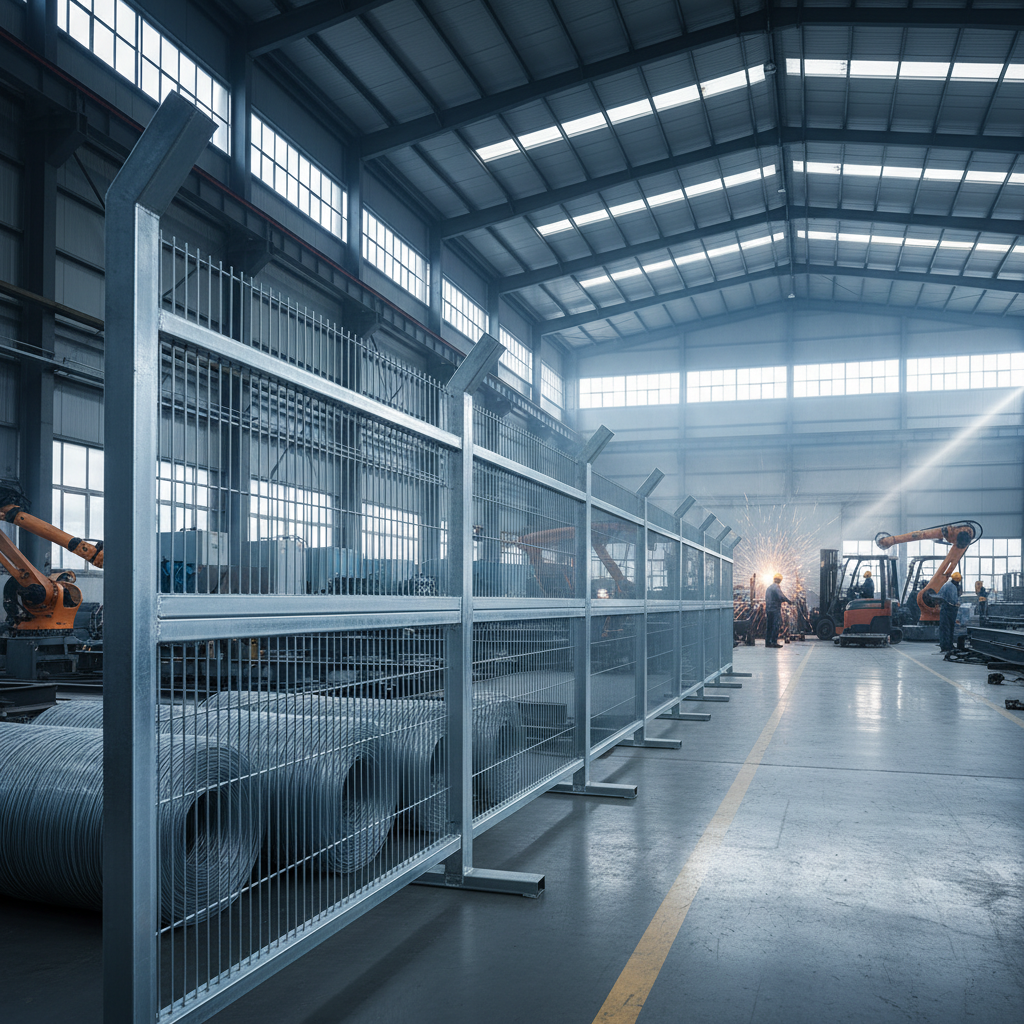
Automation in manufacturing is also playing a role. New robotic weaving technologies allow for tighter tolerances and more consistent tension in the hexagonal cells, reducing the risk of deformation under extreme loads. This precision ensures that every basket produced meets stringent international safety standards.
Furthermore, the integration of "smart sensors" within the rock fill, monitored via the mesh structure, is becoming a reality. These sensors can detect shifts in soil pressure or moisture levels in real-time, transforming a passive hexagonal gabion mesh wall into an active monitoring system for early landslide warning.
Overcoming Common Implementation Challenges
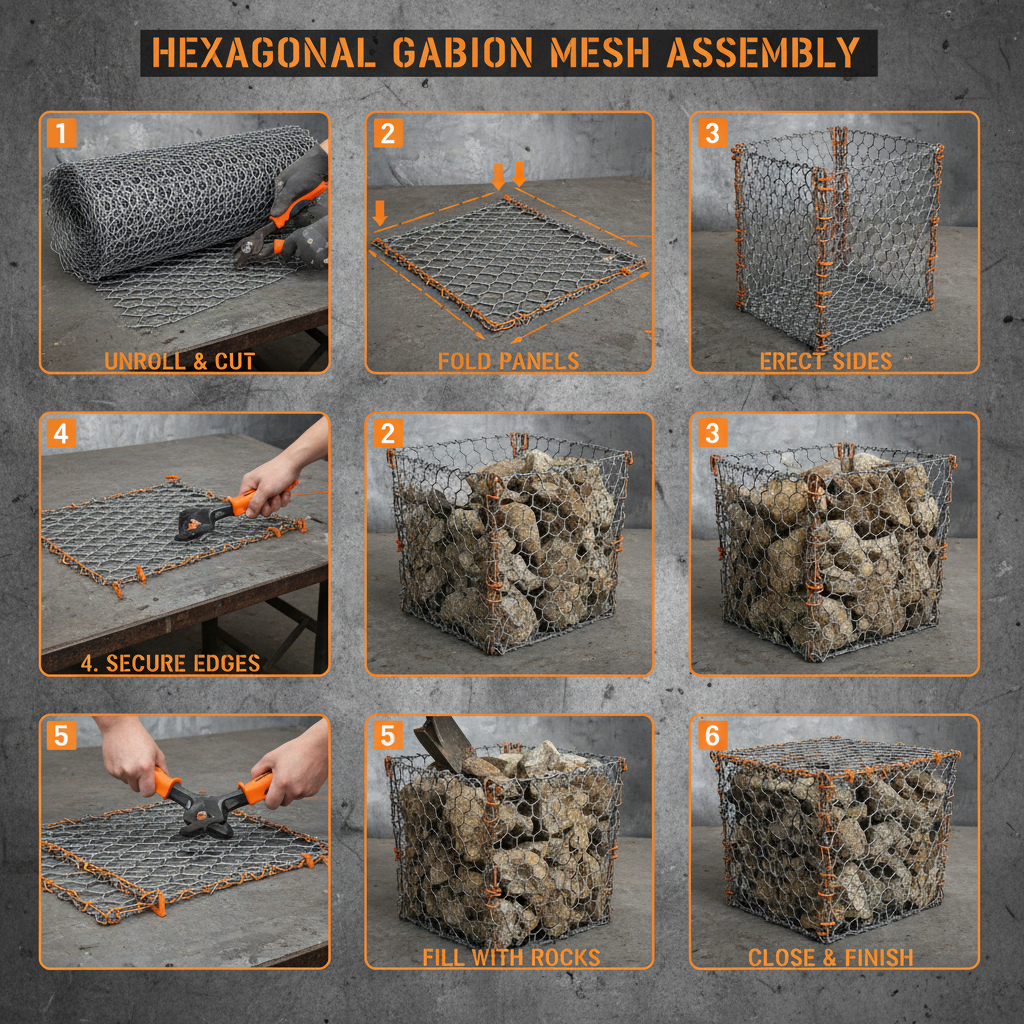
Despite its advantages, the implementation of hexagonal gabion mesh is not without challenges. One common issue is "stone migration," where smaller stones shift over time, creating voids in the structure. Expert installers overcome this by utilizing internal diaphragms—dividers that break the basket into smaller compartments, ensuring the fill remains evenly distributed.
Another challenge is the potential for wire abrasion during the filling process. If stones are dropped from too great a height, they can damage the protective coating of the mesh. The solution is the use of geotextile liners, which protect the wire from abrasion and prevent fine soil particles from leaching through the mesh, which could otherwise destabilize the base.
Finally, the labor-intensive nature of hand-filling can be a bottleneck. Innovation in "pre-filled" gabion systems or the use of mechanical filling equipment is helping to accelerate deployment times, making the hexagonal gabion mesh a viable option even for large-scale, time-sensitive government infrastructure projects.
Technical Analysis of Hexagonal Gabion Mesh Performance Metrics
| Coating Type |
Corrosion Resistance |
Installation Speed |
Lifespan Rating (1-10) |
| Hot-Dip Galvanized |
Moderate |
Fast |
7 |
| Galfan (Zn-Al) |
High |
Fast |
9 |
| PVC Coated |
Very High |
Moderate |
8 |
| Stainless Steel |
Extreme |
Slow |
10 |
| Electro-Galvanized |
Low |
Fast |
5 |
| Polymer Hybrid |
High |
Moderate |
8 |
FAQS
The primary advantage is flexibility. Hexagonal gabion mesh is double-twisted, allowing it to deform and settle with the ground without breaking. Welded mesh is rigid; if the ground shifts, the welds can snap, leading to a sudden failure of the entire wall. The hexagonal structure effectively distributes stress and absorbs energy, making it superior for dynamic environments like riverbanks.
Depending on the coating, the lifespan varies. Standard hot-dip galvanized mesh typically lasts 15-25 years. However, Galfan (Zinc-Aluminum) or PVC-coated mesh can extend this to 50 years or more, especially in corrosive saltwater environments. Regular inspections for wire abrasion and fill settlement can help maintain the structure's integrity indefinitely.
While many stones work, the best choice is hard, durable, non-weathering rock (such as granite or basalt) that is larger than the mesh opening. If the stone is too small, it will leak through; if it's too soft, it will crumble over time. Ideally, the stone should be angular to ensure a tight interlocking fit, which increases the stability of the overall mass.
Yes, significantly. Concrete production is a major source of CO2 emissions. Gabions use minimal steel and maximize the use of natural, local stone. Additionally, their permeability allows water to drain naturally, preventing the "dam effect" and supporting local biodiversity by allowing plants to grow through the structure, creating a living wall.
For coastal or high-salinity areas, we strongly recommend PVC-coated or Galfan-coated hexagonal gabion mesh. The PVC layer acts as an impermeable barrier against salt spray, while the Zn-Al alloy provides superior electrochemical protection. This prevents the oxidation process that typically destroys standard galvanized wire in maritime climates.
Bulging is usually caused by under-filling or lack of internal support. To prevent this, always use internal diaphragms every 1 meter to lock the stones in place. Additionally, manually tamping the stones during filling and using tensioning wires (cross-ties) to pull the faces of the baskets together will ensure a tight, vertical finish that resists outward pressure.
Conclusion
The hexagonal gabion mesh is far more than a simple wire cage; it is a sophisticated engineering solution that balances structural rigidity with environmental sensitivity. By leveraging the geometric efficiency of the hexagon and the strength of galvanized steel, these systems provide a cost-effective, durable, and sustainable alternative to traditional concrete infrastructure for erosion control and soil stabilization.
As we move toward a future defined by green building and climate resilience, the importance of adaptable materials will only grow. Investing in high-quality, properly coated mesh systems today ensures the safety of our landscapes and the longevity of our infrastructure for generations to come. To explore our professional-grade wire solutions, visit our website: www.hardwareinstore.com