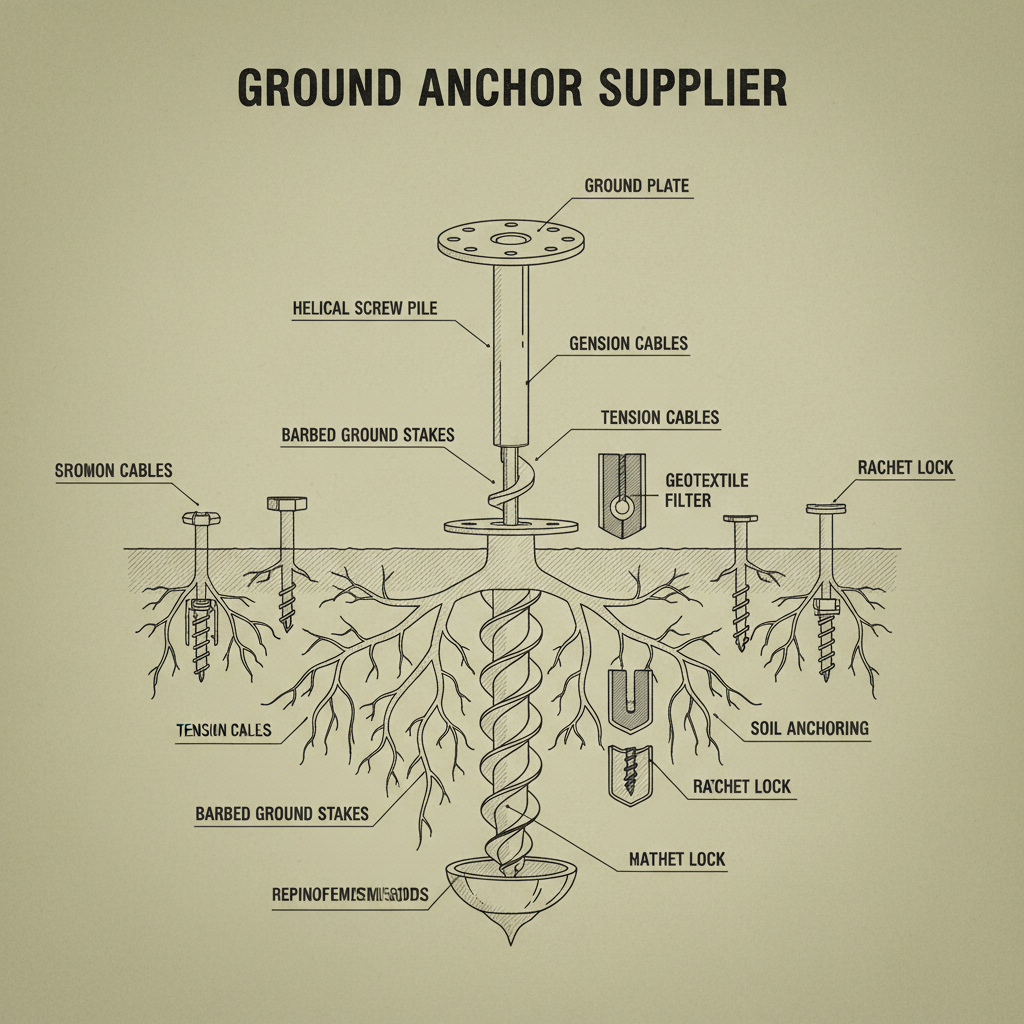
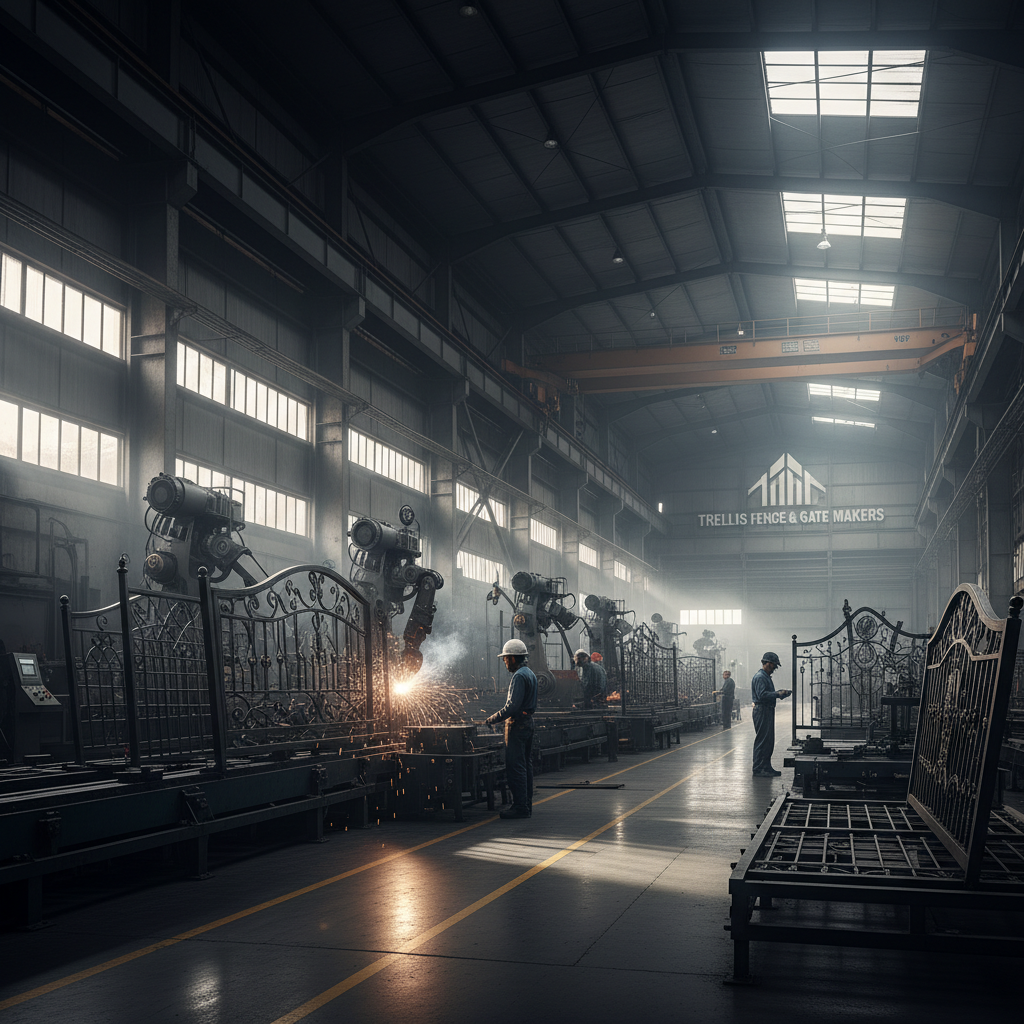
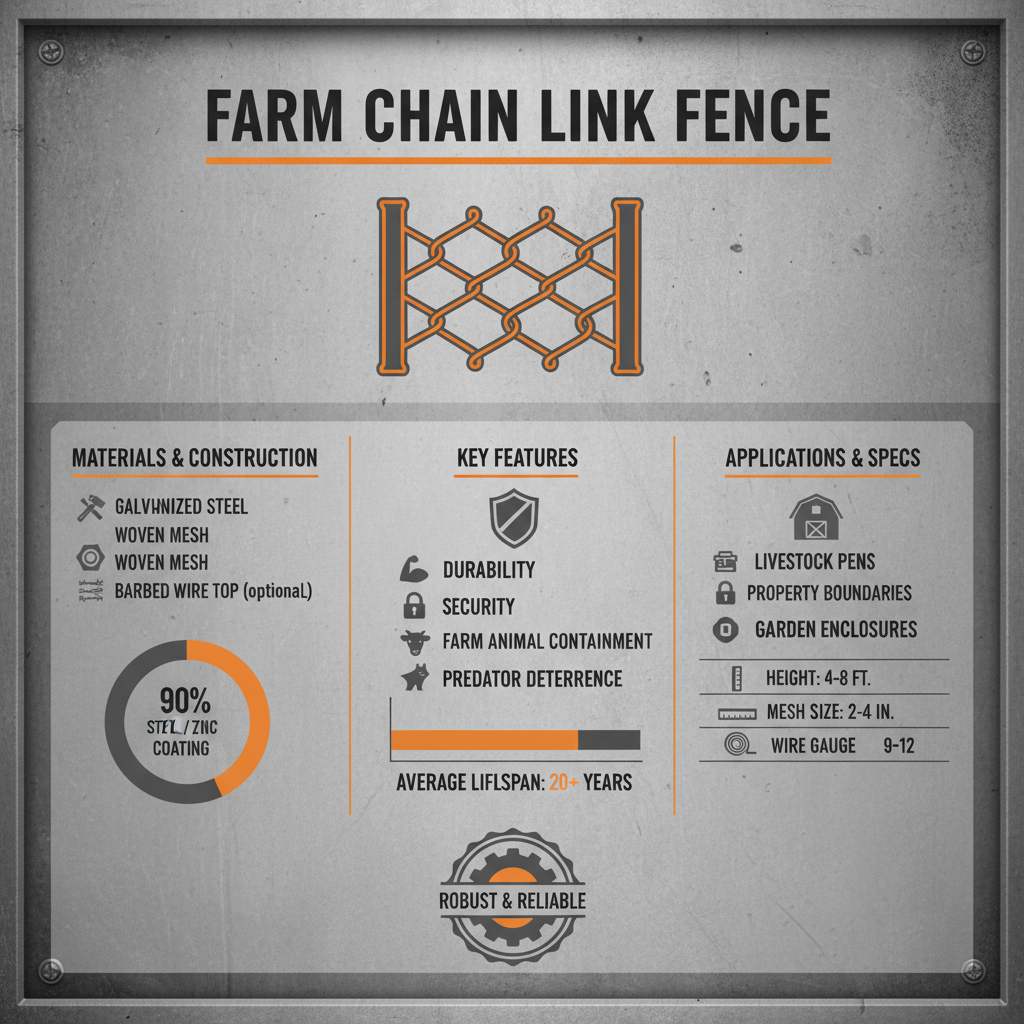
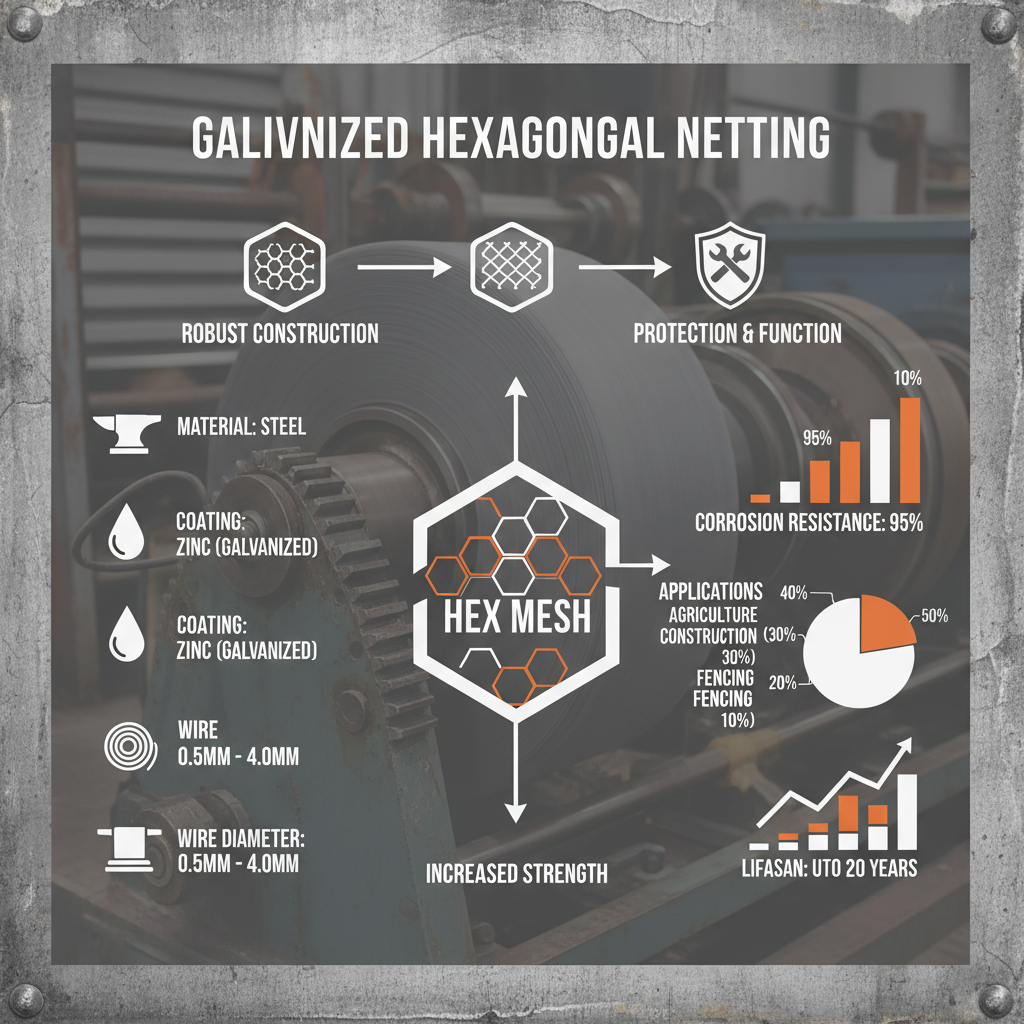
Look, after running around construction sites all year, you start to see patterns. Right now, everyone’s obsessed with prefabrication, modular builds… honestly, it’s a bit of a craze. Everyone’s talking about speed, reducing waste, you know the drill. But it's not as simple as just slapping things together. There’s a lot of ‘off-site’ that ends up causing headaches ‘on-site’, if you catch my drift. And the demand for reliable ground anchor supplier is exploding because of it – everything needs to be secured, fast, and it needs to stay secured.
The whole industry is shifting, really. Years ago, it was all about brute force, over-engineering everything. Now it's about precision, minimizing material, maximizing efficiency. It’s a good change, mind you, but it throws up new challenges. Like, you try to save a few cents on a component, and suddenly your whole schedule gets blown apart when it fails a basic stress test. We've been getting swamped with requests for increasingly specific ground anchor supplier solutions, tailored to these new building methods.
And it’s not just the big projects either. Even smaller contractors are getting into pre-fab. They see the benefits, but often lack the expertise to do it properly. That's where a good ground anchor supplier comes in. They need someone who understands the whole process, not just someone who can sell them a bolt.
Current Industry Trends & Common Design Pitfalls
To be honest, the biggest trend is the push for lighter materials. Everyone wants to reduce weight, which sounds good, but it often means sacrificing strength. You see a lot of designs relying on fancy calculations and minimal steel… which is fine, if everything is perfectly executed. But on a real construction site? Things aren’t perfect. People rush, corners get cut. You need a safety margin. And that means a robust ground anchor supplier system.
A common pitfall is underestimating the dynamic loads. It’s easy to calculate the static weight of a structure, but wind, vibrations, even just people moving around… they all add up. I encountered this at a factory last time, where they were using these really slick, lightweight anchors for a prefabricated building. Turned out they couldn’t handle the wind load, and the whole thing was wobbling like a jelly. Strangely, the engineer swore his calculations were correct. Anyway, I think you need someone who's actually been in the wind, not just looked at a computer model.
Materials We're Working With
We’re seeing a lot of high-strength steel alloys, naturally. The smell of those when they’re being cut… a bit metallic, a bit oily. You can feel the density, the quality. Then there’s galvanized steel, which is pretty standard for corrosion resistance. It feels rougher, more textured. The coating can chip if you’re not careful during handling. And increasingly, we’re using stainless steel, especially for coastal projects. That stuff is slippery when you’re welding it, though. Takes some getting used to.
And it’s not just the steel. The concrete mix is crucial. The aggregate size, the cement type, the admixtures… it all impacts the anchor’s holding power. Have you noticed how some concrete just feels ‘right’ when you tap it? It’s a subtle thing, but experienced guys know. We also use a lot of epoxy resins for anchoring into cracked concrete, which smells… well, like epoxy. Very strong, very chemical.
We're also starting to experiment with composite materials, like carbon fiber reinforced polymers, but those are still pretty niche. They're light, super strong, but the cost is astronomical and most sites just aren't equipped to handle them properly. Too many unknowns, frankly.
Real-World Testing & Validation
Forget the lab tests. They’re useful for baseline data, sure, but they don’t tell the whole story. I want to see these anchors being hammered into the ground, stressed in real conditions. We do pull-out tests on site, using hydraulic jacks. It’s messy, it's loud, and it gives you a gut feeling. You watch the concrete crack, see how the anchor deforms… it’s much more informative than any graph.
We also do simulated wind load tests, using big fans and sensors. It’s not perfect, but it’s better than nothing. And we’ve even had situations where we’ve had to retrofit anchors after a storm. That’s the ultimate test, right? When something fails in the real world, you learn a lot very quickly.
The biggest challenge is replicating the variability of site conditions. Soil type, concrete quality, installation technique… they all affect the performance. That’s why we rely on experienced installers and rigorous quality control.
How Users Actually Use Ground Anchors
This is where things get interesting. Engineers design these systems with a specific installation procedure in mind, right? But on site? People improvise. They use different tools, they skip steps, they just… figure it out. I’ve seen guys use a sledgehammer where they should have used a hydraulic jack, and I’ve seen them ignore the torque settings on the tightening bolts.
They also often underestimate the importance of proper cleaning. Dust, dirt, grease… they all reduce the anchor’s holding power. And the biggest mistake? Over-torquing. They think if they tighten it harder, it will be more secure. Wrong. It strips the threads and weakens the connection. It’s frustrating, but you can’t control everything.
Ground Anchor Supplier Performance Metrics
Advantages & Disadvantages: The Honest Truth
Look, a good ground anchor supplier system gives you peace of mind. Knowing your structure is secure, it’s a good feeling. They’re relatively quick to install, especially the newer designs, and they’re cost-effective compared to traditional foundations. They also minimize disturbance to the surrounding environment, which is a big plus.
But they’re not perfect. Installation errors are a major issue. They require skilled labor and careful attention to detail. And they’re vulnerable to corrosion, especially in harsh environments. You need to use the right materials and apply protective coatings. And, frankly, the market is flooded with cheap, unreliable anchors. You get what you pay for, always.
Customization Options & Practical Examples
We do a lot of customization. Different load requirements, different substrate materials, different aesthetic considerations. Last year, we had a client building a series of solar panel arrays in the desert. They needed anchors that could withstand extreme temperatures and sand abrasion. We ended up designing a custom anchor with a specialized coating and a wider base. It wasn’t cheap, but it solved their problem.
Another common request is for different head styles. Some clients want flush-mounted anchors for a clean look, others want countersunk anchors for a more discreet installation. And we can adjust the length and diameter of the anchor to suit the specific application. It all comes down to understanding the client's needs and providing a tailored solution.
Customer Story: The Debacle
Last month, that small boss in Shenzhen who makes smart home devices – a real character, always pushing the boundaries – insisted on changing the interface to , even on the mounting brackets for the outdoor security cameras. Said it was more ‘future-proof’. He wanted the anchors to have a port integrated into the head, so he could power the cameras directly through the anchor.
I tried to explain it was a terrible idea. Water ingress, corrosion, electrical safety… the list went on. He wouldn’t listen. He said his engineers had run simulations and it was perfectly safe. Anyway, the first rainstorm blew in, and the whole system short-circuited. He called me, furious. Turns out simulations don’t account for torrential downpours and bad wiring.
We ended up providing him with a standard, reliable anchor and a separate power supply. He wasn’t happy, but he learned a lesson. Sometimes, sticking with what works is the smartest thing to do.
Summarizing Key Factors Influencing Ground Anchor Supplier Performance
| Anchor Material |
Soil/Concrete Type |
Installation Quality |
Environmental Exposure |
| High-Strength Steel |
Dense Clay |
Excellent (Torque Spec Met) |
Mild Climate |
| Galvanized Steel |
Sandy Loam |
Good (Slightly Under-Torqued) |
Coastal – Moderate Salt Spray |
| Stainless Steel |
Limestone |
Average (Minor Cleaning Issues) |
Industrial – Moderate Chemical Exposure |
| Carbon Fiber Composite |
Reinforced Concrete |
Poor (Improper Resin Mixing) |
Extreme Temperature Fluctuations |
| High-Strength Steel |
Granitic Rock |
Excellent (Precise Drilling) |
Desert – High UV Exposure |
| Galvanized Steel |
Soft Clay |
Fair (Inconsistent Hole Depth) |
Urban – Moderate Pollution |
FAQS
Honestly, it’s underestimating the importance of proper hole cleaning. Dust, debris, anything in that hole reduces the bond strength. You can have the best anchor in the world, but if the hole isn’t clean, it’s not going to hold. We see it all the time. They think ‘it'll be fine,’ and it’s never fine.
It’s not just about the load. It’s about the entire system. Soil type, concrete quality, environmental conditions, even the long-term maintenance plan. You need to consider everything. And don’t cheap out! A few extra dollars on a quality anchor can save you a fortune in repairs down the road.
Massively important. Especially in coastal areas or industrial environments. Galvanizing is a good start, but stainless steel is the gold standard. You also need to consider the coating on any threaded components. A little preventative maintenance goes a long way. Seriously, I’ve seen anchors completely corrode through in a matter of months.
Yes, but you need to use anchors specifically designed for seismic applications. These anchors have higher ductility and can withstand the repeated stress cycles caused by earthquakes. It’s not something you want to improvise on. The building codes are very specific about this, for a good reason.
That's a tough one. It depends on so many factors. But a properly installed, high-quality anchor, in a relatively benign environment, should last at least 50 years. But you need to inspect them regularly and replace them if you see any signs of corrosion or damage. Don’t just set it and forget it.
Absolutely. Look for suppliers who comply with relevant industry standards like ICC-ES and ANSI. These certifications ensure the anchors have been tested and meet minimum performance requirements. Don't be afraid to ask for documentation and verify their credentials. A reputable ground anchor supplier will be happy to provide it.
Conclusion
Ultimately, ground anchor supplier aren't glamorous, but they are absolutely critical. They're the unsung heroes of modern construction, providing the foundation for everything we build. Understanding the nuances of materials, installation techniques, and environmental factors is essential for ensuring safety, reliability, and long-term performance. We've covered a lot here, from emerging trends to common pitfalls, but there’s always more to learn.
And at the end of the day, whether this thing works or not, the worker will know the moment he tightens the screw. It's a feel, a confidence, a knowing that it’s solid. That’s what we aim for. If you need a reliable ground anchor supplier, visit our website: www.hardwareinstore.com