Trellis fence & gate makers represent a vital component of modern landscaping and security solutions, providing both aesthetic appeal and functional benefits. Globally, the demand for durable and visually pleasing fencing continues to rise, driven by factors such as increasing homeownership, heightened security concerns, and a growing emphasis on outdoor living spaces. Understanding the nuances of trellis design, material selection, and installation techniques is crucial for homeowners, contractors, and anyone involved in property development. This knowledge empowers informed decision-making, leading to the creation of long-lasting, secure, and attractive outdoor environments.
The industry surrounding trellis fence & gate makers is substantial, encompassing a diverse range of manufacturers, suppliers, and installation professionals. According to recent market reports, the global fencing market is projected to reach [Insert statistic - e.g., $55 billion] by [Insert Year - e.g., 2028], demonstrating significant growth potential. This growth is fueled not only by residential demand but also by applications in commercial properties, agricultural settings, and public spaces. Challenges within the industry include fluctuating material costs, skilled labor shortages, and the need for innovative, sustainable solutions.
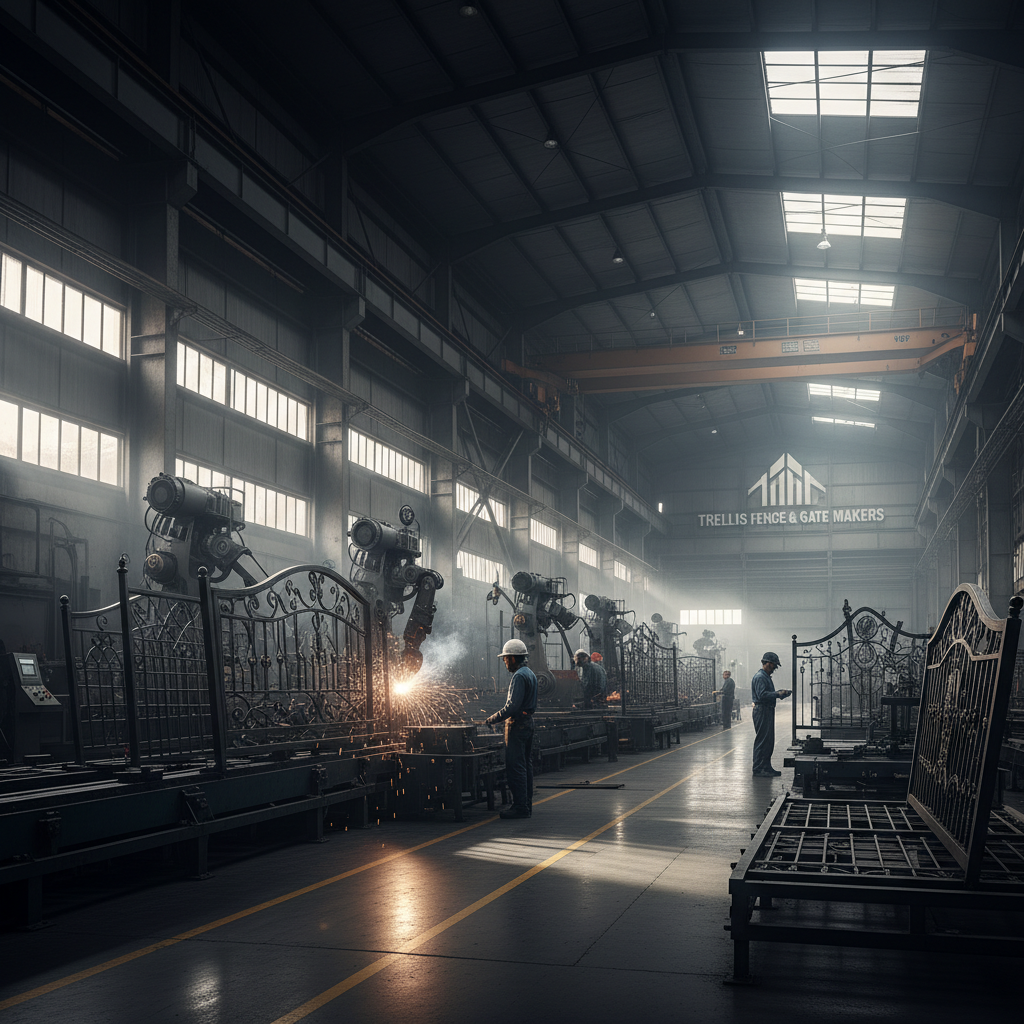
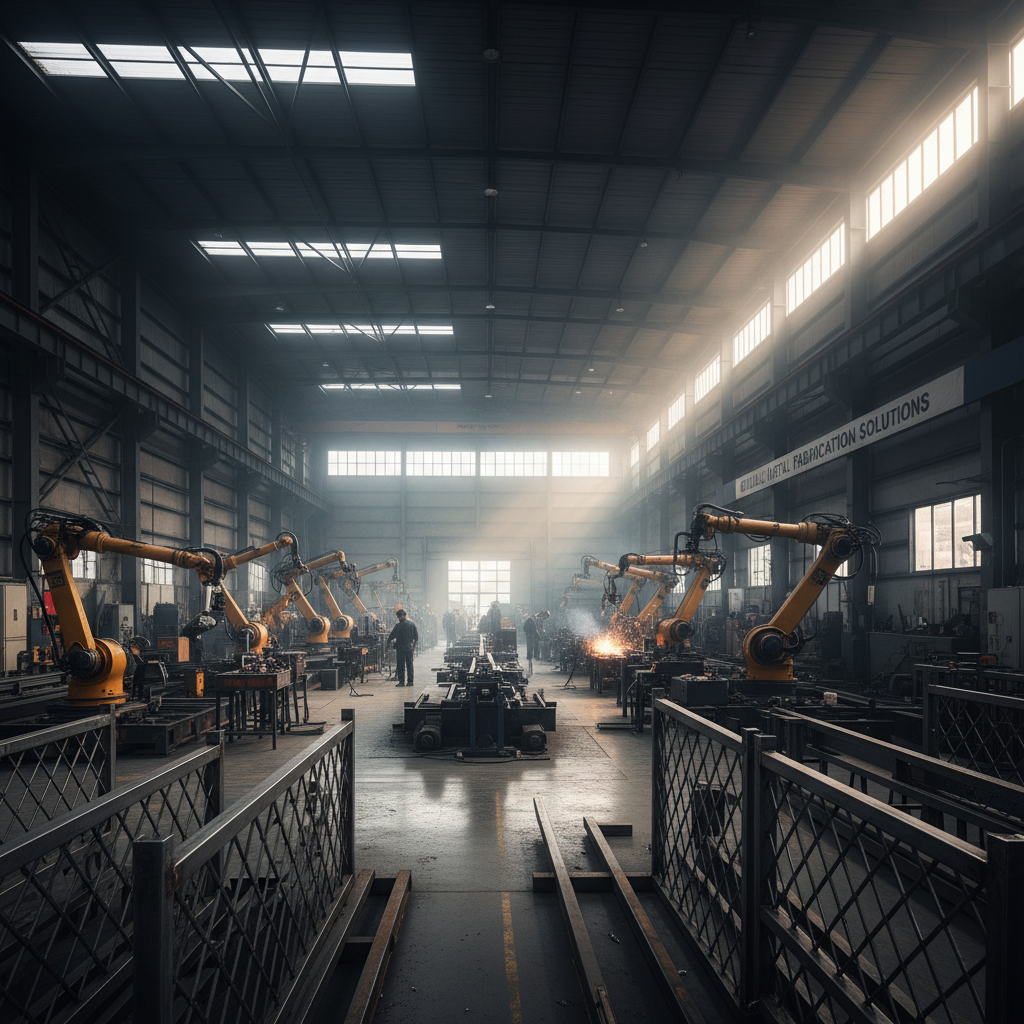
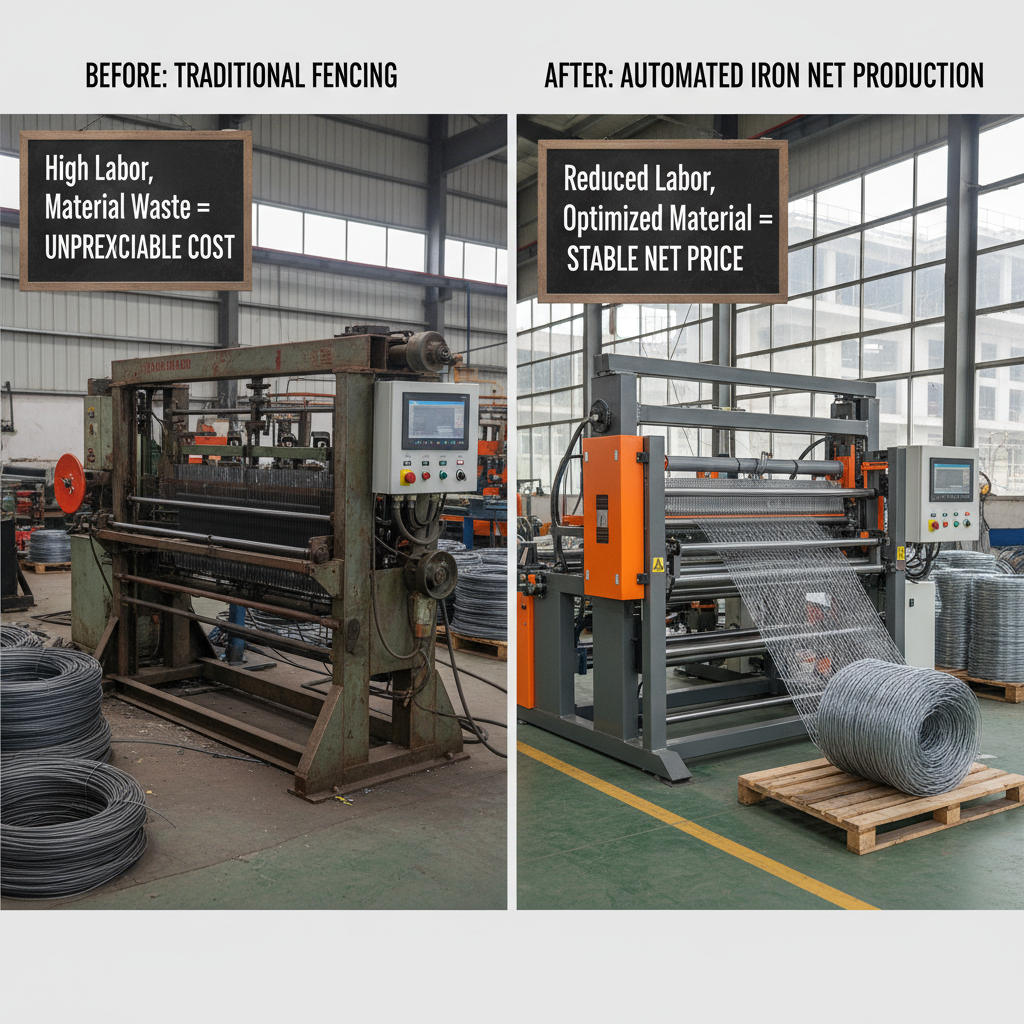
Addressing these challenges requires a focus on efficient manufacturing processes, the development of eco-friendly materials, and investment in training programs for skilled installers. The increasing adoption of technology, such as CAD/CAM software and automated production lines, is transforming the way trellis fence & gate makers operate, allowing for greater precision, customization, and cost-effectiveness. Ultimately, understanding the market dynamics and embracing innovation are essential for success in this evolving industry.
The Global Landscape of trellis fence & gate makers
The market for trellis fence & gate makers is truly global, with significant demand originating from North America, Europe, and Asia-Pacific. Emerging economies, in particular, are driving growth due to increased infrastructure development and a rising middle class. Factors like urbanization, a focus on home improvement, and a need for enhanced security contribute to this demand. Different regions exhibit varying preferences in terms of materials (wood, metal, vinyl) and design styles, reflecting local aesthetic tastes and environmental conditions.
Furthermore, regulatory requirements related to fencing height, materials, and safety standards differ across countries, presenting challenges and opportunities for trellis fence & gate makers. Compliance with these regulations is crucial for accessing international markets. Understanding these nuances allows companies to tailor their products and services to meet specific regional needs, fostering sustainable growth and building strong customer relationships.
Defining Trellis Fence & Gate Makers
Trellis fence & gate makers are companies specializing in the design, manufacturing, and installation of decorative and functional fencing solutions. A trellis, at its core, is a lattice framework, often constructed from wood, metal, or vinyl, used to support climbing plants or to create a visually appealing barrier. Fence makers extend this concept to provide complete fencing systems, including gates, posts, and hardware. These systems serve a multitude of purposes, ranging from enhancing property aesthetics to providing security and privacy.
The role of these makers extends beyond simple fabrication; they often offer customization options, allowing clients to select specific materials, designs, and finishes to match their individual preferences and architectural styles. Modern trellis fence & gate makers leverage technology such as CAD software and precision machinery to ensure accuracy, efficiency, and quality in their products.
The connection to modern industry and societal needs is strong. Trellis fences and gates contribute to property value, enhance curb appeal, and provide a sense of security. They also play a role in promoting biodiversity by supporting climbing plants and creating habitats for wildlife. Furthermore, the industry provides employment opportunities for skilled craftspeople and contributes to the overall economy.
Core Components of Quality Trellis Systems
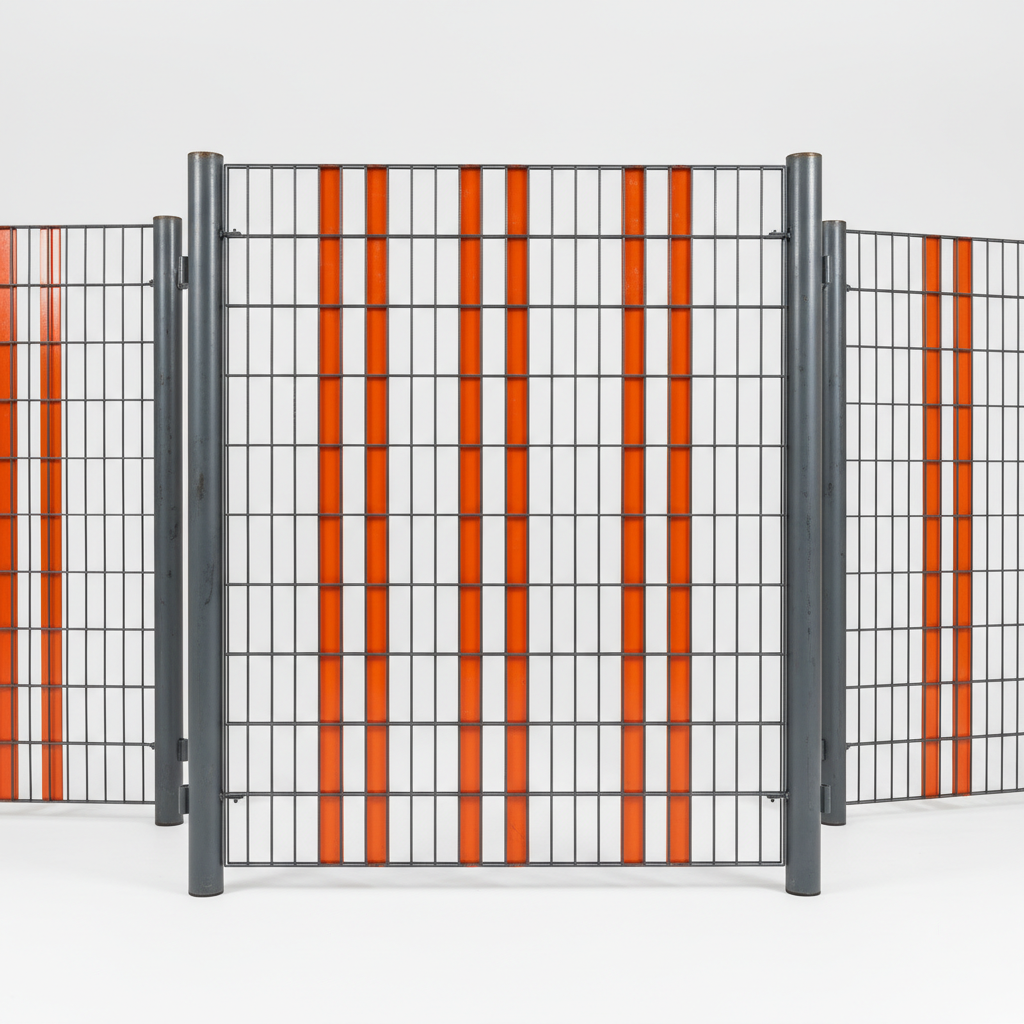
A high-quality trellis system consists of several core components working in harmony. These include the trellis panel itself, which determines the overall aesthetic and structural integrity; sturdy posts, essential for supporting the trellis and withstanding environmental forces; and appropriate hardware – hinges, latches, and fasteners – ensuring secure installation and functionality. The material selection is paramount, impacting durability, maintenance requirements, and cost.
The quality of the materials directly influences the longevity and performance of the trellis system. Wood, particularly treated lumber like cedar or redwood, offers a natural aesthetic but requires regular maintenance. Metal, such as aluminum or steel, provides superior durability and requires less upkeep, but can be more expensive. Vinyl offers a low-maintenance, cost-effective option, but may not possess the same aesthetic appeal as wood or metal.
Proper installation is equally critical. A poorly installed trellis can be unstable, prone to damage, and may not provide the intended level of security or privacy. Professional installation ensures that the system is correctly aligned, securely fastened, and capable of withstanding wind, rain, and other environmental factors. Considerations also include soil conditions and local building codes.
Key Factors Influencing Trellis Fence & Gate Choices
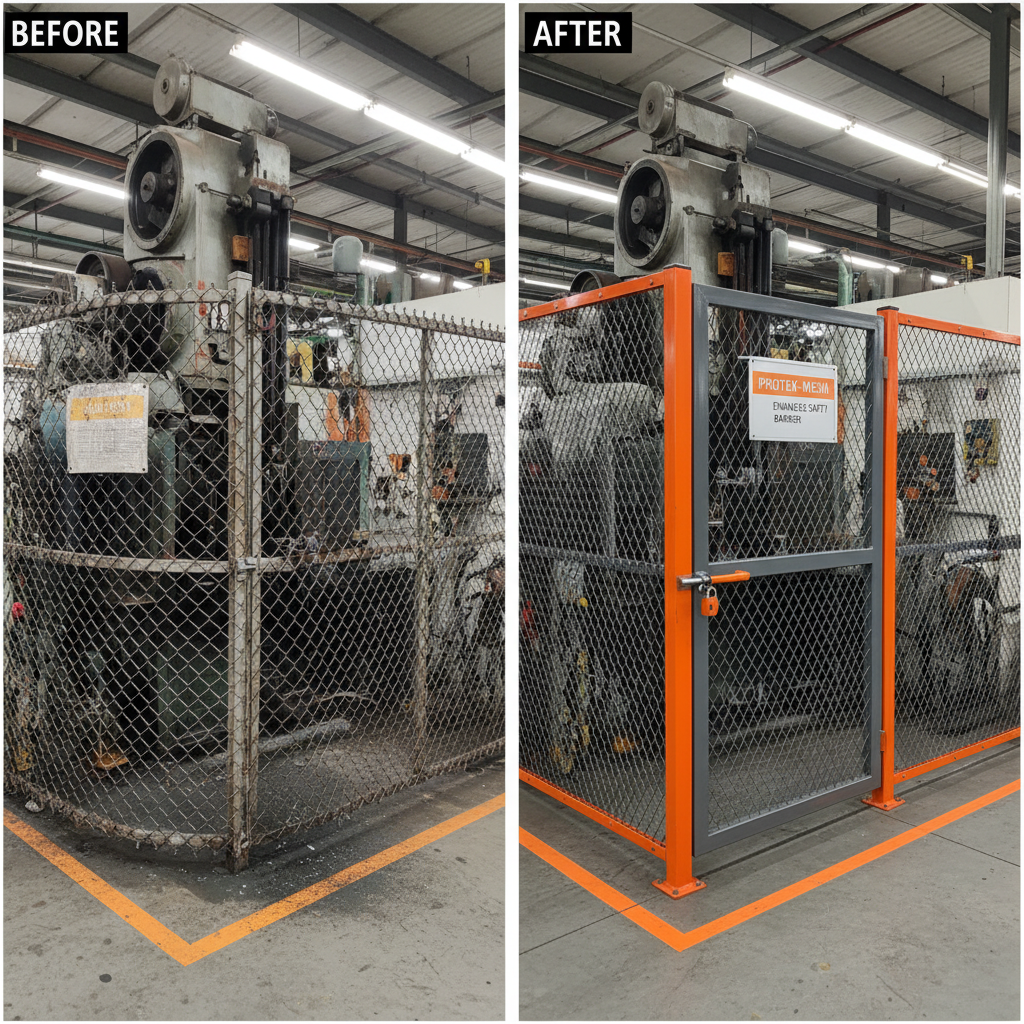
Several key factors influence the selection of trellis fence & gate systems. Durability is a primary concern, particularly in regions prone to harsh weather conditions. Materials like powder-coated aluminum or pressure-treated wood offer superior resistance to rot, corrosion, and insect damage. The level of security required also plays a significant role, with taller fences and reinforced gates providing enhanced protection.
Aesthetic considerations are equally important, as the fence should complement the overall style of the property. Available designs range from traditional lattice patterns to more modern and minimalist styles. Cost-effectiveness is another crucial factor, with homeowners and businesses seeking solutions that offer the best value for their investment. Maintenance requirements should also be considered, as some materials require more upkeep than others.
Trellis Fence & Gate Maker Performance Metrics
Applications Across Industries & Geographies
The applications of trellis fence & gate makers are remarkably diverse. In residential settings, they enhance curb appeal, provide privacy, and create visually stunning garden features. Commercially, they are used to delineate property boundaries, secure perimeters, and create attractive landscaping for office buildings, retail spaces, and hospitality venues.
Agriculturally, trellises support climbing plants such as grapes, hops, and berries, maximizing yields and improving crop quality. In post-disaster relief operations, temporary fencing systems are rapidly deployed to secure affected areas and provide a sense of order. Remote industrial zones often rely on robust fencing to protect valuable assets and prevent unauthorized access. Geographically, demand is strong in regions with a strong gardening culture, a focus on property aesthetics, and a need for security.
Long-Term Value & Benefits of Trellis Solutions
Investing in quality trellis fence & gate makers delivers substantial long-term value. Reduced maintenance costs are a key benefit, particularly with materials like aluminum or vinyl, which require minimal upkeep. Enhanced property value is another significant advantage, as attractive and well-maintained fencing contributes to a positive first impression and increases curb appeal.
From a sustainability perspective, using responsibly sourced materials and opting for durable, long-lasting systems reduces the need for frequent replacements, minimizing environmental impact. The emotional benefit of a beautifully landscaped property, coupled with the peace of mind provided by enhanced security, adds further value. Ultimately, trellis solutions represent a smart investment that combines functionality, aesthetics, and long-term cost savings.
Emerging Trends & Future Innovations
The industry is witnessing several exciting trends and innovations. The increasing demand for eco-friendly materials is driving the development of sustainable alternatives, such as recycled plastics and bamboo. Smart fencing systems, incorporating features like remote monitoring, automated gate controls, and integrated lighting, are gaining popularity.
Digital transformation is streamlining the design and ordering process, with online configurators and virtual reality tools allowing customers to visualize their projects before committing to a purchase. Automation in manufacturing is increasing efficiency and reducing costs, while 3D printing technology offers the potential for customized designs and on-demand production. These advancements are shaping the future of trellis fence & gate makers, making them more sustainable, efficient, and user-friendly.
The integration of renewable energy sources, such as solar-powered gate openers and lighting systems, aligns with the growing trend towards energy efficiency and environmental responsibility. Furthermore, the development of self-healing materials could extend the lifespan of fences and reduce maintenance requirements, representing a significant leap forward in durability and sustainability.
Challenges & Solutions
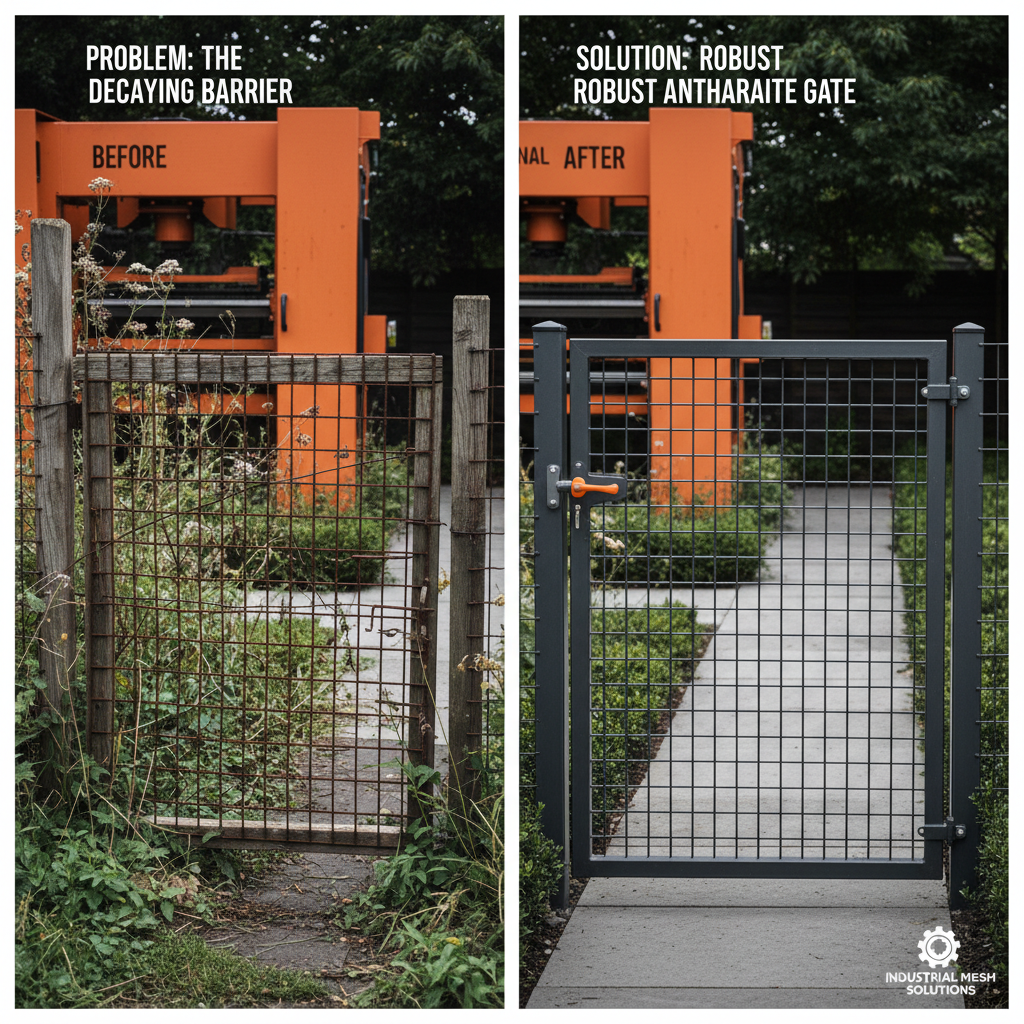
Despite the growth and innovation within the industry, trellis fence & gate makers face several challenges. Fluctuating material costs, particularly for wood and metal, can impact profitability and pricing. A shortage of skilled labor, including carpenters, welders, and installers, poses a significant constraint on production capacity. Competition from low-cost imports can also undermine domestic manufacturers.
Addressing these challenges requires a multifaceted approach. Investing in workforce development programs to train the next generation of skilled tradespeople is crucial. Exploring alternative materials and diversifying supply chains can mitigate the impact of fluctuating costs. Embracing automation and lean manufacturing principles can improve efficiency and reduce labor requirements. Collaboration between industry stakeholders – manufacturers, suppliers, and installers – can foster innovation and promote best practices.
Summary of Challenges and Proposed Solutions for Trellis Fence & Gate Makers
| Challenge |
Impact |
Proposed Solution |
Implementation Timeline |
| Material Cost Volatility |
Reduced Profit Margins |
Diversify Material Sourcing |
6-12 Months |
| Skilled Labor Shortage |
Project Delays, Increased Costs |
Invest in Training Programs |
Ongoing |
| Competitive Pressure from Imports |
Market Share Erosion |
Focus on Quality & Customization |
3-6 Months |
| Supply Chain Disruptions |
Production Delays |
Develop Backup Suppliers |
6 Months |
| Evolving Regulatory Requirements |
Compliance Costs |
Proactive Regulatory Monitoring |
Ongoing |
| Demand for Sustainable Materials |
Loss of Environmentally Conscious Customers |
Research and Adopt Eco-Friendly Alternatives |
12-18 Months |
FAQS
The lifespan of a trellis fence varies depending on the material used and the climate. Wood trellises, when properly treated and maintained, can last 15-20 years. Vinyl trellises can last 20-30 years with minimal maintenance. Aluminum and steel trellises offer the longest lifespan, often exceeding 30 years, due to their resistance to corrosion and decay. Regular inspections and prompt repairs are key to maximizing longevity.
The cost to install a trellis fence per linear foot can range from $20 to $80 or more, depending on several factors. Material choice (wood, vinyl, metal) significantly impacts the price. The complexity of the design, the height and length of the fence, and labor costs in your area also contribute. Custom designs and intricate patterns will generally increase the cost. Getting quotes from multiple trellis fence & gate makers is essential to obtain the best price.
Wooden trellis fences require regular maintenance to prevent rot, decay, and insect damage. This includes annual cleaning with a mild detergent and water, followed by the application of a wood preservative or sealant. Inspect the fence for any signs of damage, such as cracked boards or loose fasteners, and make repairs promptly. Repainting or restaining the fence every few years will also help to protect the wood and maintain its appearance.
While primarily known for their aesthetic appeal, trellis fences can contribute to security when combined with other features. A taller trellis fence, particularly one constructed from sturdy materials like metal, can deter casual trespassers. Adding a secure gate with a robust locking mechanism further enhances security. However, it’s important to note that a trellis fence alone may not provide the same level of security as a solid, high-security fence.
Vinyl trellis fencing offers numerous benefits, including low maintenance requirements, durability, and resistance to rot, decay, and insects. It doesn’t require painting or staining, saving time and money. Vinyl fences are also relatively affordable and come in a variety of colors and styles. They are a good choice for homeowners who want a long-lasting, attractive fence without the hassle of extensive upkeep.
Whether or not you need a permit to install a trellis fence depends on your local building codes and regulations. Many municipalities require permits for fences exceeding a certain height or located near property lines. It’s essential to check with your local building department before starting any fencing project to ensure compliance and avoid potential fines or delays. trellis fence & gate makers often have knowledge of local regulations.
Conclusion
In conclusion, trellis fence & gate makers represent a dynamic and evolving industry, offering a wide range of solutions to meet diverse aesthetic, functional, and security needs. From enhancing property value and creating visually appealing landscapes to providing security and supporting sustainable practices, the benefits of investing in quality trellis systems are substantial. Understanding the core components, key factors influencing choices, and emerging trends is essential for making informed decisions.
Looking ahead, continued innovation in materials, design, and installation techniques will further drive the growth of this industry. Embracing sustainable practices, prioritizing customer satisfaction, and staying abreast of regulatory changes will be crucial for success. For more information and to explore our comprehensive range of trellis fence & gate solutions, visit our website: www.hardwareinstore.com.