Follow Us:

Get A Quote


Steel edging suppliers are crucial components in a diverse range of industries, from construction and landscaping to manufacturing and infrastructure development. These suppliers provide the essential materials – typically steel, stainless steel, or aluminum – required to create durable, aesthetically pleasing, and functional edges for various applications. The global demand for reliable steel edging solutions is constantly growing, driven by factors like urbanization, infrastructure improvements, and the increasing need for robust safety measures. Understanding the role of these suppliers is vital for project managers, contractors, and anyone involved in building or maintaining physical structures.
The importance of selecting the right steel edging supplier extends beyond simply acquiring materials. It encompasses factors like product quality, adherence to industry standards, timely delivery, and competitive pricing. A reliable supplier can significantly impact project timelines, budgets, and ultimately, the long-term performance and safety of the finished product. Globally, steel edging suppliers play a pivotal role in supporting large-scale infrastructure projects, contributing to economic growth and improving the quality of life.
With increasing emphasis on sustainable practices, modern steel edging suppliers are also focusing on eco-friendly materials and manufacturing processes. This shift towards responsible sourcing and production is shaping the future of the industry, offering solutions that minimize environmental impact while maintaining exceptional quality and durability. Selecting the optimal steel edging supplier has become a strategic decision influencing not only the immediate project but also long-term sustainability goals.
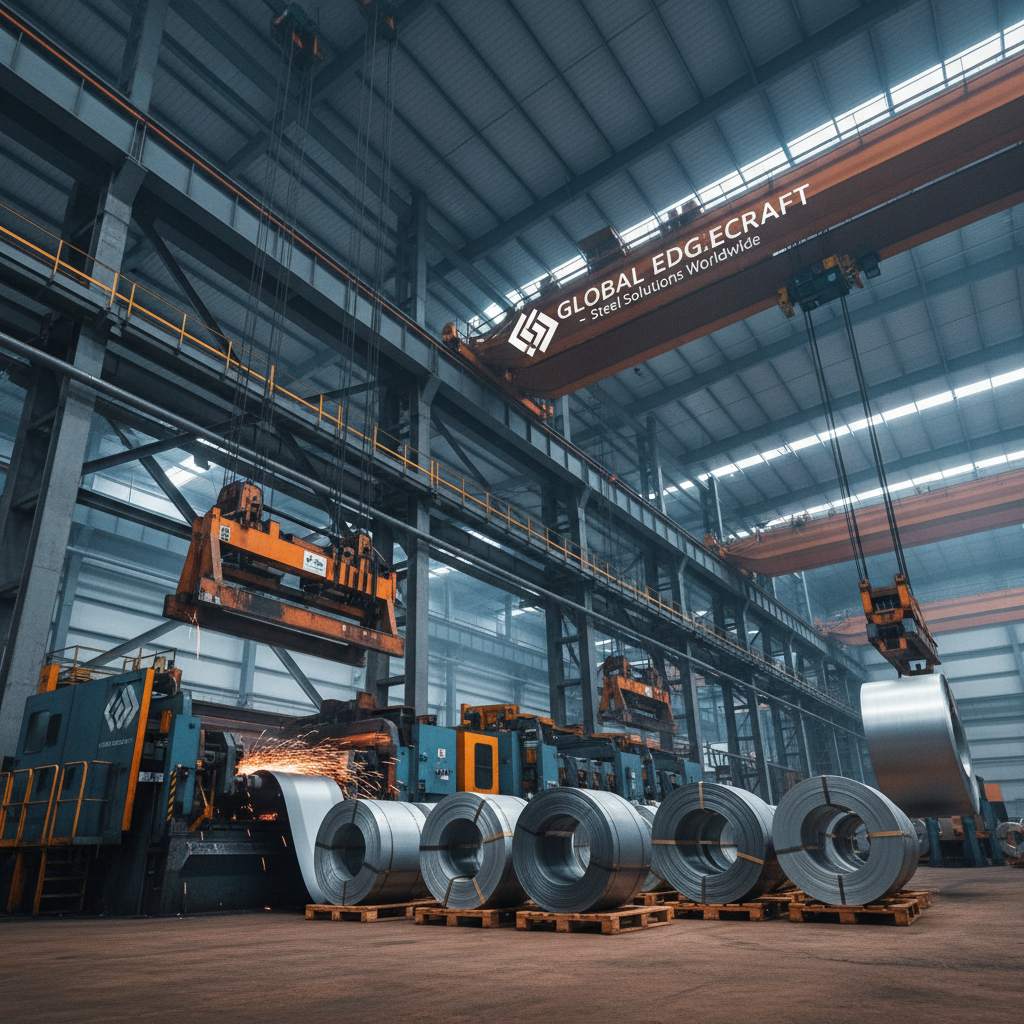
Steel edging suppliers are essential partners in ensuring the success of numerous construction and landscaping projects. They provide a critical link between raw material production and the final installation, offering a wide range of products tailored to specific application requirements. The quality and reliability of these suppliers directly impact the durability, aesthetics, and safety of the finished work.
The landscape of steel edging suppliers is diverse, ranging from large-scale manufacturers to specialized distributors. Understanding the nuances of this market – including material options, manufacturing processes, and supply chain logistics – is crucial for anyone seeking to procure high-quality edging solutions. This knowledge empowers informed decision-making, leading to cost-effective and sustainable project outcomes.
Commonly used steel types include carbon steel, known for its strength and affordability, stainless steel, prized for its corrosion resistance, and weathering steel, which develops a protective rust layer over time. Aluminum is another popular choice, offering lightweight properties and natural corrosion resistance. The selection depends on the application, budget, and desired aesthetic. Steel edging suppliers can offer guidance on the optimal material for your specific project, considering factors like environmental exposure and load requirements.
Stainless steel edging offers exceptional corrosion resistance, making it ideal for outdoor applications or environments exposed to moisture and chemicals. It requires minimal maintenance, maintains its aesthetic appeal over time, and is highly durable. While generally more expensive than carbon steel, its long-term benefits and reduced lifecycle costs often make it a worthwhile investment for applications where longevity and low maintenance are critical.
Determining the correct thickness depends on the load-bearing requirements, anticipated traffic, and environmental factors. Consulting with a steel edging supplier is essential. They can assess your specific needs and recommend an appropriate thickness to ensure structural integrity and prevent bending or deformation. Factors to consider include the height of the edging, the type of substrate it’s being installed on, and any potential impact forces.
Many steel edging suppliers provide custom fabrication services, allowing you to obtain edging cut to specific lengths, bent to desired angles, or perforated with holes for mounting. This is particularly beneficial for projects with unique design requirements or complex geometries. Custom fabrication can save you time and labor costs compared to attempting to modify the edging yourself. Be sure to inquire about lead times and minimum order quantities for custom orders.
Lead times vary depending on the supplier, the product type, and the quantity ordered. Standard stock items typically have shorter lead times, often shipping within a few business days. Custom fabrication or large orders may require several weeks. It’s crucial to discuss lead times with your supplier during the quoting process to ensure the edging arrives in time for your project schedule. Factors like material availability and current production workload can influence delivery times.
Proper installation is crucial for the longevity and performance of steel edging. Ensure the substrate is properly prepared and level. Use appropriate fasteners and installation techniques recommended by the supplier. Consider using a professional installer experienced with steel edging for complex projects. Following the supplier’s guidelines will help prevent issues like corrosion, shifting, or damage during installation.
Steel edging suppliers are integral to a wide range of industries, providing essential materials that enhance durability, aesthetics, and safety. Selecting a reliable supplier with a commitment to quality, sustainability, and customer service is paramount for project success. The future of the industry lies in innovation, with a focus on eco-friendly materials, smart technologies, and streamlined supply chains.
Investing in high-quality steel edging not only yields long-term performance benefits but also contributes to a more sustainable and resilient built environment. We encourage you to explore the options available and partner with a trusted steel edging supplier to achieve your project goals. For a comprehensive range of steel edging solutions and expert advice, visit our website: www.hardwareinstore.com.