Follow Us:

Get A Quote


Look, I’ve spent years walking job sites, breathing concrete dust, and talking to the guys actually building things. And let me tell you, when it comes to securing areas, controlling erosion, or even just keeping debris contained, hex netting wire mesh is a workhorse. It’s not glamorous, it’s not the newest tech, but it works, and it works reliably. We’re talking about a simple, effective solution that saves time, money, and headaches. It’s a foundational material in a lot of projects, and getting it right is crucial.
What I've noticed over the years is that folks sometimes underestimate the versatility of hex netting wire mesh. It’s not just for fences anymore. It’s holding slopes together after blasting, reinforcing concrete, protecting excavations, and even being used in innovative bioengineering projects. The demand globally is only increasing, driven by infrastructure development, disaster relief efforts, and a growing need for cost-effective erosion control. The UN estimates that global infrastructure spending will reach over $78 trillion by 2030, and materials like this will be critical to manage those projects.
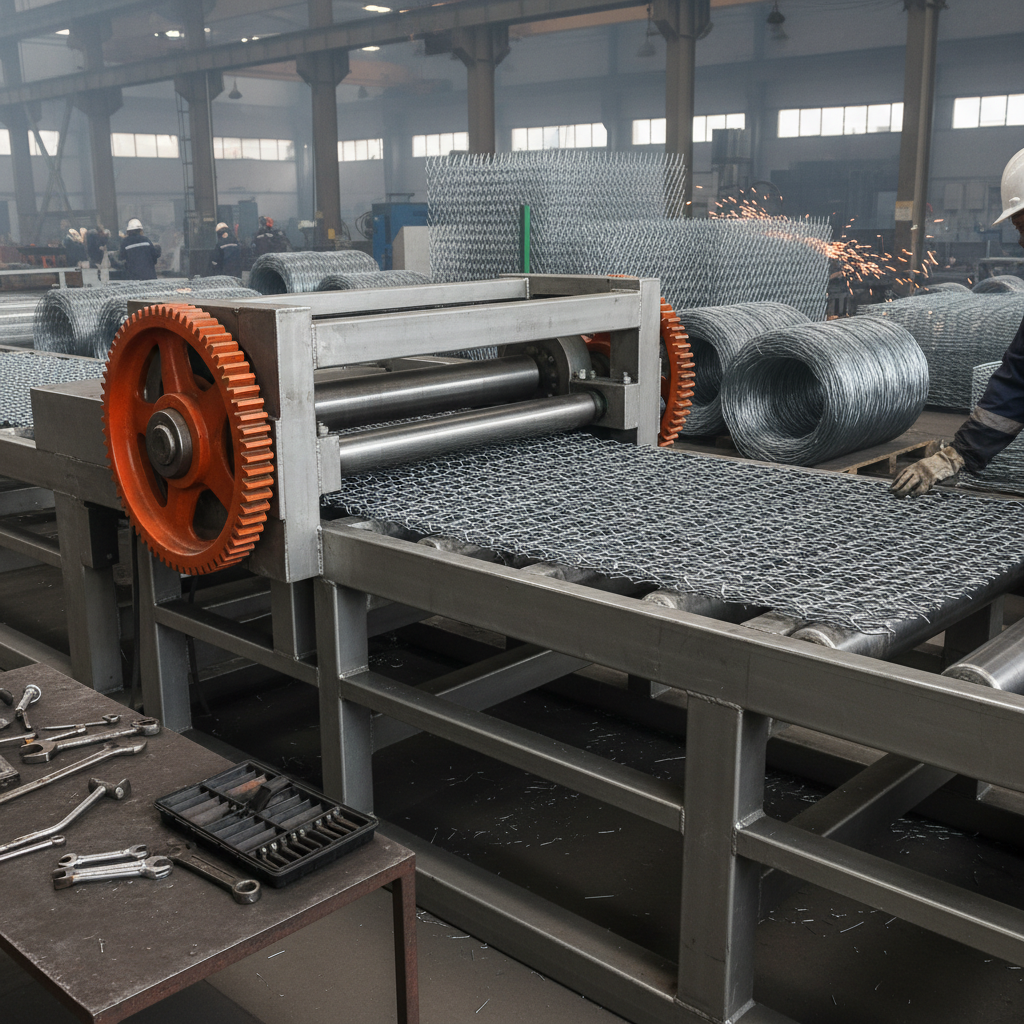
Simply put, hex netting wire mesh is woven metal fencing with hexagonal-shaped openings. Think of it like a super-tough, flexible screen. It’s typically made from galvanized steel wire, which means it's coated with zinc to prevent rust, or sometimes PVC coated for added protection and color. This isn’t some newfangled invention; it's a proven technology that bridges the gap between raw materials and modern engineering, and is absolutely essential for a lot of humanitarian aid operations globally.
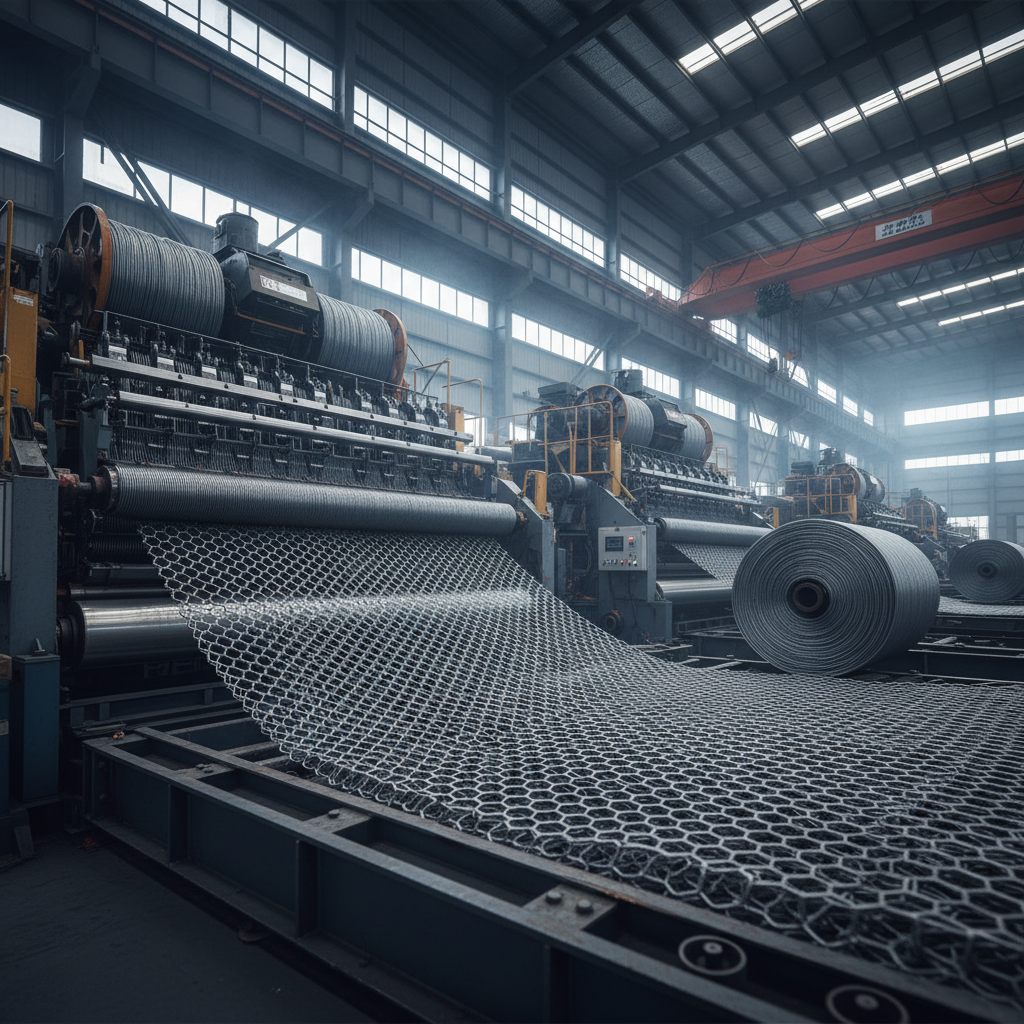
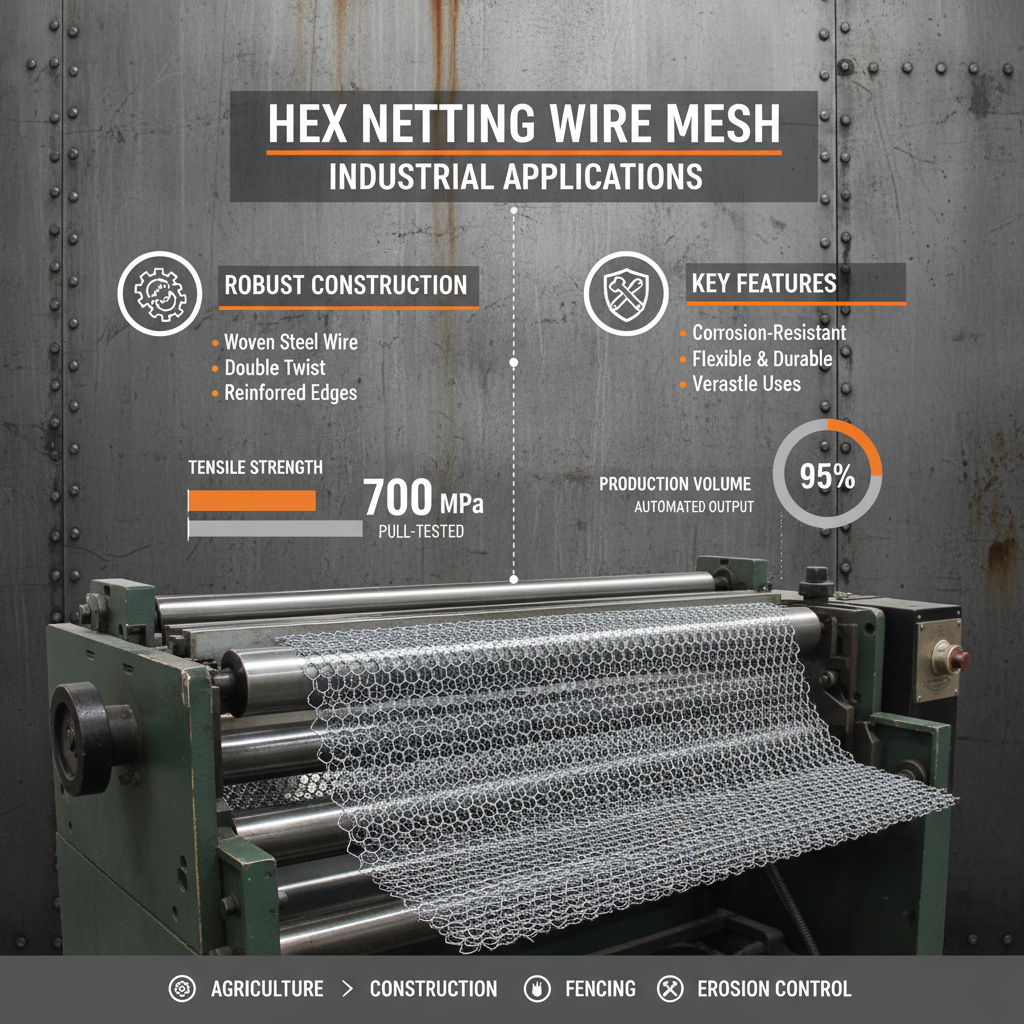
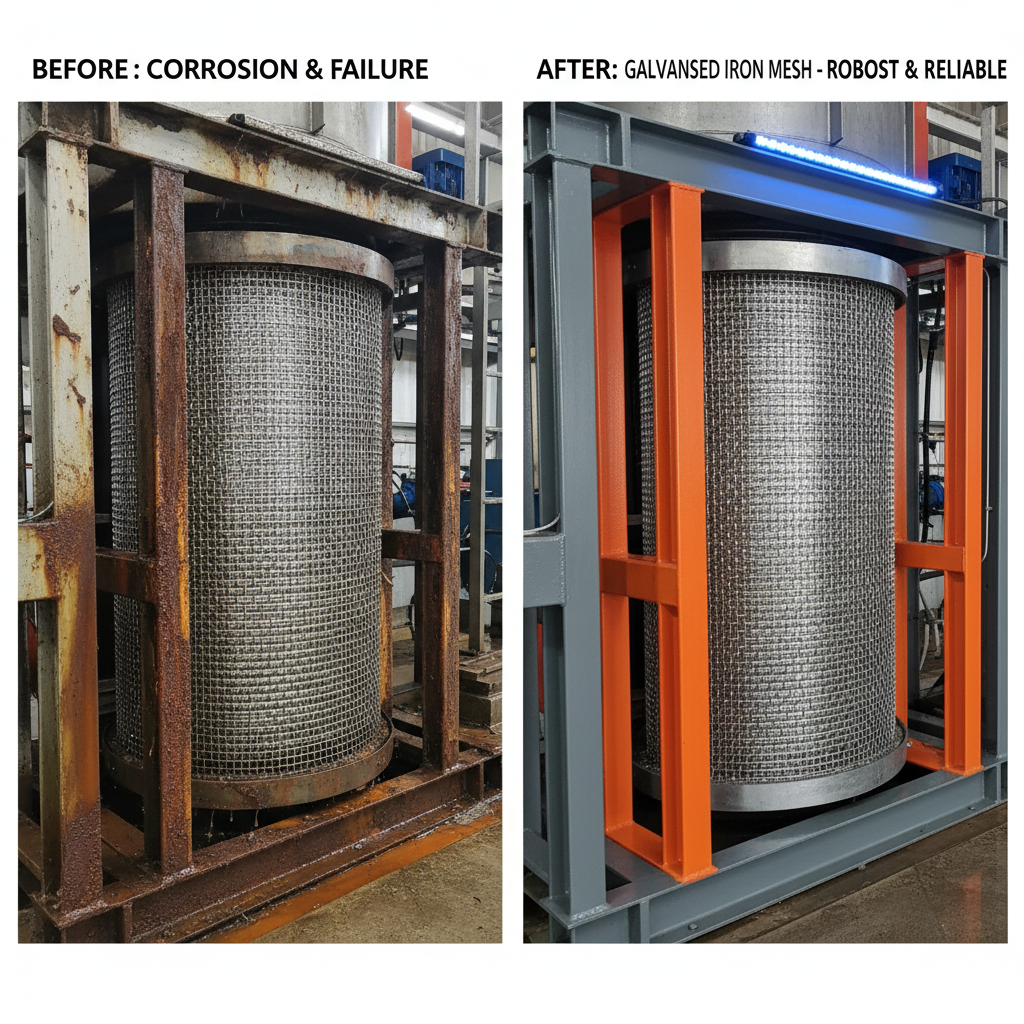
Durability is huge. You're not replacing this stuff every six months. A good quality hex netting wire mesh installation can last for decades, even in harsh environments. And that, right there, saves you money in the long run. The initial cost might be a bit higher, but think about the labor you don't spend on repairs and replacements.
Scalability is another major plus. You can easily cut and shape hex netting wire mesh to fit almost any application. Need to cover a small ditch? No problem. Need to contain a massive landslide? You can join sections together to create a large-scale solution. It’s flexible in both its physical form and its application.
Galvanized mesh is coated with zinc for rust protection, which is a good all-around choice. PVC coating adds another layer of protection, making it more resistant to corrosion, especially in harsh environments like saltwater. PVC also allows for color coding. PVC will generally last longer but costs more upfront. For most applications, galvanized is sufficient.
The mesh size depends on what you're trying to contain. Smaller openings are better for preventing small debris or animals from passing through, while larger openings are suitable for larger rocks or soil stabilization. Consider the size of the material you need to contain and choose a mesh size that's at least half the size of the smallest material.
It can be, but it's not a standalone solution for very steep slopes. It's often used in conjunction with other erosion control methods, like geotextiles, soil nails, or terracing. The key is proper installation and ensuring adequate anchoring to prevent slippage. You might need to consult with a geotechnical engineer for steeper slopes.
There are a few methods. You can use wire ties, hog rings, or even specialized clips designed for this purpose. The method you choose will depend on the application and the gauge of the wire. Overlapping and securing with ties is the most common and reliable method.
Coastal environments are particularly harsh due to saltwater exposure. Galvanized mesh might last 15-20 years, while PVC-coated mesh can last 25-30 years or even longer with proper maintenance. Regular inspection and cleaning are essential to prolong its lifespan in these conditions.
Compared to some other materials, it's relatively sustainable, especially if you opt for recycled steel. It’s durable and long-lasting, reducing the need for frequent replacements. Plus, its use in erosion control helps protect ecosystems. The manufacturing process does have an environmental impact, but it’s generally lower than some alternatives.
Hex netting wire mesh might not be the flashiest material out there, but its practicality, durability, and cost-effectiveness make it an indispensable tool for a wide range of applications. From securing construction sites to protecting our environment, it’s a reliable solution that stands the test of time. It's a foundational element in many projects, and understanding its capabilities is crucial for any construction professional.
Looking ahead, advancements in materials and installation techniques will only enhance its value. The future of hex netting wire mesh lies in innovation – stronger coatings, integrated sensors, and automated installation methods. But even without these advancements, it remains a cornerstone material for building a more sustainable and resilient future. Visit our website: www.hardwareinstore.com