Look, I’ve spent the last fifteen years knee-deep in dust and concrete, watching projects rise from the ground. And one thing I’ve seen consistently, from sprawling infrastructure to quick-turnaround disaster relief, is the absolute necessity of adaptable, robust materials. That’s where hexagonal metal mesh comes in. It’s not just another building material; it's a fundamental component for modern construction and increasingly, rapid deployment solutions. We're talking about a real game-changer when it comes to strength, flexibility, and sheer speed of implementation.
The world is changing fast. We've got increasing urbanization, more frequent extreme weather events, and a constant need for efficient, cost-effective infrastructure. Traditional building methods simply can’t keep pace. Hexagonal metal mesh, however, offers a modularity and ease of assembly that drastically cuts down on construction time and labor costs. It's about doing more with less, without sacrificing structural integrity – something I’ve championed my entire career.
And it's not just about speed. It's about building better. This isn't some flimsy, temporary fix. We're talking about durable materials that can withstand incredible stress, adaptable enough for a multitude of applications, and surprisingly lightweight for ease of transport and handling. I’ve seen firsthand how hexagonal metal mesh is revolutionizing project timelines and outcomes, and frankly, I’m a believer.
The Core Principles of hexagonal metal mesh
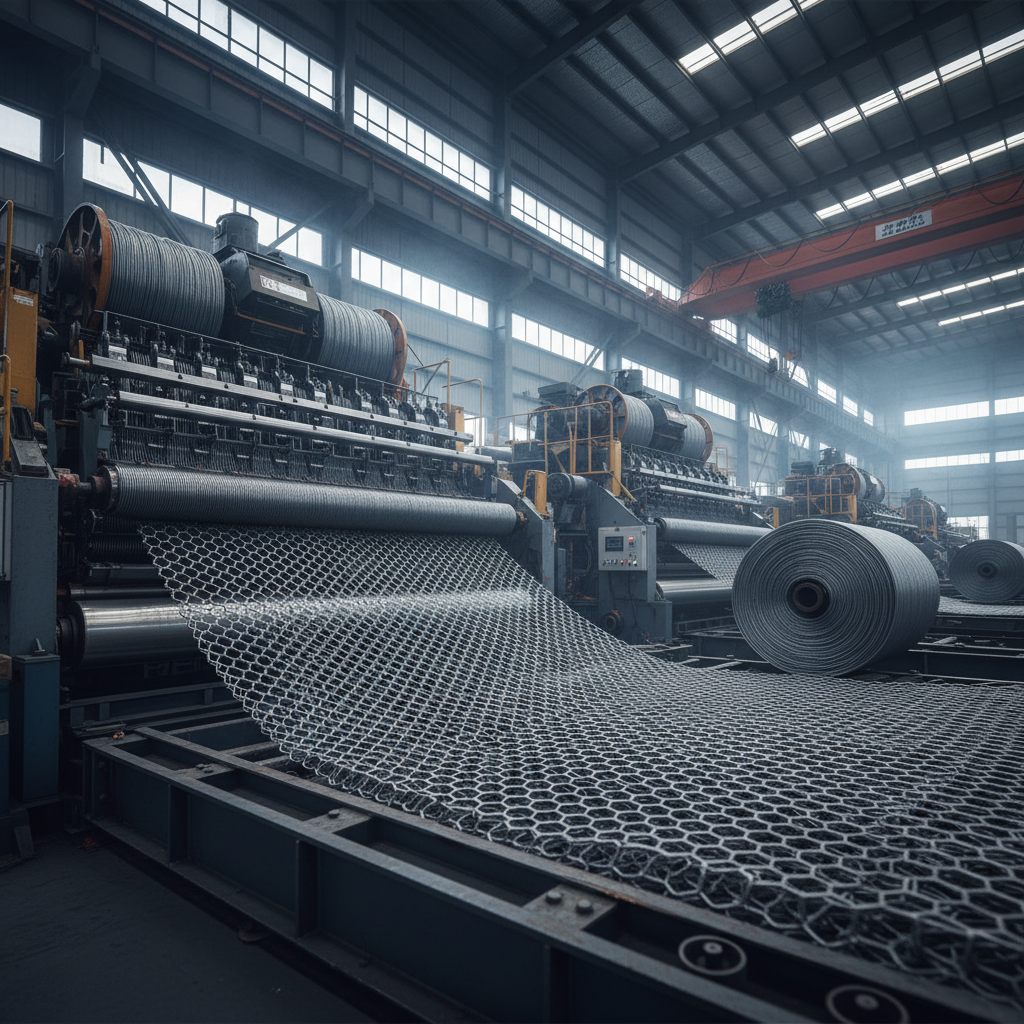
At its heart, hexagonal metal mesh is about maximizing strength while minimizing weight. The hexagonal structure, mimicking nature’s own efficient designs – think honeycombs – distributes stress evenly, making it incredibly resistant to tearing and deformation. I’ve seen it hold back landslides, reinforce tunnels, and even serve as a core component in protective structures.
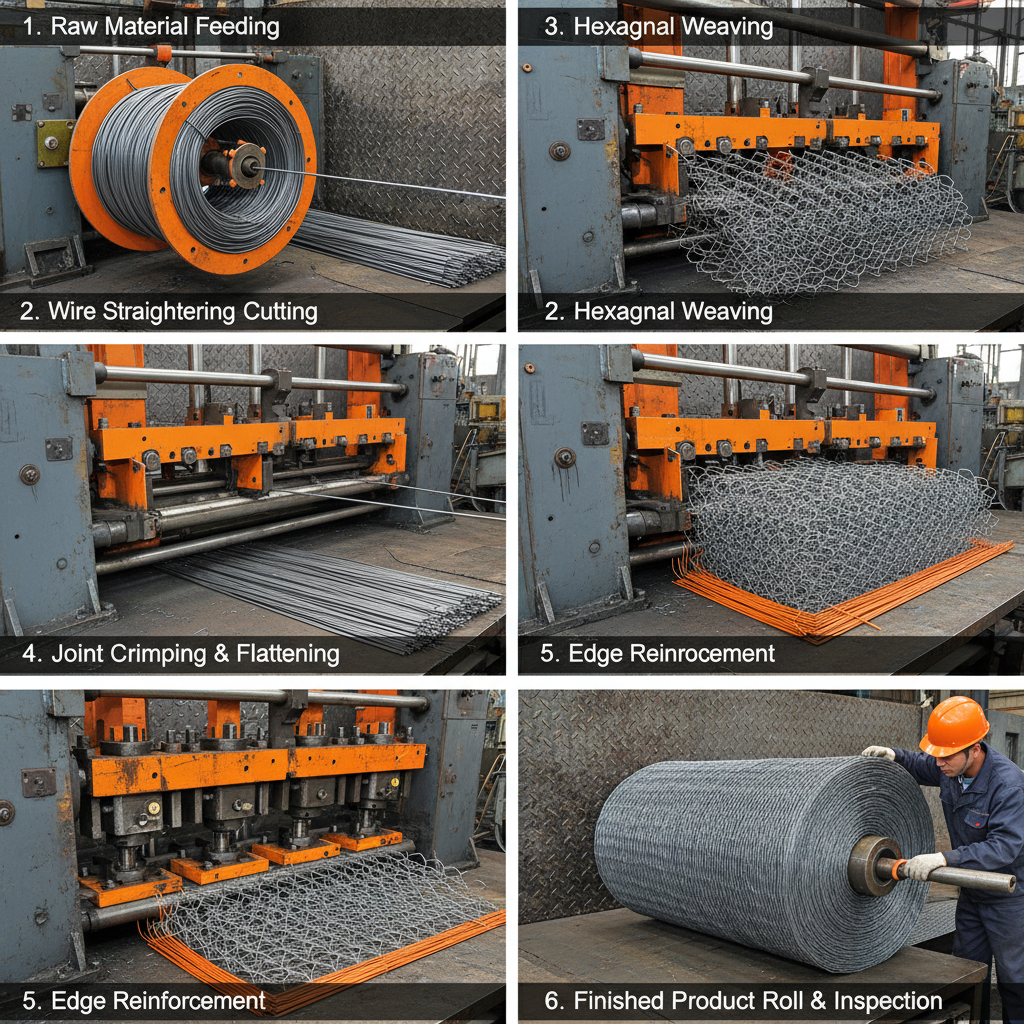
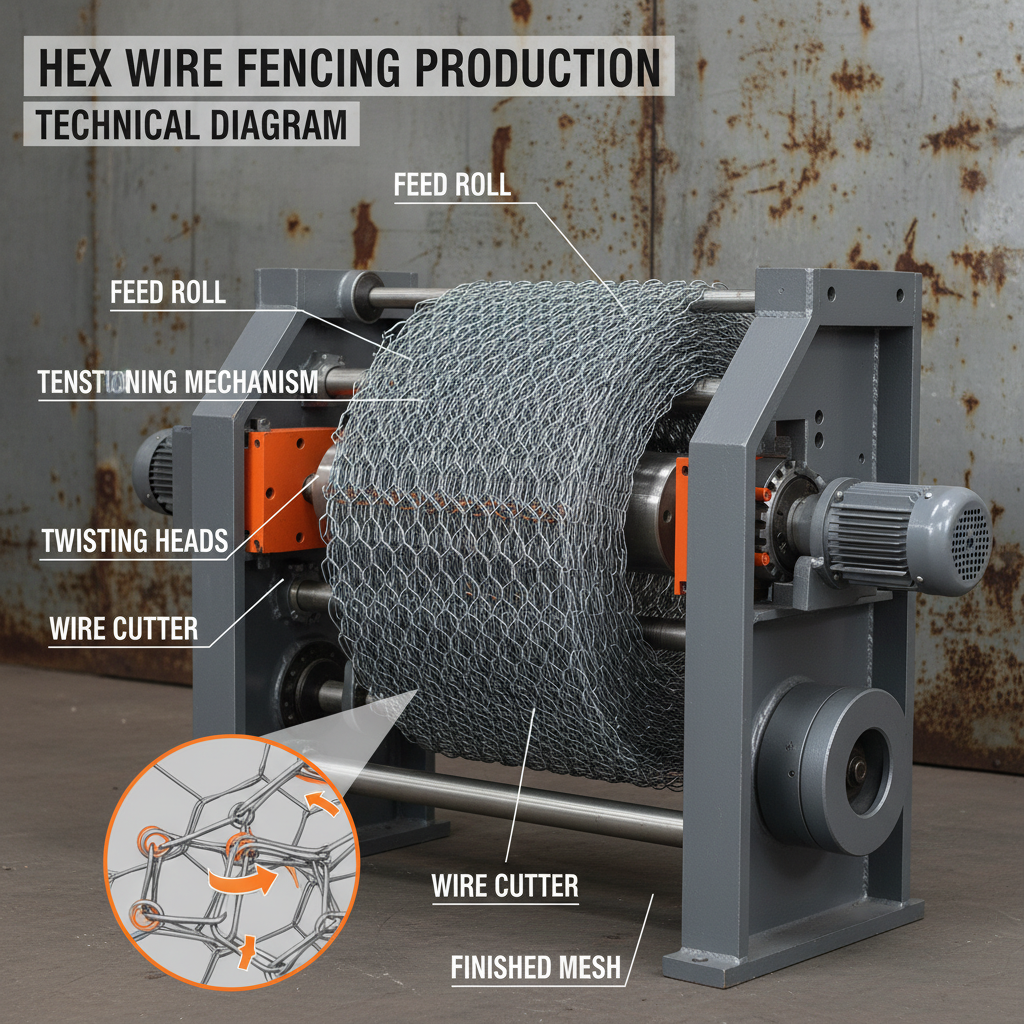
The real genius is in the simplicity. It's not complicated to manufacture, which translates to lower costs, and it’s incredibly versatile. You can tailor the mesh size, wire gauge, and coating to meet specific project requirements. That’s crucial; one size never fits all in my world.
The Global Impact of hexagonal metal mesh
This isn't just a regional trend; we're talking about a global demand. The UN, for example, increasingly utilizes hexagonal metal mesh in refugee camps and disaster relief operations due to its rapid deployment capabilities and durability. The World Bank funds infrastructure projects that incorporate it for erosion control and soil stabilization, particularly in developing nations. The ISO standards recognize its use in demanding engineering applications worldwide.
What’s driving this? Climate change, frankly. More frequent and severe weather events require infrastructure that can withstand extreme conditions. Rapid urbanization demands quick, efficient construction solutions. And, let's be honest, there’s a growing need for affordable housing and sustainable building materials. Hexagonal metal mesh ticks all those boxes.
The challenge, though, is ensuring responsible sourcing and ethical manufacturing. We need to prioritize sustainable practices and fair labor standards throughout the supply chain – it’s not enough to just build quickly; we need to build responsibly.
Defining hexagonal metal mesh: A Modern Solution
Simply put, hexagonal metal mesh is a woven network of metal wires arranged in a repeating hexagonal pattern. It’s typically made from galvanized steel, stainless steel, or other corrosion-resistant alloys. But that definition doesn’t do it justice. It’s more than just a ‘mesh’ - it’s a foundational element for creating lightweight, high-strength structures.
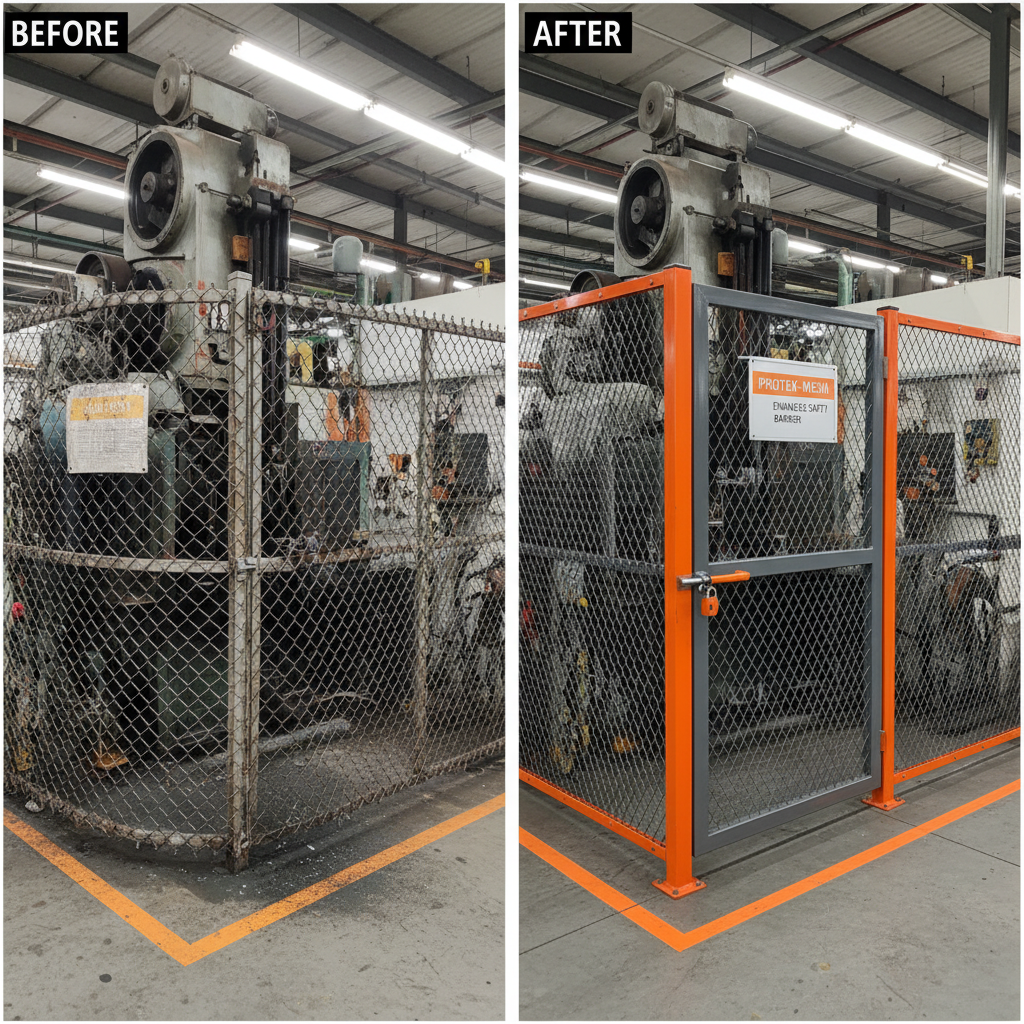
Its connection to modern industry stems from its versatility. It’s used in everything from reinforcing concrete to creating protective cages for delicate equipment. In humanitarian applications, it's being deployed for rapid construction of shelters, water filtration systems, and even temporary hospitals. It bridges the gap between traditional construction and the need for fast, adaptable solutions.
I’ve seen engineers completely rethink designs because of the possibilities hexagonal metal mesh presents. It allows for more creative, efficient, and ultimately, more resilient construction.
Key Attributes of hexagonal metal mesh
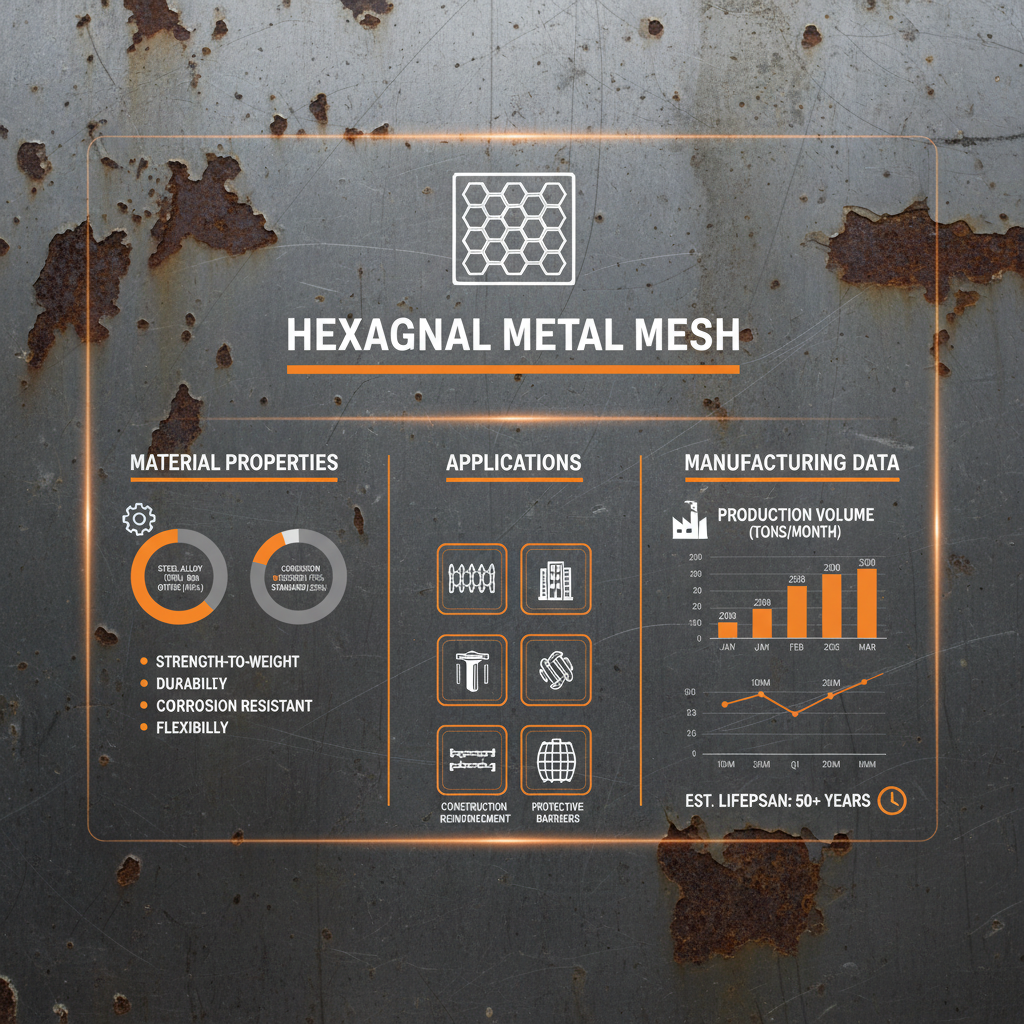
Let's break down what makes this stuff work. First, Durability: The galvanized or stainless steel construction provides exceptional resistance to corrosion and weathering. I've seen it hold up in some incredibly harsh environments. Second, Scalability: You can easily customize the mesh size and wire gauge to fit almost any project requirement.
Third, Cost Efficiency: Compared to traditional materials like solid steel plates, hexagonal metal mesh is significantly more affordable. And finally, Ease of Installation: It's lightweight, flexible, and can be quickly cut, shaped, and secured, saving valuable time and labor on the job site.
Performance Comparison of hexagonal metal mesh Methods
Real-World Applications of hexagonal metal mesh
You’ll find hexagonal metal mesh everywhere. In post-disaster relief operations, it's used for building temporary shelters and reinforcing damaged structures. In remote industrial zones, it serves as fencing, erosion control, and protective screening.
I’ve personally used it on a large-scale landslide stabilization project in the Rockies. It was crucial for creating a retaining wall that could withstand extreme weather conditions. And I’ve seen it used in aquaculture to create secure and durable fish cages. It's adaptable like that.
The Long-Term Value Proposition of hexagonal metal mesh
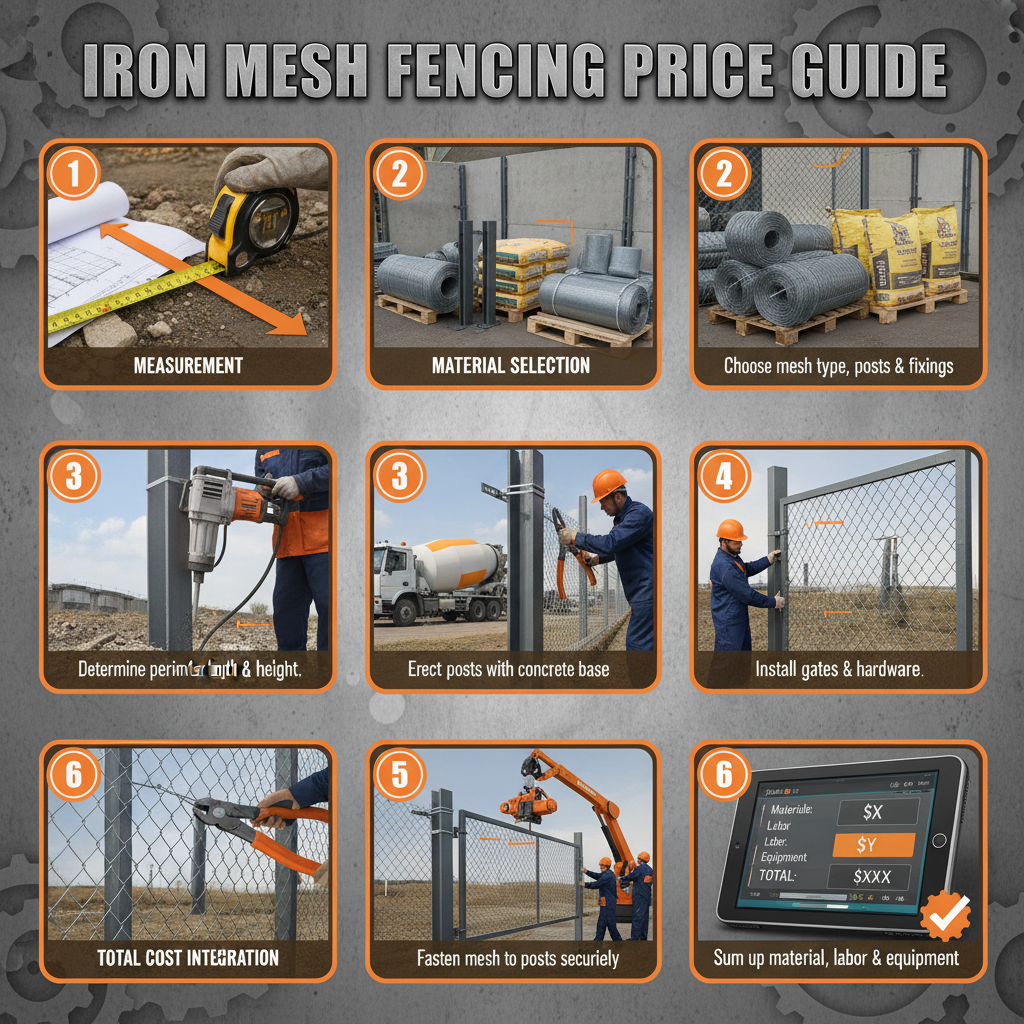
It’s not just about initial cost savings. The durability of hexagonal metal mesh means reduced maintenance and replacement costs over the lifespan of a project. Its lightweight nature lowers transportation expenses, and its ease of installation reduces labor costs.
Beyond the financial benefits, there’s a social impact. The speed and efficiency of construction can provide vital shelter and infrastructure to communities in need, quickly. And the material’s inherent strength and durability contribute to safer, more resilient structures. That's something I value immensely.
That’s a long-term win for everyone involved.
Innovations and Challenges in hexagonal metal mesh Technology
We're seeing exciting developments in coatings and alloys that further enhance the corrosion resistance and strength of hexagonal metal mesh. There's also research into integrating sensors into the mesh structure for structural health monitoring. Imagine a bridge that can self-diagnose potential problems!
The biggest challenge remains consistent quality control. Ensuring that every batch of mesh meets rigorous standards is crucial. Another hurdle is finding sustainable and ethical sourcing options for the raw materials. We need to move towards closed-loop manufacturing processes that minimize waste and environmental impact.
Finally, educating engineers and contractors about the full potential of hexagonal metal mesh is key. It's not just a replacement for traditional materials; it's a pathway to innovation.
Summary of Key Challenges and Mitigation Strategies for hexagonal metal mesh
| Challenge |
Impact Level (1-10) |
Mitigation Strategy |
Implementation Cost (USD) |
| Quality Control Consistency |
8 |
Implement rigorous testing protocols and supplier audits. |
5,000 - 10,000 |
| Sustainable Sourcing of Materials |
7 |
Prioritize suppliers with certifications and traceable supply chains. |
2,000 - 5,000 |
| Lack of Engineering Expertise |
6 |
Provide training programs and design guides for engineers. |
3,000 - 7,000 |
| Corrosion in Harsh Environments |
9 |
Utilize advanced coatings and corrosion-resistant alloys. |
1,000 - 3,000 (per project) |
| Transportation Costs and Logistics |
5 |
Optimize packaging and utilize regional distribution centers. |
1,000 - 2,000 |
| Standardization of Installation Procedures |
4 |
Develop standardized installation manuals and certification programs. |
2,000 - 4,000 |
FAQS
Hexagonal metal mesh finds diverse applications in construction, including reinforcement of concrete, erosion control, creating retaining walls, fencing, and protective barriers. Its lightweight nature and high tensile strength make it ideal for various structural and non-structural elements. Its adaptability to different project needs is a major benefit.
Hexagonal metal mesh generally surpasses traditional wire fencing in durability due to its woven construction and often utilizes galvanized or stainless steel coatings. This makes it far more resistant to corrosion, tearing, and deformation, resulting in a longer service life and reduced maintenance requirements. It’s a more robust solution, particularly in harsh environments.
Yes, provided the appropriate alloy is selected. Stainless steel hexagonal metal mesh is highly resistant to saltwater corrosion and is commonly used in marine applications, such as aquaculture and coastal protection structures. Galvanized steel mesh can offer some protection but may require additional coatings for long-term performance in harsh marine environments.
Gauge (wire thickness) and mesh size depend on the application's specific requirements. Higher gauge provides greater strength, while smaller mesh size offers better containment. Factors include the load-bearing capacity needed, the size of materials to be contained, and the level of security required. A structural engineer should be consulted for critical applications.
Installation typically involves stretching the mesh taut and securing it with staples, ties, or clips to supporting structures. Common tools include wire cutters, staple guns, tensioning devices, and measuring tools. The specific installation method depends on the application and the type of support structure. Proper tensioning is crucial for optimal performance.
Environmental considerations include the energy consumption of metal production, the use of potentially harmful coatings, and the end-of-life disposal of the material. Opting for recycled content, sustainable manufacturing processes, and proper recycling programs can mitigate these impacts. Researching suppliers committed to environmental responsibility is recommended.
Conclusion
Hexagonal metal mesh isn't just a product; it's a solution. A solution to the challenges of modern construction, rapid deployment, and sustainable building practices. It’s about strength, adaptability, and efficiency – qualities that are essential in today’s rapidly changing world. Its versatility and cost-effectiveness make it an invaluable asset across a wide range of industries and applications.
Looking ahead, the potential for innovation is immense. With continued research into new materials, coatings, and integration with smart technologies, hexagonal metal mesh will undoubtedly play an even greater role in shaping the future of construction and infrastructure. Visit our website at www.hardwareinstore.com to learn more about how we can help you with your next project.