Look, I’ve been running around construction sites for, well, too many years to count. Garden fence supplier, right? It's not glamorous. It's about keeping things in, keeping things out, and hoping the wind doesn't decide to rearrange your property. Lately, everyone’s obsessed with composite materials. Honestly, it’s good, but it’s not a magic bullet.
You wouldn’t believe the stuff people try to sell you. “Maintenance-free!” they shout. Yeah, right. It’s maintenance-reduced. Still gotta hose it down, still gotta check the posts. And don’t even get me started on the different types of wood treatments… you think you’re getting something eco-friendly, and it smells like a chemical factory for a month.
But there’s a reason composites are taking off. People are tired of re-staining, re-painting. They want something that lasts. And, to be honest, a good composite fence can look pretty damn good.
The Current Landscape of garden fence supplier
Right now, everyone's going crazy for those shadowbox fences. I swear, I see them everywhere. It's a good look, provides some privacy, and the airflow is better than a solid fence. But have you noticed the price? It’s ridiculous. They market it as 'premium', but a lot of it is just branding. There’s also a big push for aluminum fencing, especially in coastal areas. Rust is a nightmare, and aluminum doesn’t have that problem, obviously. But it feels...cold. Not very inviting.
You see a lot of vinyl too, which is okay, but it gets brittle in the cold. I encountered this at a factory in Ohio last winter. The guys were snapping panels like twigs trying to install them. Didn’t end well. Honestly, the basic pressure-treated pine is still a solid choice if you want something affordable and you’re willing to put in the work to maintain it. It's just…work.
Design Pitfalls and Common Mistakes in garden fence supplier
Oh, the mistakes people make. Strangel, the biggest one? Not thinking about drainage. Water gets trapped behind a fence, the posts rot. Simple as that. Then there's the post spacing. Too wide, and you get sag. Too narrow, and you’re wasting money. And don't even get me started on gates. People always cheap out on the gate hardware. Then it sags, or the latch breaks, and suddenly you’ve got a security issue.
Another thing? Ignoring the slope of the land. Trying to build a perfectly level fence on a hill is a losing battle. You either step it, or you end up with gaps. It looks terrible. And finally, underestimating the wind load. A solid fence can act like a sail. If it's not properly braced, it's going down.
You also get the DIY-ers who try to do everything themselves, and then call me at 2 AM because their post hole digger broke and they’re now staring at a half-finished fence in the dark. It happens more often than you’d think.
Materials Used in Modern garden fence supplier
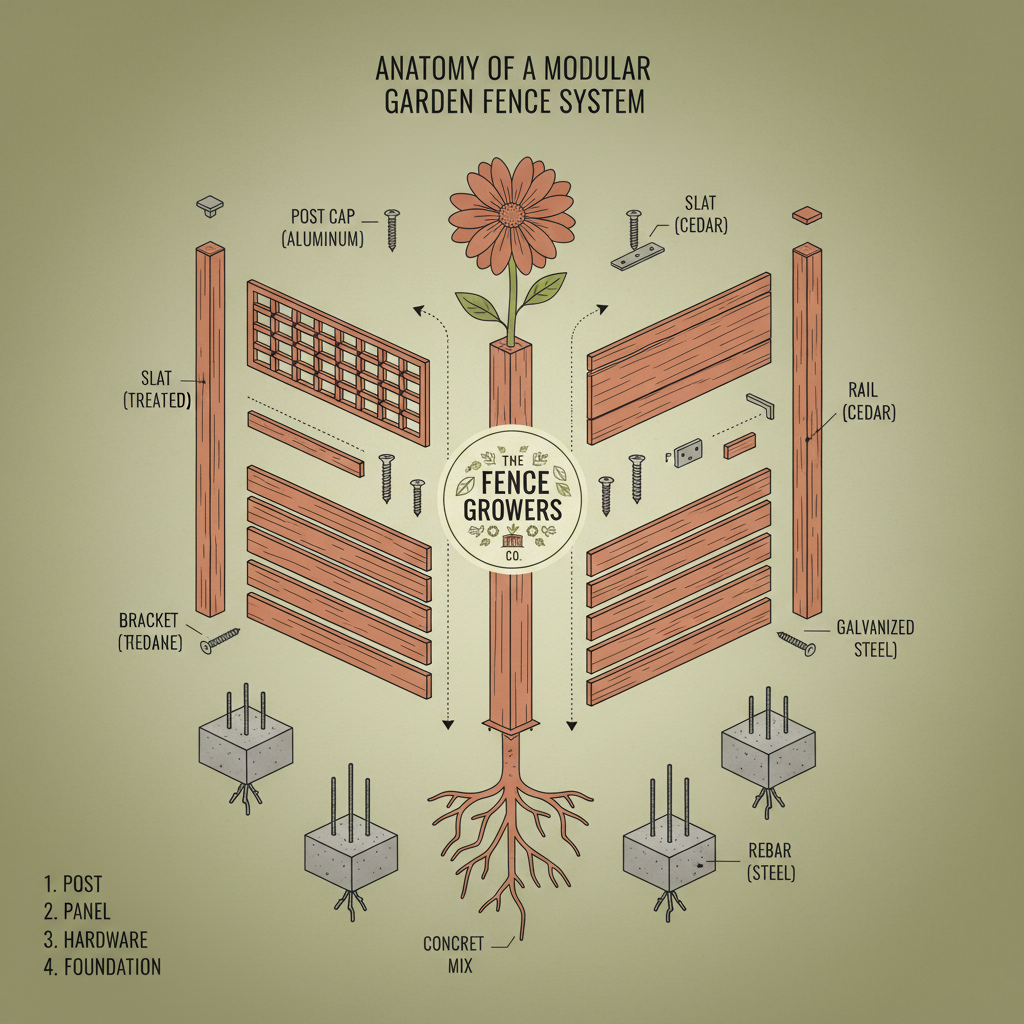
Okay, so let's talk materials. Pressure-treated pine is still king for posts, mostly because it's affordable and relatively strong. It smells…like treated wood, obviously. A little chemical-y. You gotta wear a mask when you’re cutting it. For the pickets, you’ve got cedar, which is naturally rot-resistant, smells fantastic – kind of sweet, almost like a campfire. But it's pricey. Then there’s redwood, similar to cedar, but even more expensive.
Composite is the big one now. It's made from wood fibers and plastic. Feels…smooth. Not like real wood, but not bad. Some of the cheaper composites feel kinda hollow and flimsy, though. You can tell the difference. And aluminum? It's lightweight, feels cool to the touch, and doesn't rust. It's just not very…warm. I think that's the word.
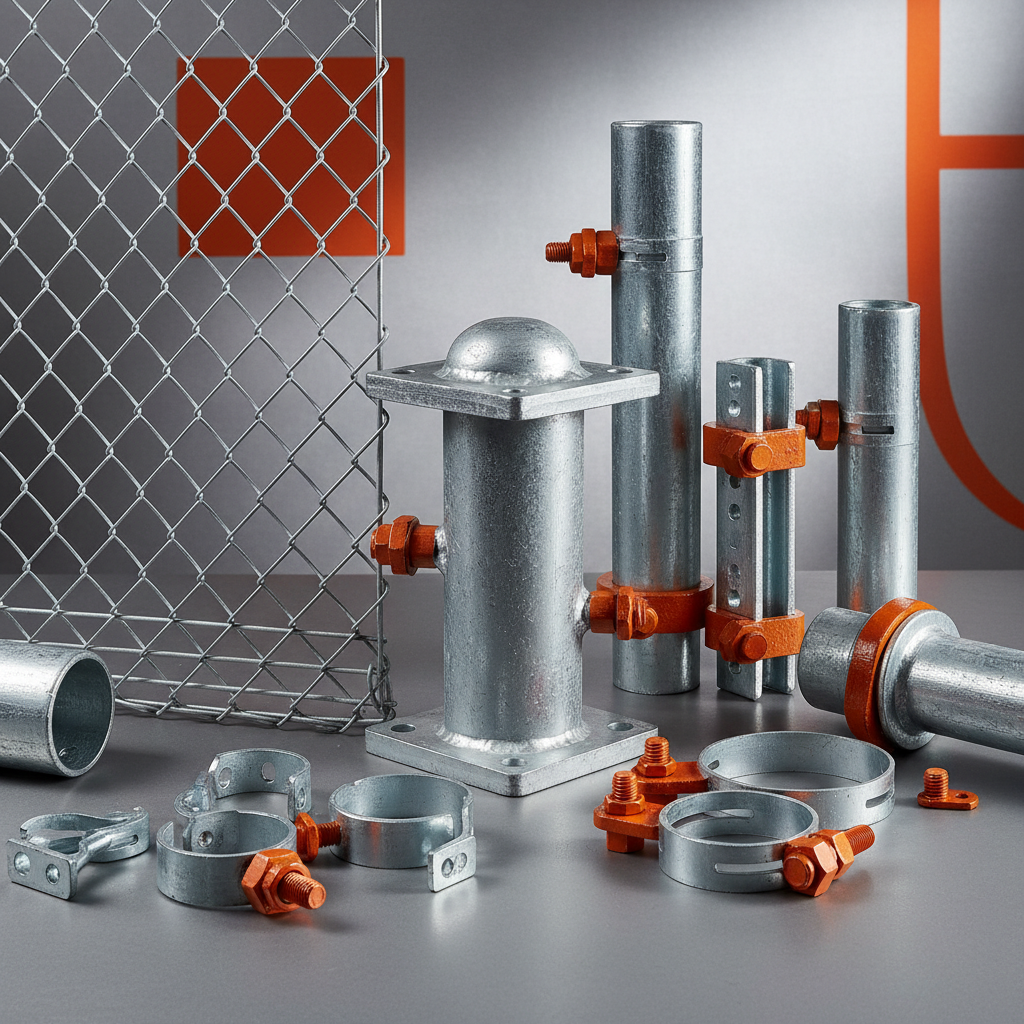
The hardware is important too. Stainless steel screws are a must, especially near the coast. Galvanized steel is okay for interior fences, but it will rust eventually. And the concrete mix for the posts…don't cheap out on that either. You want something that sets quickly and doesn’t crack. I once used a batch that smelled like rotten eggs. Never again.
Real-World Testing of garden fence supplier
Testing? Forget the lab. I test fences on-site. Give it a good shove. See if it wobbles. Try to bend a picket. If it snaps easily, it's no good. I've had fences get hit by trucks (don’t ask), battered by hurricanes, and even used as makeshift barricades during protests. That’s real-world testing.
We also do what we call a “dog test.” If a large dog can’t get through it or under it, it’s probably pretty secure. It’s a surprisingly effective metric. And honestly, the guys on the crew, they're the best testers. They'll find the weak points. They always do.
garden fence supplier Performance Rating (1-10)
How Customers Actually Use garden fence supplier
People don’t just want fences to keep things in. They want privacy. They want security. They want to create an outdoor space that feels like an extension of their home. A lot of times, they’re also trying to keep their dogs from escaping. Seriously, the number of escaped dogs I’ve seen because of a poorly built fence is astonishing.
And it's not always about aesthetics. Sometimes, it's purely functional. Like that farmer I worked with last year who needed a fence to keep his goats from eating his wife's prize-winning roses. He didn't care what it looked like, as long as it kept those goats away.
Advantages and Disadvantages of garden fence supplier
Okay, let’s be real. Composite fencing? Looks good, low maintenance, but it's expensive. And if it gets damaged, it’s a pain to repair. You can’t just patch it up with a piece of wood. You gotta replace the whole section. Wood? Affordable, easy to work with, but high maintenance. Aluminum? Low maintenance, strong, but it looks…industrial.
Anyway, I think the biggest advantage of any fence is peace of mind. Knowing your property is secure, your kids are safe, and your dog isn’t wandering down the street. But the biggest disadvantage is always the cost. It adds up fast. And labor...don't even get me started on labor costs.
It's always a trade-off. You get what you pay for, usually. But sometimes, you get ripped off. That’s just the way it is.
Customization Options for garden fence supplier
People always want something different. Last month, that small boss in Shenzhen who makes smart home devices insisted on changing the interface to . A fence! He wanted a shaped cutout in the top rail. Said it was "branding." It was a nightmare to build, and frankly, it looked ridiculous. But hey, he was paying.
We do a lot of custom heights and widths, of course. Different picket styles. Adding gates. We can even do decorative caps or finials. We once built a fence with built-in planters. That was a fun one.
But honestly, most people just want a standard fence, but in a specific color. That's usually the biggest customization request.
Summary of Common garden fence supplier Customization Parameters
| Customization Type |
Difficulty Level (1-5) |
Cost Impact (Low/Medium/High) |
Typical Lead Time (Days) |
| Height Adjustment |
1 |
Low |
2 |
| Picket Style Change |
2 |
Medium |
5 |
| Gate Addition/Modification |
3 |
Medium |
7 |
| Custom Color Coating |
2 |
Medium |
10 |
| Decorative Caps/Finials |
3 |
High |
14 |
| Integrated Planter Boxes |
5 |
High |
21 |
FAQS
It really depends on the quality of the composite, but you're generally looking at 25-30 years, maybe more. The biggest factor is UV exposure. The sun breaks down the plastic over time, making it brittle. Good composites have UV inhibitors, but they don’t last forever. Still, it's way longer than a wood fence. And honestly, most people move before their fence ever needs replacing.
That's a good question. Older pressure-treated wood used to contain arsenic, which was a concern. But modern pressure treatment uses copper-based preservatives, which are considered much safer. Still, it’s best to avoid direct contact between the treated wood and edible plants. Use a liner or create some distance. It’s just common sense.
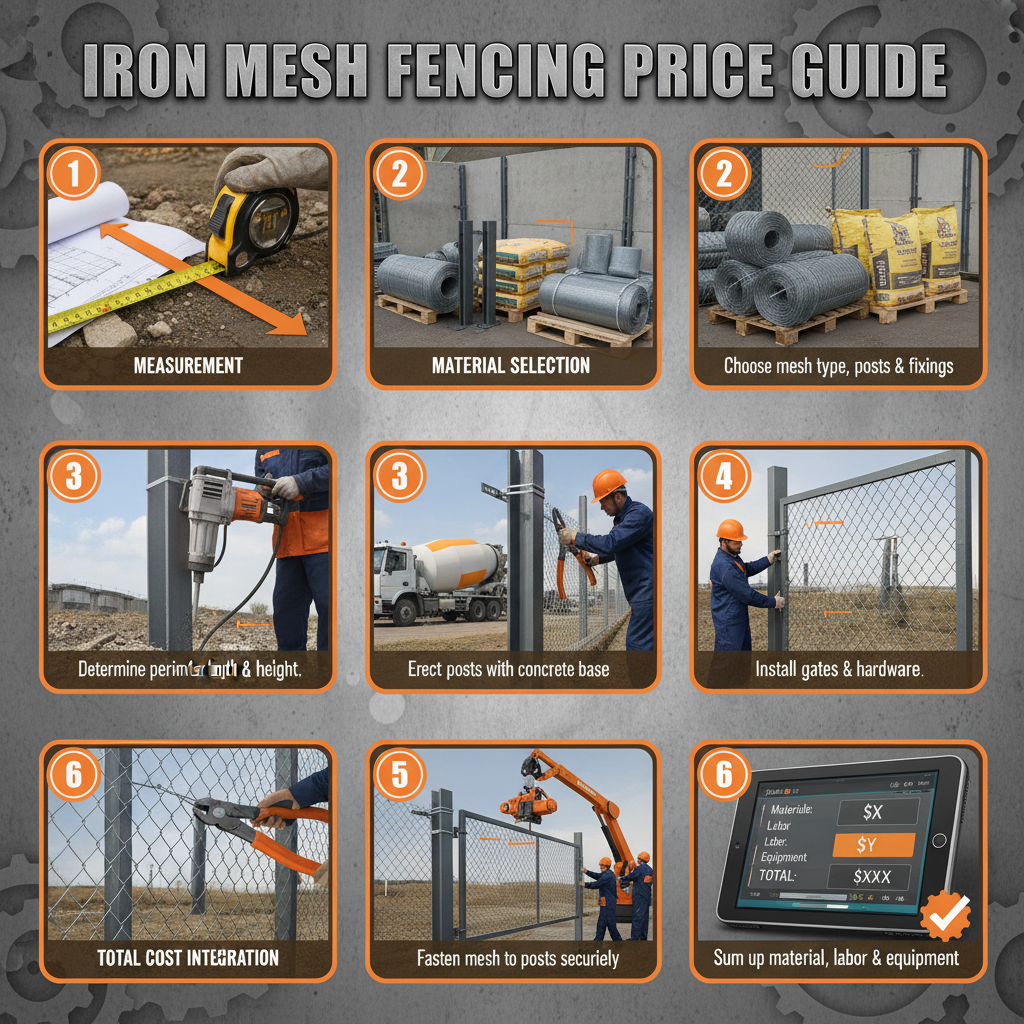
That varies wildly! Pressure-treated pine is going to be the cheapest, maybe $15-$25 per foot installed. Cedar is more like $30-$40. Composite can easily be $40-$60 or more, depending on the style and quality. Aluminum is usually in the $50-$75 range. And labor costs will add significantly to that. Get multiple quotes!
Proper drainage is key. Make sure the area around the posts isn't constantly wet. Use concrete to set the posts, and make sure the concrete slopes away from the post to allow water to run off. You can also wrap the part of the post that's buried in a protective membrane. And use pressure-treated posts, obviously.
Sometimes. Small scratches and scuffs can often be sanded out. But if a panel is cracked or broken, it’s usually best to replace it. Trying to patch it up is usually a waste of time. The color won’t match, and it won’t be as strong. You're better off just getting a new panel. It is a pain, though.
Building codes vary significantly depending on your location. Some areas have height restrictions, setback requirements, or require permits for fence installation. It's crucial to check with your local building department before starting any work. Trust me, you don't want to get a violation notice.
Conclusion
So, there you have it. Garden fence supplier isn’t exactly rocket science, but it’s not as simple as it looks either. It’s about understanding the materials, knowing the pitfalls, and being realistic about your expectations. A good fence can add value to your property, provide security and privacy, and create a more enjoyable outdoor space. But a poorly built fence is just a headache waiting to happen.
Ultimately, whether this thing works or not, the worker will know the moment he tightens the screw. Visit our website for all your fencing needs: hardwareinstore.com