Garden gate manufacturers play a crucial role in enhancing property aesthetics, security, and privacy. Globally, the demand for high-quality garden gates is steadily increasing, driven by rising disposable incomes, urbanization, and a growing emphasis on home improvement. These manufacturers are not simply suppliers of metal or wood; they are providers of security solutions, design elements, and a sense of welcoming to properties worldwide. This industry directly impacts construction, landscaping, and the broader retail sector.
The significance of garden gate manufacturers extends beyond residential use, finding applications in commercial properties, parks, and agricultural settings. The industry is evolving, with a growing focus on sustainable materials, smart gate technology, and customization options. This evolution is responding to consumer demand for environmentally friendly products and increased security features. The market size is substantial, with significant growth anticipated in emerging economies.
Understanding the intricacies of garden gate manufacturing – from material selection and design considerations to installation and maintenance – is paramount for homeowners, contractors, and industry professionals alike. A nuanced grasp of these aspects allows for informed decision-making, ensuring optimal functionality, longevity, and aesthetic appeal. Furthermore, recognizing the trends shaping the industry prepares stakeholders for future innovations and market shifts.
The Importance of Garden Gate Manufacturers
Garden gate manufacturers are essential contributors to the construction and landscaping industries. They provide a vital link between design intent and practical implementation, creating secure and aesthetically pleasing access points to properties. The quality of their workmanship directly impacts the overall value and appeal of a home or commercial space. garden gate manufacturers need to focus on both design and security features.
Beyond the functional aspects, these manufacturers are instrumental in shaping the character and ambiance of outdoor spaces. They offer a wide range of styles, materials, and finishes, allowing homeowners and designers to create gates that complement their architectural vision. Innovation in materials and manufacturing processes allows garden gate manufacturers to offer durable and attractive solutions for a diverse range of needs.
Defining Garden Gate Manufacturers
Garden gate manufacturers are businesses specializing in the design, fabrication, and distribution of gates intended for residential, commercial, or agricultural properties. These manufacturers utilize a variety of materials – including wood, metal (steel, aluminum, wrought iron), vinyl, and composite materials – to create gates of varying sizes, styles, and levels of security. Their offerings often include custom designs tailored to specific client requirements.
These companies frequently work in conjunction with landscaping professionals, construction companies, and directly with consumers. Modern garden gate manufacturers are increasingly incorporating smart technology into their products, offering features like automated opening/closing, remote access control, and integrated security systems. This ties them into the broader "smart home" market.
The connection to modern industry is significant. Garden gate manufacturers are responsive to evolving design trends, environmental concerns, and technological advancements. Their ability to adapt and innovate determines their success in a competitive market. The industry also impacts employment, providing skilled labor opportunities in fabrication, design, and installation.
Core Components of Garden Gate Production
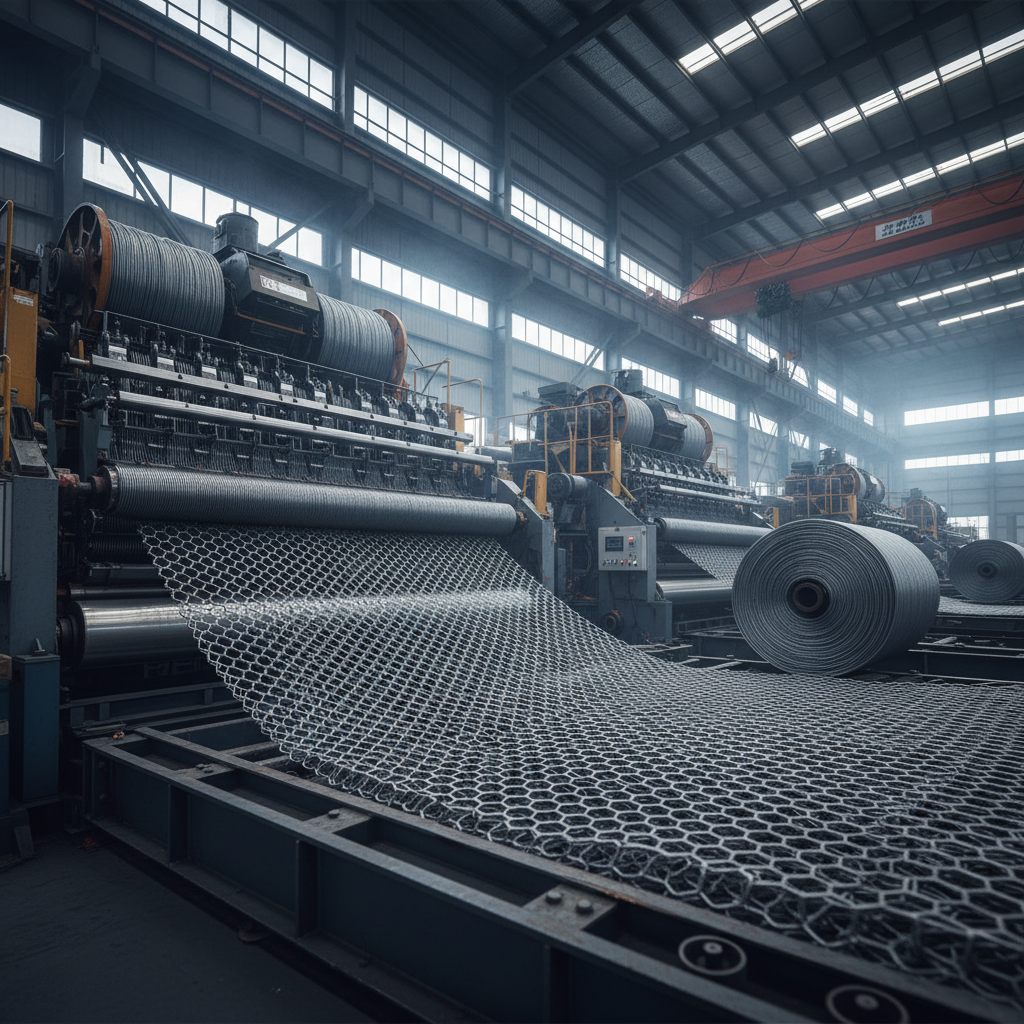
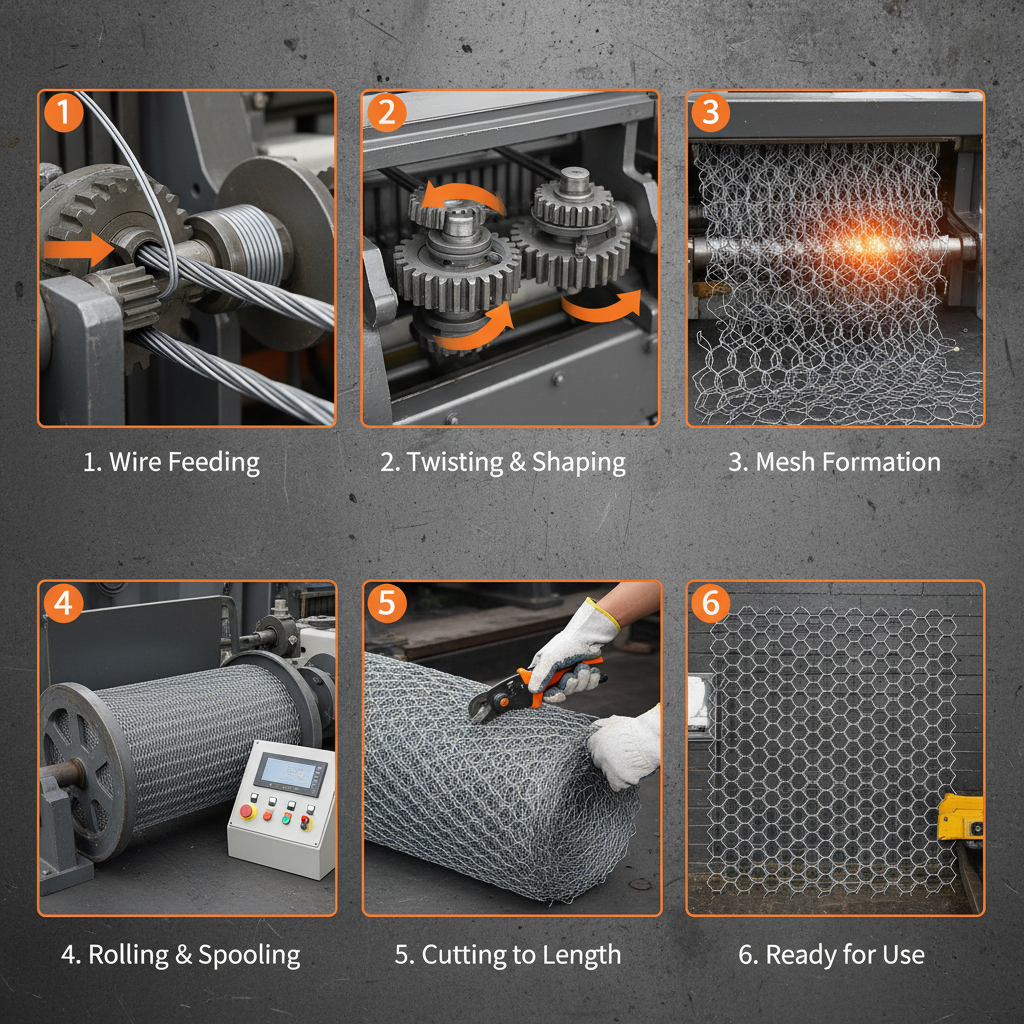
The production of a quality garden gate involves several core components. Material selection is paramount, dictating the gate’s durability, appearance, and resistance to weather conditions. Skilled craftsmanship is essential for precise fabrication and assembly, ensuring structural integrity and smooth operation. garden gate manufacturers also heavily rely on efficient supply chains.
Another key component is surface treatment, which includes processes like painting, powder coating, or galvanization to protect the gate from corrosion and enhance its aesthetic appeal. Quality control measures are critical throughout the manufacturing process, ensuring adherence to industry standards and customer specifications. Finally, efficient logistics and delivery systems are essential to get the finished product to the customer on time and in perfect condition.
Effective garden gate manufacturers prioritize all these elements, creating a seamless and efficient production process. These manufacturers also invest in research and development to improve their processes and incorporate new materials and technologies.
Key Factors Influencing Gate Quality
Several key factors determine the overall quality of a garden gate. Durability is a primary concern, influenced by the materials used, the quality of fabrication, and the protective coatings applied. A gate should withstand exposure to the elements, resist warping or rusting, and maintain its structural integrity over time.
Security is another crucial factor. The gate’s locking mechanism, hinges, and overall construction should provide effective deterrent against unauthorized access. Design aesthetics also contribute significantly to quality; a well-designed gate should complement the property's architecture and enhance its curb appeal.
Garden Gate Quality Assessment – Key Metrics
Applications of Garden Gates Globally
Garden gates find widespread application across diverse regions and industries. In residential settings, they provide security, privacy, and aesthetic enhancement in countries worldwide, from the United States and Canada to the United Kingdom and Australia. In Europe, ornate wrought iron gates are prevalent, reflecting historical architectural styles.
Commercially, garden gate manufacturers serve businesses such as hotels, resorts, and parks, supplying gates for perimeter security and access control. In agricultural settings, gates are used to secure livestock and control access to fields and properties. garden gate manufacturers are adapting products to regional needs.
Advantages of Quality Garden Gate Manufacturing
Investing in quality garden gate manufacturing offers several tangible advantages. Increased security provides peace of mind and protection against unauthorized access. Enhanced property value arises from improved aesthetics and curb appeal. Extended lifespan reduces the need for frequent replacements, saving money in the long run.
Furthermore, using durable and sustainable materials minimizes environmental impact. The emotional benefits include a sense of pride in ownership and a welcoming atmosphere. Quality garden gates create a lasting positive impression.
Reliability in operation – smooth opening and closing, secure locking mechanisms – contributes to convenience and ease of use. Ultimately, choosing quality garden gate manufacturing is an investment in long-term security, aesthetics, and value.
Future Trends in Garden Gate Manufacturing
The future of garden gate manufacturing is poised for significant innovation. We can expect to see greater adoption of smart gate technology, including remote access control, video intercoms, and integration with home automation systems. Sustainable materials, such as recycled plastics and responsibly sourced wood, will become increasingly popular.
Automation in manufacturing processes will enhance efficiency and precision. Customization options will expand, allowing customers to design gates tailored to their specific needs and preferences. The development of self-healing coatings and advanced corrosion resistance technologies will further improve gate durability.
Digital transformation – using data analytics to optimize production and predict maintenance needs – will become more prevalent. This means garden gate manufacturers will be more effective at predicting demand and optimizing their supply chain.
Summary of Key Future Trends in Garden Gate Manufacturing
| Trend Category |
Description |
Impact on Manufacturers |
Projected Adoption Rate (1-10) |
| Smart Gate Integration |
Incorporation of automated locking, remote access, and smart home connectivity. |
Requires investment in software development and integration expertise. |
8 |
| Sustainable Materials |
Utilization of recycled plastics, responsibly sourced wood, and eco-friendly coatings. |
Requires sourcing from reliable and certified suppliers. |
7 |
| Automated Manufacturing |
Implementation of robotic assembly lines and automated quality control systems. |
Requires significant capital investment and workforce training. |
6 |
| Customization Platforms |
Online tools allowing customers to design and order customized gates. |
Requires development of user-friendly design interfaces and flexible production capabilities. |
9 |
| Advanced Coatings |
Development of self-healing and corrosion-resistant coatings for increased durability. |
Requires investment in materials science research and development. |
5 |
| Digital Supply Chains |
Using analytics to predict demand, optimize inventory, and streamline logistics. |
Requires data integration and investment in predictive analytics software. |
7 |
FAQS
For long-lasting durability, wrought iron and aluminum are excellent choices. Wrought iron provides exceptional strength and resistance to forced entry, while aluminum is lightweight, rust-resistant, and requires minimal maintenance. Properly treated hardwoods can also be durable, but require regular sealing and upkeep to prevent weathering and rot.
The cost of custom garden gates varies widely based on size, materials, design complexity, and hardware selection. A simple wrought iron gate might start around $500, while an elaborate custom design with intricate detailing and automated features could easily exceed $5,000. Obtaining quotes from multiple garden gate manufacturers is recommended.
A well-maintained garden gate, particularly one made from durable materials like wrought iron or aluminum, can last for 20-50 years or even longer. Regular maintenance, including cleaning, painting or coating, and lubrication of hinges, is crucial for maximizing its lifespan. Wood gates typically have a shorter lifespan, around 10-20 years, depending on the wood type and climate.
Essential security features include a robust locking mechanism (deadbolt or padlock), sturdy hinges that are difficult to tamper with, and a gate design that discourages climbing. Consider adding security lighting and a video intercom system for enhanced protection. A gate height of at least 6 feet is also recommended for optimal security.
Yes, increasingly, eco-friendly options are available. These include gates made from recycled materials, sustainably sourced wood certified by organizations like the Forest Stewardship Council (FSC), and aluminum, which is highly recyclable. Powder coating finishes are also more environmentally friendly than traditional paint.
Wrought iron gates require regular maintenance to prevent rust. This includes annual cleaning to remove dirt and debris, followed by the application of a rust-inhibiting primer and a protective paint or coating. Lubricating the hinges periodically will ensure smooth operation and prevent squeaking. Inspecting for any signs of corrosion and addressing them promptly is also important.
Conclusion
In conclusion, garden gate manufacturers play a vital role in enhancing the security, aesthetics, and functionality of properties worldwide. Their commitment to quality materials, innovative designs, and sustainable practices is shaping the future of the industry. Understanding the core components of garden gate production, the key factors influencing quality, and emerging trends empowers consumers and professionals alike to make informed decisions.
Looking ahead, continued advancements in smart technology, materials science, and manufacturing processes will drive further innovation in garden gate design and functionality. By embracing these advancements and prioritizing sustainability, garden gate manufacturers can contribute to a more secure, beautiful, and environmentally responsible future. Visit our website today to explore our range of garden gates: www.hardwareinstore.com