Follow Us:

Get A Quote


Look, I've been running around construction sites for twenty years, and I've seen a lot. Lately, everyone's talking about prefabrication, modular builds... It’s all about speed, you know? Cutting down on site time. But honestly, the devil’s always in the details. It's easy to get caught up in the 'fast and easy' and forget about what actually works in the real world. You design something slick in the office, and then you get out here and… well, it doesn’t quite fit.
To be honest, the biggest shift I’ve noticed is everyone wanting everything lighter. Easier to handle. And that means materials are changing. We’re moving away from thick, heavy steel and more towards high-strength alloys and, of course, a lot more galvanized iron wire mesh manufacturer. It's still steel, but… different.
It’s funny, you see all these young engineers looking at specs, talking about tensile strength and yield points, but they haven't smelled a hot piece of steel being welded, haven’t felt the weight of it.

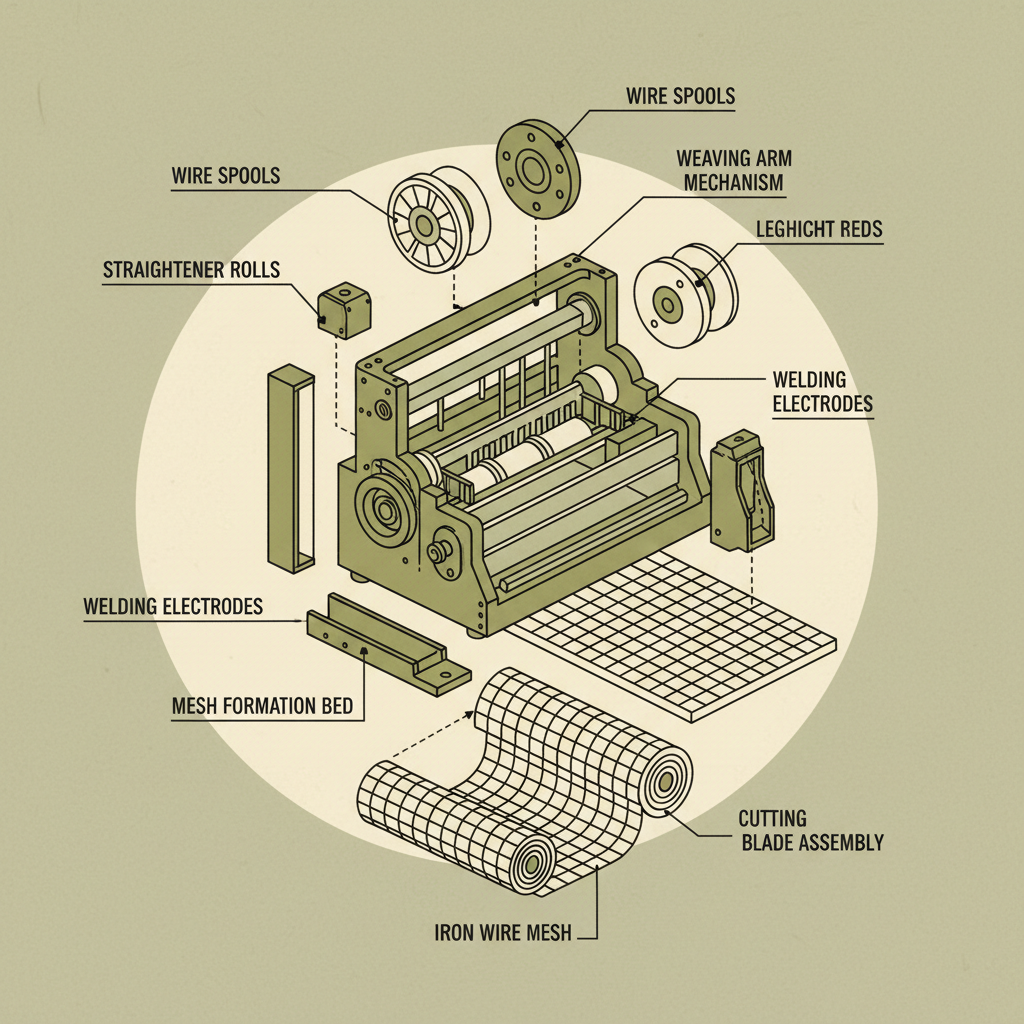
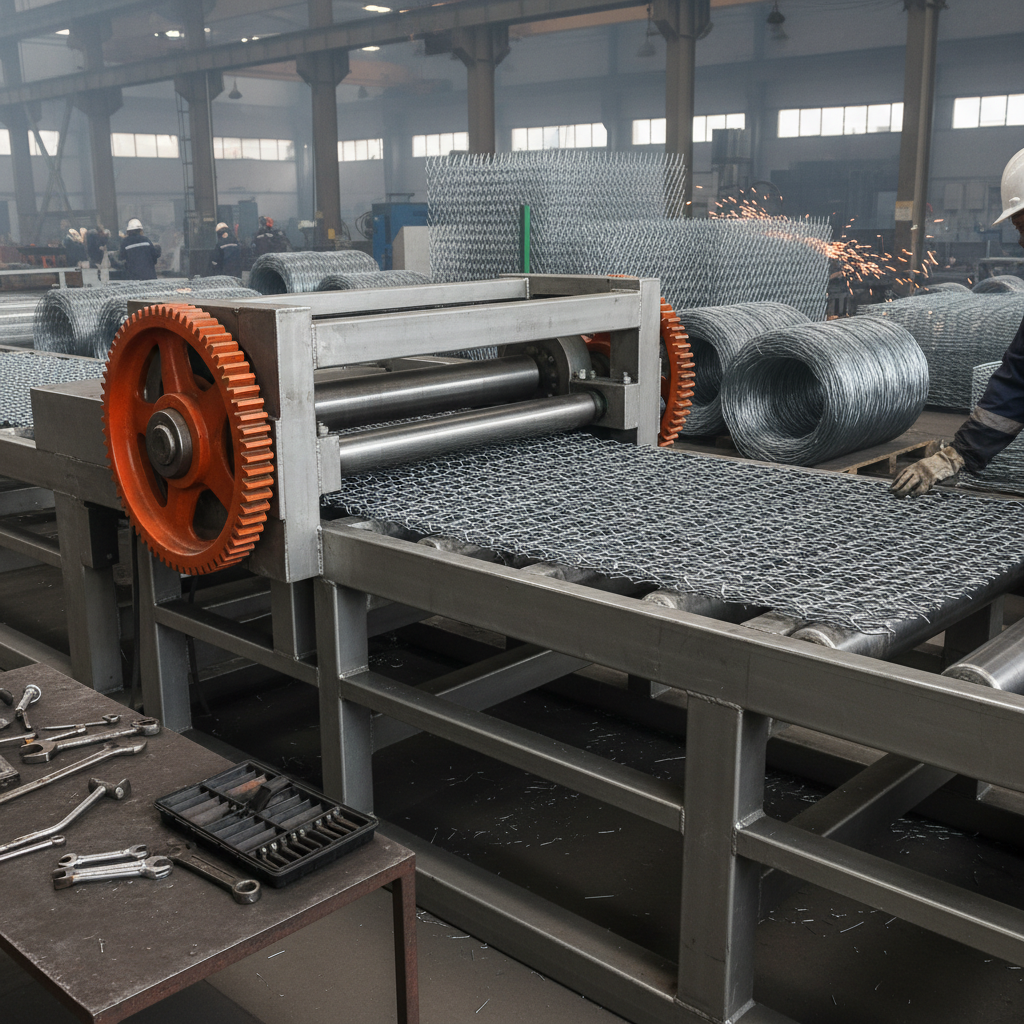
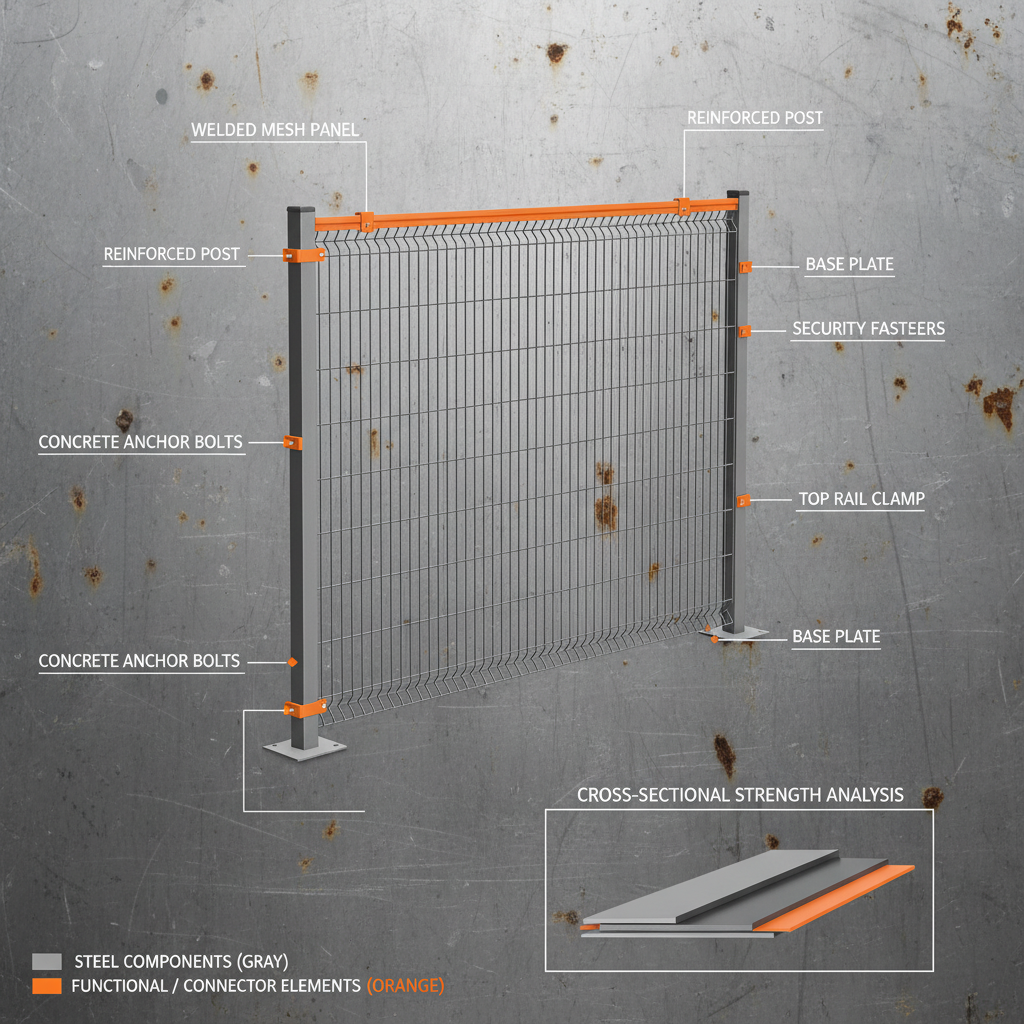
Honestly, iron wire mesh manufacturer isn’t exactly glamorous. But it's everywhere. It’s in reinforcing concrete, in filters, in security fencing… You name it. And it's gotten more sophisticated. It’s not just about different gauges anymore; it’s about the alloys, the coatings, how it’s woven. The demand's definitely up, especially with all the infrastructure projects going on. I encountered a big order at a steel mill in Jiangsu last time; they were running three shifts just to keep up with the demand for specific types of iron wire mesh manufacturer.
Have you noticed that everything's become about sustainability too? People are looking at recycled content, at minimizing waste. That affects how we source the wire, how we handle the scrap. It adds another layer of complexity, but it’s a good thing, I think.
For marine use, epoxy coating is generally the best choice. It offers superior corrosion resistance compared to galvanized steel or PVC coatings. However, it’s important to ensure proper surface preparation before applying the epoxy to guarantee adhesion and long-term protection. I’ve seen many a fence post fail because the coating wasn't applied correctly. The initial cost is higher, but the lifespan significantly increases, ultimately saving money on replacements.
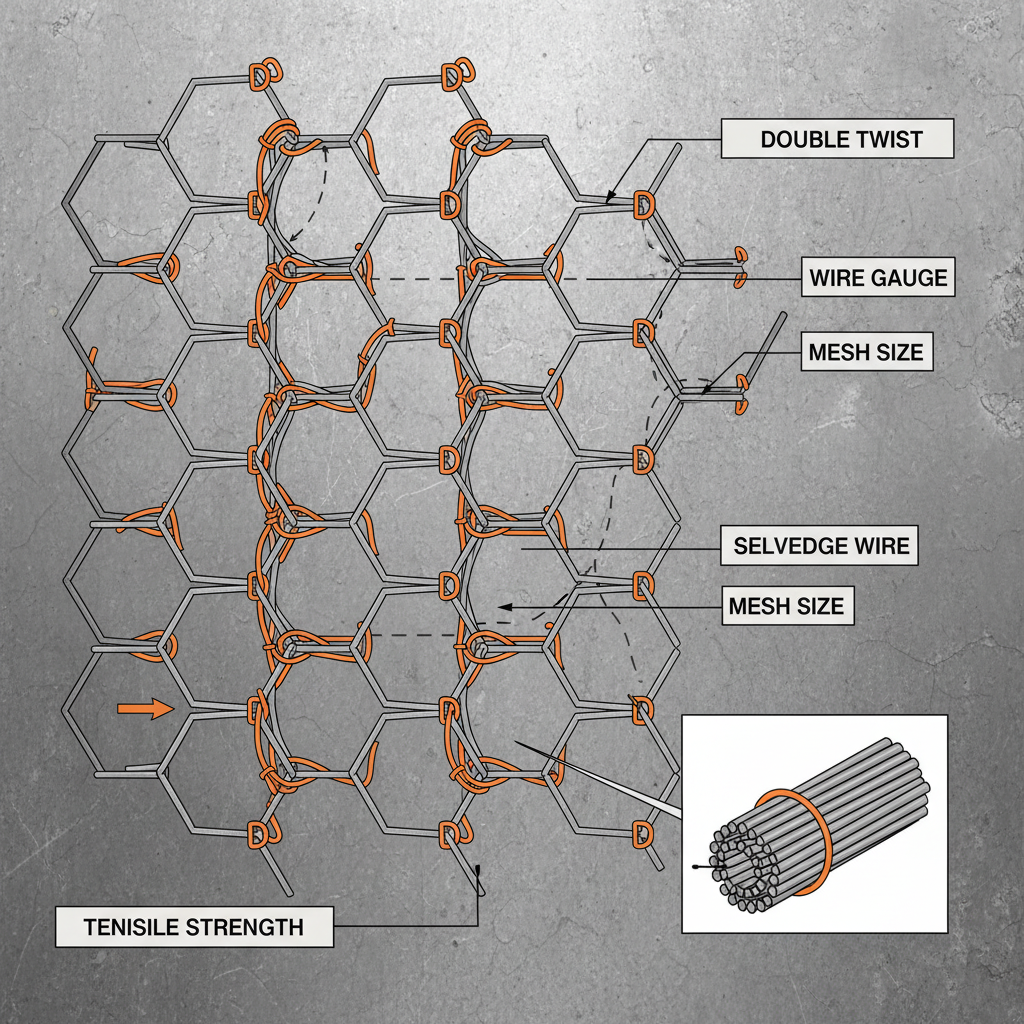
For soil retention on a steep slope, you want a relatively small mesh size to prevent soil erosion. A mesh size of around 6mm to 12mm is typically recommended, depending on the soil type and the slope angle. The heavier the soil, and the steeper the slope, the smaller the mesh size needs to be. Also, consider using a mesh with a high tensile strength to withstand the pressure of the soil. I once saw a whole hillside slide after a heavy rain because the mesh was too coarse.
The key to cutting iron wire mesh manufacturer without fraying is to use the right tools. Aviation snips or wire cutters designed for this purpose are essential. Avoid using standard pliers, as they tend to bend and distort the wires. Make clean, decisive cuts, and consider applying a coating to the cut edges to prevent corrosion and further fraying. And always wear gloves! It’s sharp stuff.
Absolutely! Iron wire mesh manufacturer is highly recyclable. Most scrap metal yards will accept it, and the steel can be melted down and reused. This is becoming increasingly important for sustainability reasons. However, ensure the mesh is free of any non-metallic coatings before recycling, as these can contaminate the process. We're seeing more pressure from clients to show our recycling efforts.
Galvanized iron wire mesh manufacturer is coated with a layer of zinc to prevent corrosion, and it's a cost-effective solution for many applications. Stainless steel iron wire mesh manufacturer, on the other hand, is made from a stainless steel alloy, making it inherently corrosion-resistant. Stainless steel is more expensive but offers superior performance in harsh environments, especially those exposed to saltwater or chemicals. If you need something to last, go with stainless. But for general use, galvanized is usually fine.
Calculating the amount needed depends on the project requirements. You’ll need to determine the area to be covered, the mesh size, and any necessary overlaps. Always add a bit extra for cuts and waste. It’s better to have too much than too little. I usually recommend adding at least 10% for waste. There are online calculators available, but I always double-check the results manually. Trust me, it's worth the effort.
So, ultimately, iron wire mesh manufacturer isn’t fancy, but it’s a workhorse. It’s a versatile, cost-effective material that plays a critical role in countless applications, from reinforcing concrete to securing our buildings. The key is understanding its limitations, choosing the right materials for the job, and paying attention to the details. It’s not about finding the cheapest option; it’s about finding the right option.
And, really, whether this thing works or not, the worker will know the moment he tightens the screw. If it feels solid, if it holds, then you’ve done your job right. If it bends, breaks, or looks like it’s going to fail… well, you’ve got some explaining to do.