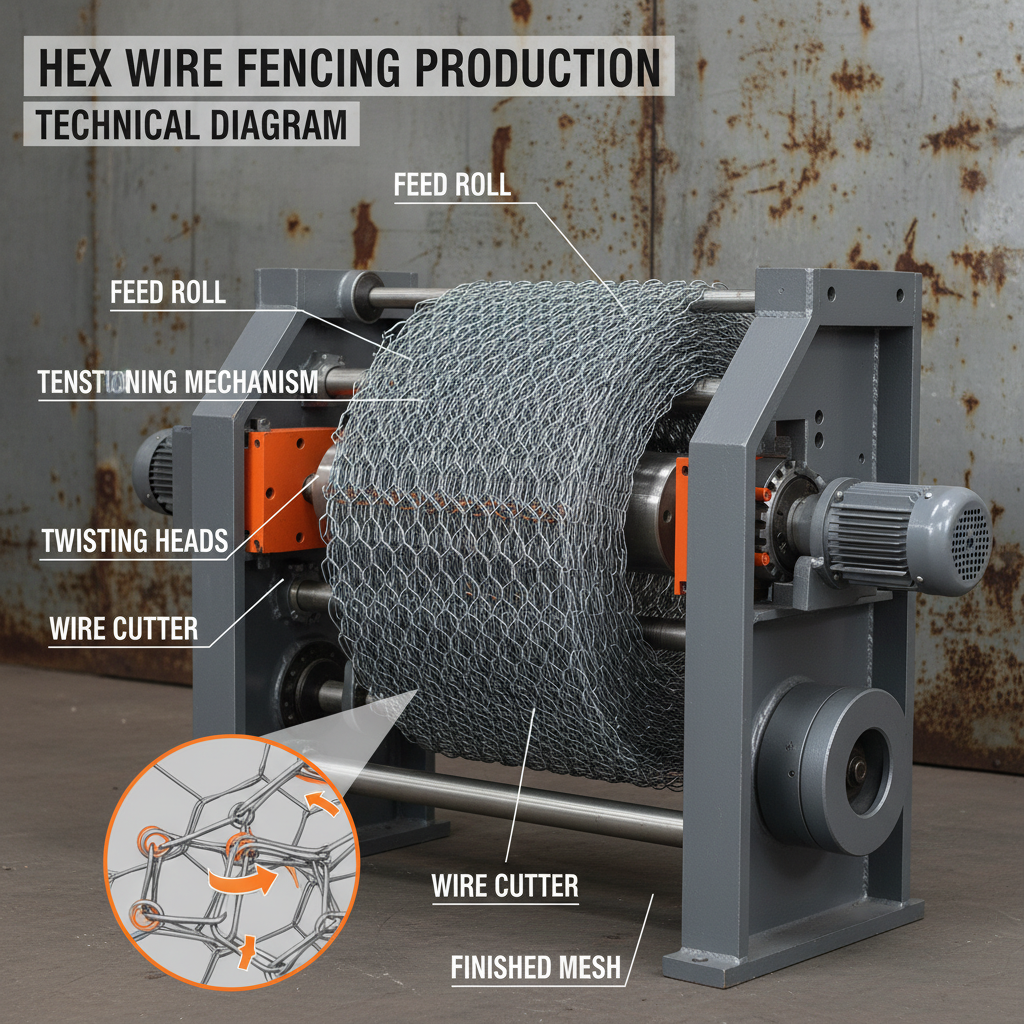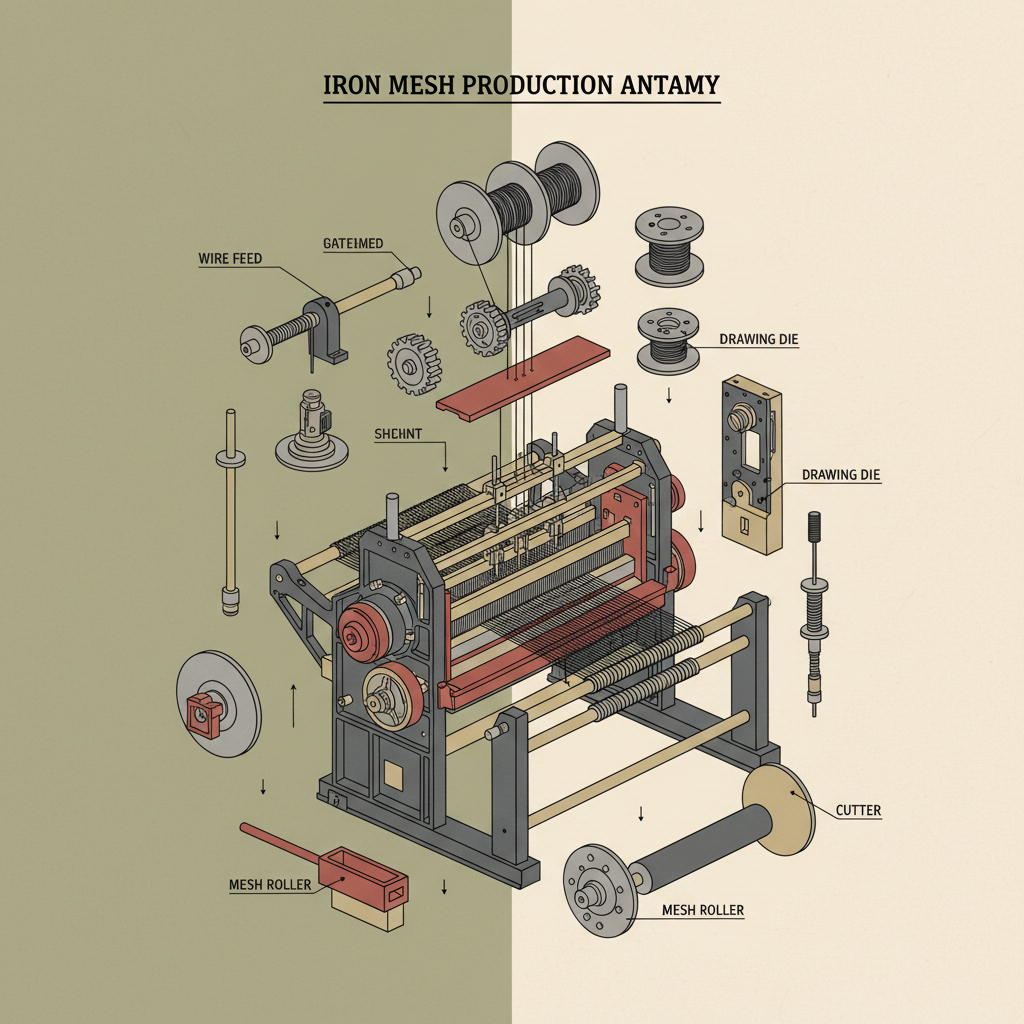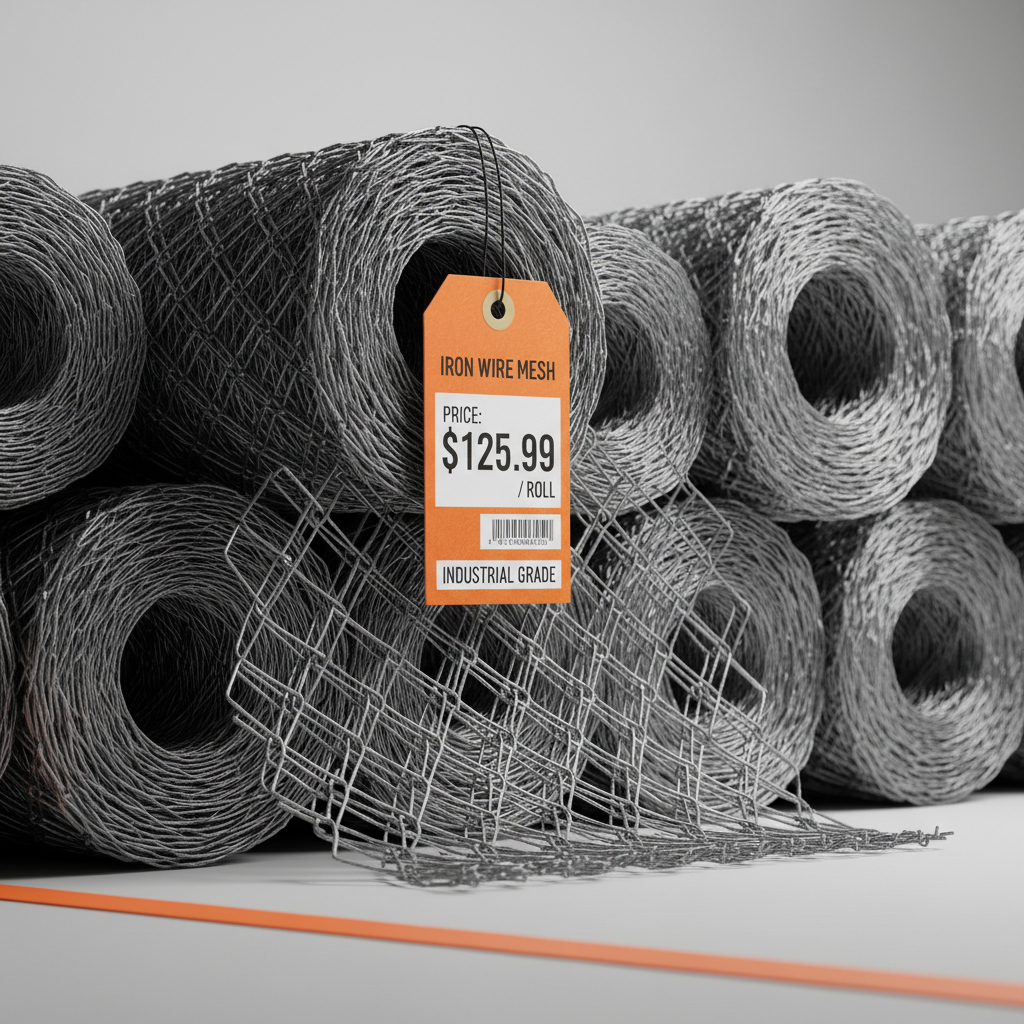
You know, it’s been a crazy year. Everyone’s talking about prefabrication now, right? Modular stuff, shipping container homes... it’s all the rage. To be honest, it’s about time. Labor’s getting harder to find, costs are going through the roof. Folks are realizing building everything on-site is… well, it’s just inefficient. But it's not as simple as everyone thinks.
I’ve seen a lot of these “innovative” designs. Have you noticed how many of them completely ignore the realities of an actual construction site? They draw these beautiful renderings, all clean lines and perfect angles. But then you get there and realize there's no way a standard crane can lift that thing, or the access points are impossible to reach. It always comes down to practicality. Always.
We deal with a lot of iron mesh manufacturers. Seriously, a ton. It’s a surprisingly nuanced world. It’s not just “steel wire woven together.” It's the grade of steel, the welding technique, the coating…even the smell can tell you something. Good mesh smells… clean, almost metallic. Cheap mesh smells… well, it smells like it's going to rust before you even unroll it. And don’t even get me started on handling it. Some of the cheaper stuff feels like it'll unravel just looking at it.
Look, demand’s going up, plain and simple. It’s not just construction anymore. We're seeing it in security fencing, animal enclosures, even landscaping. Part of it is the increased focus on security, part of it is the price of alternatives like wrought iron. Iron mesh manufacturers are scrambling to keep up. I encountered a situation at a factory last time where they were six weeks behind on orders. Six weeks!
And it’s global, too. I was talking to a supplier who ships a lot to Southeast Asia, and they’re building everything with it – reinforcing concrete, protecting infrastructure… It's a versatile material, really. Surprisingly so.
Strangely enough, a lot of engineers underestimate the load-bearing capacity. They'll spec a mesh that looks like it should work, but doesn’t account for things like wind load or seismic activity. Then you end up with… well, you end up with problems. And the problems are expensive. I saw a whole section of fencing collapse last year because someone skimped on the gauge of the mesh.
Another thing – corrosion. People think a galvanized coating is enough. It’s not, not in coastal areas or industrial environments. You need to consider the specific environment and choose a coating that's appropriate. Powder coating is good, but it's expensive. PVC coating is cheaper, but it’s not as durable.
And honestly, the biggest mistake I see is ignoring installation. You can have the best mesh in the world, but if it's not installed correctly, it's useless. Proper tensioning, secure fastening... it all matters.
It’s not all just carbon steel, you know? There’s stainless steel, of course – expensive, but worth it for corrosion resistance. Then you have galvanized steel, which is a good compromise. But the type of galvanization matters too. Hot-dip galvanizing is way better than electrogalvanizing, but it’s also more expensive. You can tell the difference by looking at the surface – hot-dip has a thicker, more crystalline coating.
And then there are the alloys. Some iron mesh manufacturers are starting to use alloys with added chromium or nickel to improve strength and corrosion resistance. It's a step up, but it comes at a price. I was talking to a material scientist about this last week, and he was saying that finding the right balance between cost and performance is the biggest challenge.
Don't underestimate the wire diameter either. A seemingly small increase can significantly impact the mesh’s strength. Plus, the weave pattern – hexagonal, square, rectangular – affects its properties. You really need to understand the application to choose the right one.
Forget the lab tests. I'm talking about real-world testing. We send our mesh out to job sites and have it put through the paces. We’ve had it used as temporary barriers on highways, as reinforcement in concrete slabs, even as security fencing around construction sites. That's where you find out what it can really handle.
We also do pull tests, shear tests, and corrosion resistance tests. But those are just a starting point. We need to see how it performs over time, in different climates, under different loads. That’s the only way to be sure.
It’s not always what you expect. I saw a landscaping company using it to create vertical gardens. Apparently, it's a great support structure for climbing plants. Who knew? And we've had a few requests for custom-shaped mesh panels for architectural features. It’s surprisingly versatile when people start thinking outside the box.
A lot of it still goes into construction, of course. Reinforcing concrete, creating safety barriers, protecting equipment. But even there, the applications are evolving. People are using it more and more for temporary structures, like scaffolding and hoardings.
Okay, the advantages are pretty clear: it’s strong, relatively inexpensive, and versatile. It’s also easy to work with. You can cut it, bend it, weld it… It's a fabricator’s dream. But it’s not perfect. It rusts, if you don’t protect it. It can be sharp, if the edges aren’t finished properly. And it's heavy. Really heavy.
Honestly, the biggest disadvantage is the lack of standardization. Every manufacturer seems to have their own slightly different specs. It makes it hard to compare products and ensure consistency. And that can lead to problems on the job site.
We do a lot of custom work. People need specific sizes, shapes, coatings... Last month, that small boss in Shenzhen who makes smart home devices insisted on changing the interface to , and the result was a three-week delay because nobody had the tooling to work with it. Anyway, I think customization is key.
We've done everything from creating custom mesh panels for security screens to fabricating specialized cages for transporting sensitive equipment. You name it, we've probably built it. It's challenging, but it's also rewarding.
| Application Type | Corrosion Environment | Load Requirements | Cost Sensitivity |
|---|---|---|---|
| Security Fencing | Coastal, High Salt | Medium | Moderate |
| Concrete Reinforcement | Interior, Low Humidity | High | Low |
| Animal Enclosure | Outdoor, Variable | Medium | Moderate |
| Landscaping Support | Exterior, Mild | Low | High |
| Industrial Screening | Chemical Exposure | Medium | Moderate |
| Temporary Barriers | Variable | Low | Low |
Honestly, galvanized mesh will rust eventually, especially in harsh environments. The best approach is regular inspection and maintenance. You can apply a clear coat sealant, but that needs to be reapplied periodically. For long-term protection, consider powder coating or using stainless steel mesh. It's more expensive upfront, but it saves headaches down the road.
That depends on the soil type and the steepness of the slope. You want a mesh size small enough to prevent soil erosion, but large enough to allow for drainage. Generally, a 6-inch hexagonal mesh is a good starting point for most applications. But it's always best to consult with a geotechnical engineer for specific recommendations. Seriously, don't just guess on that one.
Welding galvanized mesh releases zinc fumes, which are toxic. You need proper ventilation and respiratory protection. It's generally not recommended, but if you absolutely have to weld it, use a low-heat welding process and wear a full-face respirator. Honestly, there are usually better alternatives, like mechanical fasteners.
Measure twice, cut once, right? Seriously, careful measurement is crucial. Account for overlaps and any necessary waste. Most suppliers have online calculators that can help, but double-check their calculations. And always order a little extra – you don't want to run short in the middle of a job.
Hot-dip galvanizing provides a much thicker and more durable coating than electrogalvanizing. It's more corrosion-resistant and lasts longer. Electrogalvanizing is cheaper, but it's not suitable for harsh environments. You can tell the difference by looking at the surface – hot-dip has a rougher, more crystalline appearance.
Absolutely! Iron mesh is highly recyclable. Scrap metal yards will typically accept it. It's a good practice to recycle old mesh to reduce waste and conserve resources. It’s one of the good things about using steel - it can be used again and again.
So, there you have it. Iron mesh is a surprisingly complex material, but it's also incredibly versatile and essential for a wide range of applications. Understanding the nuances of material selection, fabrication, and installation is key to ensuring a successful project. It’s about more than just picking the cheapest option. It’s about choosing the right tool for the job, and building something that will last.
Ultimately, whether this thing works or not, the worker will know the moment he tightens the screw. You can have all the fancy specs and certifications in the world, but if it doesn't feel right in the field, it's not going to work. That's the bottom line. And that's what keeps me coming back to the job site, day after day.