The global demand for sustainable infrastructure has brought the hexagonal gabion box to the forefront of civil engineering and erosion control. These versatile wire mesh containers, filled with stone, provide a flexible yet robust solution for stabilizing slopes, preventing soil loss, and managing water flow in challenging terrains. By blending structural integrity with natural materials, they offer a biologically compatible alternative to monolithic concrete walls.
From a technical perspective, the geometry of the hexagonal weave is not accidental; it allows the structure to deform slightly under pressure without losing its overall shape or integrity. This adaptability is critical in seismic zones or areas with shifting soil, where rigid structures often crack and fail. Understanding the engineering behind the hexagonal gabion box is essential for contractors and urban planners seeking to balance cost-efficiency with long-term environmental resilience.
As we move toward "green" construction standards, the importance of permeable systems cannot be overstated. The hexagonal gabion box facilitates natural drainage, reducing hydrostatic pressure and promoting the growth of local flora within its interstices. This comprehensive guide explores the technical specifications, global applications, and future innovations that make this wire mesh solution a staple in modern land management.
Global Industry Context of Hexagonal Gabion Boxes
Across the globe, the construction industry is facing a dual challenge: the need for rapid infrastructure deployment and the imperative of ecological preservation. According to reports from international development banks and ISO standards for geotechnical works, the shift toward permeable barriers has accelerated. The hexagonal gabion box has emerged as a primary tool in addressing riverbank erosion and landslide prevention in high-risk regions such as Southeast Asia and the Andean mountains.
The primary problem these systems solve is the failure of rigid concrete structures, which often cause "downstream" erosion by redirecting water flow too aggressively. By utilizing a flexible, porous mesh, the hexagonal gabion box absorbs the kinetic energy of rushing water and stabilizes the soil without completely sealing the earth, allowing for a more natural hydraulic balance.
Defining the Hexagonal Gabion Box and its Purpose
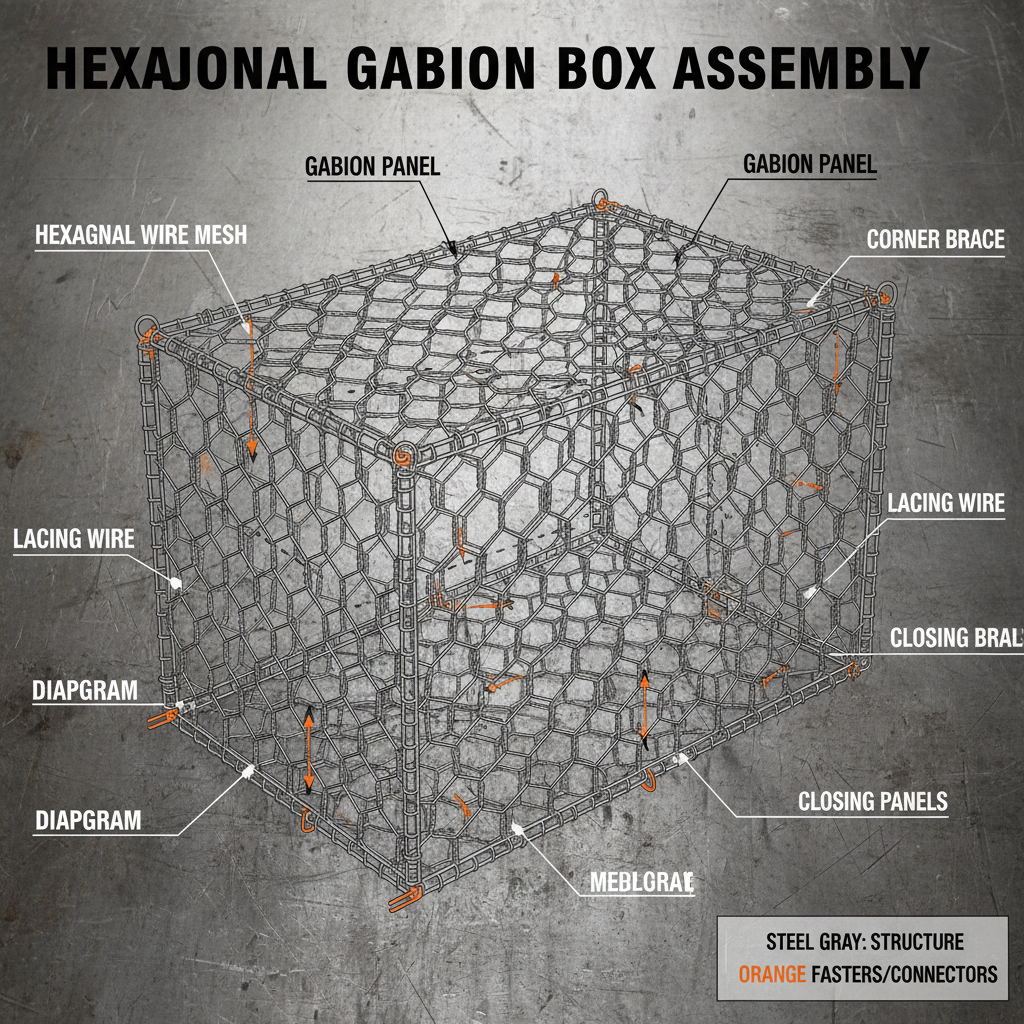
In simple terms, a hexagonal gabion box is a cage constructed from double-twisted hexagonal wire mesh, typically galvanized or PVC-coated, which is then filled with locally sourced stones or crushed rock. Unlike welded mesh, the double-twist design ensures that if a single wire is cut or broken, the surrounding mesh remains intact, preventing the unraveling of the entire structure.
The purpose of these boxes extends beyond simple containment. They serve as gravity-retaining walls that rely on their own mass to resist lateral earth pressure. In humanitarian contexts, such as post-disaster relief operations, these boxes are often deployed rapidly to stabilize roads and prevent further mudslides, providing a low-tech yet high-impact solution that can be installed by local labor with minimal heavy machinery.
Modern industry has refined the manufacturing of these boxes to ensure precise dimensions and high tensile strength. Whether used for architectural landscaping or heavy-duty river training, the hexagonal gabion box represents a marriage of traditional masonry and advanced metallurgy, creating a system that is as durable as it is flexible.
Core Technical Components and Durability Factors
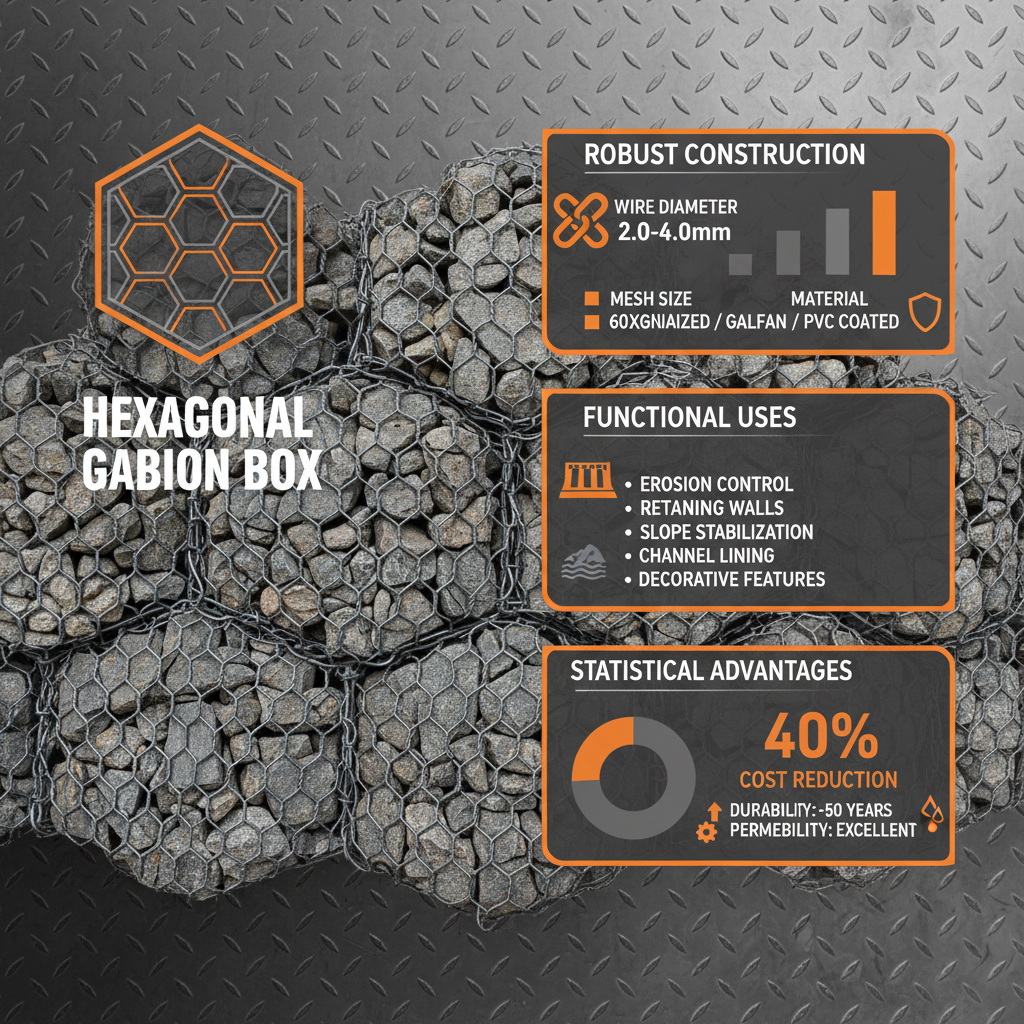
The longevity of a hexagonal gabion box depends heavily on the quality of its coating. Zinc galvanization is the industry standard for preventing oxidation, but in highly saline or acidic environments, a PVC coating is applied over the galvanized wire. This dual-layer protection ensures that the structural integrity remains uncompromised even when submerged in saltwater or exposed to industrial pollutants.
One of the most critical factors is the "double-twist" mechanism. This specific weave ensures that the mesh remains flexible and resists abrasion from the internal stones. When the hexagonal gabion box settles under the weight of the fill, the hexagonal shape allows it to mold to the terrain, distributing the load evenly and reducing the risk of localized structural failure.
Furthermore, the selection of the fill material is paramount. Using hard, durable stones that are larger than the mesh opening ensures that the stones stay locked in place. The synergy between the high-tensile wire and the geological mass creates a breathable wall that manages drainage naturally, effectively eliminating the build-up of hydrostatic pressure that typically causes traditional walls to collapse.
Performance Metrics of Different Gabion Systems
When evaluating the effectiveness of various erosion control methods, the hexagonal gabion box consistently outperforms rigid alternatives in terms of adaptability and permeability. The ability of the hexagonal weave to shift without breaking allows it to accommodate soil settlement over time, which is a common occurrence in coastal and riverine environments.
To better understand how these systems compare, we look at key performance indicators such as shear strength, installation speed, and environmental integration. While welded mesh is faster to assemble in some urban contexts, the double-twisted hexagonal variety is superior for heavy-duty geotechnical applications where long-term flexibility is required.
Comparative Performance of Gabion Systems
Global Applications in Civil Engineering
The hexagonal gabion box is utilized across a diverse array of sectors. In highway construction, they are frequently used for slope stabilization and as noise barriers that blend into the natural landscape. In river management, "reno mattresses" (a variation of the gabion box) are laid on riverbeds to prevent scouring and protect the foundations of bridges.
Beyond industrial use, urban architects are increasingly integrating these boxes into modern cityscapes. From decorative retaining walls in luxury hotels to sustainable drainage systems (SuDS) in metropolitan parks, the hexagonal gabion box provides a rugged, industrial aesthetic while performing critical environmental functions, such as filtering runoff water and providing habitats for urban biodiversity.
Long-Term Economic and Environmental Value
From an economic standpoint, the hexagonal gabion box is highly cost-effective because it minimizes the need for transporting expensive materials. By utilizing on-site stones, the carbon footprint associated with hauling concrete and steel is drastically reduced. This makes it an ideal choice for remote industrial zones where logistics are a significant cost driver.
Environmentally, these structures offer a "living" wall possibility. Over time, silt and seeds collect within the stone voids, allowing vegetation to grow through the mesh. This process, known as bio-engineering, eventually integrates the wall into the surrounding ecosystem, turning a piece of infrastructure into a green corridor that supports local wildlife and improves air quality.
The long-term value is further enhanced by the ease of maintenance. Unlike concrete, which requires expensive demolition if it cracks, a gabion system can be repaired by simply replacing a few damaged boxes or adding more stone to a settling section. This reliability builds trust with government agencies and private developers who prioritize life-cycle costs over initial installation prices.
Future Trends in Gabion Mesh Technology
The future of the hexagonal gabion box lies in the integration of smarter materials. We are seeing the emergence of high-strength alloy wires and nano-coatings that provide unprecedented resistance to corrosion in extreme chemical environments. Additionally, the industry is exploring the use of recycled polymers to supplement the zinc coating, further enhancing the sustainability of the product.
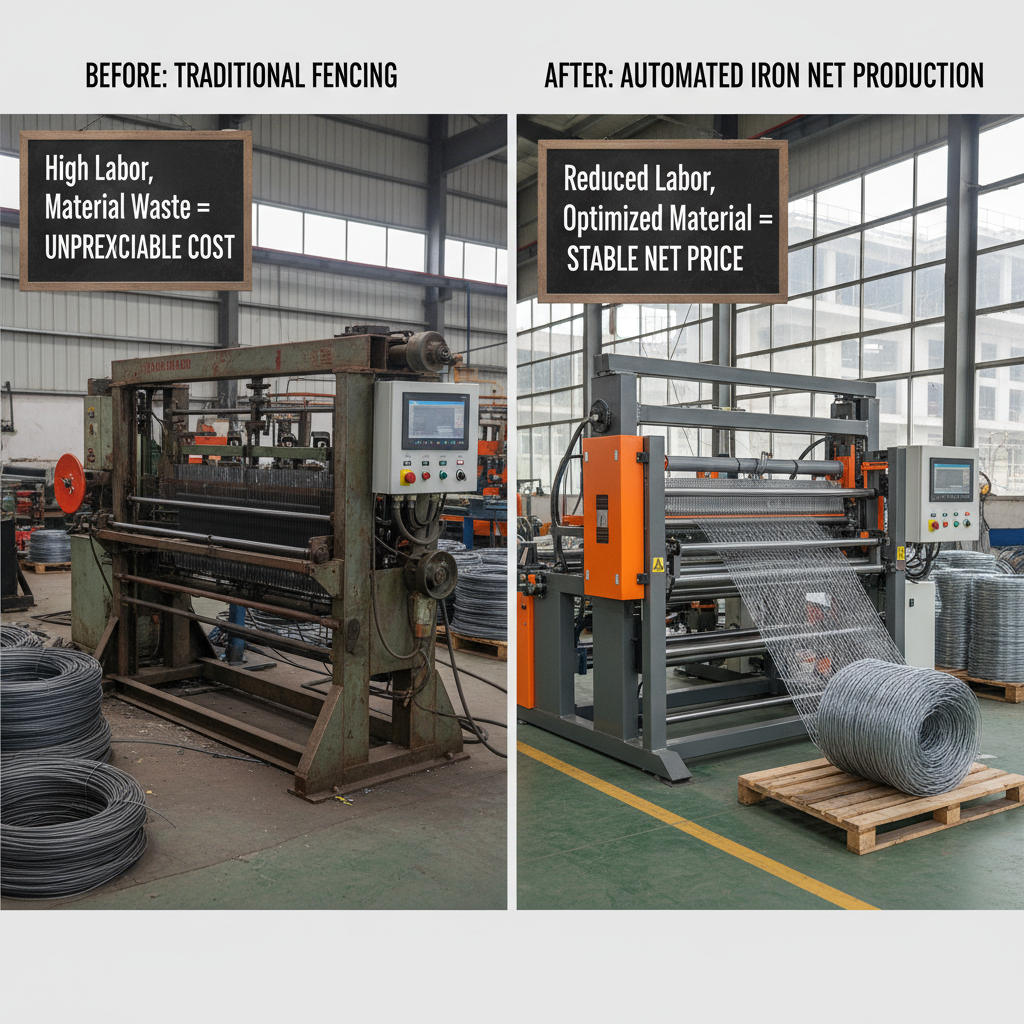
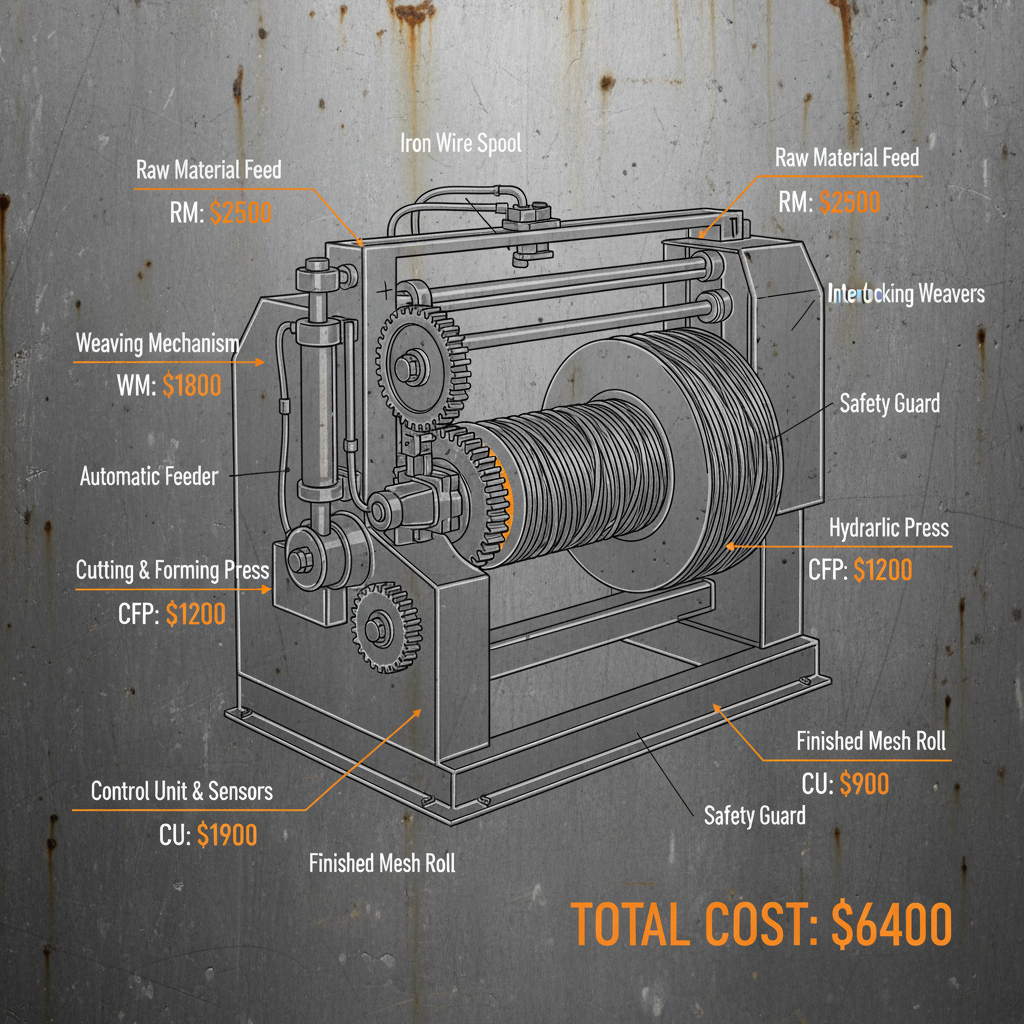
Automation in the weaving process is also increasing precision, allowing for "custom-fit" boxes that can be tailored to specific architectural curvatures. This digital transformation in manufacturing means that gabions are no longer just for slopes; they are becoming sophisticated design elements capable of meeting the strictest engineering tolerances for high-rise basement stabilization.
As global policies shift toward "Net Zero" construction, the permeable nature of these boxes will make them indispensable. They align perfectly with the "Sponge City" concept, which aims to absorb and reuse rainwater rather than channeling it away through pipes. This strategic shift ensures that the hexagonal gabion box will remain a cornerstone of resilient infrastructure for decades to come.
Comparative Analysis of Hexagonal Gabion Specifications and Use-Cases
| Coating Type |
Corrosion Resistance |
Primary Application |
Lifespan Rating |
| Galvanized Steel |
Moderate |
Dry Slope Stabilization |
7/10 |
| Galfa (Zn-Al Alloy) |
High |
Riverbank Protection |
9/10 |
| PVC Coated |
Very High |
Coastal/Marine Walls |
10/10 |
| Epoxy Coated |
High |
Industrial Waste Containment |
8/10 |
| Stainless Steel |
Extreme |
High-End Architecture |
10/10 |
| Mixed Polymer |
Moderate-High |
Urban Landscaping |
7/10 |
FAQS
The primary advantage is the double-twisted weave. Unlike welded cages, where a failure at a weld point can lead to a structural zipper effect, the hexagonal twist ensures that the mesh remains stable even if several wires are damaged. This flexibility allows the box to contour to the ground, which is essential for preventing soil gaps and ensuring long-term stability in geotechnical applications.
PVC-coated systems are specifically engineered for corrosive environments. When combined with a heavy galvanized core, these boxes can last 20 to 50 years depending on the thickness of the coating and the salinity of the water. The PVC acts as an impermeable barrier, preventing chloride ions from reaching the steel, which significantly extends the service life compared to standard galvanized wire.
Absolutely. They are an excellent choice for residential projects due to their natural look and ease of installation. They provide a modern, "industrial-chic" aesthetic while offering superior drainage, which prevents the wall from leaning or collapsing during heavy rainfall—a common problem with traditional timber or brick garden walls.
The general rule is that the stone size should be larger than the mesh opening to prevent "bleeding" (stones falling out). Typically, stones between 100mm and 200mm in diameter are ideal. Using angular, crushed rock is preferred over rounded river stones, as angular stones interlock more effectively, increasing the overall structural rigidity of the filled box.
While filling the boxes with stone requires manual or mechanical effort, the assembly of the wire cages is very efficient. Most hexagonal gabion boxes come flat-packed and are unfolded and laced together on-site. Because they don't require specialized mixing equipment (like concrete), they can be installed by general labor, reducing the need for highly skilled contractors.
Since they are shipped flat-packed, they are highly space-efficient for international shipping. NGOs typically order them in bulk containers and distribute them to the affected sites. Because they utilize local stone for filling, the total weight shipped is minimal, making them one of the most cost-effective rapid-deployment solutions for slope stabilization in disaster zones.
Conclusion
The hexagonal gabion box stands as a testament to the power of simple, effective engineering. By combining the flexibility of double-twisted wire mesh with the raw strength of stone, these systems provide an unparalleled solution for erosion control, slope stabilization, and sustainable urban design. Throughout this analysis, we have seen how their permeability, adaptability, and low carbon footprint make them superior to rigid concrete alternatives in both ecological and economic terms.
Looking forward, the integration of advanced coatings and smart materials will only further expand the utility of gabion systems. For engineers, architects, and landowners, adopting these permeable solutions is not just a matter of structural necessity, but a commitment to environmental stewardship. To secure your project with the highest quality wire mesh solutions, we invite you to explore our professional range. Visit our website: www.hardwareinstore.com