The implementation of a hexagonal gabion system represents a sophisticated marriage of traditional civil engineering and modern material science. Globally, these permeable structures have become indispensable for soil stabilization, erosion control, and sustainable landscaping, offering a flexible alternative to rigid concrete walls. By understanding the mechanics of hexagonal wire mesh, engineers and architects can create barriers that work with nature rather than against it.
From a global perspective, the demand for high-quality hexagonal gabion solutions is driven by the increasing frequency of extreme weather events and the urgent need for sustainable infrastructure. Whether used in riverbank reinforcement in Southeast Asia or for architectural retaining walls in Europe, the hexagonal geometry provides a unique structural integrity that distributes pressure evenly across the surface.
Ultimately, the key benefit of utilizing this specific mesh design lies in its ability to maintain structural stability while remaining porous. This allows for natural drainage and the growth of vegetation, which further reinforces the structure over time. For those in the construction and manufacturing sectors, mastering the application of these wire systems is essential for delivering cost-effective and long-lasting environmental protection.
Global Relevance and Industry Context of Hexagonal Gabion
In the current global construction landscape, the hexagonal gabion has evolved from a simple military tool to a cornerstone of civil engineering. With the World Bank and various UN environmental agencies emphasizing the need for "Nature-based Solutions" (NbS), the industry has shifted away from monolithic concrete structures. Hexagonal wire cages allow for a flexible, permeable barrier that can adapt to the settling of the ground without cracking, a critical advantage in seismically active zones or areas with expansive soils.
The industrial challenge today is balancing the immediate need for rapid deployment with long-term corrosion resistance. As coastal erosion increases due to rising sea levels, the global demand for galvanized and PVC-coated hexagonal mesh has surged. This industry context highlights a shift toward materials that are not only strong but also chemically inert and environmentally compatible, ensuring that infrastructure projects remain viable for decades rather than years.
Defining the Mechanics of Hexagonal Gabion Systems
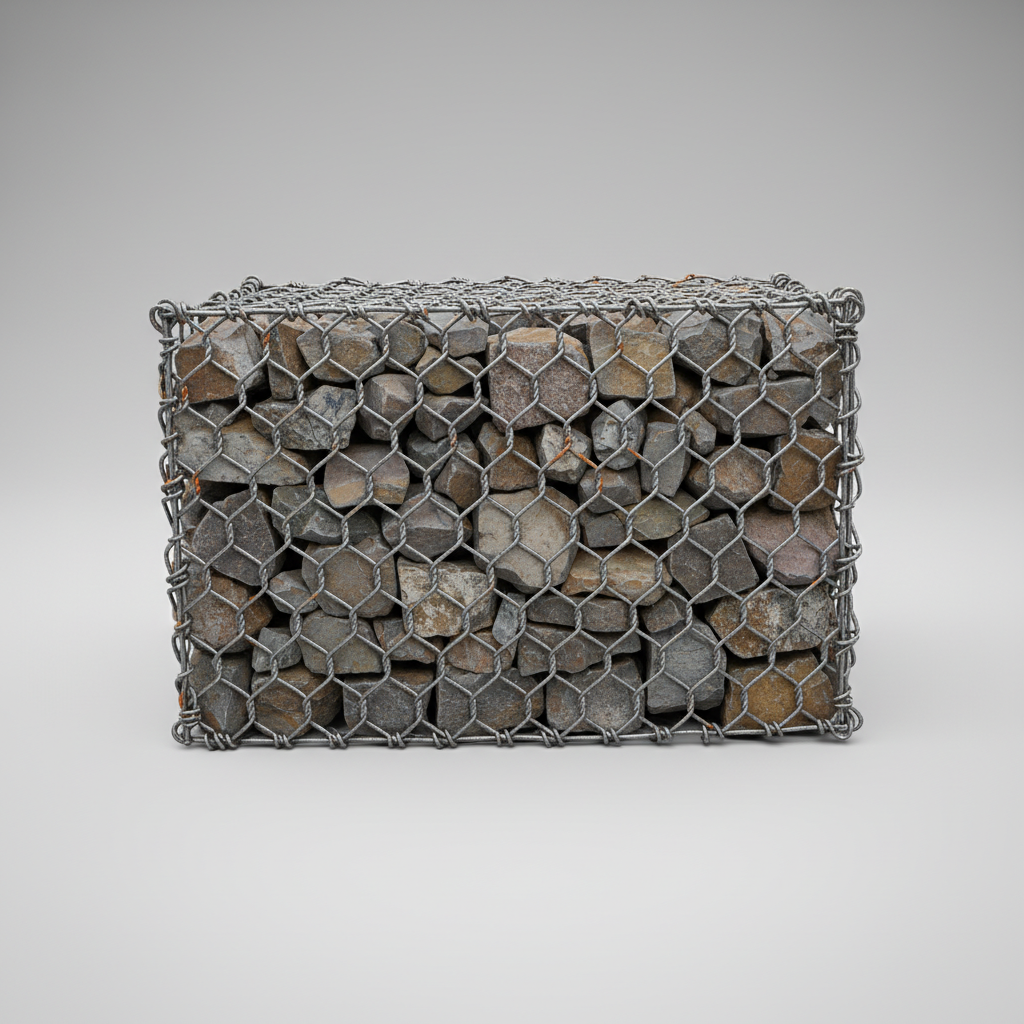
A hexagonal gabion is essentially a cage, container, or basket made to be filled with rocks, concrete, seedlings, soil, or sometimes sand and clay. The "hexagonal" aspect refers to the shape of the wire mesh; unlike square grids, the hexagonal weave provides a natural flexibility that allows the basket to deform slightly under pressure without losing its structural integrity. This makes it an ideal solution for gravity retaining walls and riverbank protection.
Beyond the simple definition, these systems serve as critical humanitarian and industrial tools. In post-disaster relief, they are used to quickly create flood barriers or stabilize landslides to protect displaced populations. The ability to fill these cages with locally sourced stone reduces the carbon footprint of transport and utilizes local labor, making it a socio-economically sustainable choice for developing regions.
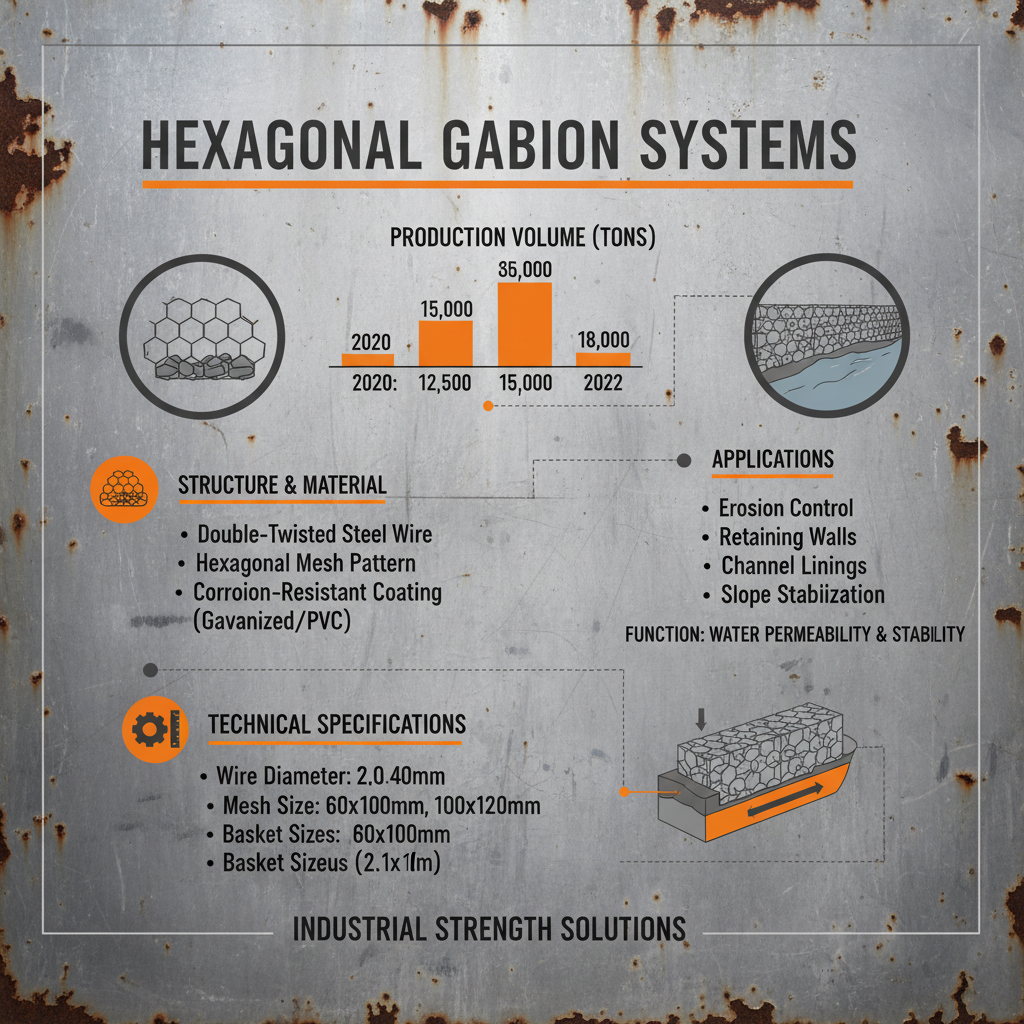
From a technical standpoint, the connection between the wires in a hexagonal gabion is typically achieved through a double-twist weave. This design ensures that if a single wire is cut or broken, the rest of the mesh remains intact, preventing the "unraveling" effect common in cheaper, single-twist fences. This reliability is why they are specified in ISO-compliant engineering projects worldwide.
Core Components and Durability Factors
The effectiveness of a hexagonal gabion depends heavily on the quality of its raw materials. The primary component is the iron wire, which must undergo a rigorous galvanization process to prevent oxidation. High-zinc coatings are essential for structures exposed to moisture, while PVC coatings are preferred in saline or acidic environments to provide an extra layer of chemical protection.
Another critical factor is the mesh aperture size and wire gauge. A tighter weave in a hexagonal gabion is necessary for smaller fill materials, whereas a wider mesh is suitable for large riprap. The balance between wire thickness and aperture determines the basket's load-bearing capacity and its ability to withstand the hydrostatic pressure of saturated soil.
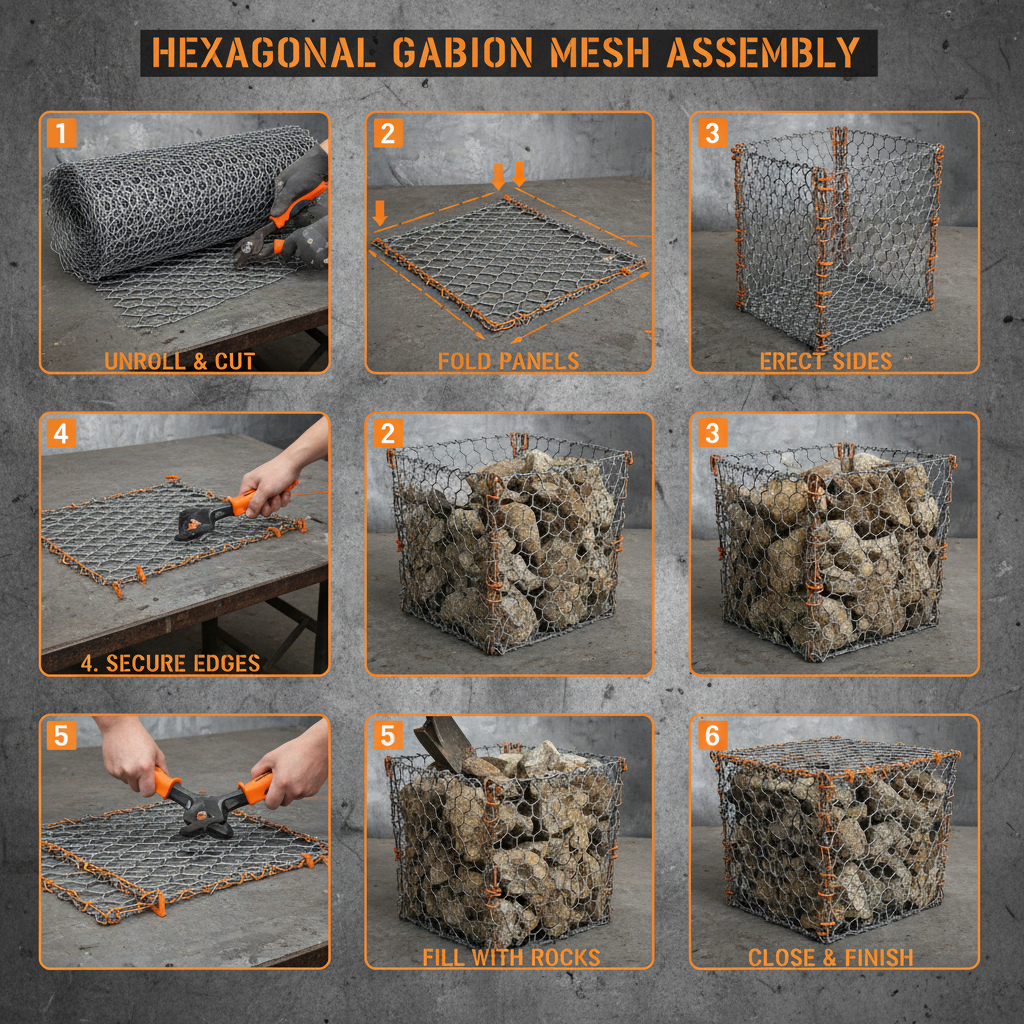
Finally, the scalability of these systems allows them to be stacked in tiered configurations. By using diaphragm membranes to divide the baskets into cells, the internal stone fill is prevented from shifting, which maintains the verticality of the wall. This modular approach ensures that the structure can be expanded or modified as site conditions change over time.
Performance Analysis and Cost Efficiency
When evaluating the performance of a hexagonal gabion, the most significant metric is the ratio of material cost to lifespan. Unlike concrete, which requires expensive formwork and curing time, gabions can be installed immediately. The cost efficiency is further enhanced by using on-site stone, significantly reducing logistics expenses and making it a preferred choice for remote industrial zones.
Moreover, the permeability of the hexagonal structure eliminates the need for complex drainage systems. Because water can flow freely through the stone fill, there is no buildup of pore water pressure, which is the leading cause of failure in traditional retaining walls. This inherent "self-draining" quality reduces long-term maintenance costs and increases the overall safety of the installation.
Performance Metrics for Different Hexagonal Gabion Configurations
Real-World Applications and Global Use Cases
The versatility of the hexagonal gabion is evident in its wide range of applications. In riverine environments, they are used to create "gabion mattresses," which protect the riverbed from scouring and prevent the collapse of banks during monsoon seasons. In urban architecture, they are increasingly used as decorative yet functional boundary walls, blending industrial aesthetics with natural stone.
In more extreme contexts, such as post-disaster relief operations, these structures are deployed to create temporary roads and secure embankments for emergency shelters. Because they require minimal skilled labor for assembly, local communities can be empowered to build their own protective barriers, ensuring that the solution is both rapid and socially inclusive.
Long-Term Value and Environmental Impact
The long-term value of choosing a hexagonal gabion over concrete is primarily environmental. Concrete production is a massive source of CO2 emissions; in contrast, gabions utilize natural stone and recyclable steel. Furthermore, as the structure ages, silt and seeds naturally accumulate within the mesh, allowing vegetation to grow through the rocks. This transforms a man-made wall into a living biological filter.
From a logical perspective, the flexibility of the hexagonal weave means the structure "self-heals" by adjusting to the movement of the earth. This eliminates the risk of catastrophic failure often seen in rigid walls that crack under stress. The psychological impact is also notable, as these structures provide a sense of organic safety and integration with the landscape, rather than a stark industrial intrusion.
Sustainability is not just about the materials but also about the lifecycle. At the end of its functional life, the stone fill can be reused, and the steel mesh can be recycled. This circular economy approach ensures that the infrastructure leaves a minimal footprint on the planet while providing maximum security for the human inhabitants.
Future Innovations in Wire Mesh Technology
The future of the hexagonal gabion is being shaped by advances in metallurgy and automation. We are seeing the introduction of high-tensile alloys that allow for thinner wires without compromising strength, reducing the overall weight of the baskets and easing transportation. Additionally, automated weaving machines are now capable of producing customized mesh sizes with micron-level precision, ensuring a perfect fit for complex architectural designs.
Digital transformation is also playing a role through the use of BIM (Building Information Modeling). Engineers can now simulate the hydrostatic pressure on a hexagonal gabion wall in a virtual environment before a single wire is twisted. This prevents over-engineering and ensures that the amount of material used is optimized for the specific site conditions, further increasing cost-efficiency.
Moreover, the integration of "green energy" concepts is emerging, where gabion walls are being designed to incorporate integrated sensors that monitor slope stability in real-time. This marriage of traditional wire mesh and IoT (Internet of Things) technology transforms a passive barrier into an active monitoring system, providing early warnings for potential landslides or floods.
Comparative Analysis of Hexagonal Gabion Material Specifications
| Coating Type |
Corrosion Resistance |
Flexibility Score |
Typical Lifespan |
| Uncoated Steel |
Low |
9/10 |
2-5 Years |
| Galvanized |
Medium |
8/10 |
10-20 Years |
| Galfan (Zn-Al) |
High |
8/10 |
20-50 Years |
| PVC Coated |
Very High |
7/10 |
30-60 Years |
| Polymer-Coated |
Extreme |
7/10 |
50+ Years |
| Stainless Steel |
Absolute |
6/10 |
100+ Years |
FAQS
The primary advantage is flexibility. A hexagonal gabion can deform and settle with the earth without breaking the wires or compromising the structure. Welded square mesh is rigid; if the ground shifts, the welds can snap, leading to potential wall failure. The double-twist hexagonal weave also prevents unraveling if a wire is cut.
PVC-coated systems are specifically designed for corrosive environments. In saltwater applications, a high-quality PVC coating over a galvanized core can last between 30 to 60 years, depending on the thickness of the coating and the quality of the underlying zinc layer, effectively blocking chlorides from reaching the steel.
Generally, they are more cost-effective. While the wire mesh has a cost, you save significantly on formwork, specialized machinery, and transportation if stone is available on-site. Additionally, the lack of need for a complex drainage system further reduces the total project expenditure.
Yes, and this is one of their greatest benefits. Over time, wind-blown soil and organic matter settle in the gaps between the rocks. This creates a natural growing medium, allowing grasses and shrubs to take root, which biologically reinforces the wall and blends it into the natural environment.
The choice depends on the fill material and the load. For heavy riprap in riverbeds, a heavier gauge wire (e.g., 3mm or more) is required to prevent the rocks from piercing the mesh. For decorative garden walls with smaller pebbles, a lighter gauge (2mm to 2.7mm) is usually sufficient and easier to handle.
Extremely. They promote biodiversity by providing habitats for small insects and animals within the rock voids. They also reduce the carbon footprint of construction by eliminating the need for carbon-heavy cement and utilizing local, natural materials.
Conclusion
The hexagonal gabion stands as a testament to the efficacy of combining simple geometric principles with robust material engineering. By prioritizing permeability, flexibility, and environmental integration, these systems solve the most pressing challenges of erosion control and soil stabilization while remaining cost-effective and sustainable. From the choice of galvanized coatings to the implementation of double-twist weaves, every technical detail contributes to a structure that is built to last and designed to coexist with the natural world.
Looking forward, the integration of smarter materials and digital design will only enhance the reliability of these systems. For engineers, architects, and project managers, transitioning toward these nature-based solutions is not just an environmental choice, but a strategic one that ensures long-term infrastructure resilience. To explore professional-grade wire mesh and gabion solutions, visit our website: www.hardwareinstore.com.