When it comes to securing perimeters for agriculture, poultry, and light industrial use, hexagonal fencing remains one of the most versatile and cost-effective solutions available today. Known for its distinctive honeycomb pattern, this type of wire mesh provides a unique balance of flexibility and strength, allowing it to conform to uneven terrains while maintaining a robust barrier against intrusions.
The global demand for high-quality wire products has surged as farmers and landowners seek sustainable ways to manage livestock and protect gardens. By leveraging the geometric stability of the hexagon, this fencing style minimizes material waste during production while maximizing the structural integrity of the enclosure, making it a preferred choice for those who prioritize both economy and efficiency.
Understanding the technical nuances of wire gauge, coating materials, and mesh size is critical for ensuring the longevity of your installation. Whether you are dealing with corrosive coastal air or the physical pressure of foraging animals, selecting the right specification of hexagonal fencing can mean the difference between a decade of security and a costly replacement within a few seasons.
The Technical Fundamentals of Hexagonal Fencing
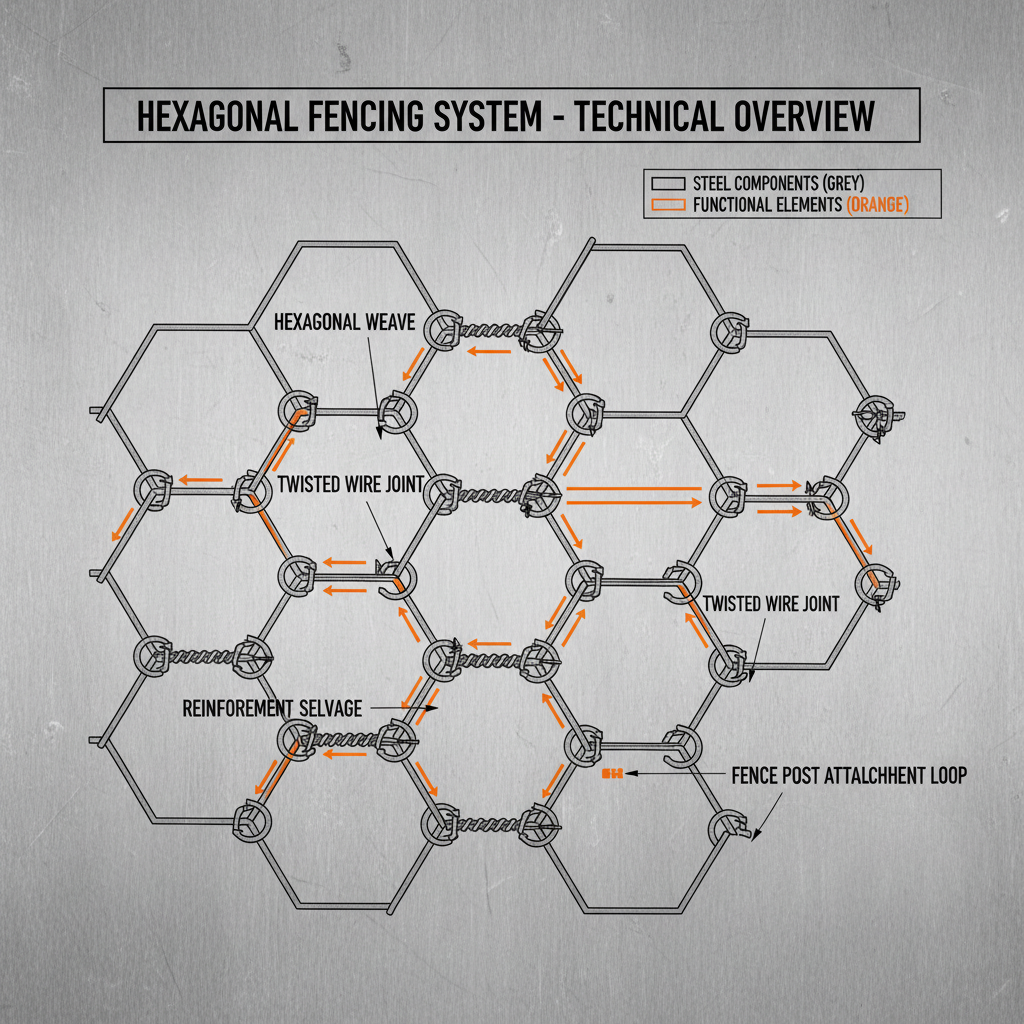
The structural brilliance of hexagonal fencing lies in its geometry. Unlike square grids, the hexagonal shape distributes tension more evenly across the wire, reducing the likelihood of "unraveling" if a single strand is severed. This characteristic is essential for poultry enclosures where animals may peck or push against the wire, requiring a mesh that absorbs impact without collapsing.
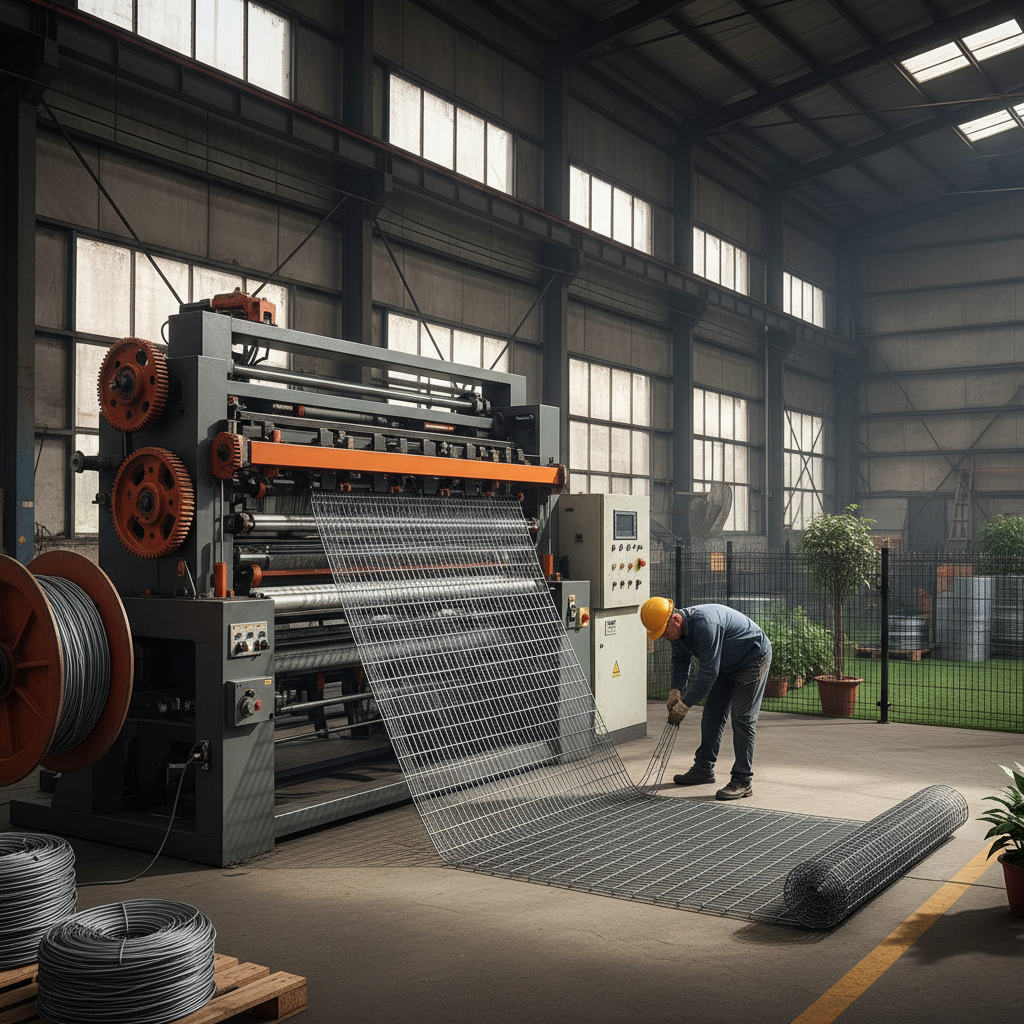
From a manufacturing perspective, the twisted-wire technique used to create these hexagons allows for a lightweight product that does not sacrifice stability. This makes the fencing easy to transport and install over large acreage, reducing labor costs and installation time while providing a seamless barrier that integrates naturally into rural and garden landscapes.
Global Market Trends and Industry Standards
On a global scale, the demand for specialized wire mesh is heavily influenced by ISO standards and regional agricultural shifts. According to industrial trends, the transition toward galvanized and PVC-coated materials has increased the lifespan of hexagonal fencing in humid and saline environments, such as Southeast Asia and coastal North America, where oxidation typically accelerates.
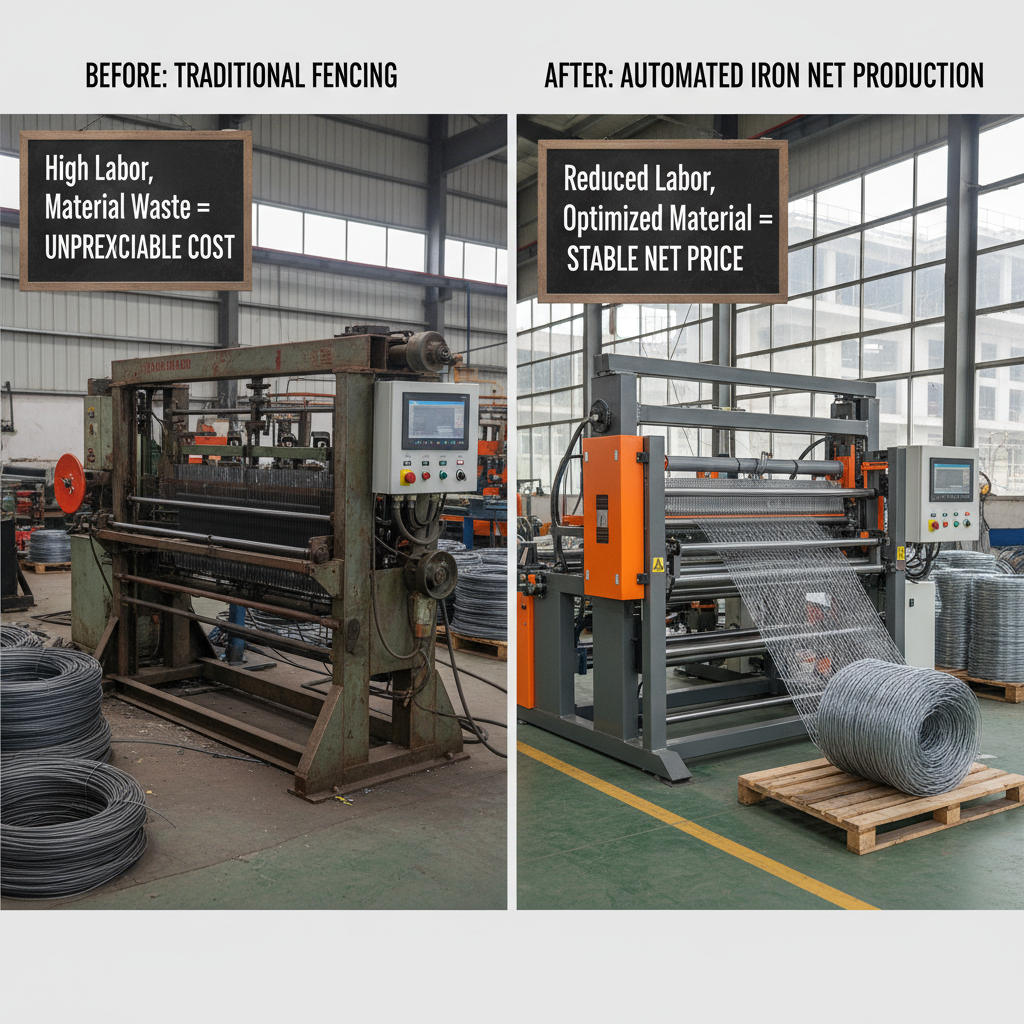
The industry is currently facing a challenge: balancing the rising cost of raw steel with the need for affordable fencing solutions for small-scale farmers. To combat this, manufacturers are optimizing the wire-drawing process to maintain tensile strength while marginally reducing weight, ensuring that the "chicken wire" style remains accessible without compromising safety.
Furthermore, the integration of sustainable sourcing in the metal products industry has led to a rise in recycled steel usage. This shift not only aligns with global green energy policies but also provides a more environmentally friendly footprint for large-scale land management projects, proving that traditional fencing can evolve with modern ecological standards.
Key Material Specifications and Durability Factors
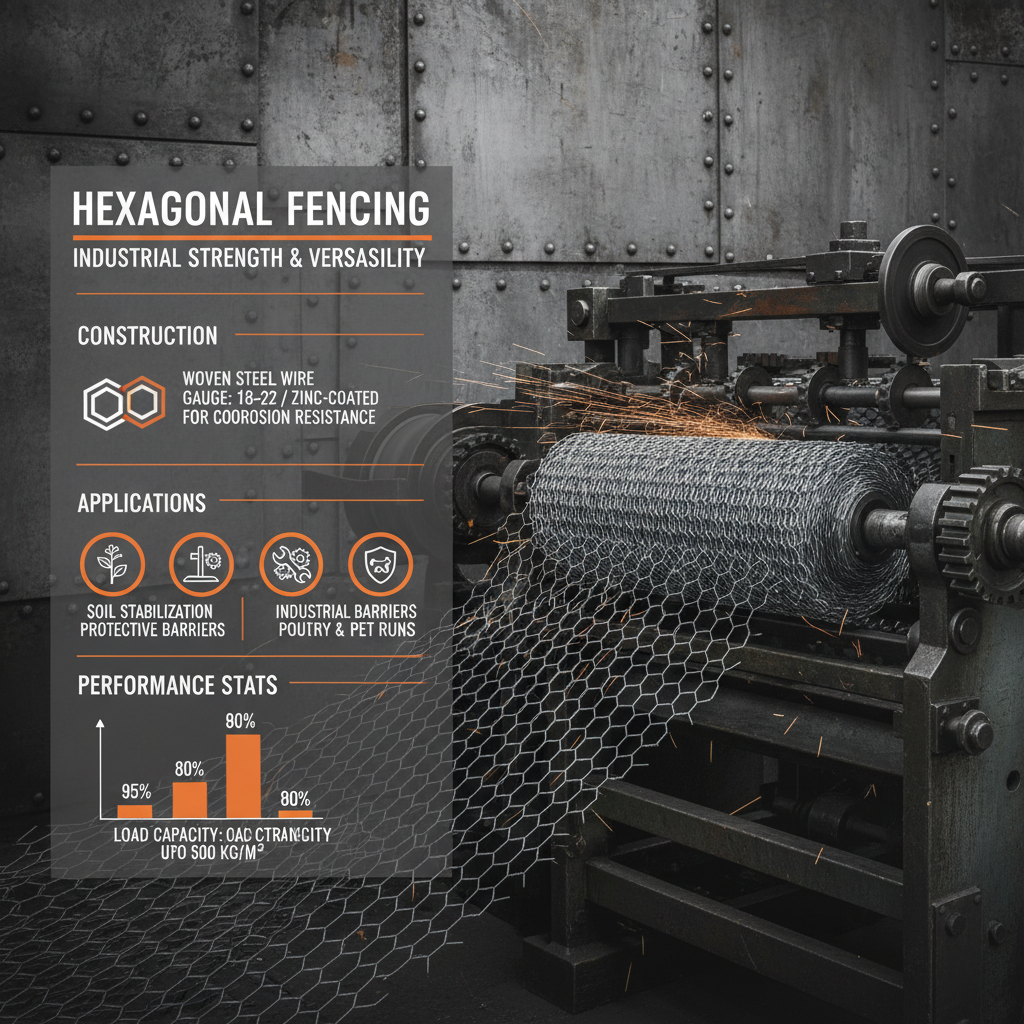
Selecting the right gauge for your hexagonal fencing is the first step in ensuring long-term performance. A lower gauge number indicates a thicker wire, which is indispensable for preventing larger predators from breaching the perimeter, whereas higher gauge wires are ideal for lightweight garden protection.
The coating process is where true durability is determined. Hot-dipped galvanization provides a thick layer of zinc that protects the internal steel from rust, while PVC coating adds a secondary polymer shield. This dual-layer approach is critical for hexagonal fencing used in hydroponics or areas with frequent chemical fertilizer application.
Tensile strength and mesh aperture size also play pivotal roles. A smaller aperture prevents small rodents from entering, while larger hexagons allow for better airflow and visibility. Matching these specifications to the specific biological needs of the livestock or the botanical needs of the crop is a hallmark of professional installation.
Performance Comparison of Various Mesh Types
When comparing different fencing options, the flexibility of hexagonal fencing often outperforms rigid welded wire mesh in scenarios involving irregular topography. While welded mesh offers superior rigidity, the hexagonal variety can be draped over mounds or curved around garden beds without the need for extensive cutting or bending.
Cost-efficiency also varies significantly across types. Hexagonal mesh typically requires fewer support posts compared to heavy-duty industrial fences, making it the go-to choice for temporary enclosures or light-duty boundary markers. The following data illustrates how different variants score across key performance indicators.
Performance Rating of Hexagonal Fencing Variants
Diverse Global Applications and Use Cases
In real-world applications, hexagonal fencing is utilized far beyond the simple poultry coop. In forestry and conservation projects across Europe, it is used to create protective cages around young saplings to prevent deer and rabbits from destroying reforestation efforts, thereby supporting biodiversity and carbon sequestration.
Industrial zones also utilize this mesh for lightweight partitions and safety guards around machinery where ventilation is required but physical access must be restricted. In emergency disaster relief, the ease of deployment makes it a valuable tool for quickly establishing temporary containment areas for livestock in flood-prone regions of South Asia.
Long-Term Value and Sustainability Benefits
The long-term value of investing in premium hexagonal fencing is measured in reduced maintenance cycles. High-zinc galvanization ensures that the fence does not succumb to rust for years, saving landowners the labor and cost of frequent repairs. This reliability provides a sense of security and peace of mind for those protecting valuable assets.
Sustainability is another key driver. Because the hexagonal structure uses less steel per square meter than some dense welded alternatives, it reduces the overall carbon footprint associated with mining and smelting. When combined with PVC coatings that are lead-free and non-toxic, the product becomes safe for use in organic farming environments.
Moreover, the versatility of the material allows it to be repurposed. Old fencing can often be reshaped or recycled within the metal industry, ensuring that the lifecycle of the product contributes to a circular economy rather than ending up in a landfill.
Future Innovations in Wire Mesh Technology
The future of hexagonal fencing is being shaped by advancements in material science. We are seeing the introduction of nano-coatings that offer hydrophobic properties, allowing rain and dew to slide off the wire instantly, which virtually eliminates moisture-induced corrosion in the most extreme tropical climates.
Automation in the manufacturing process is also increasing precision. Laser-guided welding and cutting ensure that every hexagon is perfectly uniform, which improves the structural load distribution and allows for easier integration with modular fence post anchor spikes and other accessory systems.
As we move toward "smart" farming, there is potential for integrating conductive filaments into the wire mesh to create integrated electronic monitoring systems. This could allow farmers to detect perimeter breaches in real-time via mobile apps, transforming a traditional physical barrier into an active security system.
Analysis of Hexagonal Fencing Technical Specifications
| Coating Type |
Corrosion Resistance |
Flexibility Score |
Typical Lifespan |
| Untreated Steel |
Low |
High |
1-2 Years |
| Electro-Galvanized |
Medium |
High |
3-5 Years |
| Hot-Dipped Galvanized |
High |
Medium-High |
10-20 Years |
| PVC Coated |
Very High |
Medium |
15-25 Years |
| Stainless Steel |
Extreme |
Medium |
30+ Years |
| Composite Polymer |
Extreme |
Very High |
20-30 Years |
FAQS
The primary difference lies in construction and flexibility. Hexagonal fencing is made from twisted wires that form a honeycomb pattern, making it highly flexible and easy to contour. Welded wire mesh consists of wires fused at every intersection, providing a rigid, square structure that is stronger for heavy-duty containment but harder to install on uneven ground.
Choose your gauge based on the "pressure" the fence will face. For lightweight poultry or garden seed protection, a higher gauge (thinner wire) is sufficient. For larger livestock or areas with predator pressure (like foxes or dogs), a lower gauge (thicker wire) is necessary to ensure the fence cannot be easily bent or broken.
Yes, especially in corrosive environments. PVC coating provides a vital barrier against moisture, oxygen, and chemicals. While the initial investment is higher, it significantly extends the lifespan of the fence and eliminates the need for periodic rust-treatment, making it more cost-effective over a 10-year period.
Standard "chicken wire" is too light for sheep. However, heavy-duty hexagonal fencing with a thicker gauge and hot-dipped galvanization can be used, provided it is properly tensioned and supported by sturdy fence posts. For high-pressure livestock, we typically recommend combining it with a stronger base wire.
The most effective method is to bury the bottom 6-12 inches of the mesh into the ground or use "L-shaped" footing. Additionally, securing the bottom edge with ground staples or a tension wire every 3 feet will prevent animals from digging or pushing under the barrier.
To prevent the mesh from distorting or getting snagged, rolls should be kept tightly bound with industrial ties and transported vertically or on a flatbed with edge protection. Avoid stacking heavy items on top of the rolls, as this can crush the hexagonal geometry and make installation difficult.
Conclusion
In summary, hexagonal fencing stands as a timeless solution in the metal products industry, bridging the gap between lightweight utility and structural reliability. From its unique geometric strength and adaptability to the advanced protection offered by modern galvanization and PVC coatings, it remains an indispensable tool for agriculture, conservation, and residential land management.
As we look toward the future, the integration of smarter materials and sustainable manufacturing will only enhance the value of these wire solutions. Whether you are a large-scale commercial farmer or a home gardener, choosing a high-specification hexagonal mesh ensures that your boundaries remain secure, sustainable, and cost-effective for years to come. Visit our website: www.hardwareinstore.com