The humble garden fence is far more than just a boundary marker. It represents security, privacy, and a defined space for relaxation and enjoyment of the outdoors. Globally, the demand for effective boundary solutions is consistently high, driven by increasing population density and a desire for personal space. From traditional picket fences to modern composite materials, the garden fence plays a vital role in shaping our landscapes and enhancing property value.
According to the UN, urbanization is steadily increasing, with over 55% of the world’s population currently living in urban areas. This trend directly impacts the need for defined residential boundaries and enhanced privacy, fueling the growth of the garden fence market. Moreover, organizations like the International Organization for Standardization (ISO) are constantly developing standards for fence materials and installation, ensuring safety and quality.
The challenge lies in balancing cost-effectiveness with durability, aesthetics, and environmental responsibility. Understanding the nuances of garden fence construction and material science is crucial for homeowners, builders, and landscape professionals alike.
Defining the Garden Fence
A garden fence is fundamentally a barrier constructed around a property to delineate boundaries, provide privacy, and offer security. These structures can range from simple, rustic wooden fences to elaborate wrought iron designs or modern composite panels. The primary function remains consistent: to create a physical and psychological separation between one property and another.
In modern contexts, the demand for garden fences extends beyond mere property demarcation. They play a crucial role in containing pets and children, enhancing aesthetic appeal, and contributing to the overall value of a property. Increasingly, homeowners are seeking fences that blend functionality with visual appeal, reflecting their personal style and enhancing their outdoor living spaces.
Historical Development of garden fence
The origins of fencing can be traced back to ancient civilizations, where basic barriers were constructed from natural materials like stone and thorny bushes to protect livestock and define territories. Over time, as woodworking skills developed, wooden fences became more common, particularly in agricultural settings. These early fences served primarily utilitarian purposes, focusing on functionality over aesthetics.
During the Victorian era, garden fences underwent a significant transformation, evolving into decorative elements that reflected social status and architectural style. Wrought iron fences, with their intricate designs, became particularly popular among the wealthy. The 20th and 21st centuries have seen a diversification of materials, including vinyl, composite, and aluminum, offering homeowners a wider range of options to suit their budgets and preferences.
The evolution of the garden fence mirrors societal changes, from prioritizing practical security to embracing aesthetic expression and now, increasingly, environmental sustainability.
Essential Materials for a Robust garden fence
The choice of material is paramount when constructing a long-lasting garden fence. Wood, particularly pressure-treated pine and cedar, remains a popular choice due to its affordability and natural aesthetic. However, wood requires regular maintenance, such as staining or painting, to prevent rot and decay.
Vinyl fencing offers a low-maintenance alternative, resistant to rot, insects, and weathering. While more expensive upfront, its durability and minimal upkeep costs can make it a cost-effective long-term investment. Composite fencing, made from a blend of wood fibers and plastic, provides a balance between the aesthetic appeal of wood and the durability of vinyl.
Metal fences, such as wrought iron and aluminum, provide exceptional strength and security. Aluminum is lightweight and rust-resistant, making it ideal for coastal areas. Wrought iron, while requiring occasional painting, offers a classic and elegant look. The ideal material depends on factors like budget, aesthetic preferences, and environmental conditions.
Key Performance Indicators of garden fence
Assessing the performance of a garden fence involves considering several key factors. Durability is paramount, encompassing resistance to weathering, rot, insects, and impact damage. Security is another crucial aspect, particularly in areas prone to theft or vandalism.
Aesthetic appeal also plays a significant role, influencing property value and homeowner satisfaction. Maintenance requirements are a key consideration, with low-maintenance options like vinyl and composite fencing gaining popularity.
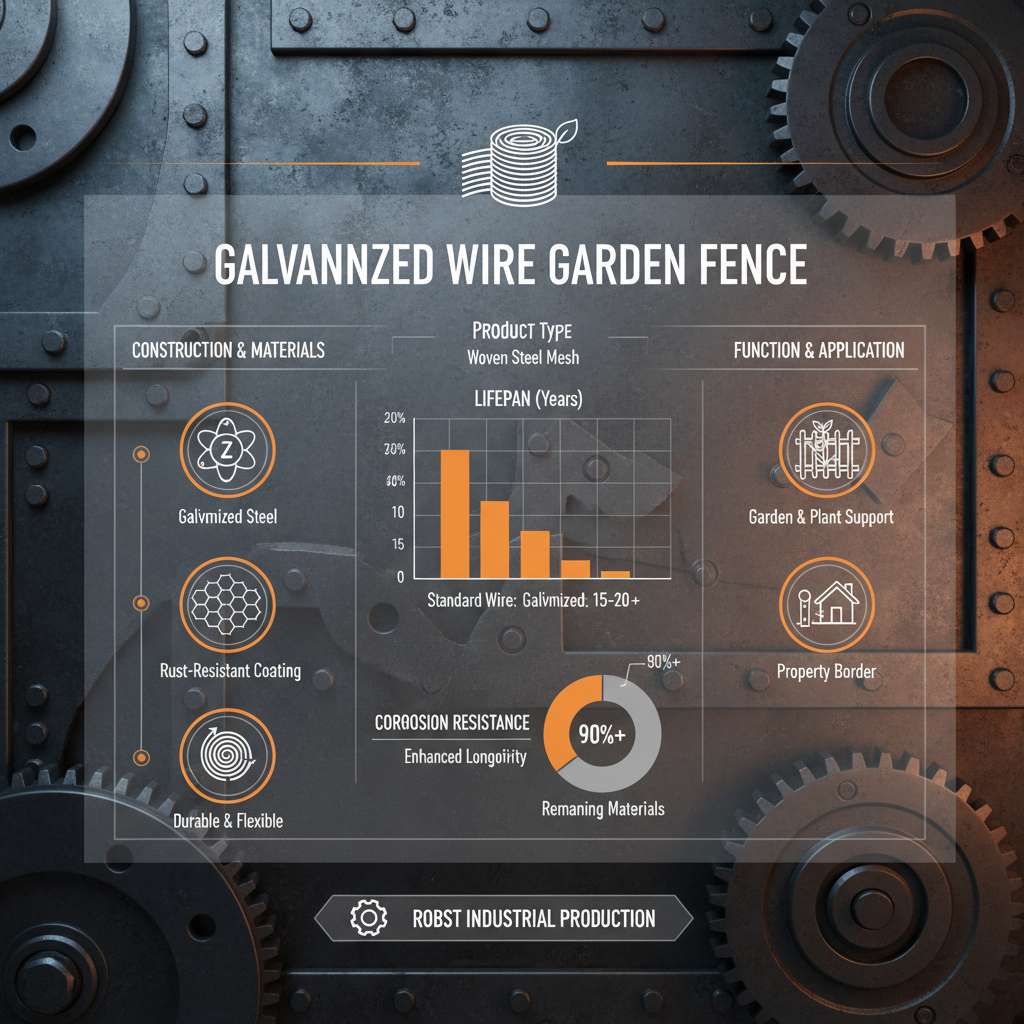
garden fence Performance Ratings
Global Applications of garden fence
The application of garden fences is widespread across the globe, adapting to diverse climates, architectural styles, and cultural preferences. In North America, picket fences are a classic symbol of suburban life, while more modern designs are gaining traction.
In Europe, wrought iron fences are common in historical cities, providing both security and aesthetic appeal. In Australia, robust fences are essential for containing livestock and protecting properties from harsh weather conditions. Developing nations often utilize simpler fencing materials, such as bamboo or woven branches, for cost-effective boundary solutions.
Advantages and Long-Term Value
Investing in a quality garden fence offers numerous tangible benefits. Increased security and privacy enhance peace of mind, while improved aesthetic appeal boosts property value. Durable materials like vinyl and composite minimize long-term maintenance costs, providing a significant return on investment.
Beyond the practical advantages, a well-designed fence contributes to the overall beauty and functionality of a property, creating a more inviting and enjoyable outdoor living space. Choosing sustainable materials and construction practices further enhances the long-term value by minimizing environmental impact.
The emotional benefits of a secure and private outdoor space should not be underestimated. A garden fence offers a sense of sanctuary and control, fostering a feeling of well-being and belonging.
Future Trends and Innovations in garden fence
The garden fence industry is evolving rapidly, driven by advancements in materials science and a growing emphasis on sustainability. Smart fencing technologies, incorporating features like integrated lighting, security sensors, and automated gates, are emerging as a premium option.
Eco-friendly materials, such as recycled plastics and sustainably sourced wood, are gaining popularity among environmentally conscious consumers. Modular fencing systems, offering ease of installation and customization, are also gaining traction. Furthermore, advancements in coating technologies are enhancing the durability and weather resistance of traditional materials.
Digital design tools and online customization platforms are empowering homeowners to create personalized garden fences that reflect their individual style and needs. The future of fencing is poised to be more innovative, sustainable, and technologically advanced than ever before.
Summary of Key Considerations for garden fence Installation
| Material Type |
Installation Complexity |
Maintenance Requirements |
Estimated Lifespan (Years) |
| Wood |
Medium |
High (Staining/Painting) |
15-30 |
| Vinyl |
Easy |
Low (Cleaning) |
30-50 |
| Composite |
Medium |
Low (Cleaning) |
25-40 |
| Aluminum |
Medium |
Low (Cleaning) |
20-30 |
| Wrought Iron |
Difficult |
Medium (Painting) |
40+ |
| Bamboo |
Easy |
Medium (Treatment) |
5-10 |
FAQS
Wrought iron and vinyl are generally considered the most durable materials for a garden fence. Wrought iron offers exceptional strength and a long lifespan, though it requires occasional maintenance to prevent rust. Vinyl is resistant to rot, insects, and weathering, making it a low-maintenance, long-lasting option. Aluminum is also very durable and rust-resistant, making it a good choice for coastal environments.
The cost of installing a garden fence varies widely depending on the material, length, height, and labor costs in your area. Wood fences are generally the most affordable, ranging from $15 to $30 per linear foot. Vinyl and composite fences typically cost between $25 and $45 per linear foot, while wrought iron can range from $40 to $80 or more per linear foot. Installation labor can add another $5 to $15 per linear foot.
Whether or not you need a building permit for a garden fence depends on your local regulations. Many municipalities require permits for fences exceeding a certain height (typically 6 feet) or located near property lines. It's always best to check with your local building department before starting any fence installation project to avoid potential fines or delays.
To maintain a wooden garden fence, regular cleaning and protection are essential. Clean the fence annually with a mild detergent and water to remove dirt and mildew. Apply a water-repellent sealant or stain every one to two years to protect the wood from moisture damage and UV exposure. Inspect the fence regularly for loose boards, broken posts, and signs of rot, and address any issues promptly.
Yes, there are several eco-friendly options for garden fencing. Recycled plastic fencing is made from recycled materials and reduces plastic waste. Bamboo is a rapidly renewable resource that offers a natural and sustainable fencing option. Sustainably sourced wood, certified by organizations like the Forest Stewardship Council (FSC), ensures responsible forestry practices.
To enhance the privacy offered by your garden fence, consider increasing its height, adding lattice panels to the top, or planting trees or shrubs along the fence line. Closely spaced vertical boards or overlapping panels can also create a more solid barrier. Privacy screens or fabric coverings can be attached to the fence for temporary or seasonal privacy.
Conclusion
In conclusion, the garden fence is a multifaceted element of modern property ownership, serving vital functions related to security, privacy, aesthetics, and property value. The selection of materials, construction techniques, and design elements should be carefully considered to ensure a long-lasting, functional, and visually appealing barrier that meets individual needs and preferences.
Looking ahead, innovation in materials and technologies promises to further enhance the performance and sustainability of garden fences. By embracing eco-friendly options, smart technologies, and customizable designs, homeowners can create outdoor spaces that are both beautiful and responsible. Visit our website today to explore our wide range of garden fence solutions: www.hardwareinstore.com