Follow Us:

Get A Quote


You know, after running around construction sites all year, you start to see patterns. Lately, everyone’s talking about prefabrication, modular construction… basically, anything to get things done faster and with less mess. It’s a good trend, honestly, but it also reveals a lot of hidden problems. I've been seeing a real push for more durable, lightweight materials too. It's not just about cost anymore, it's about getting something that can actually last in this climate.
To be honest, a lot of designers I meet… they design in a vacuum. They don’t understand what it’s like to actually handle this stuff. They'll spec out a beautiful material, but forget it needs to be lifted, cut, welded, and generally abused on-site. Have you noticed how many designs assume a perfectly level surface? Or easy access? Yeah, right. It's always a mess.
And don’t even get me started on the mesh. We're seeing a lot more galvanized steel wire mesh used now, which is good – it’s tough, resists corrosion… but the quality varies wildly. I encountered this at a factory in Jiangsu Province last time, they were passing off stuff with a really thin zinc coating as “hot-dip galvanized”. You can smell it, actually, a kinda metallic, almost sour odor if the coating is cheap. It feels rough too, not smooth. Good stuff has a nice, even, slightly oily feel. It’s subtle, but you learn to tell.
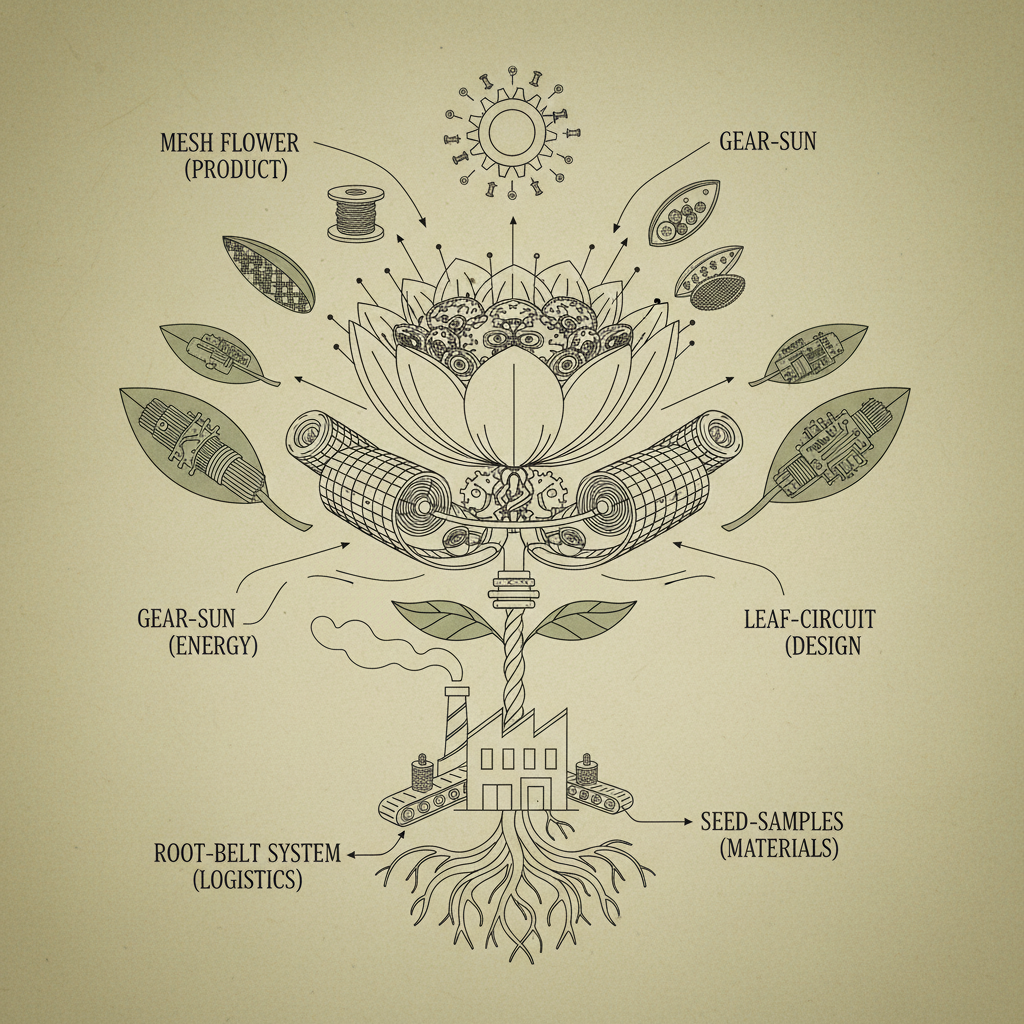
Strangely, a lot of the new mesh designs are trying to be too clever. They’re adding all these fancy weaves and coatings… and then the workers can’t figure out how to cut it properly. Simple is often better. And don't get me started on the suppliers who promise “unbreakable” mesh. There’s no such thing. Everything breaks eventually. It's just a matter of when and how.
Anyway, I think the biggest trend right now is the demand for sustainable materials. People are asking about recycled content, lower carbon footprints… which is good, but it adds cost, and frankly, sometimes the performance isn't quite there yet. We need to find that sweet spot between being environmentally responsible and building something that won’t fall apart in a year.
When selecting iron wire mesh for corrosive environments, prioritize material composition. Stainless steel 316 offers exceptional resistance compared to galvanized steel. Coating thickness is crucial—ensure a robust zinc coating if using galvanized mesh. Consider the specific corrosive agents present (saltwater, chemicals, etc.) and choose a supplier offering materials tested for those conditions. Finally, look for suppliers providing certifications confirming material quality and adherence to industry standards.
Verifying galvanization quality starts with visual inspection. Look for a uniform, shiny appearance without blemishes or bare spots. A rough, flaky surface indicates poor coating. Tap the mesh; a ringing sound suggests good adhesion. More advanced testing involves measuring the coating thickness using a magnetic gauge, or conducting a salt spray test to assess corrosion resistance. Reputable iron wire mesh suppliers should provide certification reports for these tests.
Hot-dip galvanizing involves immersing steel in molten zinc, creating a thick, durable coating with excellent adhesion. It’s more expensive but offers superior corrosion protection. Electrogalvanizing uses an electric current to deposit a thinner zinc layer, making it cheaper but less robust. The thickness and adherence of hot-dip galvanizing significantly outperform electrogalvanizing in demanding applications.
Yes, the use of recycled steel in the production of iron wire mesh is becoming increasingly common. Some suppliers also offer mesh coated with eco-friendly alternatives to traditional zinc coatings. Look for suppliers with certifications demonstrating their commitment to sustainable practices. Additionally, choosing a durable mesh that extends the lifespan of a project reduces the need for frequent replacements, minimizing environmental impact.
Custom options include mesh aperture size, wire gauge, weave pattern (plain, twill, Dutch), and coating type. Suppliers can often tailor mesh dimensions to specific project requirements. More specialized customizations involve creating unique shapes or integrating features like hooks or eyelets. Always discuss your specific needs with the supplier to ensure feasibility and cost-effectiveness.
Look for suppliers certified to ISO 9001 (quality management) and potentially ISO 14001 (environmental management). Request documentation verifying compliance with relevant industry standards for your application (e.g., ASTM standards for steel wire mesh). Check for test reports and certifications confirming material properties and coating quality. A reputable iron wire mesh supplier will readily provide these documents upon request.
So, after all that, it comes down to this: iron wire mesh is a surprisingly complex material. Choosing the right supplier, understanding the material properties, and knowing how it's actually going to be used on-site are all critical. There’s a lot of marketing hype out there, a lot of promises that don’t quite pan out. It’s easy to get lost in the details, to overspend on unnecessary features, or to underestimate the importance of quality control.
Ultimately, whether this thing works or not, the worker will know the moment he tightens the screw. Visit our website at iron wire mesh suppliers to learn more about our products and services, and to find a supplier you can trust.