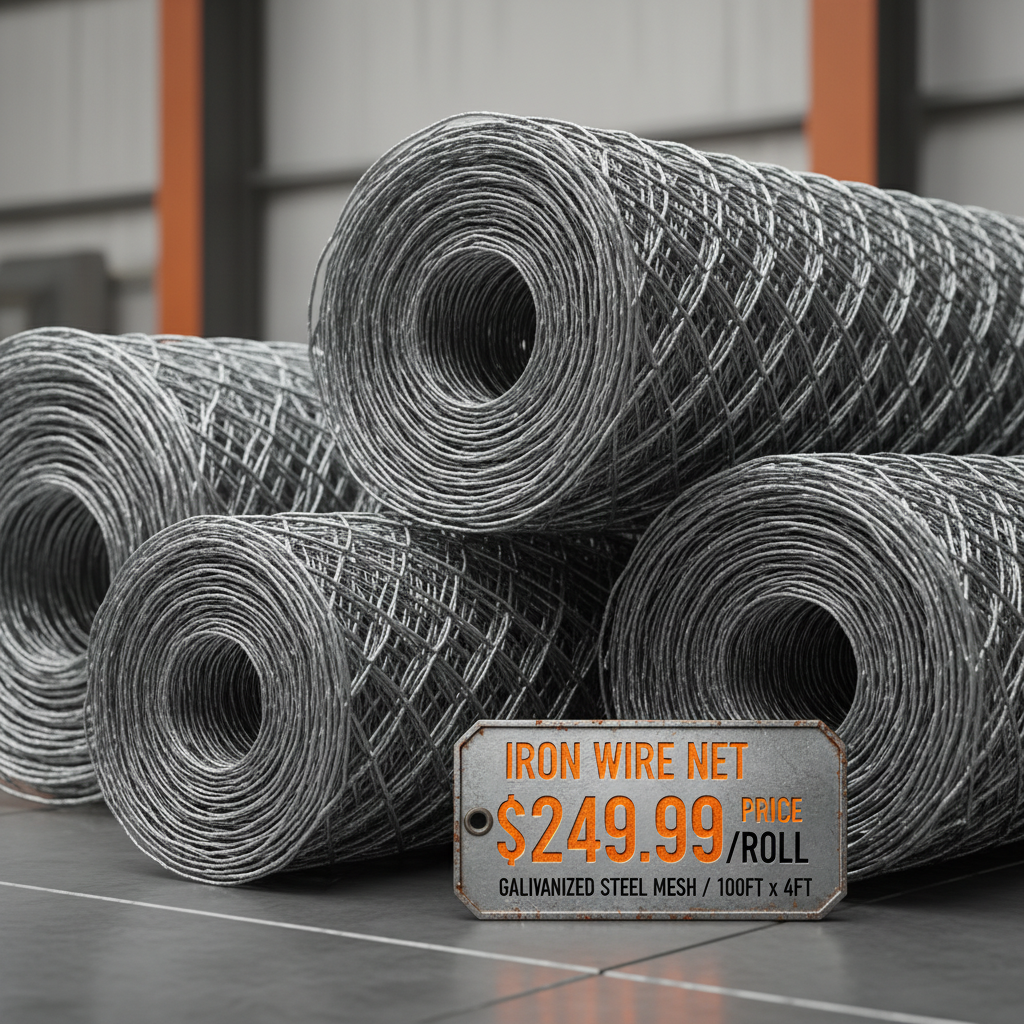
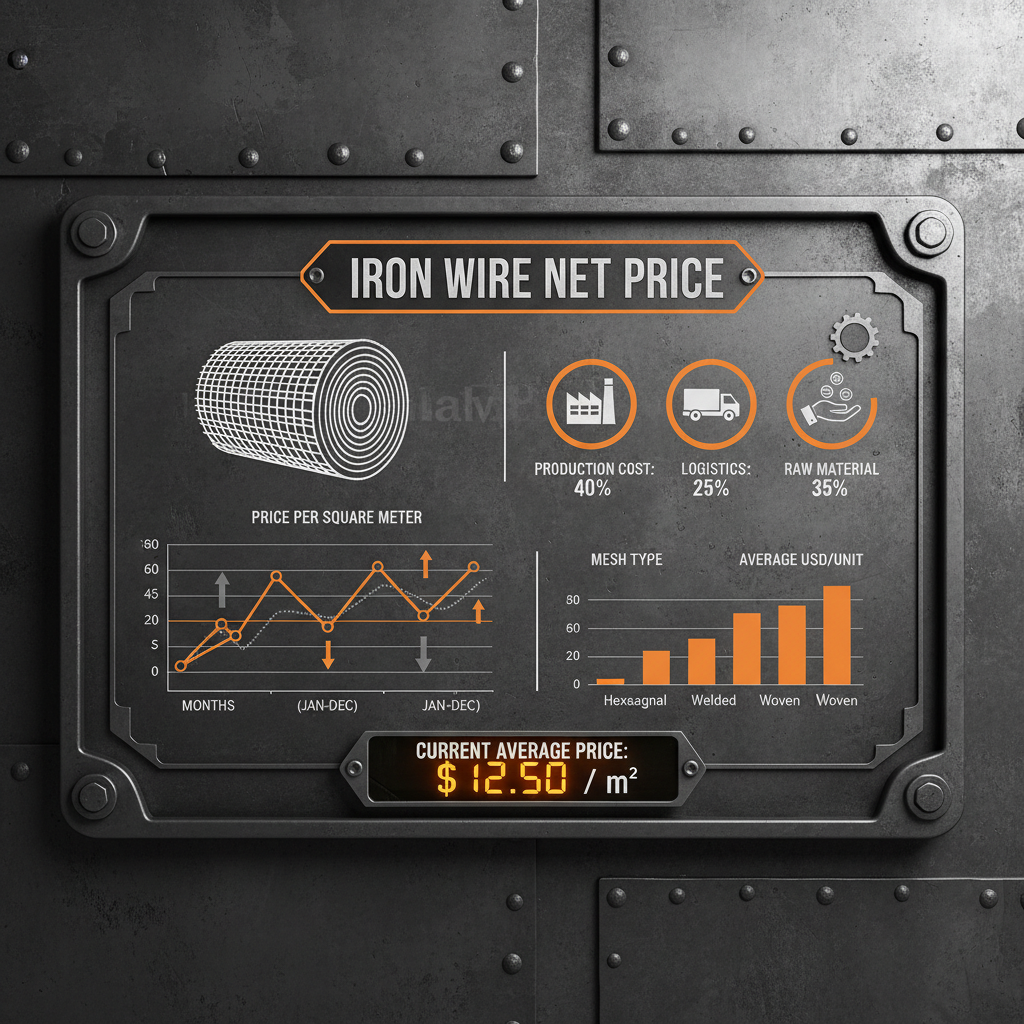
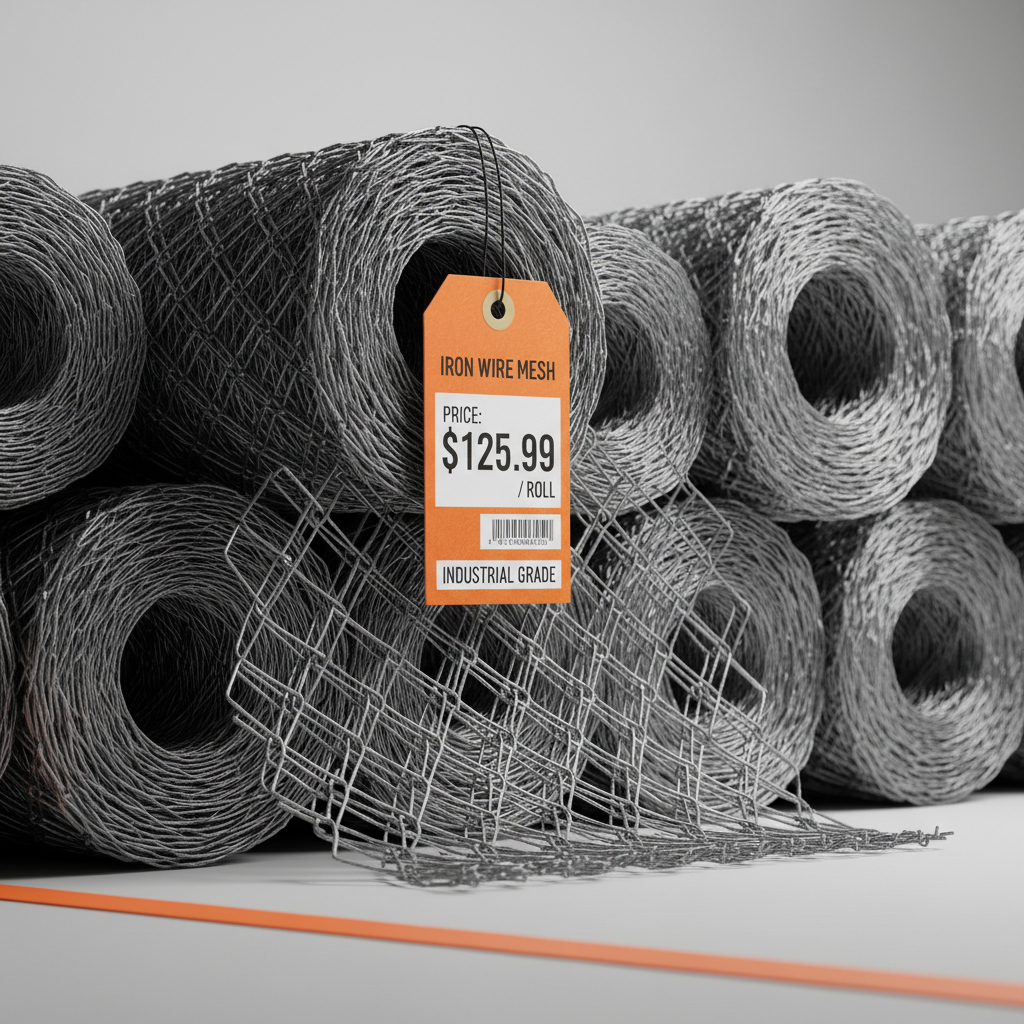
The global demand for effective and affordable infrastructure solutions is constantly increasing, and iron wire net price plays a critical role in meeting this demand. From agricultural fencing to industrial safety netting, the versatility and cost-effectiveness of iron wire netting make it a fundamental component in various sectors worldwide. Understanding the factors that influence iron wire net price, including material quality, gauge, mesh size, and market dynamics, is essential for informed decision-making in procurement and project planning. As global economies evolve and development needs expand, the importance of optimizing iron wire net price will only continue to grow.
Fluctuations in raw material costs, particularly iron ore and steel, directly impact the iron wire net price. Geopolitical events, trade policies, and production capacities of key manufacturers also contribute to price volatility. This volatility presents both challenges and opportunities for businesses and consumers. Strategic sourcing, long-term contracts, and a deep understanding of market trends are crucial for mitigating risk and securing competitive iron wire net price. Furthermore, the demand for sustainable and ethically sourced materials is increasingly influencing pricing models in the industry.
Ultimately, a comprehensive understanding of iron wire net price empowers stakeholders across diverse industries to manage costs effectively, ensure quality standards, and contribute to sustainable development. The ability to accurately assess and forecast price trends is a valuable asset in a competitive global landscape, driving innovation and efficiency in the production and application of iron wire netting. iron wire net price impacts everything from small farms to large-scale construction projects.
Introduction to Iron Wire Net Price
The term “iron wire net price” encompasses the total cost associated with acquiring iron wire netting, including the price of raw materials, manufacturing processes, transportation, and any applicable tariffs or taxes. It’s a dynamic figure, constantly shifting based on a complex interplay of global market forces. Understanding the nuances of this price structure is crucial for accurate budgeting, procurement, and project feasibility analysis. Variations in iron wire net price can have a significant impact on project costs, particularly in large-scale applications.
Beyond the immediate financial implications, the iron wire net price reflects the quality, durability, and sustainability of the product. Higher-quality netting, made from corrosion-resistant materials and employing robust manufacturing techniques, typically commands a premium price. However, the long-term benefits of investing in superior netting – reduced maintenance, increased lifespan, and enhanced performance – often outweigh the initial cost difference. This consideration is especially important when evaluating long-term infrastructure projects.
Defining Iron Wire Net Price and its Relevance
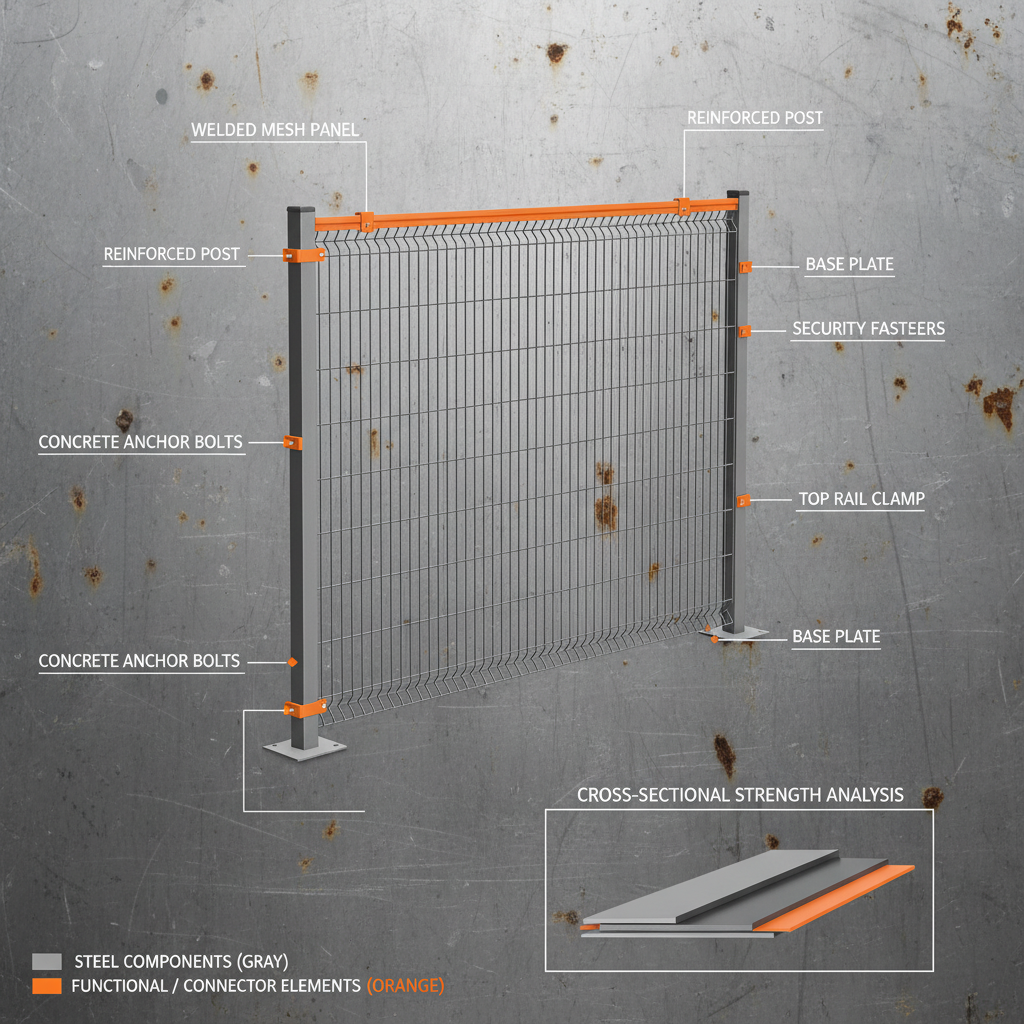
Iron wire net price, at its core, represents the monetary value assigned to a specified quantity of iron wire netting. This netting, formed by weaving or welding iron wires into a mesh, serves a multitude of purposes, ranging from simple garden fencing to complex industrial applications. The price is influenced by factors such as the gauge (thickness) of the wire, the mesh size (spacing between wires), the type of weave, and the coating applied for corrosion resistance. Determining a fair and competitive iron wire net price requires a thorough understanding of these variables.
In the context of modern industry, iron wire netting remains a vital component in sectors like agriculture, construction, mining, and security. Its affordability and versatility make it a preferred choice for creating barriers, providing support, and ensuring safety. The relevance extends to humanitarian applications as well, where it’s used in temporary shelters, refugee camps, and disaster relief efforts. Access to reasonably priced, high-quality iron wire netting is therefore crucial for both economic development and social well-being.
Moreover, the concept of iron wire net price has become increasingly linked to sustainable sourcing and ethical production practices. Consumers and businesses alike are now demanding transparency in supply chains, seeking assurance that the materials used in manufacturing are obtained responsibly and that workers are treated fairly. This demand is influencing pricing models and driving the adoption of more sustainable manufacturing processes.
Core Components Influencing Iron Wire Net Price
Several key components directly impact the iron wire net price. Firstly, the raw material cost of iron is a primary driver. Fluctuations in global iron ore prices, influenced by supply and demand dynamics, directly translate into changes in the price of iron wire. Secondly, the manufacturing process, including energy consumption and labor costs, contributes significantly to the overall cost. More sophisticated weaving or welding techniques typically increase the price.
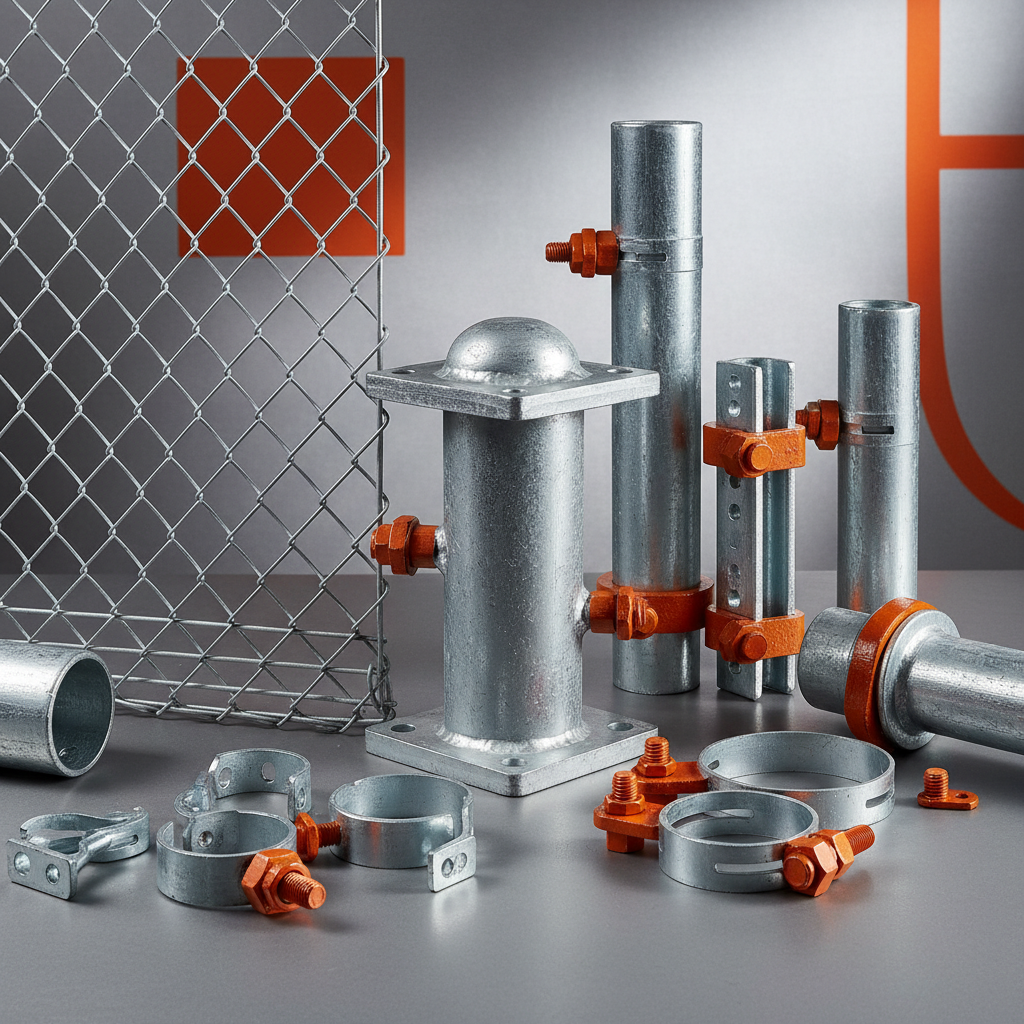
Thirdly, the coating applied to the wire for corrosion resistance, such as galvanization or PVC coating, adds to the iron wire net price. The type and thickness of the coating influence its protective properties and, consequently, its cost. Fourthly, transportation costs, particularly for international shipments, can significantly impact the final price. Distance, fuel prices, and shipping regulations all play a role.
Finally, market competition and supplier margins also influence the iron wire net price. A highly competitive market typically leads to lower prices, while suppliers with strong brand recognition or specialized offerings may command a premium. Understanding these components allows for more informed price negotiations and strategic sourcing decisions.
Global Applications of Iron Wire Netting
Iron wire netting boasts a remarkably diverse range of applications across the globe. In agriculture, it’s extensively used for fencing livestock, protecting crops from pests, and supporting climbing plants. In construction, it serves as reinforcement in concrete, safety netting on scaffolding, and erosion control measures. The mining industry utilizes it for slope stabilization, dust control, and perimeter security.
Furthermore, iron wire netting finds critical applications in security, forming barriers around sensitive areas, protecting infrastructure, and deterring unauthorized access. In post-disaster relief operations, it’s often used to create temporary shelters and reinforce damaged structures. In remote industrial zones, it provides essential perimeter security and helps prevent theft or vandalism.
Iron Wire Net Price Comparison by Application
Advantages and Long-Term Value Proposition
The advantages of utilizing iron wire netting extend beyond its immediate affordability. Its inherent strength and durability provide long-lasting protection and support, reducing the need for frequent repairs or replacements. This translates into significant cost savings over the lifespan of the application. The material's relatively low maintenance requirements further contribute to its long-term value proposition.
Furthermore, iron wire netting offers a sustainable and environmentally responsible solution. Iron is a recyclable material, minimizing waste and reducing the environmental impact of production and disposal. From a safety perspective, it provides a reliable barrier against hazards, protecting personnel and property. Investing in quality iron wire netting builds trust and confidence in the long-term integrity of any project.
Future Trends and Innovations in Iron Wire Netting
The future of iron wire netting is poised for innovation, driven by advancements in materials science and manufacturing technologies. The development of high-strength, lightweight alloys will likely lead to thinner, more durable netting with improved performance characteristics. The integration of smart technologies, such as embedded sensors for monitoring stress and strain, could enhance safety and predictive maintenance capabilities.
Furthermore, the increasing emphasis on sustainability will drive the adoption of eco-friendly coatings and production processes. Bio-based coatings and recycled iron materials will become more prevalent, reducing the environmental footprint of iron wire netting. Automation and digital transformation in manufacturing will optimize production efficiency and lower costs.
Challenges and Solutions for Optimizing Iron Wire Net Price
One of the primary challenges in maintaining optimal iron wire net price is the volatility of raw material costs. To mitigate this risk, businesses can explore long-term supply contracts, diversify their sourcing options, and invest in hedging strategies. Another challenge is ensuring consistent quality control throughout the manufacturing process. Implementing rigorous quality assurance procedures and adopting industry standards can help address this issue.
Transportation costs and logistical complexities can also significantly impact the iron wire net price. Optimizing supply chain management, consolidating shipments, and exploring alternative transportation routes can help reduce these costs. Finally, navigating trade regulations and tariffs requires expertise and careful planning. Staying informed about policy changes and seeking professional guidance can minimize potential disruptions.
Exploring alternative wire materials, such as high-tensile steel, and innovative weaving techniques can also contribute to cost reduction and improved performance. Furthermore, fostering collaboration between suppliers, manufacturers, and end-users can promote transparency and drive efficiency across the entire value chain.
Summary of Key Challenges and Solutions for Optimizing Iron Wire Net Price
| Challenge |
Impact on Iron Wire Net Price |
Proposed Solution |
Implementation Difficulty (1-5, 5=High) |
| Raw Material Cost Volatility |
Directly increases iron wire net price |
Long-term supply contracts, diversified sourcing |
3 |
| Quality Control Issues |
Leads to increased defects and rework costs |
Rigorous QA procedures, industry standards compliance |
2 |
| High Transportation Costs |
Adds significant expense, especially for imports |
Supply chain optimization, consolidated shipments |
4 |
| Trade Regulations & Tariffs |
Increases import costs and creates uncertainty |
Expert guidance, proactive policy monitoring |
4 |
| Limited Material Innovation |
Restricts opportunities for cost reduction and performance gains |
R&D investment in alternative materials and weaving techniques |
5 |
| Lack of Supply Chain Transparency |
Hinders efficient cost management and sustainability efforts |
Collaboration across the value chain, blockchain integration |
3 |
FAQS
The most significant factors influencing iron wire net price are the cost of raw materials (primarily iron ore and steel), energy prices used in manufacturing, transportation costs, and global supply and demand dynamics. Geopolitical events and trade tariffs can also have a substantial impact. Monitoring these factors is crucial for predicting price trends and securing competitive rates.
The gauge (thickness) of the wire directly impacts the iron wire net price. Thicker wire, represented by a lower gauge number, requires more material and is more difficult to process, thus increasing the cost. While thinner wire is cheaper, it offers less strength and durability, potentially leading to increased maintenance and replacement costs in the long run. Selecting the appropriate gauge is a trade-off between upfront cost and long-term value.
Galvanization is a process of applying a protective zinc coating to iron wire, enhancing its resistance to corrosion. This significantly extends the lifespan of the netting, particularly in harsh environments. Galvanized iron wire netting is more expensive than uncoated netting due to the additional processing step and the cost of the zinc. However, the increased durability and reduced maintenance requirements often justify the higher initial investment.
While traditional iron wire netting is recyclable, there’s growing interest in more sustainable alternatives. Exploring materials like high-tensile steel, which requires less material for equivalent strength, can reduce environmental impact. Furthermore, using recycled iron content in the wire and employing bio-based coatings are gaining traction. However, these alternatives often come with a higher initial price point, requiring a careful assessment of long-term benefits.
To negotiate a better price, research market rates from multiple suppliers, specify clear quantity and quality requirements, and consider entering into long-term contracts for volume discounts. Being flexible with delivery timelines and exploring alternative payment terms can also provide leverage. Furthermore, building strong relationships with suppliers based on transparency and mutual trust can lead to favorable pricing arrangements.
Trade tariffs imposed on imported iron or steel products directly increase the iron wire net price. These tariffs are essentially taxes levied on goods crossing international borders, adding to the overall cost of materials and transportation. Staying informed about current and pending tariff changes is crucial for accurate budgeting and procurement planning. Suppliers often pass these costs onto consumers.
Conclusion
In conclusion, the iron wire net price is a multifaceted metric influenced by a complex interplay of global market forces, material costs, manufacturing processes, and technological advancements. Understanding these factors is essential for making informed procurement decisions and ensuring cost-effective implementation across diverse applications, from agriculture and construction to security and disaster relief. Recognizing the long-term value proposition—durability, sustainability, and reduced maintenance—is paramount when evaluating initial costs.
Looking ahead, innovation in materials science and manufacturing will continue to shape the iron wire net price landscape. Embracing sustainable practices, diversifying sourcing strategies, and fostering collaboration across the supply chain will be crucial for optimizing costs and driving efficiency. For more information and competitive pricing on iron wire netting, visit our website at www.hardwareinstore.com.