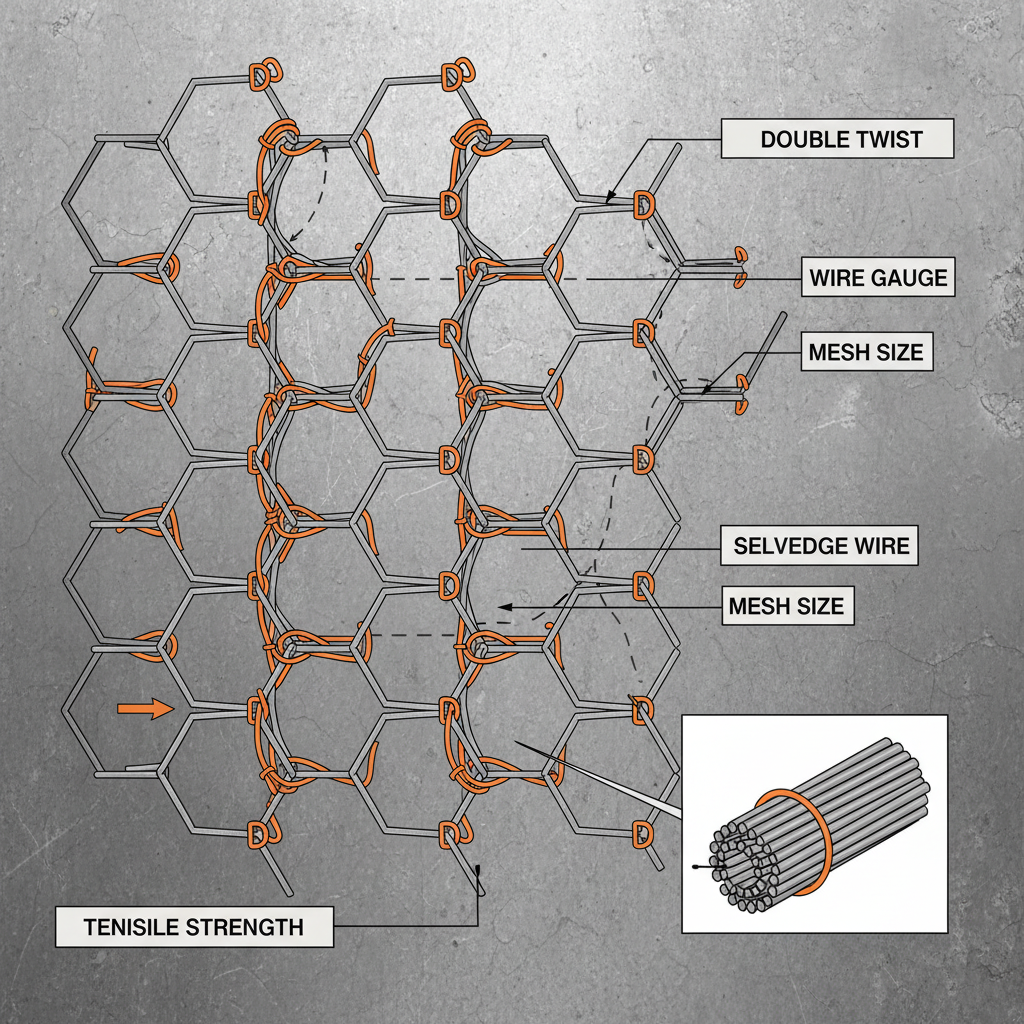
The utilization of hexagonal netting wire has become a cornerstone in modern fencing and containment solutions, offering a unique balance of flexibility and strength. Its distinctive honeycomb structure allows it to conform to uneven terrain while maintaining structural integrity, making it an indispensable tool for everything from agricultural livestock management to sophisticated erosion control projects.
Across the globe, the demand for high-quality wire mesh persists as industries seek materials that can withstand harsh environmental conditions without compromising on cost-efficiency. Understanding the technical nuances of these netting systems—such as wire gauge, coating types, and mesh size—is critical for engineers and contractors who aim to maximize the lifespan of their installations.
Whether it is used to protect delicate crops from wildlife or to stabilize soil in mountainous regions, the versatility of hexagonal netting wire ensures it remains a preferred choice. By exploring its global applications and the innovations driving its evolution, we can better appreciate how a simple geometric design solves complex structural challenges.
Global Relevance and Industrial Context
In the global marketplace, hexagonal netting wire plays a pivotal role in supporting food security and infrastructure stability. From the sprawling poultry farms of Southeast Asia to the riverbank restoration projects in Europe, the reliance on twisted hexagonal mesh is driven by its ability to be deployed rapidly across vast areas. According to industry standards aligned with ISO quality benchmarks, the adaptability of the mesh allows it to mitigate the risks of soil degradation and livestock loss.
However, the industry faces a persistent challenge: the battle against corrosion. In coastal regions or high-humidity environments, standard steel wires can degrade rapidly, leading to fence failure and economic loss. This has spurred a global shift toward advanced galvanization and PVC coating technologies, ensuring that the mesh can endure for decades rather than years, thereby reducing the total cost of ownership for large-scale industrial users.
Defining the Mechanics of Hexagonal Mesh
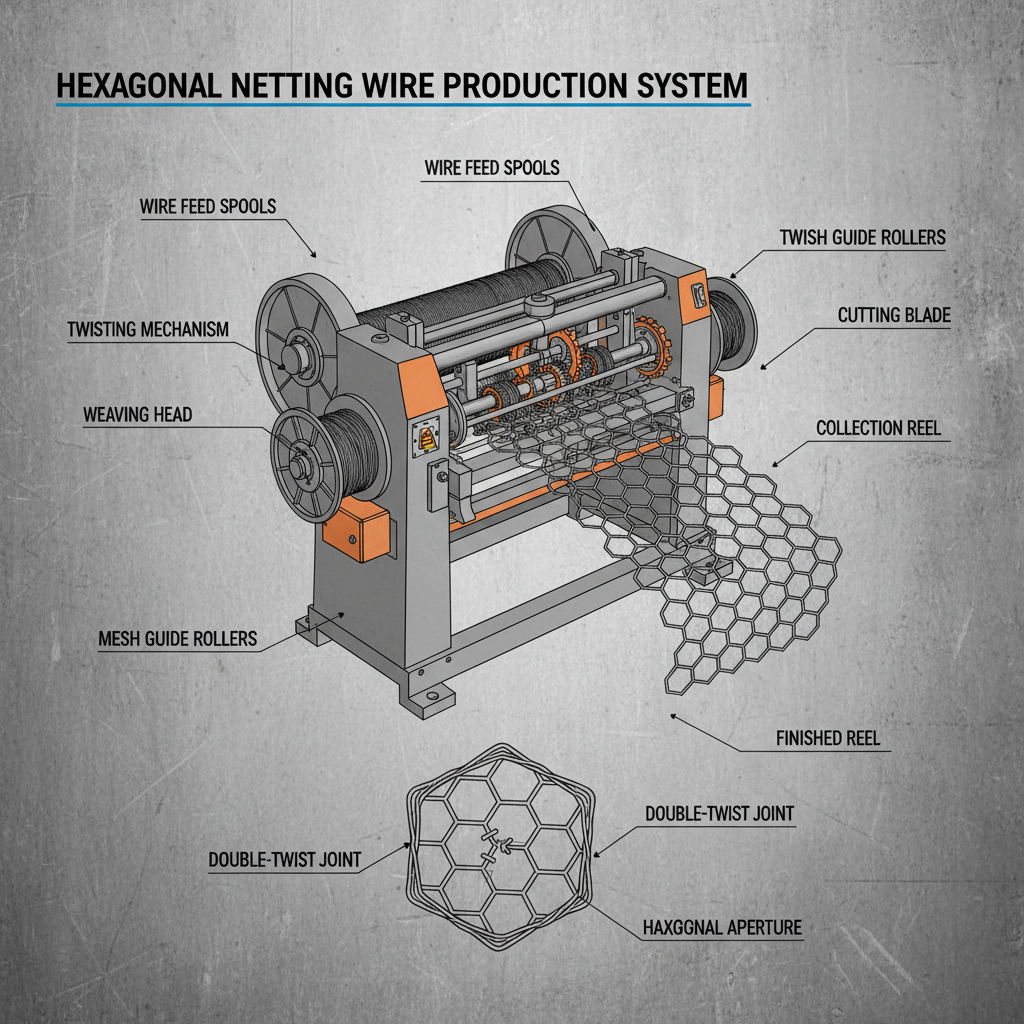
At its core, hexagonal netting wire is a specialized form of woven wire mesh where the wires are twisted together to form a repeating hexagonal pattern. Unlike welded mesh, which is rigid, the twisted nature of hexagonal netting allows the material to stretch and flex. This mechanical property is essential when installing fences on undulating ground, as the mesh can "flow" over the landscape without requiring constant cutting or precise anchoring at every inch.
Beyond simple boundaries, this material serves a critical humanitarian and environmental purpose. In disaster-prone areas, it is often utilized for temporary animal shelters or to create gabion-style barriers that prevent landslides. The interlocking geometry ensures that if one strand is compromised, the surrounding structure remains intact, providing a level of redundancy that is absent in simpler linear wire configurations.
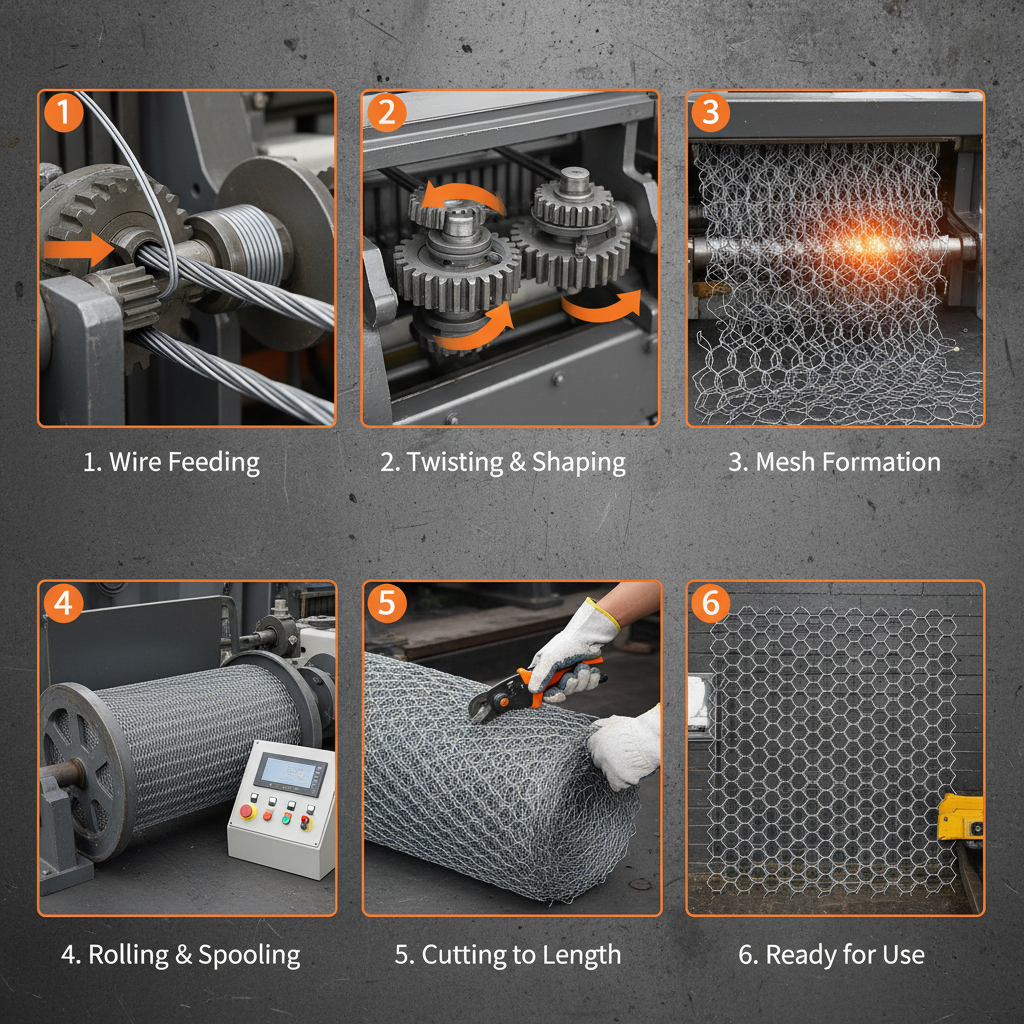
Modern manufacturing has evolved the process from manual twisting to high-speed automated weaving. This ensures a consistent aperture size—the "hole" in the mesh—which is vital for specific applications. For instance, a smaller mesh size is required for poultry containment, while a larger, heavier gauge is necessary for preventing large predators from entering a protected area.
Core Factors Influencing Performance
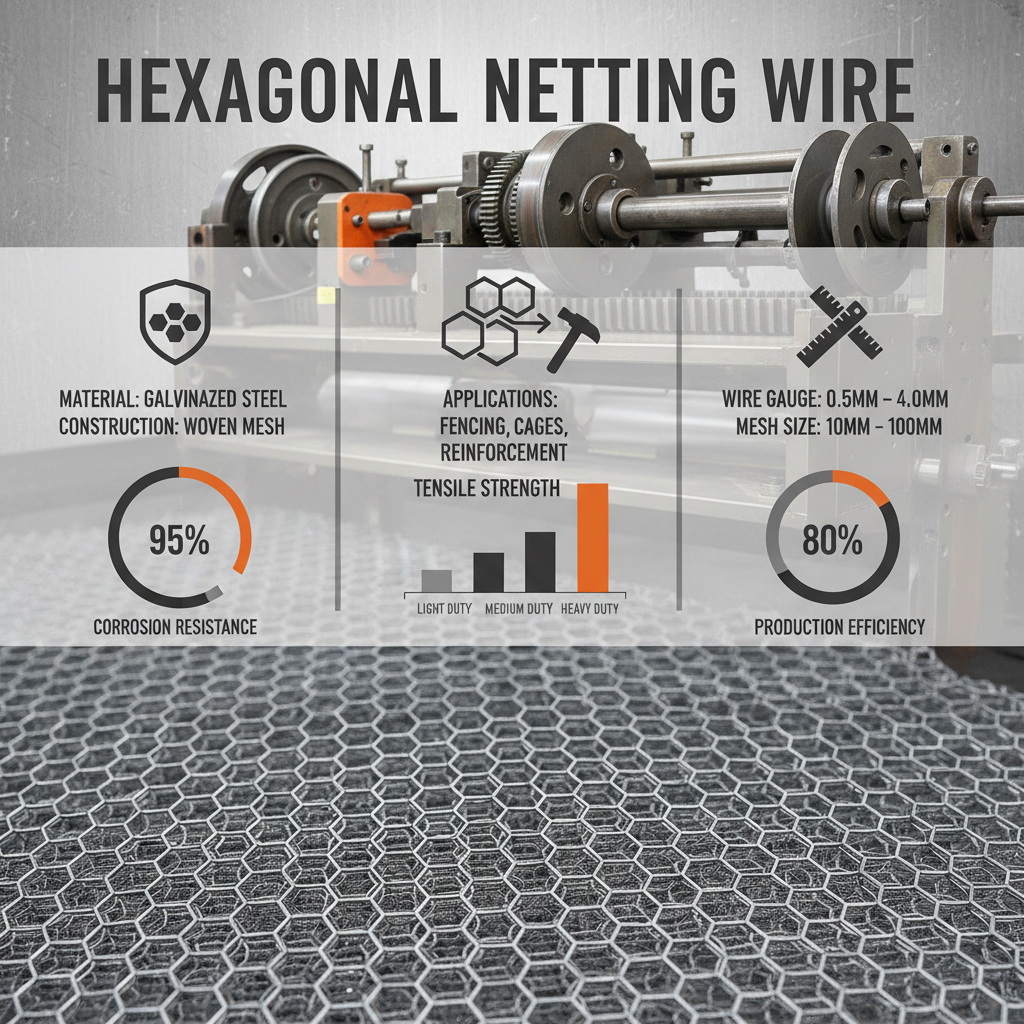
The durability of hexagonal netting wire is primarily dictated by the quality of its raw materials and the zinc coating thickness. A higher GSM (grams per square meter) of galvanization directly correlates to a longer lifespan in saline or acidic soil conditions, making it the primary factor for long-term procurement decisions.
Scalability and ease of installation are where this product truly excels. Because the hexagonal netting wire can be rolled and transported in compact bundles, it significantly lowers logistics costs for remote industrial zones, allowing a small crew to secure large perimeters in a fraction of the time required for concrete or wooden alternatives.
Cost-efficiency is achieved through the optimal use of steel. The hexagonal geometry provides maximum coverage with minimum material weight compared to square meshes of similar strength. This lean approach to engineering ensures that the end-user receives a high-strength barrier without paying for unnecessary excess metal.
Comparative Analysis of Mesh Efficiency
When evaluating the efficacy of different wire products, it becomes clear that hexagonal netting wire occupies a unique niche. While welded wire mesh offers superior rigidity for structural walls, the hexagonal variety provides unmatched versatility for biological and environmental containment. The ability to distort slightly under pressure prevents the fence from snapping during animal impact or soil shifts.
To better visualize the performance metrics, we compare various iterations of netting based on their application-specific ratings, including flexibility, corrosion resistance, and installation speed.
Performance Ratings of Hexagonal Netting Wire Variants
Global Applications and Use Cases
In real-world applications, hexagonal netting wire is a silent workhorse. In the agricultural sector of North America and Australia, it is the gold standard for creating "chicken wire" enclosures that protect livestock from predators while ensuring ventilation. Its lightweight nature allows farmers to create temporary pens that can be moved as grazing patterns shift, ensuring land is used efficiently.
Beyond the farm, environmental engineers utilize this mesh in "green" infrastructure. In remote industrial zones, it is often layered with coconut coir or geotextiles to create bio-logs for riverbank stabilization. By providing a skeletal structure for plants to take root, the netting prevents hydraulic erosion, effectively blending industrial strength with natural ecological recovery.
Long-Term Value and Sustainability
The long-term value of investing in premium hexagonal netting wire lies in its reliability and reduced maintenance cycle. When a high-quality galvanized mesh is used, the frequency of replacement drops significantly, which not only saves labor costs but also reduces the environmental footprint associated with manufacturing and transporting new steel.
From a sustainability perspective, steel is one of the most recycled materials on earth. The end-of-life cycle for these netting products involves simple smelting and reprocessing, fitting perfectly into the circular economy model. This makes the product an attractive choice for NGOs and government agencies that are mandated to use eco-friendly materials in their public works projects.
Moreover, there is a psychological value in the security provided by these barriers. Whether it is a gardener protecting their heritage roses or a farmer securing their livelihood, the trust placed in the structural integrity of the mesh provides peace of mind. This reliability fosters a sense of stability and dignity in rural communities where asset protection is synonymous with survival.
Future Trends and Technical Innovations
The future of hexagonal netting wire is being shaped by the intersection of materials science and automation. We are seeing the emergence of hybrid alloys that offer the strength of stainless steel with the cost-profile of galvanized carbon steel. These new materials are designed to be even more resistant to the corrosive effects of acid rain and industrial pollutants.
Automation is also refining the precision of the hexagonal weave. AI-driven quality control systems can now detect a single loose twist in a roll of thousands of meters, ensuring that every product leaving the factory meets rigorous safety standards. This reduction in human error leads to more predictable performance in high-stress environments, such as high-altitude erosion control.
Furthermore, the integration of "smart" coatings is on the horizon. Researchers are exploring the possibility of incorporating antimicrobial or hydrophobic agents into the PVC coating of the wire. This would make the mesh even more suitable for specialized veterinary environments or extreme marine conditions, expanding the utility of the hexagonal design into new industrial frontiers.
Technical Specifications and Application Suitability of Hexagonal Mesh
|
Coating Type
|
Corrosion Resistance (1-10)
|
Flexibility Index
|
Primary Use Case
|
| Hot-Dipped Galvanized |
9 |
High |
Agricultural Fencing |
| PVC Coated |
8 |
Medium |
Garden & Pet Enclosures |
| Electro-Galvanized |
6 |
Very High |
Indoor Craft/Temporary Use |
| Stainless Steel |
10 |
Medium |
Marine/Chemical Environments |
| Black Annealed |
4 |
High |
Construction Reinforcement |
| Zinc-Aluminium Alloy |
9 |
High |
High-Humidity Zones |
FAQS
Hexagonal netting is significantly more flexible, allowing it to be shaped around curved flower beds or uneven garden terrain without the need for constant cutting. Additionally, its twisted structure is generally more forgiving under pressure from wind or leaning plants, whereas welded mesh is rigid and can bend permanently or snap if forced into an awkward shape.
The lifespan depends on the galvanization method. Hot-dipped galvanized wire can typically last 10 to 20 years in standard outdoor environments, while electro-galvanized options may only last 2 to 5 years. For extreme coastal areas with high salt spray, PVC-coated or stainless steel variants are recommended to prevent premature rust and structural failure.
Yes, it is widely used for this purpose. When used in conjunction with organic materials (like straw or coconut fibers), it creates a stable matrix that holds soil in place while allowing vegetation to grow through the hexagonal apertures. This "bio-engineering" approach is highly effective for stabilizing riverbanks and steep slopes.
Absolutely. One of the main advantages of this material is its ease of installation. It can be cut with simple wire cutters and secured to fence posts using U-nails or heavy-duty ties. Because it conforms to the ground, you don't need the precision leveling required for rigid panel fencing.
Poultry netting usually features a smaller mesh aperture and a lighter wire gauge to prevent small birds from escaping or predators from entering. General-purpose hexagonal mesh often has a larger aperture and thicker wire to handle larger animals or structural loads, such as in gabion baskets or larger perimeter fences.
The choice depends on the "load" the fence must bear. For light gardening or bird protection, a thinner gauge (higher number) is sufficient. For livestock or erosion control, a thicker gauge (lower number) is necessary to provide the required tensile strength and impact resistance. Always consult a technical chart to match the gauge to the specific pressure of your environment.
Conclusion
In summary, hexagonal netting wire remains an unparalleled solution for a vast array of industrial, agricultural, and environmental challenges. Its unique blend of flexibility, structural redundancy, and cost-effectiveness ensures that it outperforms rigid alternatives in dynamic landscapes. By selecting the appropriate coating and gauge, users can achieve a high-performance barrier that balances immediate utility with long-term sustainability.
As we move toward a more eco-conscious industrial future, the evolution of this material—through smarter coatings and precision manufacturing—will only increase its relevance. Whether you are stabilizing a coastline or securing a farm, investing in high-quality hexagonal mesh is a strategic decision that ensures safety, efficiency, and longevity. To find the perfect specification for your next project, visit our website: www.hardwareinstore.com