
Nov . 27, 2025 00:00 Back to list
Understanding High Tensile Welded Mesh: Benefits, Uses, and Vendors
What Is High Tensile Welded Mesh and Why It Matters Globally
At first glance, high tensile welded mesh might seem like just another industrial material, but it’s really a quiet giant in construction, agriculture, and infrastructure worldwide. This specialized steel mesh offers remarkable strength, durability, and versatility — tackling challenges from reinforcing concrete to providing secure fencing in disaster zones or remote industrial areas.
Understanding its full potential isn’t just technical jargon; it’s about realizing how the right materials can transform communities, protect environments, and save costs over time. In a world increasingly pressed for sustainable yet resilient solutions, learning about products like high tensile welded mesh is more relevant than ever.
The Global Context: Why High Tensile Welded Mesh Is More Than Just Steel
Globally, infrastructure demands are booming. The United Nations projects over 2 billion new urban residents by 2050, increasing the need for robust building materials.1 Meanwhile, climate disruptions and natural disasters force architects and humanitarian groups to rethink resilience. And industries like mining, agriculture, and transport need durable barriers and reinforcements that last.
High tensile welded mesh plays a key part in addressing these demands by offering both strength and flexibility where many conventional materials fall short. In many developing regions, it’s a practical tool against soil erosion, livestock containment, and even makeshift shelters — allowing quick deployment of reliable structures.
Oddly enough, while the global building market sees attention on green policies and digital tech, the quiet evolution of construction materials like this mesh often flies under the radar — yet it’s the backbone in many projects.
Breaking It Down: What Exactly Is High Tensile Welded Mesh?
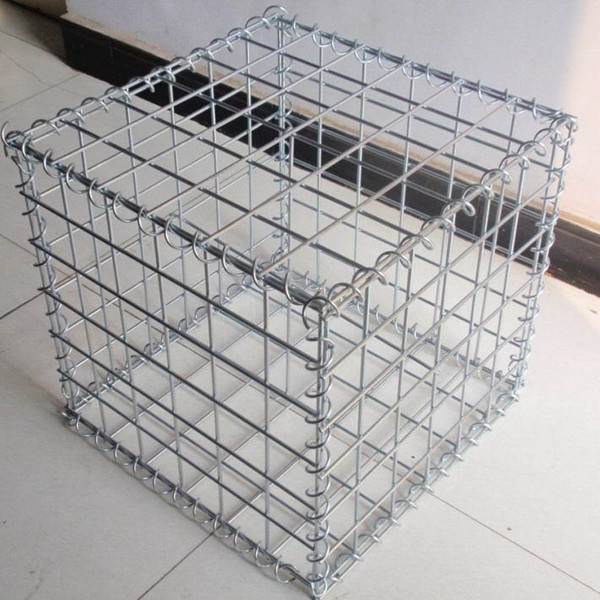
Let’s slow down and define things simply. High tensile welded mesh is a grid-like structure made by welding together steel wires that have high tensile strength — meaning they resist breaking under tremendous stress. The “welded” part means the intersections are permanently fused, unlike tied or woven alternatives.
This creates a rigid yet adaptable netting perfect for reinforcing concrete slabs, fencing off hazardous areas, or supporting other industrial applications. Its strength comes from the steel’s carbon content and manufacturing process, making it stronger and lighter than traditional wire mesh types.
Modern industry relies on such materials for buildings, roads, mining safety barriers, and even agricultural fencing because it combines durability with ease of transport and installation. In humanitarian contexts — for camps or post-disaster rebuilding — its quick installation times and reusability add huge value.
Core Components That Define Quality and Usefulness
Durability and Corrosion Resistance
High tensile welded mesh often comes galvanized or coated to withstand harsh environments without rusting. This is critical for outdoor fencing, coastal installations, or industrial sites exposed to chemicals.
Mesh Size and Wire Diameter
The space between wires (mesh size) and thickness (wire diameter) dictate strength and flexibility. Smaller openings with thicker wire mean higher strength — but also more material cost. It’s a balancing act engineers must master.
Ease of Installation
Because the sheets come pre-fabricated in standard sizes, deployment is straightforward. This reduces labor costs, mistakes, and speeds up timelines — especially useful in emergency setups.
Cost Efficiency
Though initial cost can be higher than some alternatives, the longevity and minimal maintenance make it very cost-effective over time. It’s a great example of how upfront investment pays off.
Product Specifications at a Glance
| Specification | Typical Range | Notes |
|---|---|---|
| Wire Diameter | 2.0 mm – 5.0 mm | Thicker for heavy-duty uses |
| Mesh Size | 50 mm x 50 mm to 200 mm x 200 mm | Smaller size = stronger support |
| Tensile Strength | 550 – 850 N/mm² | Material depends on wire quality |
| Coating | Galvanized / PVC coated / None | For corrosion protection |
| Standard Sheet Size | 2.4 m x 12 m (or custom) | Easier transport and installation |
How High Tensile Welded Mesh Is Changing Industries Around the World
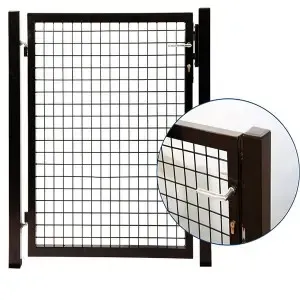
You’ll find this mesh quietly performing feats across continents. For example, in Africa and Asia, it's used in agricultural fencing to protect crops against wildlife and theft — often in regions where replacement materials are scarce.2 In Europe, it reinforces concrete in urban construction while meeting stringent ISO standards.3 In disaster relief zones, quick-to-install fencing boundaries help control project zones or create secure areas.
Mining companies in Australia and South America rely on robust welded mesh barriers for safety, containing debris and preventing unauthorized access. Even in remote industrial zones, its lightweight, modular format makes it practical.
Vendor Comparison: Choosing the Right Supplier
| Vendor | Range of Mesh Sizes | Coating Options | Bulk Order Discounts | Delivery Time |
|---|---|---|---|---|
| SteelStrong Inc. | 50-150 mm | Galvanized, PVC | 10% on 100+ sheets | 2 weeks |
| MeshMaster | 75-200 mm | Galvanized only | 15% on 200+ sheets | 3 weeks |
| Durafence Ltd. | 50-100 mm | PVC Coated only | 5% on 50+ sheets | 1 week |
Advantages and Long-Term Value of High Tensile Welded Mesh
Engaging with this material feels like investing in peace of mind. It offers high resistance to wear — consider a fence that lasts decades in harsh weather rather than needing replacement every few years. It’s also sustainable: many meshes are recyclable steel and require less frequent maintenance, reducing waste and costs.
On a social level, farms secured by durable fencing protect livelihoods, families sleep easier knowing their property is guarded, and construction sites maintain safety standards without costly delays.
Emerging Trends and Innovations Shaping the Future
There’s been a subtle but steady push to integrate green technologies with these meshes. New coatings use less toxic chemicals, and manufacturers experiment with automated welding to improve precision and reduce energy use. Some researchers are even looking at composite materials that blend carbon fibers for extra strength at lower weight.
Digital tracking and QR-coded materials can soon make supply chain transparency easier — something NGOs and contractors alike welcome when handling bulk orders in varied geographies.
Challenges and How Industry Experts Are Tackling Them
Despite its strengths, challenges remain. One is corrosion in extreme marine or chemical environments — even galvanized steel can degrade over decades. Another is transport logistics for massive sheets in remote areas, which can delay projects.
Experts suggest a mix of localized coating processes, modular design adjustments, and partnering with local suppliers to ease these pain points. The key is flexibility, not just strength.
FAQs About High Tensile Welded Mesh
- How does high tensile welded mesh differ from regular wire mesh?
- High tensile welded mesh uses stronger steel wires welded at intersections to provide enhanced strength and rigidity, unlike woven or tied wire mesh which is more flexible but less strong. This makes it ideal for applications requiring load-bearing capacity or security.
- Is installation of high tensile welded mesh complicated?
- Not really. The mesh comes in standardized sheets or rolls that can be quickly fixed into place using stakes, frames, or fittings. Most professionals find it straightforward, which saves on labor costs and time.
- Can high tensile welded mesh be recycled?
- Yes, since it’s mainly steel, it’s highly recyclable. Surface coatings might need handling, but scrap steel recyclers accept these materials widely, supporting sustainability goals.
- In what climates can this mesh be used effectively?
- With proper coatings (galvanized or PVC), high tensile welded mesh performs well in most climates — from humid tropics to dry deserts and cold alpine zones. The key is selecting the right finish based on expected exposure.
- Where can I buy reliable high tensile welded mesh?
- Vendors like SteelStrong, MeshMaster, and Durafence (see comparison above) offer a range of quality options worldwide. For convenient sourcing, visit our partner site to explore current inventories and pricing.
Wrapping Up: Why You Should Pay Attention to High Tensile Welded Mesh
The humble high tensile welded mesh quietly supports global infrastructure, agricultural security, and humanitarian efforts alike. Its unique balance of strength, durability, and versatility makes it an investment with long-term payoff — economically, socially, and environmentally.
Curious to find out which mesh suits your project? Visit our website today for expert guidance and premium product options tailored to your needs.
Mini takeaway: High tensile welded mesh isn't just steel laid out flat—it's a key ingredient in building safer, more resilient futures worldwide.
References
-
The Ultimate Guide to Hardware Cloth 1x1 Versatility and Strength
NewsApr.16,2026
-
Ultimate Guide to hardware cloth 1 4 mesh for Strength and Versatility
NewsApr.09,2026
-
Comprehensive Guide to Hardware Cloth 1/4 Inch Mesh for Versatile Applications
NewsApr.07,2026
-
Comprehensive Guide to Hardware Cloth 1 2 Inch Mesh 36 Applications and Benefits
NewsApr.04,2026
-
Comprehensive Guide to Gi Wire Mesh for Fencing and Its Applications
NewsMar.31,2026
-
Comprehensive Guide to GI Square Mesh Applications and Benefits
NewsMar.28,2026