
Apr . 04, 2026 02:35 Back to list
Comprehensive Guide to Hardware Cloth 1 2 Inch Mesh 36 Applications and Benefits
Understanding Hardware Cloth 1 2 Inch Mesh 36
When undertaking projects requiring secure enclosures, pest control, or durable surfaces, hardware cloth is a versatile and reliable solution. Specifically, hardware cloth 1 2 inch mesh 36 offers a unique balance of strength, flexibility, and affordability. This article will delve into the specifics of this particular mesh size, exploring its applications, benefits, and considerations for choosing the right product. Understanding these details will empower you to make informed decisions for your projects.
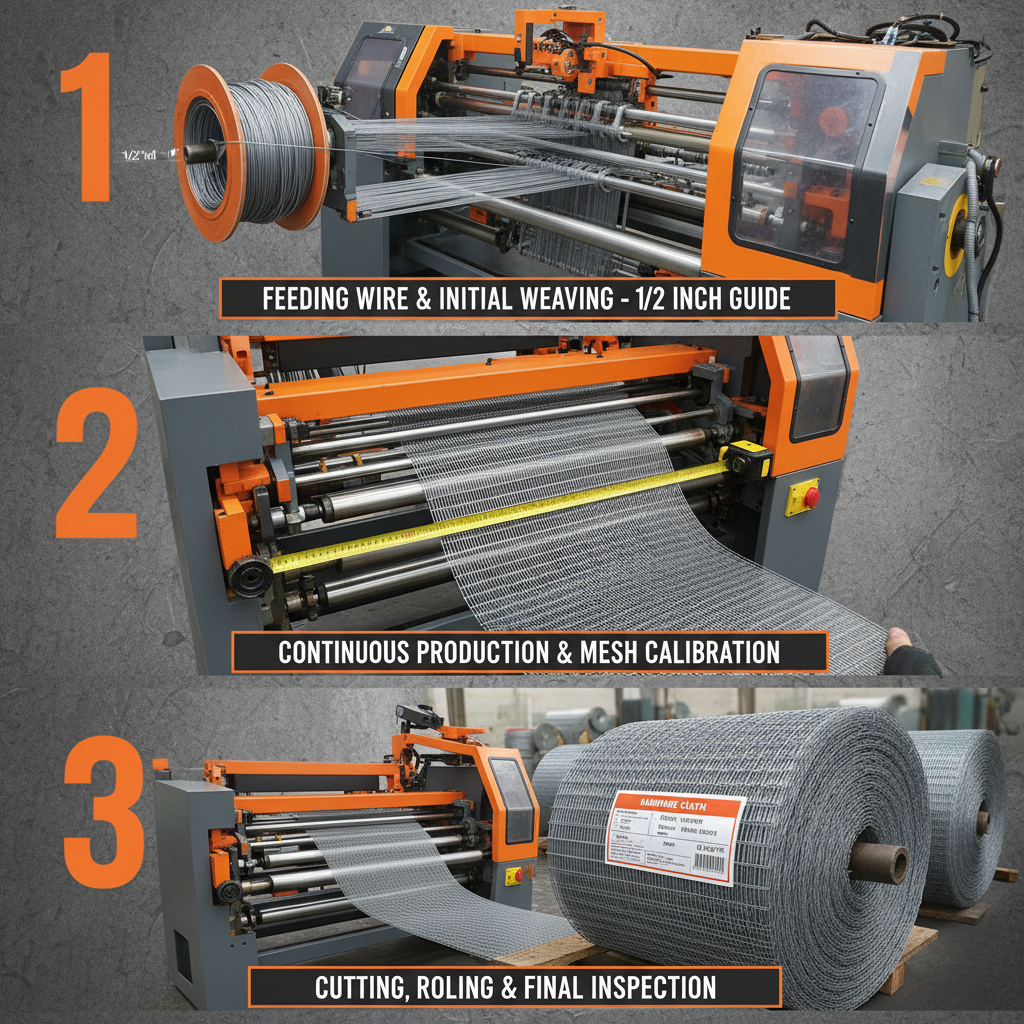
What Does "1 2 Inch Mesh 36" Mean?
The terminology "1 2 inch mesh 36" refers to the specific dimensions and construction of the hardware cloth. '1 2 inch' indicates the size of the openings (or mesh) within the cloth – meaning there's roughly a ½ inch space between each wire. '36' denotes the gauge of the wire used, with lower numbers indicating thicker, more durable wire. A gauge of 36 represents a reasonably sturdy wire suitable for a wide range of applications. This combination offers a good balance between allowing for airflow/visibility and providing robust protection against pests and physical damage.
Key Takeaway: The lower the gauge number, the thicker and stronger the wire. A ½ inch mesh provides a reasonable barrier against many common pests while maintaining visibility and airflow.
Common Applications for Hardware Cloth 1 2 Inch Mesh 36
The versatility of hardware cloth 1 2 inch mesh 36 makes it ideal for numerous projects. These include creating secure animal enclosures (chicken coops, rabbit hutches), building garden barriers to protect plants from pests, reinforcing screens and windows, crafting ventilation systems, and even creating custom crafts. Its durability and resistance to weathering make it suitable for both indoor and outdoor applications. It’s also frequently used in DIY projects and repairs around the home.
Comparing Mesh Sizes: Choosing the Right Fit
Selecting the appropriate mesh size is crucial for project success. While 1 2 inch mesh 36 is a popular choice, other options exist. Smaller mesh sizes (e.g., ¼ inch) provide greater protection against smaller pests but can restrict airflow and visibility. Larger mesh sizes (e.g., 1 inch) are better suited for applications where pest control isn’t a primary concern and airflow is paramount. Consider the specific needs of your project when making your selection.
Material and Durability Considerations
Hardware cloth is typically made from galvanized steel, providing excellent corrosion resistance. However, consider the environment where it will be used. In particularly harsh conditions (e.g., saltwater exposure), stainless steel hardware cloth might be a better long-term investment, despite the higher cost. The ‘36’ gauge wire used in this mesh size offers a good balance of strength and workability, allowing for easy cutting and shaping without sacrificing durability.
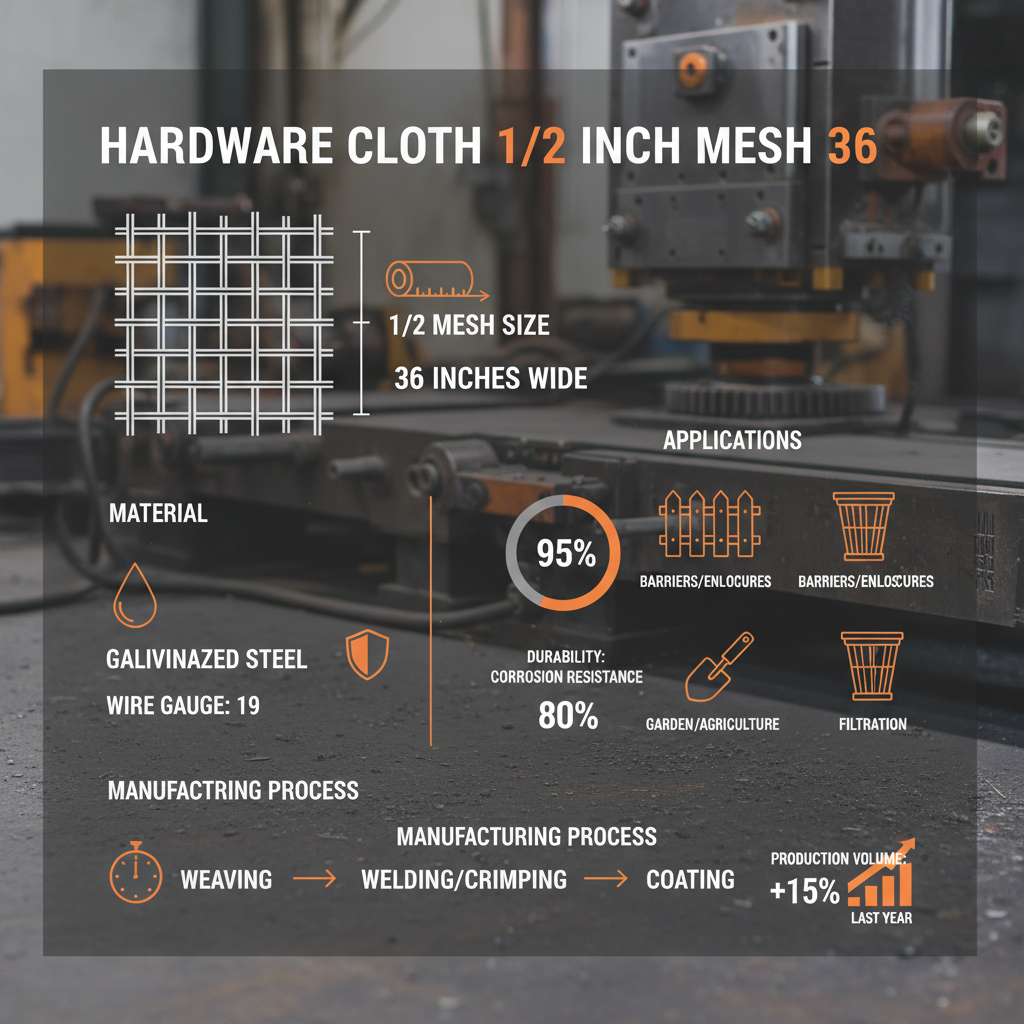
Where to Purchase Quality Hardware Cloth 1 2 Inch Mesh 36
For reliable and high-quality hardware cloth 1 2 inch mesh 36, Hardwareinstore.com is a trusted source. They offer a wide selection of mesh sizes and gauges, along with competitive pricing and excellent customer service. Ensure you are purchasing from a reputable supplier to guarantee the quality and durability of the product.
Conclusion: Choosing the Right Hardware Cloth
Hardware cloth 1 2 inch mesh 36 provides a practical and durable solution for a vast array of projects. By understanding its specifications, applications, and the importance of material selection, you can ensure you choose the right product for your needs. Hardwareinstore.com offers a comprehensive selection to help you get started.
Frequently Asked Questions (FAQs)
How do I cut hardware cloth safely?
Cutting hardware cloth requires caution due to the sharp edges. Always wear heavy-duty gloves and eye protection. Use wire cutters or tin snips for a clean cut. Avoid using scissors, as they can bend and damage the mesh. To minimize unraveling, you can bend the cut ends inward or cover them with duct tape. Ensure you have a stable surface and work in a well-lit area. Proper tools and protective gear are essential for a safe and efficient cutting experience.
How do I attach hardware cloth to wood?
There are several methods for attaching hardware cloth to wood. Stapling is a common and quick option, using a heavy-duty staple gun. Ensure the staples are long enough to penetrate both the cloth and the wood securely. Alternatively, you can use small nails or screws with washers. Pre-drilling pilot holes can prevent the wood from splitting. For a more permanent and professional finish, consider using hardware cloth clips or tying the cloth with wire. The best method depends on the application and desired level of security.
What is the difference between galvanized and stainless steel hardware cloth?
Both galvanized and stainless steel hardware cloth offer corrosion resistance, but they differ in their composition and performance. Galvanized steel is coated with a layer of zinc, providing good protection against rust at a lower cost. Stainless steel, however, contains chromium, which forms a self-repairing oxide layer that offers superior corrosion resistance, especially in harsh environments like saltwater exposure. Stainless steel is more expensive but provides a longer lifespan and requires less maintenance.
Can hardware cloth be painted?
While it's possible to paint hardware cloth, it requires proper preparation to ensure the paint adheres properly and doesn't quickly peel or flake. First, thoroughly clean the cloth to remove any oil, dirt, or debris. Then, apply a metal primer specifically designed for galvanized or stainless steel. Finally, apply a coat of exterior-grade paint. However, keep in mind that painting can reduce the cloth's corrosion resistance, so consider the potential trade-offs.
-
The Ultimate Guide to Hardware Cloth 1x1 Versatility and Strength
NewsApr.16,2026
-
Ultimate Guide to hardware cloth 1 4 mesh for Strength and Versatility
NewsApr.09,2026
-
Comprehensive Guide to Hardware Cloth 1/4 Inch Mesh for Versatile Applications
NewsApr.07,2026
-
Comprehensive Guide to Gi Wire Mesh for Fencing and Its Applications
NewsMar.31,2026
-
Comprehensive Guide to GI Square Mesh Applications and Benefits
NewsMar.28,2026