
Nov . 26, 2025 22:00 Back to list
Heavy Welded Wire Mesh: Durable Solutions for Infrastructure & Industry
Understanding Heavy Welded Wire Mesh: Why It Matters More Than You Think
Heavy welded wire mesh might sound like a straightforward industrial product — basically a grid of thick steel wires welded at intersections — but its impact is anything but simple. From construction sites in bustling cities to humanitarian relief zones, this material quietly roots itself in countless projects that keep structures safe, secure, and standing tall. If you’ve ever wondered why some fences look sturdier, or how certain building reinforcements last decades, that’s probably heavy welded wire mesh at work.
Globally, its relevance has grown alongside infrastructure expansion and safety regulations. Properly understanding and choosing the right mesh can make a tangible difference in project durability, cost efficiency, and long-term sustainability — all desperately needed in industries and regions striving to build better, safer futures.
The Global Context: Why Heavy Welded Wire Mesh is a Key Player Today
It's no secret that global infrastructure investments are surging. According to the World Bank, worldwide infrastructure spending is expected to approach $3.7 trillion per year by 2030. With urbanization rates booming, especially in Asia and Africa, there’s an urgent need for materials that combine strength, longevity, and rapid deployment.
Heavy welded wire mesh addresses a common pain point: the demand for robust reinforcing materials that can withstand environmental stressors like erosion, seismic activity, and heavy loads. In humanitarian contexts—such as refugee housing or post-disaster rebuilding—this mesh enables quick, durable setups where speed and safety are paramount.
Defining Heavy Welded Wire Mesh in Plain Terms
At its core, heavy welded wire mesh is a network of steel wires arranged in a grid pattern, each crossing point welded securely using automated processes. The "heavy" part refers to the thick gauge of these wires, which can range from 6 gauge (about 4.1 mm) up to even thicker profiles for demanding applications.
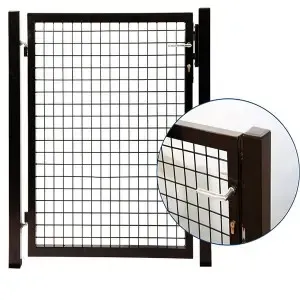
Modern applications leverage this mesh for everything from concrete reinforcement and perimeter fencing to gabion walls and even safety cages. It bridges the old and the new: reliable steel craftsmanship meeting today's needs for speed and scalability.
Key Components and Factors of Heavy Welded Wire Mesh
Durability
The thick wires and strong welds mean this mesh can resist bending and fracturing under significant load or pressure. For engineers, it’s the go-to choice when long service life is non-negotiable.
Corrosion Resistance
Often galvanized or coated with PVC, heavy welded wire mesh withstands rust and weather damage — crucial for outdoor and coastal applications.
Scalability and Flexibility
Available in large sheets or rolls, it can be customized to various sizes and shapes, adapting from small fencing jobs to large construction frameworks.
Cost Efficiency
Compared to alternatives like rebar cages or bespoke metalwork, it offers a balanced blend of upfront cost and lifespan value.
Installation Ease
Because it’s prefabricated and uniform, installation times shrink, saving on labor and reducing errors during setup — a subtle but important advantage.
Mini Takeaway:
Heavy welded wire mesh isn’t just “wire on a roll.” Its design and finishing mean that, in real terms, it offers toughness, long life, and adaptability for many structural needs.
Where and How Heavy Welded Wire Mesh Makes a Difference Globally
Across continents, industries and sectors tap into the mesh’s versatility.
- Construction: Reinforcement of concrete beams, slabs, and columns to boost tensile strength and minimize cracking.
- Infrastructure: Bridge support mesh and retaining wall frameworks that endure heavy loads and environmental strain.
- Agriculture: Animal enclosures and protective barriers, especially where durability is key.
- Disaster Relief: Emergency shelters and fencing around relief camps for security and fast assembly.
- Mining & Industrial: Safety cages, machine guards, and vibration dampening meshes.
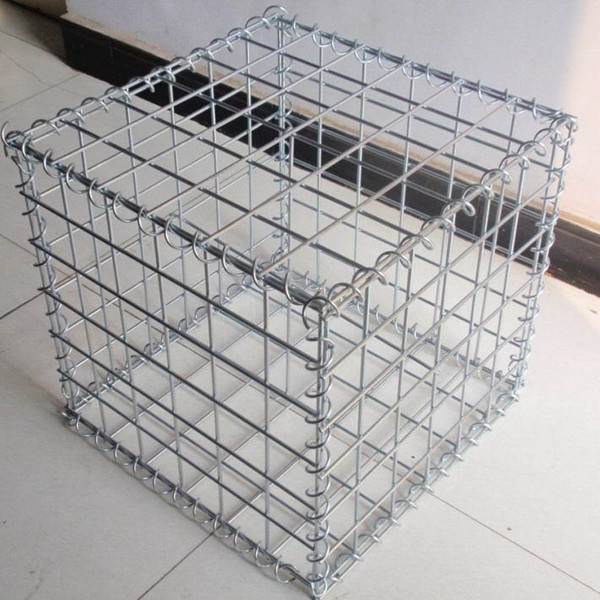
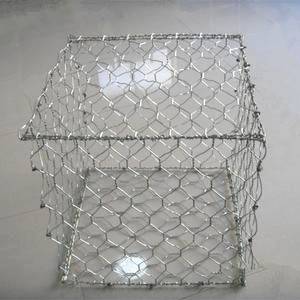
For example, in Southeast Asia's flood-prone regions, heavy welded wire mesh is often used to build gabion baskets that protect riverbanks and strengthen levees. Similarly, aid organizations employ it to quickly stabilize temporary shelters, saving lives and equipment from potential harm.
Mini Takeaway:
This mesh isn’t limited by geography or industry — its adaptability connects a wide range of uses that require toughness married with quick deployment.
Advantages and Long-Term Value of Choosing Heavy Welded Wire Mesh
Aside from the obvious — strength and durability — many engineers point out emotional and social benefits. Robust fencing can enhance safety in vulnerable neighborhoods, creating peace of mind. Reliable reinforcement means fewer repairs, minimizing disruption and cutting costs over years. Plus, sustainable coatings reduce replacement needs, fitting with global moves toward greener materials.
| Specification | Value |
|---|---|
| Wire Diameter | 4.0 to 10 mm (6 to 11 gauge) |
| Mesh Size | 50 mm x 50 mm to 150 mm x 150 mm |
| Material | Low carbon steel, galvanized or PVC coated |
| Standard Sheet Size | 2m x 6m or custom lengths |
| Finish | Hot-dip galvanized or powder coated |
| Tensile Strength | Approx. 450 N/mm² |
Comparing Leading Heavy Welded Wire Mesh Vendors
| Vendor | Product Range | Customization Options | Lead Time | Certifications | Pricing |
|---|---|---|---|---|---|
| SteelGrid Co. | Standard & heavy duty mesh panels | Custom sizes, coatings | 2 weeks | ISO 9001, ASTM compliance | Mid-range |
| WireTech Solutions | Heavy gauge steel mesh, PVC coated | Modular designs | 3 weeks | ISO 14001, CE Marking | Slightly premium |
| HardWeld Mesh | Reinforcement mesh, industrial fencing | Limited custom options | 1 week (stock items) | ASTM A185 certified | Budget-friendly |
Looking Forward: Innovations Shaping the Future of Heavy Welded Wire Mesh
Green energy and sustainability are not just buzzwords but priorities deeply embedded into material science today. Researchers are experimenting with advanced coatings that simultaneously increase corrosion resistance and reduce environmental impacts from galvanizing processes.
Moreover, digital transformation is influencing production: AI-powered welders now monitor weld consistency in real-time, improving quality and reducing waste. Automation shortens lead times and opens possibilities for customized mesh tailored precisely to engineering specs.
There’s also growing interest in hybrid materials—blending steel mesh with polymers for flexibility in seismic zones. While still emerging, these trends suggest the heavy welded wire mesh you knew five years ago will feel quite different (and smarter) in a decade.
Challenges and Solutions: Navigating the Pitfalls
Despite its strengths, heavy welded wire mesh isn’t free from challenges. For instance, improper handling can cause damage at joints or during transport, compromising structural integrity.
Another tricky bit is corrosion in extremely aggressive environments — like saltwater coastlines or chemical plants — where even galvanized surfaces can fail prematurely.
Experts suggest multiple solutions:
- Strict quality control during production to maintain weld integrity.
- Use of specialized coatings—like epoxy or powder coats—to extend lifespan.
- Staff training for safe handling and installation practices.
- Regular inspection and maintenance schedules.
FAQ: Your Questions About Heavy Welded Wire Mesh Answered
Q1: What are the typical thickness options for heavy welded wire mesh?
A1: Wire diameters generally range from around 4 mm (about 6 gauge) up to 10 mm or more depending on the application. Thickness is chosen based on load requirements and environmental factors, so heavier-gauge wires suit high-stress projects like bridge reinforcement.
Q2: How does galvanization enhance heavy welded wire mesh?
A2: Galvanization coats steel wire with a layer of zinc to protect against rust and corrosion. This is particularly important for outdoor mesh exposed to weather. The zinc acts as a sacrificial barrier, preserving the steel underneath for decades.
Q3: Can heavy welded wire mesh be cut to custom sizes on site?
A3: Yes, one advantage of this mesh is that it can be trimmed using bolt cutters or angle grinders for onsite adjustments. However, cutting may expose raw steel edges, so re-coating the cut parts or planning sizes ahead can improve longevity.
Q4: Is heavy welded wire mesh recyclable?
A4: Absolutely. Steel is one of the most recycled materials worldwide. Mesh scrap can be processed repeatedly without losing strength, aligning well with sustainability goals in construction and manufacturing.
Q5: Where can I source certified quality heavy welded wire mesh?
A5: Look for vendors with ISO 9001 or ASTM certifications and transparent quality management. At Hardware In Store, certified meshes with detailed specs are available, helping you make trustable choices.
In Closing: Why Heavy Welded Wire Mesh Deserves Your Attention
Choosing the right heavy welded wire mesh isn’t just about steel grids and welds. It’s about building resilience into structures, enabling quick setups in crises, and investing smartly for long-term savings. It feels a little like choosing the backbone for projects that literally hold things together — and that’s a responsibility you want to get right.
If you’re interested in exploring options or custom solutions, a good next step is to visit Hardware In Store where expertise meets quality products ready for your next challenge.
References
-
The Ultimate Guide to Hardware Cloth 1x1 Versatility and Strength
NewsApr.16,2026
-
Ultimate Guide to hardware cloth 1 4 mesh for Strength and Versatility
NewsApr.09,2026
-
Comprehensive Guide to Hardware Cloth 1/4 Inch Mesh for Versatile Applications
NewsApr.07,2026
-
Comprehensive Guide to Hardware Cloth 1 2 Inch Mesh 36 Applications and Benefits
NewsApr.04,2026
-
Comprehensive Guide to Gi Wire Mesh for Fencing and Its Applications
NewsMar.31,2026
-
Comprehensive Guide to GI Square Mesh Applications and Benefits
NewsMar.28,2026