
Nov . 26, 2025 20:05 Back to list
Heavy Gauge Welded Wire: Durable, Versatile Solutions for Industry & Infrastructure
Understanding Heavy Gauge Welded Wire: Why It Matters Worldwide
When you think of construction materials or critical infrastructure, the last thing on many minds might be something as unassuming as heavy gauge welded wire. But this product quietly plays a pivotal role across industries worldwide — from securing safety barriers in bustling cities to supporting humanitarian efforts in disaster zones. It’s a fascinating topic because, frankly, understanding how these welded wire products work and where they’re used can unlock better project planning, cost savings, and even environmental benefits.
So, what exactly is heavy gauge welded wire, and why does it hold global significance? For starters, the product’s durability and versatility greatly affect infrastructure resilience, industrial safety, and supply chain efficiency. Worldwide, markets involving construction, agriculture, manufacturing, and disaster relief lean heavily on this material. Knowing its benefits helps engineers, procurement managers, and disaster planners choose solutions that don’t just last but also empower communities.
Heavy Gauge Welded Wire in a Global Context: Challenges and Demand
The demand for strong, reliable construction materials is soaring. According to the World Bank, global construction output is expected to surpass $17 trillion by 2030, a staggering growth largely driven by urbanization and infrastructure modernization. Heavy gauge welded wire is right there in the thick of it, often solving problems like structural reinforcement and fencing safety.
Yet, the challenge persists: how to produce and supply these materials sustainably amid rising costs and environmental regulations (ISO standards on steel and welding included). Heavy gauge welded wire addresses this by offering a balance of strength, durability, and longevity that can reduce maintenance and replacement frequency — a small part of the global “build smart” movement. Not to mention, in economically developing regions or emergency situations, ease of transport and rapid deployment of welded wire fencing are crucial.
So, What Is Heavy Gauge Welded Wire Anyway?
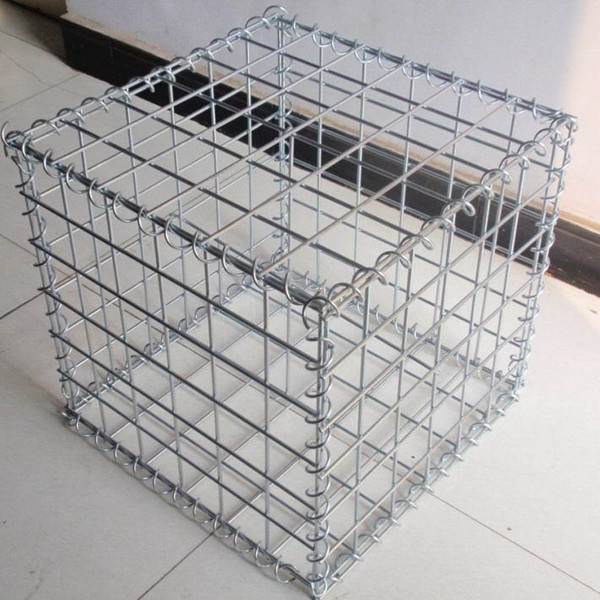
Simply put, heavy gauge welded wire is steel wire that's been welded into a rigid mesh grid with thicker-than-average wire diameters — typically from 9 gauge (about 3.7mm) to 4 gauge (about 6.5mm). The heavy gauge compared to lighter varieties means it offers greater tensile strength and load-bearing capabilities.
This strong mesh is often coated with zinc (galvanized) or PVC for corrosion resistance, making it fit for outdoor and industrial uses. Its connection to modern industry lies in applications ranging from reinforcing concrete structures, creating secure animal enclosures, to forming protective cages — all rooted in the mesh’s ability to provide robust, long-lasting containment.
Core Aspects of Heavy Gauge Welded Wire That Matter
Durability Under Tough Conditions
The heavy gauge nature means it can withstand considerable mechanical stress. That’s why it’s prized in construction sites exposed to harsh weather, or industrial settings where sharp impacts or loading pressures are frequent. In practical terms, durability equals safety and less downtime.
Corrosion Resistance
Most heavy gauge welded wire products come galvanized or coated, often exceeding corrosion resistance standards like ASTM A123. This coating ensures longevity in environments that would normally degrade steel quickly, such as coastal zones or chemical plants.
Cost Efficiency Over Time
Thick welded wire might have a higher upfront cost, but it reduces repair and replacement expenses dramatically. For infrastructure projects looking to optimize lifecycle costs, this is a big win.
Ease of Installation and Scalability
This mesh comes in customizable sizes, allowing quick modular assembly. That speed benefits emergency projects or agricultural fencing where time is tight.
Versatility Across Industries
From security fencing in urban hubs to livestock enclosures in agricultural zones, its multifunctional design makes it a staple. Even art installations have tapped its flexibility.
Mapping Real-World Applications: Where Heavy Gauge Welded Wire Shines
Curious about the global footprint? Let’s look at some contexts:
- Post-Disaster Relief Operations: NGOs rely on welded wire mesh fencing for temporary shelters and secure storage. Its modularity and strength enable rapid setup in challenging conditions.
- Remote Industrial Zones: Mines and oil fields use heavy gauge welded wire for perimeter security and equipment safeguarding, standing up to rough terrain and weather.
- Agricultural Uses in Africa and Asia: From protecting crops to controlling livestock, farms depend on durable fencing solutions that won’t buckle under daily strain.
- Construction Projects in Urban Europe and North America: Reinforcement mesh for concrete, stabilizing retaining walls, and scaffolding support are all common uses.
Oddly enough, while it might sound simple, these wires form the backbone of projects that literally rebuild communities or keep industries running smoothly.
Heavy Gauge Welded Wire Product Specifications
| Specification | Details |
|---|---|
| Wire Gauge | 4 to 9 Gauge (6.5mm - 3.7mm diameter) |
| Material | Low Carbon Steel, Galvanized or PVC-Coated |
| Mesh Opening | 1" x 1" (25mm x 25mm) to 4" x 4" (100mm x 100mm) |
| Tensile Strength | Up to 600 MPa (varies by wire gauge and coating) |
| Standard Sizes | Rolls of 50 ft x 4 ft, Panels up to 8 ft tall |
| Compliance | ASTM A185, ISO 6937 |
Comparing Leading Vendors of Heavy Gauge Welded Wire
| Vendor | Product Range | Material Quality | Pricing | Lead Time |
|---|---|---|---|---|
| SteelMeshPro | Wide gauge selection, custom coatings | Premium galvanized steel | Mid-high | 2-3 weeks |
| WireStrong Inc. | Standard sizes, basic coating options | Standard galvanized steel | Budget-friendly | 1-2 weeks |
| EnviroWire Solutions | Eco-friendly coatings, recycled steel options | High quality, sustainable materials | Higher-end | 3-4 weeks |
Advantages and Enduring Value You Can Count On
Using heavy gauge welded wire isn’t just about physical strength. It speaks to long-term reliability, environmental consciousness, and social impact. For one, its robust construction means fewer replacements and less resource waste — contributing to sustainability goals that many companies proudly embrace today.
Emotionally, there’s comfort in knowing a fence or reinforced wall won’t give way unexpectedly, protecting people and assets — aspects vital in emergency shelter setups or agricultural livelihoods. This trust builds when engineers and onsite teams know the materials won’t fail, even under pressure.
Looking Ahead: Future Trends in Heavy Gauge Welded Wire
Innovation isn’t slowing anytime soon. I’ve noticed trends where manufacturers focus on eco-friendly coatings that double down on rust resistance but use fewer chemicals. Additive manufacturing, smart sensor integration in fencing for security, and automated quality testing will push product capabilities further.
Plus, as sustainability becomes non-negotiable, expect recycled materials to feature more prominently, supported by policies aligned with circular economy principles (ISO 14000 family standards). It’s a promising outlook for the industry — providing heavy gauge welded wire that’s not just tough but also kinder to the planet.
Overcoming Challenges: Practical Solutions in the Field
Of course, it’s not all smooth sailing — sourcing heavy gauge welded wire in remote areas is fraught with supply chain snags. Plus, installation in tight urban sites can be cumbersome due to panel sizes and weight.
Experts often recommend partnering with local fabricators who can customize panels on-site or smaller rolls that are easier to handle. Also, modular installation kits are gaining traction, reducing labor time and errors. Some companies are exploring hybrid materials that reduce weight without sacrificing strength, which could revolutionize handling.
FAQs About Heavy Gauge Welded Wire
- What’s the main difference between heavy gauge and light gauge welded wire?
- Heavy gauge welded wire uses thicker wire diameters, giving it stronger tensile strength and better suitability for high-load or security applications, whereas light gauge is suited for lighter tasks like bird fencing or decorative purposes.
- Can heavy gauge welded wire be used outdoors without rusting?
- Yes, when galvanized or PVC-coated properly, it offers substantial corrosion resistance, making it ideal for outdoor use in various climates.
- How customizable are the sizes and mesh openings?
- Very customizable. Vendors often tailor panel sizes and mesh apertures to project needs, ranging from tight 1" mesh for security to larger 4" openings for agricultural purposes.
- Is installation of heavy gauge welded wire complicated?
- It requires some skill due to weight and stiffness, but modular panels and roll formats with accessories improve installation speed and safety.
- Are eco-friendly options available?
- Yes, some manufacturers offer recycled steel options and non-toxic coatings to meet sustainability requirements in sensitive projects.
Conclusion: Why Heavy Gauge Welded Wire Should Be on Your Radar
Looking at everything, heavy gauge welded wire clearly stands out as a material that blends strength, durability, and adaptability to meet global infrastructure needs. Its role in creating safer post-disaster environments, ensuring robust industrial fencing, and enabling sustainable construction is only set to grow.
If you’re involved in purchasing or specifying infrastructure materials, exploring heavy gauge welded wire options can significantly impact your projects’ longevity and reliability. After all, sometimes the simplest elements lie at the heart of the toughest solutions.
Discover more about heavy gauge welded wire and how it fits your next project at Hardware In Store.
-
The Ultimate Guide to Hardware Cloth 1x1 Versatility and Strength
NewsApr.16,2026
-
Ultimate Guide to hardware cloth 1 4 mesh for Strength and Versatility
NewsApr.09,2026
-
Comprehensive Guide to Hardware Cloth 1/4 Inch Mesh for Versatile Applications
NewsApr.07,2026
-
Comprehensive Guide to Hardware Cloth 1 2 Inch Mesh 36 Applications and Benefits
NewsApr.04,2026
-
Comprehensive Guide to Gi Wire Mesh for Fencing and Its Applications
NewsMar.31,2026
-
Comprehensive Guide to GI Square Mesh Applications and Benefits
NewsMar.28,2026