
Nov . 27, 2025 01:45 Back to list
Comprehensive Guide to Poultry Weld Mesh – Durable Fencing Solutions for Poultry Farming
Understanding Poultry Weld Mesh: Why It Matters Globally
If you’ve ever seen chickens safely cooped up, fenced neatly and securely, you might have only glanced at the mesh that holds it all together. Yet, poultry weld mesh is a surprisingly pivotal piece in the puzzle of modern poultry farming—both small-scale backyard coops and large industrial farms depend on it heavily.
Globally, the demand for poultry meat and eggs has been skyrocketing. According to the FAO and World Bank data, poultry meat production surpassed 130 million tons in 2022, a figure projected to keep rising. Behind these production numbers lies an invisible but essential infrastructure: poultry weld mesh helps ensure the birds stay contained, protected from predators, and humanely managed.
Understanding poultry weld mesh goes beyond the farm: it supports food security, sustainable farming, and animal welfare. And since millions worldwide rely on poultry for nutrition and income, the quality and design of this mesh can have far-reaching effects.
The Global Context and the Problem Poultry Weld Mesh Addresses
To put it frankly, poultry farming is growing everywhere, from the humid tropics of Southeast Asia to the vast plains of the American Midwest. This phenomenon is driven by consumption patterns, urbanization, and the drive to alleviate protein deficiencies worldwide.
But challenges abound. Farms need durable containment systems that aren’t just functional but also cost-efficient and environmentally respectful. Ill-fitting meshes or poorly manufactured welds lead to losses – escaped poultry, predator intrusions, or injury to birds. This directly threatens livelihoods and food availability.
Here, poultry weld mesh steps in as a tailored solution. It’s not just fencing; it’s engineered restraint that balances strength, flexibility, and affordability.
What Exactly Is Poultry Weld Mesh?
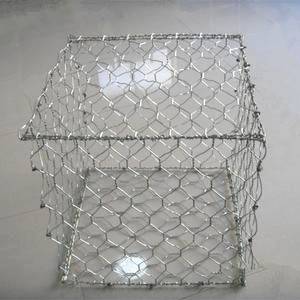
In simple terms, poultry weld mesh is a grid of metal wires welded at each intersection, forming squares or rectangles of a consistent size. Typically made of galvanized steel or stainless steel, it’s designed to contain poultry safely.
The welding ensures the mesh doesn’t unravel like traditional woven wire, offering better strength and durability. Its applications are not restricted to farms; it’s essential in humanitarian relief (think emergency animal housing), research facilities, and even urban agriculture setups.
Essentially, this mesh meets a practical need born of growing global food demand and evolving agricultural technology.
Key Components that Make Poultry Weld Mesh Effective
1. Durability
The material quality—usually galvanized steel with rust-resistance coatings—ensures the mesh withstands weather, humidity, and sometimes pecking from the poultry themselves. Engineers and farmers alike swear by the longevity that quality welding brings.
2. Mesh Size and Design
The spacing of wires is crucial. Too large, and small birds escape or predators sneak in; too small, and ventilation suffers or costs increase. Standard meshes feature openings from ½ inch to 2 inches, tailored to species and farming practices.
3. Scalability and Customization
Poultry weld mesh is produced in rolls or panels to fit varied coop sizes. Many manufacturers offer custom options, kind of like tailoring a suit but for your chicken run—important for both hobbyists and commercial farms adjusting to unique layouts.
4. Cost Efficiency
Compared against alternatives like wood or plastic fencing, welded mesh is lightweight but robust. It strikes a good balance of upfront cost and long-term durability, which farmers in developing regions particularly appreciate.
5. Environmental Resistance
Coatings that prevent corrosion mean the mesh services farms for many years without replacement—cutting down waste and resource use. This is especially key in moist or tropical climates.
Mini takeaway: Poultry weld mesh is more than just metal fencing. Its composition, design, and durability all align to support poultry containment reliably and efficiently worldwide.
Real-World Applications and Success Stories
Across continents and climates, poultry weld mesh plays a starring role. In Southeast Asia, smallholder farmers use it to protect backyard flocks from predators, securing a vital protein source. In Africa, NGOs deploy portable poultry mesh panels for emergency poultry shelters, helping displaced families resume income generation quickly.
Industrial-scale poultry companies in the US and Europe incorporate heavy-gauge welded mesh into their enclosures to ensure compliance with animal welfare standards.
And oddly enough, urban farms in places like London and New York are adopting poultry weld mesh for rooftop chicken coops, blending sustainability with urban food trends.
| Specification | Details |
|---|---|
| Material | Galvanized Steel / Stainless Steel |
| Mesh Size | ½ inch to 2 inches squares |
| Coating | Zinc galvanized, PVC coated options |
| Roll Length | 25m - 50m rolls or custom panel sizes |
| Wire Gauge | 14 to 18 Gauge (diameter varies accordingly) |
Advantages and Long-Term Value
Here’s where it gets interesting. Poultry weld mesh isn’t just about fencing poultry; it’s about creating safe, durable, and humane environments for animals. The tough, quality build lowers replacement costs. These savings add up—time, money, and effort saved.
Socially, strong enclosures reduce escapes and disease spread, boosting flock health and farmer confidence. This reliability is crucial for communities depending on poultry for food and income during uncertain times.
What’s more, the visual transparency of mesh allows easy monitoring—a small but often overlooked benefit for busy farmers.
Innovations and Future Trends in Poultry Weld Mesh
Expect greener coatings that use less toxic materials and better recycling of mesh waste. Automation in mesh fabrication promises more precision and lower costs.
Digital transformation—such as integrating smart sensors with mesh panels to monitor poultry movement, or even detect breaches—is a budding frontier.
In a world leaning toward sustainability, innovations emphasize longer lifespan and circular economy principles. The mesh that “breathes” well while standing tough embodies this trend.
Challenges and Expert Solutions
Of course, challenges linger. In some remote regions, corrosion due to high humidity remains a serious issue, despite coatings. Sometimes cost remains a barrier for small farmers, making alternatives attractive.
Experts recommend targeted education on mesh benefits and supply chain improvements to lower prices. Hybrid materials are being tested—blending metal with durable plastics—for cost and weight savings.
And frankly, it often boils down to matching the right mesh type with regional needs rather than one-size-fits-all.
| Vendor | Material Options | Customization | Price Range (per roll) | Geographic Reach |
|---|---|---|---|---|
| FarmSafe Mesh Co. | Galvanized Steel, PVC coated | Standard & custom sizes | $50 - $120 | North America, Europe |
| AgriMesh Global | Stainless Steel, galvanized | Custom wire gauge & lengths | $60 - $130 | Asia, Africa |
| EcoFarms Supply | Galvanized Steel, recycled options | Standard only | $40 - $90 | Europe, Americas |
FAQ: Practical Questions About Poultry Weld Mesh
Q1: What size mesh should I use for my backyard hens?
A: For typical backyard chickens, a mesh size of about 1 inch square is effective. It prevents escapes and keeps out common predators while still allowing good airflow and visibility.
Q2: How long does poultry weld mesh last outdoors?
A: With good galvanized or PVC coating, expect 10+ years depending on climate. Tropical environments may reduce lifespan slightly due to humidity but quality products resist corrosion well.
Q3: Can I customize the mesh size or wire thickness?
A: Yes, many suppliers offer custom options. Adjusting wire gauge or mesh openings can tailor your poultry enclosure for specific birds or environments.
Q4: Is poultry weld mesh recyclable?
A: Generally yes. Steel meshes can be recycled at metal facilities. However, PVC coatings may require separation or specialized recycling depending on local rules.
Q5: How do I maintain my poultry weld mesh?
A: Regularly inspect for rust or damage, especially near ground level. Clean off debris and consider re-coating with anti-rust products if needed to extend life.
Wrapping Up: Why Poultry Weld Mesh Is a Game Changer
Poultry weld mesh is much more than hardware; it’s an investment in safety, sustainability, and productivity. Its global impact touches communities, businesses, and ecosystems alike.
For anyone in poultry farming or related fields, understanding and selecting the right mesh can mean the difference between small losses and thriving flocks.
Looking to upgrade your setups? Visit our website for trusted, quality poultry weld mesh that fits your unique needs.
Sophisticated yet practical—poultry weld mesh quietly supports a key link in global food security.
References:
-
The Ultimate Guide to Hardware Cloth 1x1 Versatility and Strength
NewsApr.16,2026
-
Ultimate Guide to hardware cloth 1 4 mesh for Strength and Versatility
NewsApr.09,2026
-
Comprehensive Guide to Hardware Cloth 1/4 Inch Mesh for Versatile Applications
NewsApr.07,2026
-
Comprehensive Guide to Hardware Cloth 1 2 Inch Mesh 36 Applications and Benefits
NewsApr.04,2026
-
Comprehensive Guide to Gi Wire Mesh for Fencing and Its Applications
NewsMar.31,2026
-
Comprehensive Guide to GI Square Mesh Applications and Benefits
NewsMar.28,2026