
Jan . 27, 2026 22:05 Back to list
Comprehensive Guide to Wire Mesh Welding Techniques and Applications
Wire Mesh Welding: A Comprehensive Guide
Wire mesh welding is a versatile fabrication process used across numerous industries, from construction and agriculture to security and manufacturing. This article provides an in-depth look at the techniques, applications, materials, and safety considerations involved in wire mesh welding, empowering both professionals and hobbyists with essential knowledge. Understanding the nuances of this process ensures strong, durable, and reliable results for a wide range of projects.
Understanding the Wire Mesh Welding Process
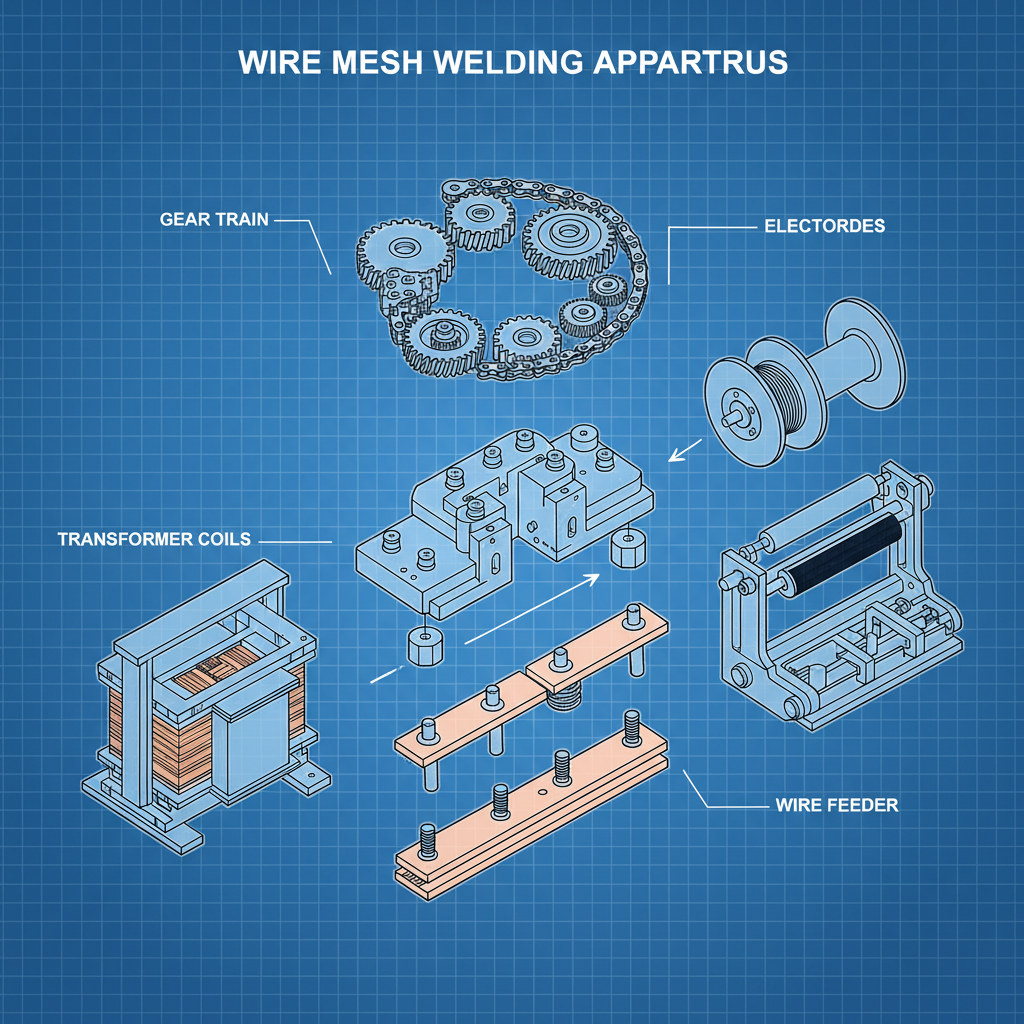
At its core, wire mesh welding involves joining pieces of wire mesh together using various welding techniques. The most common method is spot welding, where resistance heating is used to fuse the wires at specific contact points. Other techniques include MIG (Metal Inert Gas) welding and TIG (Tungsten Inert Gas) welding, which offer greater control and weld quality but require more skill. The choice of method depends on the mesh material, desired weld strength, and project requirements. Proper preparation of the mesh, including cleaning and ensuring good contact between pieces, is crucial for achieving strong and consistent welds.
Key Highlights: Wire mesh welding utilizes various methods like spot, MIG, and TIG welding. Preparation of the mesh surface is vital for a strong and consistent weld.
Common Applications of Wire Mesh Welding
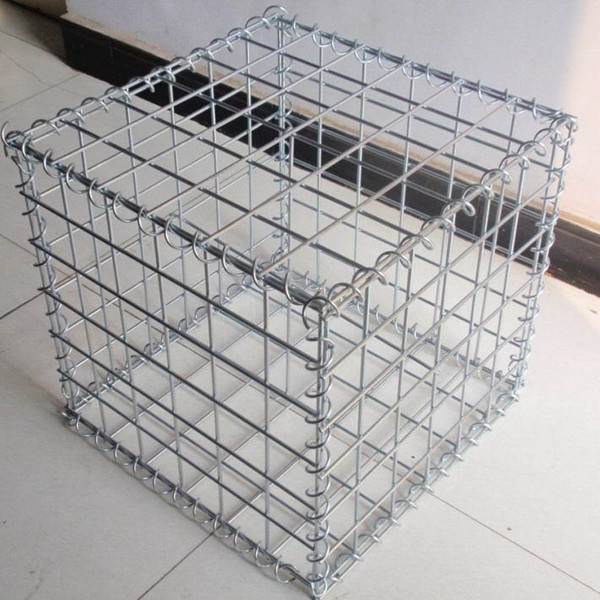
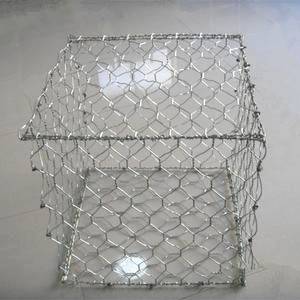
The applications of wire mesh welding are incredibly diverse. In construction, it’s used to reinforce concrete structures, create fencing, and manufacture gabions. Agricultural applications include animal enclosures, poultry netting, and crop support structures. Security relies heavily on welded wire mesh for cages, barriers, and high-security fencing. The manufacturing sector utilizes it for filters, screens, shelving, and custom fabrications. Furthermore, it's increasingly used in artistic applications and DIY projects, offering a lightweight and robust material for various creations.
Application Areas:
• Construction: Concrete reinforcement, fencing.
• Agriculture: Animal enclosures, crop support.
• Security: Cages, high-security fencing.
• Manufacturing: Filters, screens, shelving.
Choosing the Right Materials for Wire Mesh Welding
The material of the wire mesh significantly impacts the welding process and final product strength. Common materials include steel (low carbon, galvanized, stainless), aluminum, and occasionally copper. Low carbon steel is the most frequently used due to its affordability and weldability. Galvanized steel provides corrosion resistance, making it ideal for outdoor applications. Stainless steel offers superior corrosion resistance and is often used in food processing and medical environments. Aluminum requires specific welding techniques and filler metals to achieve strong, reliable welds. The selected filler metal should be compatible with the base material to prevent cracking or weakening of the weld.
Safety Precautions When Wire Mesh Welding
Welding, in general, requires strict adherence to safety protocols. When welding wire mesh, the risk of burns and eye damage from sparks and UV radiation is significant. Always wear appropriate personal protective equipment (PPE), including a welding helmet with the correct shade filter, welding gloves, a fire-resistant apron or jacket, and safety boots. Ensure adequate ventilation to avoid inhaling welding fumes. Work in a well-lit and uncluttered area, and have a fire extinguisher readily available. Properly ground the welding equipment and inspect cables for damage before each use.
Essential Tools and Equipment
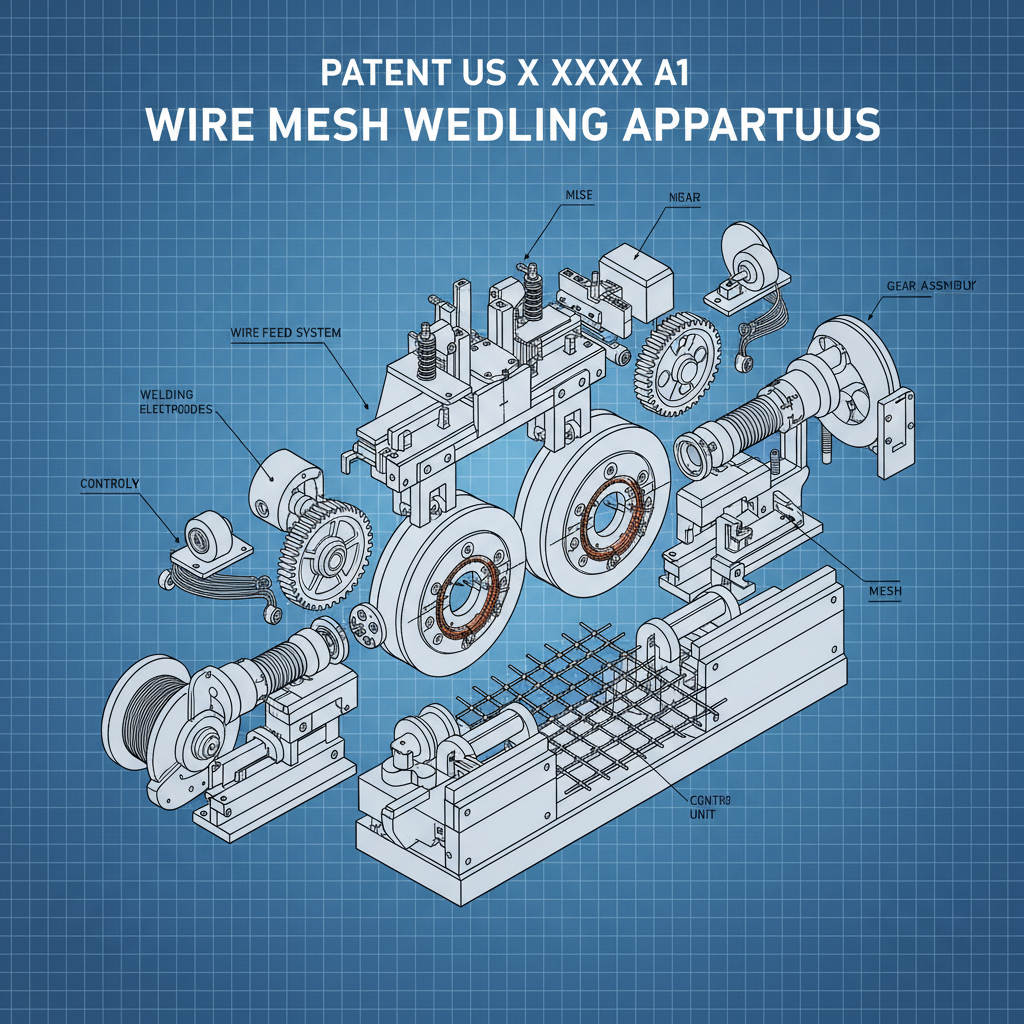
To successfully undertake wire mesh welding, you’ll need specific tools. These include a welding machine (spot welder, MIG welder, or TIG welder), welding helmet, welding gloves, a welding apron, wire brush for cleaning, pliers, and a metal cutting tool. For MIG and TIG welding, you'll also need a shielding gas supply (argon or CO2). A welding table or sturdy work surface is essential for stability. Investing in quality equipment will contribute to safer, more efficient, and higher-quality welds.
Conclusion: Mastering the Art of Wire Mesh Welding
Wire mesh welding is a valuable skill for a wide range of applications. By understanding the techniques, materials, and safety precautions discussed in this article, you can achieve professional-quality results. Whether you’re a seasoned welder or a beginner, continuous learning and practice are key to mastering this versatile fabrication process.
Frequently Asked Questions (FAQs)
What is the best welding technique for thin wire mesh?
For thin wire mesh, spot welding is often the most suitable technique. It minimizes heat input, reducing the risk of distortion or burn-through. Alternatively, a low-setting MIG weld with a fine wire can be effective, but requires careful control. TIG welding can also be used for precision but is generally slower and requires more skill. The key is to use the lowest possible heat setting that achieves a secure weld.
How do I prevent warping when welding wire mesh?
Warping can occur due to uneven heating and cooling. To minimize this, use intermittent welding, where you weld small sections at a time, allowing the metal to cool between welds. Clamping the mesh to a flat surface during welding can also help to maintain its shape. Using a lower heat setting and preheating the metal slightly can also reduce the risk of warping. Proper joint design also contributes to minimizing stresses.
What type of filler metal should I use for galvanized steel wire mesh?
When welding galvanized steel, it's crucial to use a filler metal designed for galvanized materials, such as ER70S-6. Regular steel filler metals can react with the zinc coating, producing harmful fumes and weakening the weld. Look for filler metals specifically labeled for galvanized steel to ensure a safe and strong weld. Ventilation is especially important when welding galvanized steel.
Are there any resources for learning more about wire mesh welding?
Yes, numerous resources are available. Online tutorials on platforms like YouTube offer visual demonstrations of various techniques. Welding schools and community colleges provide comprehensive training courses. Additionally, websites like Hardware In Store offer helpful articles and guides on welding projects and materials.
-
The Ultimate Guide to Hardware Cloth 1x1 Versatility and Strength
NewsApr.16,2026
-
Ultimate Guide to hardware cloth 1 4 mesh for Strength and Versatility
NewsApr.09,2026
-
Comprehensive Guide to Hardware Cloth 1/4 Inch Mesh for Versatile Applications
NewsApr.07,2026
-
Comprehensive Guide to Hardware Cloth 1 2 Inch Mesh 36 Applications and Benefits
NewsApr.04,2026
-
Comprehensive Guide to Gi Wire Mesh for Fencing and Its Applications
NewsMar.31,2026
-
Comprehensive Guide to GI Square Mesh Applications and Benefits
NewsMar.28,2026