
Jan . 27, 2026 19:26 Back to list
Comprehensive Guide to Wire Mesh Fence Design for Security and Aesthetics
Wire Mesh Fence Design: A Comprehensive Guide
Choosing the right fence is crucial for security, aesthetics, and functionality. Wire mesh fence design offers a versatile and cost-effective solution for a wide range of applications. This article explores various designs, materials, applications, and considerations for selecting the optimal wire mesh fence for your needs. From residential boundaries to commercial perimeters, we’ll cover everything you need to know to make an informed decision.
Understanding Different Wire Mesh Fence Designs
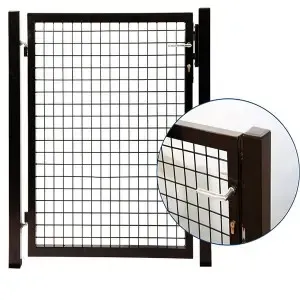
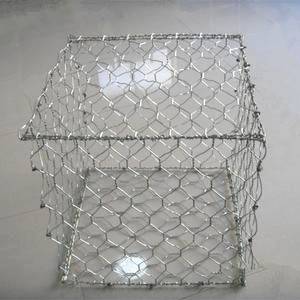
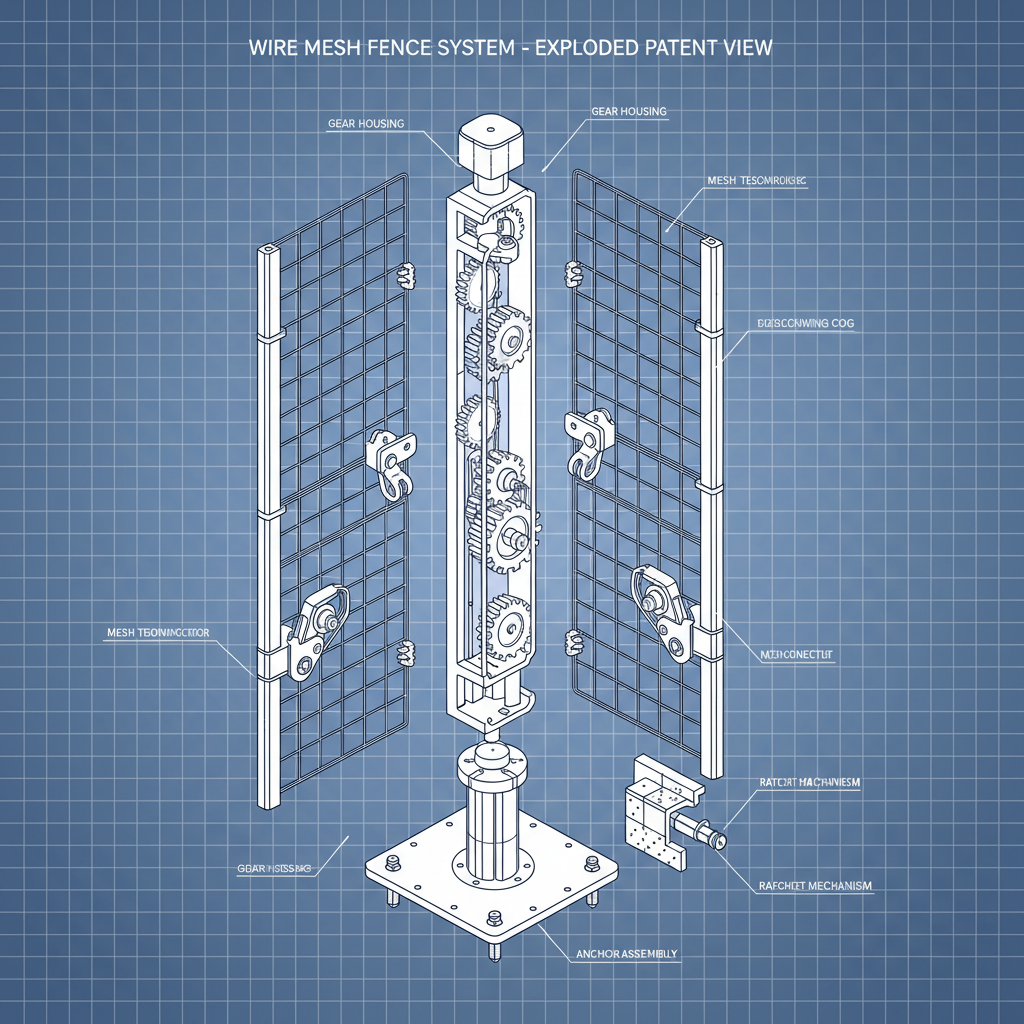
Wire mesh fences come in various designs, each suited for specific applications. Common types include woven wire mesh, welded wire mesh, chain-link, and hexagonal wire netting. Woven wire mesh is known for its strength and flexibility, while welded wire mesh provides a more rigid structure. Chain-link is a traditional option offering excellent security, and hexagonal netting is often used for agricultural purposes. The choice depends on factors like security requirements, budget, and desired aesthetic. For residential use, a decorative welded wire mesh might be preferred, while high-security applications necessitate robust chain-link or heavy-duty woven wire.
Key Highlights: Wire mesh fence design is adaptable to various applications, from simple boundary marking to high-security perimeters. Selecting the right mesh type is crucial for optimal performance and longevity.
Materials Used in Wire Mesh Fences
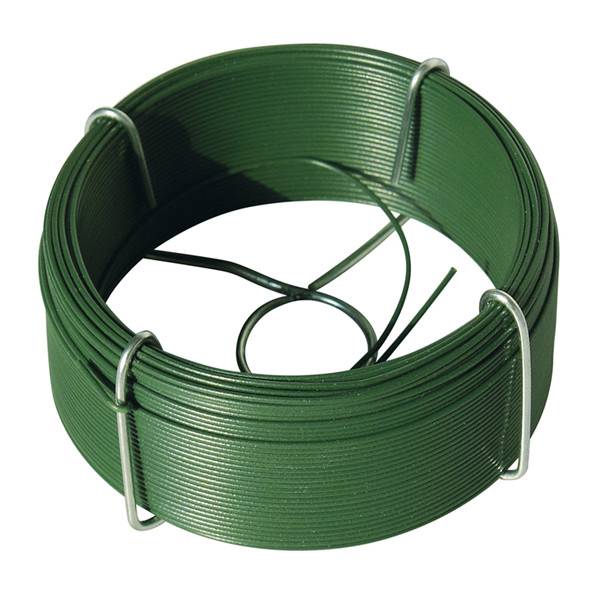
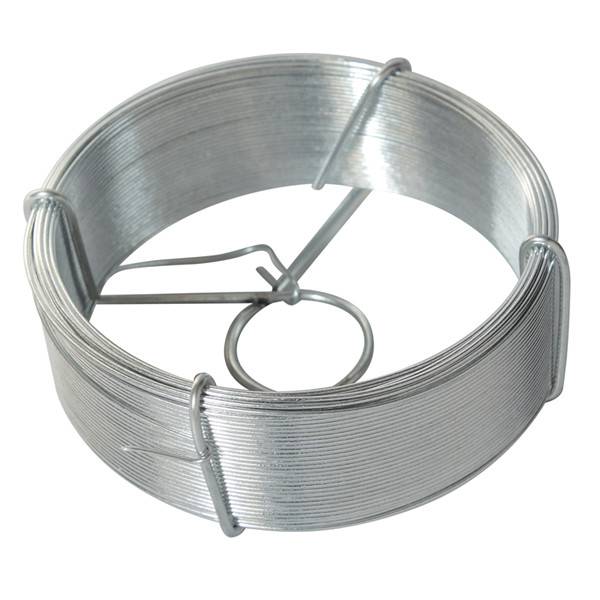
The material used significantly impacts the durability and lifespan of a wire mesh fence. Common materials include galvanized steel, stainless steel, and PVC-coated wire. Galvanized steel offers excellent corrosion resistance at a reasonable cost. Stainless steel provides superior corrosion resistance, making it ideal for coastal or harsh environments. PVC coating adds an extra layer of protection and enhances the aesthetic appeal. The choice of material depends on the climate, soil conditions, and desired longevity. For instance, in areas with high salinity, stainless steel is the preferred option.
Material Benefits:
• Galvanized Steel: Cost-effective, good corrosion resistance.
• Stainless Steel: Superior corrosion resistance, long lifespan.
• PVC-Coated Wire: Enhanced protection, aesthetic appeal.
• Aluminum: Lightweight, corrosion resistant, suitable for decorative applications.
Wire Mesh Fence Design: A Comparative Analysis
Different wire mesh fence designs offer varying levels of security, cost, and aesthetic appeal. Here’s a comparison of some popular options:
Applications of Wire Mesh Fencing
Wire mesh fences are versatile and suitable for a wide range of applications. Common uses include: Residential boundaries, pet enclosures, agricultural fencing, security perimeters for commercial properties, crowd control barriers at events, and garden protection from wildlife. The specific design and materials chosen should align with the intended application. For example, a high-security application might require a welded wire mesh with small openings and a heavy gauge, while a garden fence could utilize a more decorative and lightweight option. You can find the perfect solution for your needs at Hardwareinstore.com.
Installation Considerations for Wire Mesh Fences
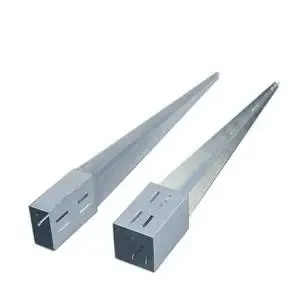
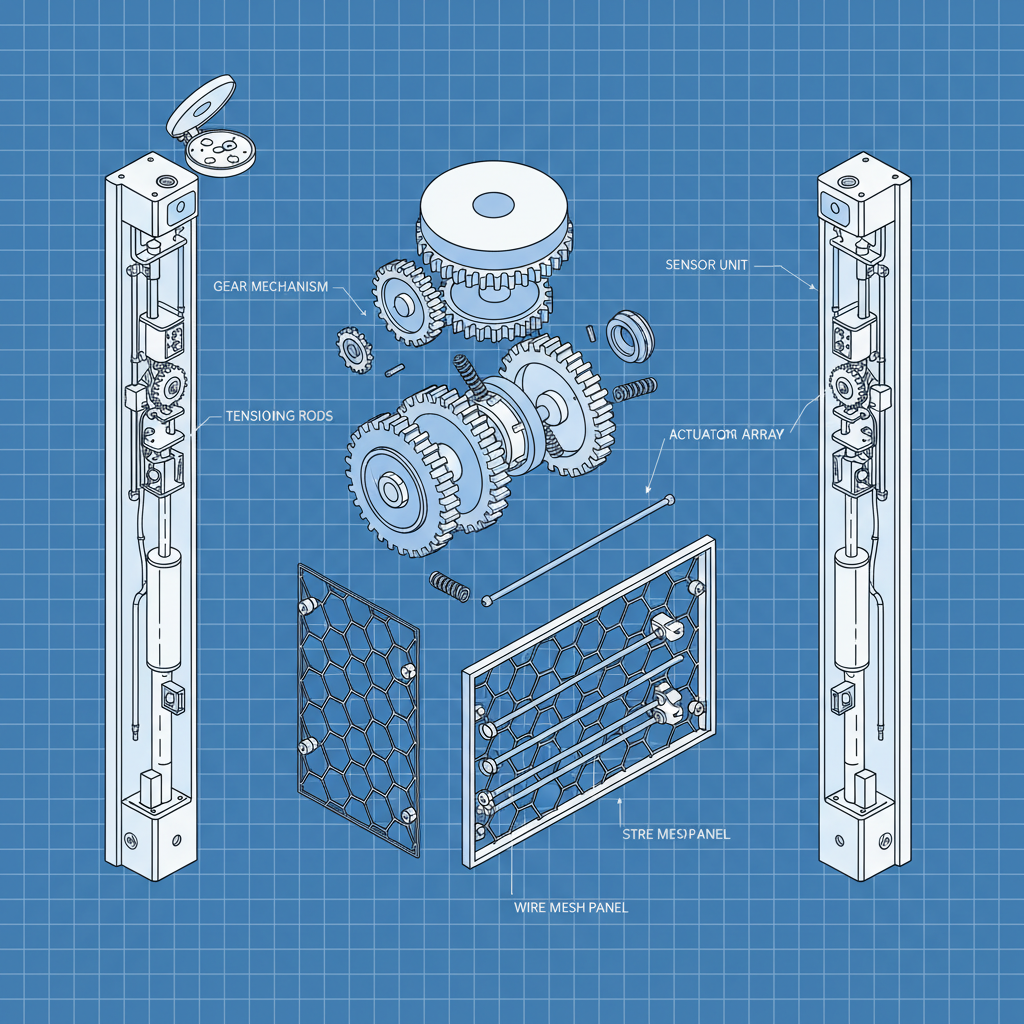
Proper installation is crucial for the longevity and effectiveness of a wire mesh fence. Key considerations include selecting appropriate posts (wood, metal, or concrete), ensuring adequate post spacing, and using high-quality fasteners. The fence should be properly tensioned to prevent sagging and maintain its structural integrity. Depending on the terrain, additional bracing may be required. For larger projects, professional installation is recommended to ensure a secure and durable fence. It's important to consult local building codes and regulations before starting any installation.
Conclusion: Choosing the Right Wire Mesh Fence
Selecting the right wire mesh fence design requires careful consideration of your specific needs and priorities. From security and durability to aesthetics and cost, various factors come into play. By understanding the different designs, materials, and installation considerations, you can make an informed decision and ensure a long-lasting and effective fence. Don't hesitate to explore the wide range of options available at Hardwareinstore.com.
Frequently Asked Questions (FAQs)
What is the best wire mesh gauge for a pet enclosure?
The ideal wire mesh gauge for a pet enclosure depends on the size and breed of the animal. For small dogs or cats, a 14-gauge wire is generally sufficient. However, for larger, more powerful breeds, a heavier 11- or 12-gauge wire is recommended to prevent them from escaping or damaging the fence. Consider the mesh opening size as well; smaller openings prevent paws from getting stuck and deter smaller animals from entering. It’s always better to err on the side of caution and choose a heavier gauge for added security.
How do I prevent my wire mesh fence from rusting?
Rust prevention is essential for the longevity of your wire mesh fence. Choose galvanized or stainless steel wire mesh for inherent corrosion resistance. If using galvanized steel, consider applying a protective coating such as zinc-rich primer or paint. Regularly inspect the fence for any signs of rust and address them promptly with a rust converter and protective coating. Maintaining proper drainage around the fence base can also help prevent rust by minimizing moisture exposure.
What is the recommended post spacing for a wire mesh fence?
The recommended post spacing for a wire mesh fence typically ranges from 8 to 12 feet, depending on the height of the fence and the terrain. For taller fences or uneven ground, closer post spacing is necessary to provide adequate support and prevent sagging. Corner and gate posts should be more robust and set deeper in the ground to withstand greater stress. Consulting with a fencing professional can help determine the optimal post spacing for your specific installation.
Can wire mesh fencing be used for security purposes?
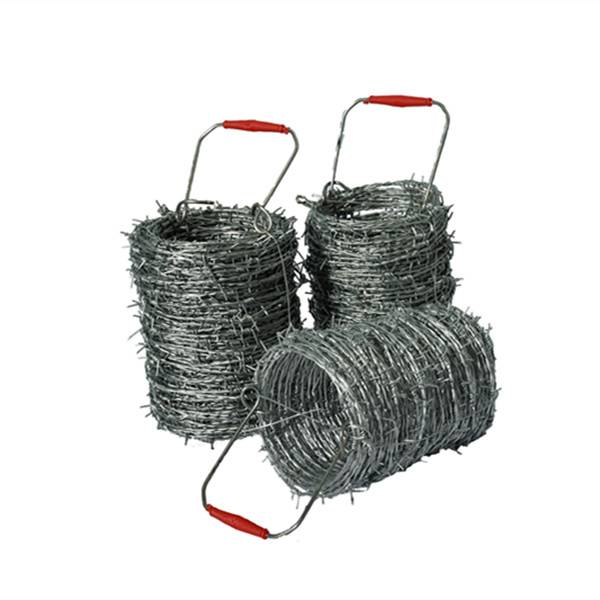
Yes, wire mesh fencing can be an effective security solution, especially when combined with appropriate design and materials. Chain-link and heavy-duty welded wire mesh with smaller openings provide a high level of security. Consider adding features like barbed wire or razor wire to the top of the fence to deter intruders. Proper installation and regular maintenance are also crucial for ensuring the fence’s effectiveness. The height of the fence and the surrounding environment also play a role in its security performance.
-
The Ultimate Guide to Hardware Cloth 1x1 Versatility and Strength
NewsApr.16,2026
-
Ultimate Guide to hardware cloth 1 4 mesh for Strength and Versatility
NewsApr.09,2026
-
Comprehensive Guide to Hardware Cloth 1/4 Inch Mesh for Versatile Applications
NewsApr.07,2026
-
Comprehensive Guide to Hardware Cloth 1 2 Inch Mesh 36 Applications and Benefits
NewsApr.04,2026
-
Comprehensive Guide to Gi Wire Mesh for Fencing and Its Applications
NewsMar.31,2026
-
Comprehensive Guide to GI Square Mesh Applications and Benefits
NewsMar.28,2026