
Mar . 26, 2026 02:25 Back to list
Comprehensive Guide to Galvanized Woven Wire Fence for Property and Livestock Security
Galvanized Woven Wire Fence: A Comprehensive Guide
When securing property, protecting livestock, or creating boundaries, a reliable fence is essential. Galvanized woven wire fence offers a durable, cost-effective, and versatile solution for a wide range of applications. This article provides a detailed overview of galvanized woven wire fence, covering its features, benefits, applications, installation, and maintenance. We’ll explore why it's a popular choice for both residential and agricultural needs, and how to select the right fence for your specific requirements.
Understanding Galvanized Woven Wire Fence
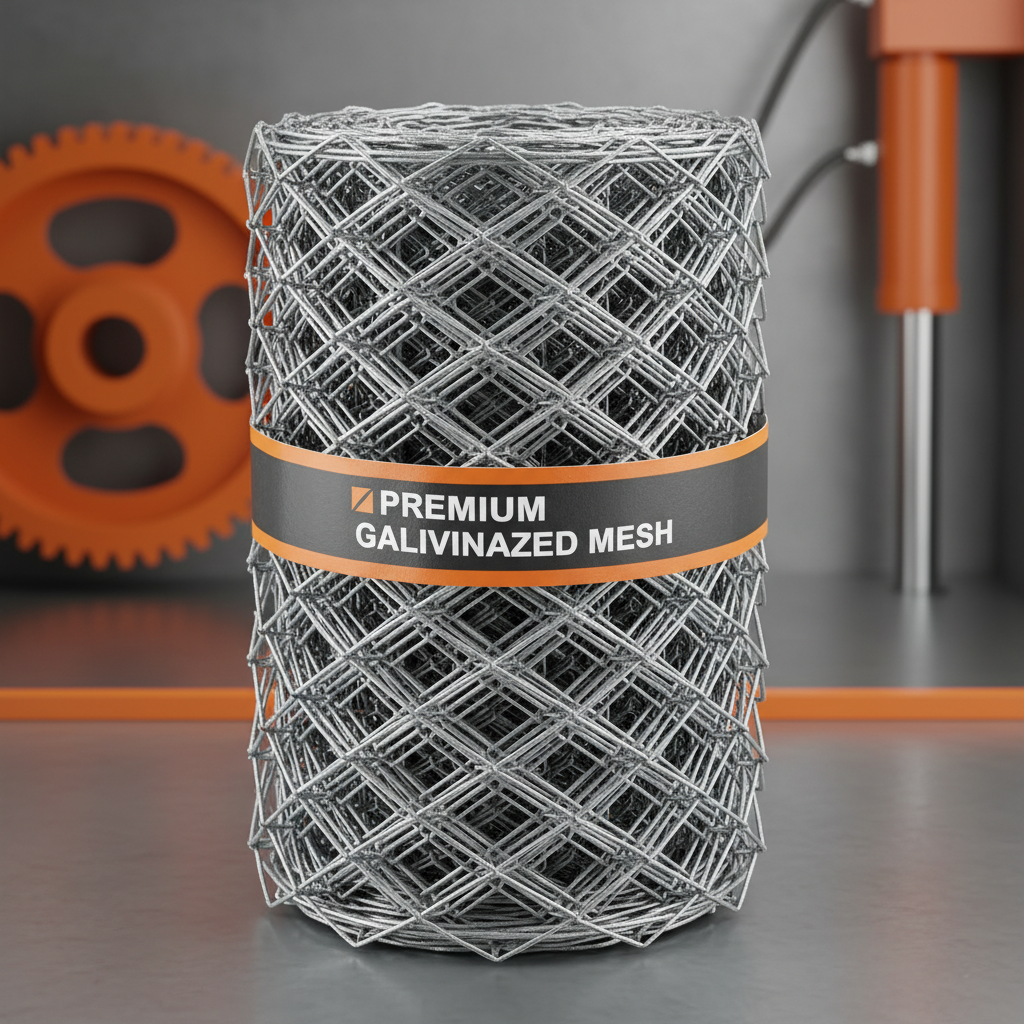
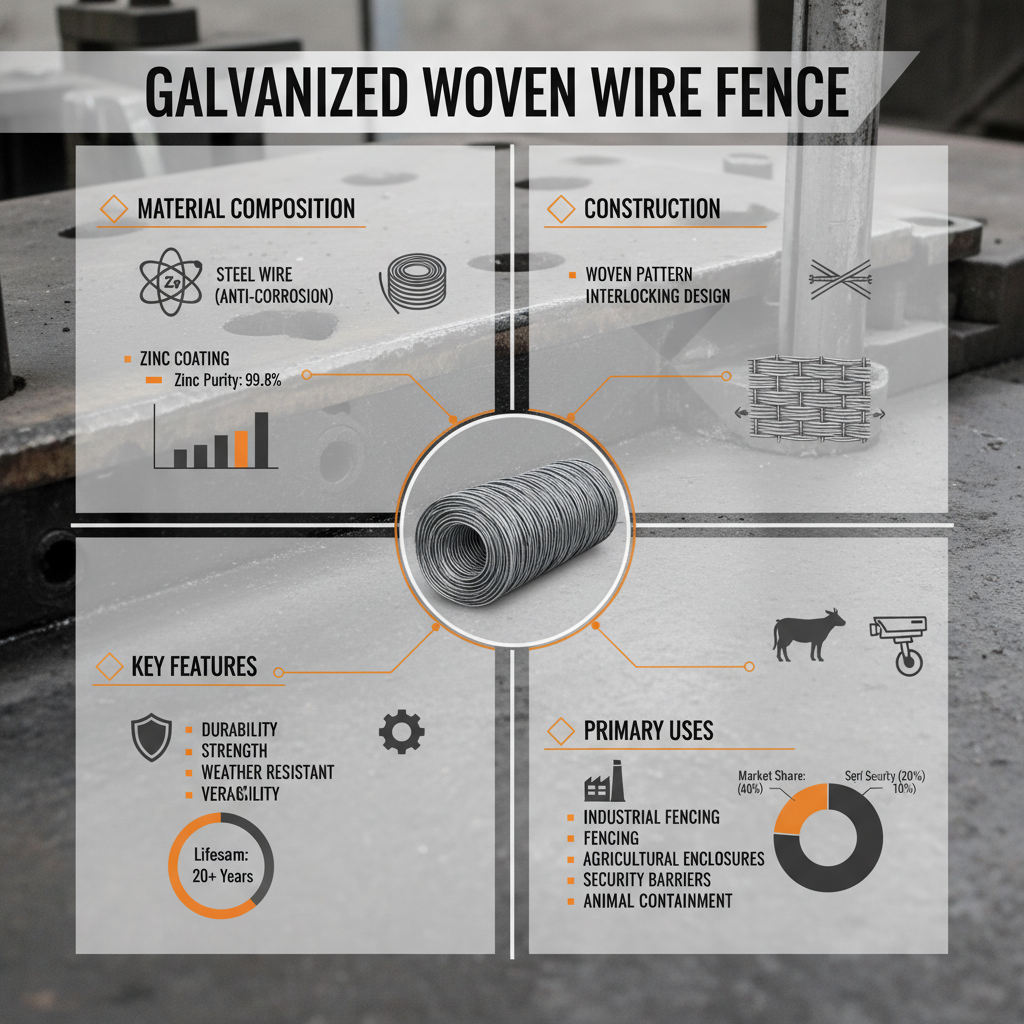
Galvanized woven wire fence is constructed from steel wires that are woven together to create a strong and flexible mesh. The 'galvanized' aspect refers to a zinc coating applied to the steel, providing excellent corrosion resistance. This coating protects the steel from rust and weathering, extending the fence’s lifespan significantly, even in harsh environmental conditions. The wire is woven in a pattern that creates a resilient barrier, capable of containing animals, defining property lines, and providing security. Hardwareinstore.com provides a comprehensive selection of these fences.
Key Highlights: Durable steel construction, zinc galvanized coating for corrosion resistance, woven mesh design for strength and flexibility, suitable for a wide range of applications.
Applications of Galvanized Woven Wire Fence
The versatility of galvanized woven wire fence makes it suitable for numerous applications. Common uses include agricultural fencing for containing livestock like cattle, sheep, and goats. It’s also effective for creating garden fences to protect plants from animals, establishing property boundaries, and providing security for residential or commercial properties. Its adaptability allows it to be used in rural, suburban, and even some urban settings. It’s a practical solution for both large-scale and small-scale fencing needs.
Common Uses:
• Agricultural fencing (cattle, sheep, goats)
• Garden protection
• Property boundaries
• Security fencing
Galvanized Woven Wire Fence vs. Other Fence Types
While various fencing options exist, galvanized woven wire offers a compelling combination of cost-effectiveness, durability, and ease of installation. Compared to wood fences, it requires less maintenance and is less susceptible to rot and insect damage. Unlike chain-link fences, it offers a more aesthetically pleasing appearance and doesn’t require painting. Compared to electric fences, it provides a physical barrier, and doesn’t require a power source. Choosing the right fence depends on specific needs and budget, but galvanized woven wire consistently ranks as a strong contender. Explore different fence options at Hardwareinstore.com.
Choosing the Right Galvanized Woven Wire Fence
Selecting the appropriate woven wire fence depends on the specific application. Consider the type of animals you need to contain, the terrain, and the desired height of the fence. Wire gauge (thickness) is crucial; heavier gauges provide greater strength. Mesh size (the size of the openings) determines what animals can pass through. Furthermore, consider whether you need a fence with line wires (horizontal wires) or a woven wire with vertical stays for added rigidity.
Installation and Maintenance
Installing galvanized woven wire fence requires proper tools and techniques. Typically, you'll need posts (wood or metal), wire stretchers, staples, and fencing pliers. Ensure posts are securely set and spaced appropriately. Proper tensioning of the wire is vital to prevent sagging. Regular maintenance includes inspecting the fence for damage, tightening loose wires, and repairing any breaks. Removing vegetation that grows around the fence line will also help to extend its lifespan. Hardwareinstore.com offers a range of tools and accessories to simplify installation and maintenance.
Conclusion: Secure Your Property with Galvanized Woven Wire
Galvanized woven wire fence is a smart investment for anyone seeking a durable, versatile, and cost-effective fencing solution. Its numerous applications, combined with its ease of installation and low maintenance requirements, make it a popular choice for residential, agricultural, and commercial properties. Choose the right wire gauge and mesh size for your needs, and enjoy years of reliable performance.
Frequently Asked Questions (FAQs)
What is the typical lifespan of a galvanized woven wire fence?
The lifespan of a galvanized woven wire fence can range from 20 to 30 years, depending on the quality of the galvanization, the environment, and maintenance. Higher quality galvanization (e.g., thicker zinc coating) will offer longer-lasting protection. Coastal environments with high salt content can accelerate corrosion. Regular inspection and maintenance, such as repairing damaged areas and removing vegetation, can significantly extend the fence's life.
How often should I tension my woven wire fence?
It's recommended to check the tension of your woven wire fence at least once a year, and more frequently in areas with significant temperature fluctuations. Temperature changes can cause the wire to expand and contract, leading to sagging. If the wire is noticeably sagging or loose, it should be re-tensioned using a wire stretcher. Proper tension is crucial for maintaining the fence's integrity and effectiveness.
What wire gauge is best for containing livestock?
For containing livestock, a heavier wire gauge is generally recommended. For cattle and horses, a 12.5 gauge or 11.5 gauge wire is typically sufficient. For smaller animals like sheep and goats, a 14 gauge or even 15.5 gauge wire may be adequate. The specific wire gauge will also depend on the size and strength of the animals you're containing. Consult with a fencing professional if you're unsure about the best gauge for your situation.
-
The Ultimate Guide to Hardware Cloth 1x1 Versatility and Strength
NewsApr.16,2026
-
Ultimate Guide to hardware cloth 1 4 mesh for Strength and Versatility
NewsApr.09,2026
-
Comprehensive Guide to Hardware Cloth 1/4 Inch Mesh for Versatile Applications
NewsApr.07,2026
-
Comprehensive Guide to Hardware Cloth 1 2 Inch Mesh 36 Applications and Benefits
NewsApr.04,2026
-
Comprehensive Guide to Gi Wire Mesh for Fencing and Its Applications
NewsMar.31,2026
-
Comprehensive Guide to GI Square Mesh Applications and Benefits
NewsMar.28,2026