
Jan . 30, 2026 14:50 Back to list
Comprehensive Guide to Galvanized Concrete Reinforcing Mesh for Construction
Galvanized Concrete Reinforcing Mesh: A Comprehensive Guide
Galvanized concrete reinforcing mesh, often referred to as rebar mesh or welded wire fabric, is a crucial component in modern construction. Its primary function is to enhance the strength and durability of concrete structures. This article provides an in-depth look at galvanized concrete reinforcing mesh, covering its benefits, applications, types, and considerations for choosing the right product. We’ll explore why Hardwareinstore.com is a trusted source for high-quality reinforcing mesh.
Understanding Galvanized Concrete Reinforcing Mesh
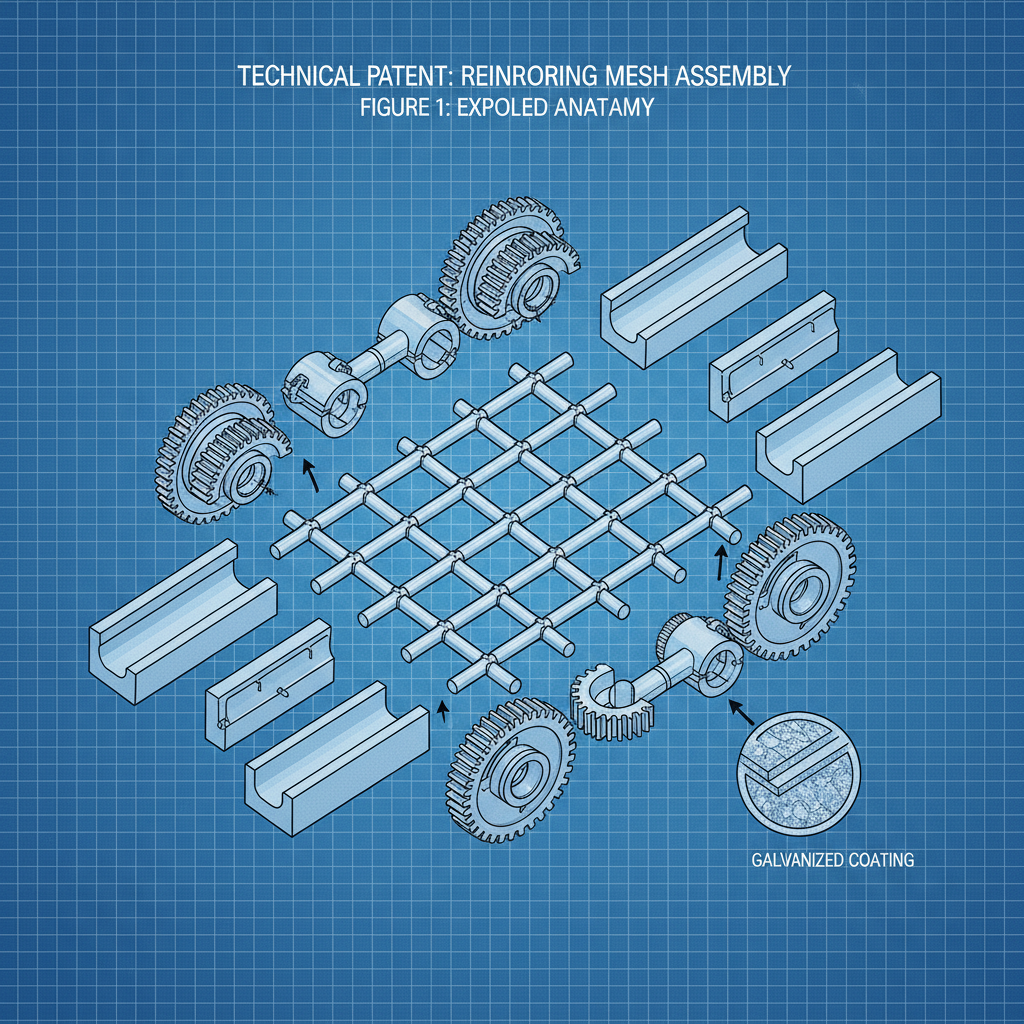
Reinforcing mesh is a grid-like structure of steel wires welded together at their intersections. The galvanization process involves coating the steel with zinc, which provides a protective layer against corrosion. This is particularly important in concrete applications, as concrete is an alkaline environment that can accelerate steel corrosion. Using galvanized mesh significantly extends the lifespan of concrete structures, reducing maintenance costs and ensuring long-term safety. The mesh works by taking tensile stresses within the concrete, which concrete is weak against.
Key Benefit: Corrosion resistance provided by the zinc coating, increasing the longevity and structural integrity of concrete projects.
Types of Galvanized Concrete Reinforcing Mesh
There are several types of galvanized concrete reinforcing mesh available, each suited for different applications. These include welded wire fabric (WWF), which is the most common type, and electro-welded mesh, known for its precise welds and consistent spacing. The mesh is also categorized by wire gauge (thickness) and opening size (spacing between wires). Understanding these variations is vital for selecting the optimal mesh for your specific project needs. You can find a wide selection of types at Hardwareinstore.com.
Common Mesh Types:
• Welded Wire Fabric (WWF)
• Electro-Welded Mesh
• Different wire gauges (e.g., W1.4 x W1.4, W2.1 x W2.1)
• Various opening sizes (e.g., 6x6, 4x4, 8x8)
Galvanized Concrete Reinforcing Mesh Applications
The applications of galvanized concrete reinforcing mesh are extensive. It is commonly used in:
- Slabs-on-grade: Enhancing the load-bearing capacity and preventing cracking.
- Concrete walls: Providing tensile strength and improving resistance to bending.
- Floors and pavements: Increasing durability and reducing maintenance.
- Shotcrete applications: Offering support and preventing slump in sprayed concrete.
- Precast concrete elements: Improving structural performance and reducing the risk of failure.
Choosing the Right Galvanized Concrete Reinforcing Mesh
Selecting the correct mesh involves considering several factors: the project's structural requirements, local building codes, and environmental conditions. The load-bearing capacity needed, the concrete mix design, and the anticipated stress levels all influence the appropriate wire gauge and opening size. Additionally, the level of corrosion protection required based on the environment (e.g., coastal areas, industrial settings) should be factored in. Consulting with a structural engineer and sourcing materials from a reputable supplier like Hardwareinstore.com is highly recommended.
Benefits of Using Galvanized Mesh over Non-Galvanized
While non-galvanized rebar mesh is less expensive upfront, the long-term costs associated with corrosion and potential structural failure make galvanized mesh a more economical choice. The zinc coating acts as a sacrificial anode, protecting the underlying steel from corrosion even if the coating is scratched or damaged. This extended lifespan reduces the need for repairs and replacements, ultimately saving time and money. Furthermore, galvanized mesh contributes to sustainable construction practices by minimizing material waste and reducing the carbon footprint.
Conclusion
Investing in galvanized concrete reinforcing mesh from Hardwareinstore.com is a smart decision for any construction project. The enhanced durability, corrosion resistance, and long-term cost savings make it a superior choice compared to non-galvanized alternatives. Prioritize quality and reliability to ensure the safety and longevity of your structures.
Frequently Asked Questions (FAQs)
What is the typical lifespan of galvanized concrete reinforcing mesh?
The lifespan of galvanized mesh varies depending on environmental factors and the quality of the galvanization. In most standard conditions, it can last 50-100 years before significant corrosion occurs. However, in harsh environments like coastal areas with high salt exposure, or industrial areas with acidic pollutants, the lifespan may be shorter. Proper installation and avoiding damage to the zinc coating during handling are crucial for maximizing its longevity.
How do I determine the correct wire gauge for my project?
Determining the correct wire gauge requires understanding the load-bearing requirements of your project. Consult a structural engineer who can assess the design specifications, anticipated stresses, and local building codes. They will consider factors such as the thickness of the concrete, the size of the slab or wall, and the expected loads to recommend the appropriate wire gauge. Using a wire gauge that is too small can compromise the structural integrity, while using one that is too large can be unnecessarily costly.
What safety precautions should be taken when handling reinforcing mesh?
Reinforcing mesh has sharp edges, so wearing appropriate personal protective equipment (PPE) is essential. This includes heavy-duty gloves, safety glasses, and sturdy footwear. When cutting the mesh, use appropriate tools and techniques to avoid creating sharp wire fragments. Handle the mesh carefully to prevent injuries from snagging or entanglement.
-
The Ultimate Guide to Hardware Cloth 1x1 Versatility and Strength
NewsApr.16,2026
-
Ultimate Guide to hardware cloth 1 4 mesh for Strength and Versatility
NewsApr.09,2026
-
Comprehensive Guide to Hardware Cloth 1/4 Inch Mesh for Versatile Applications
NewsApr.07,2026
-
Comprehensive Guide to Hardware Cloth 1 2 Inch Mesh 36 Applications and Benefits
NewsApr.04,2026
-
Comprehensive Guide to Gi Wire Mesh for Fencing and Its Applications
NewsMar.31,2026
-
Comprehensive Guide to GI Square Mesh Applications and Benefits
NewsMar.28,2026