Follow Us:

Get A Quote


The demand for safe, secure, and comfortable spaces for our canine companions is consistently high. A dog crate isn't just a piece of pet furniture; it’s a vital tool for training, travel, and providing a den-like sanctuary for dogs, reducing anxiety and promoting good behavior. Understanding the nuances of dog crate construction, materials, and suitability for different breeds and needs is crucial for responsible pet ownership.
Globally, pet ownership is on the rise, with an increasing emphasis on pet well-being. This trend directly fuels the demand for quality dog crates. According to the American Pet Products Association (APPA), pet industry expenditure in the US alone reached over $136.8 billion in 2022. This reflects a significant market opportunity and highlights the growing importance of providing pets with products that enhance their quality of life.
The increasing urbanization and a more mobile lifestyle are also driving factors. People need reliable solutions for safely transporting and housing their dogs during travel, relocation, or even short trips to the vet. A well-chosen dog crate addresses these practical needs while prioritizing the dog’s comfort and security.
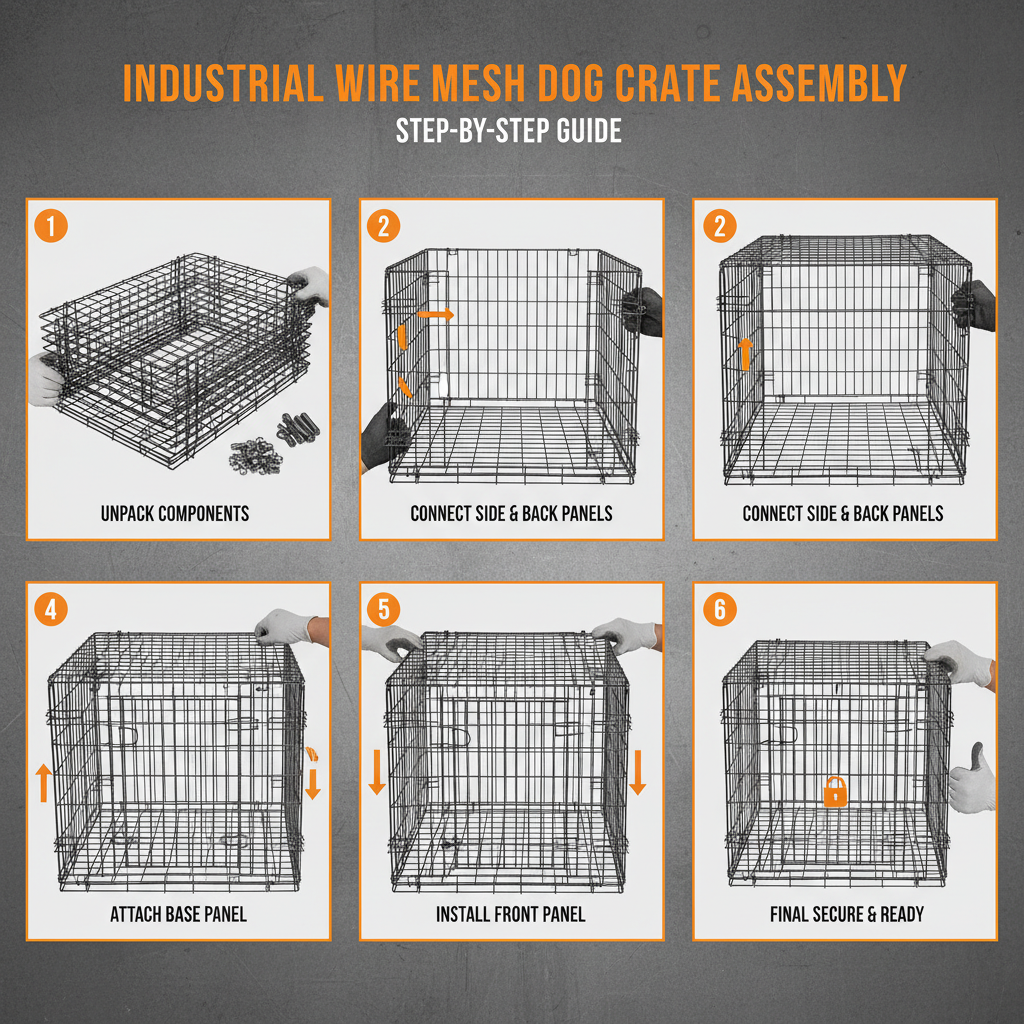
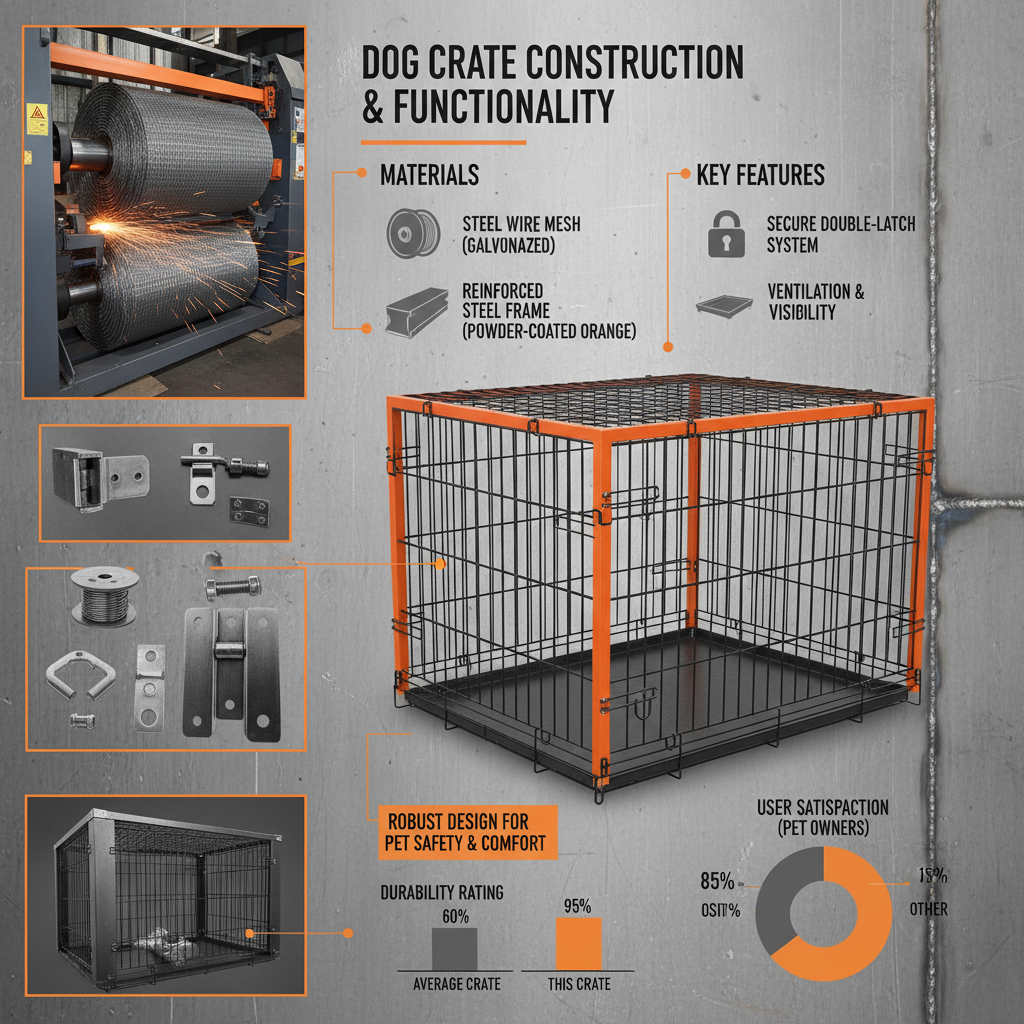
The material used in a dog crate profoundly impacts its durability, safety, and overall suitability for your pet. Common materials include wire, plastic, and fabric. Wire crates, often constructed from steel, offer excellent ventilation and visibility but can be heavier. Plastic crates are lightweight and easy to clean, making them ideal for travel. Fabric crates, while providing comfort, are generally less durable and suitable for well-behaved dogs.
Choosing the right material depends on your dog's size, breed, and temperament. A powerful chewer will require a robust steel wire crate, whereas a smaller, calmer dog might be perfectly content with a fabric or plastic option. Consider also the climate; wire crates offer superior ventilation in warmer environments, while plastic crates might provide better insulation in colder temperatures.
For frequent travelers, portability is a key consideration when selecting a dog crate. Lightweight plastic crates and soft-sided fabric crates are the most convenient options for air travel or road trips. Collapsible crates offer space-saving storage when not in use.
Airline regulations regarding pet carriers, including crates, vary significantly. Always check with your airline well in advance of your trip to ensure your crate meets their specific requirements regarding size, ventilation, and construction. Proper ventilation is essential for your dog’s comfort and safety during travel.
The cost of a dog crate can range from under $50 for a basic fabric crate to over $300 for a heavy-duty wire crate. The price is influenced by factors such as material, size, features, and brand. While it’s tempting to opt for the cheapest option, consider the long-term value and durability.
A more expensive, well-built crate may last for years, whereas a cheaper crate may need to be replaced frequently. Factor in the cost of potential replacements when evaluating your options. Consider also the added value of features such as adjustable sizes, removable trays, and easy-clean materials.
Ultimately, the best value is a crate that meets your dog’s needs, provides a safe and comfortable environment, and offers long-lasting durability without breaking the bank.
The dog crate market is evolving, with increasing emphasis on sustainability, technology integration, and enhanced comfort. Manufacturers are exploring eco-friendly materials, such as recycled plastics and bamboo, to reduce environmental impact.
Smart crates, equipped with features like remote monitoring, temperature control, and automated feeding systems, are also gaining popularity. These technologically advanced crates offer greater convenience and peace of mind for pet owners.
Future designs may also focus on modularity and customization, allowing owners to tailor the crate to their specific needs and preferences. We can also expect to see more emphasis on creating crates that seamlessly integrate into modern home décor.
| Material Type | Sustainability Rating (1-10) | Innovation Potential (1-10) | Cost Factor (Low, Medium, High) |
|---|---|---|---|
| Recycled Plastic | 8 | 6 | Medium |
| Bamboo | 9 | 7 | High |
| Steel (Recycled) | 7 | 5 | Medium |
| Smart Fabric (integrated sensors) | 5 | 9 | High |
| Modular Composite Materials | 6 | 8 | Medium |
| Traditional Plastic (Improved Recycling) | 4 | 4 | Low |
Determining the correct size crate for your puppy involves considering their expected adult size, not just their current dimensions. A crate that's too large can encourage accidents, while one that's too small can be uncomfortable. Measure your puppy while standing and lying down to estimate the necessary dimensions, and opt for a crate with adjustable dividers if possible. This allows you to customize the space as your puppy grows. Always aim for a crate where they can comfortably stand, turn around, and lie down.
Introducing the crate positively is crucial. Never use the crate as punishment. Start by placing treats and toys inside to create a positive association. Feed your dog meals inside the crate with the door open. Gradually increase the time they spend inside, closing the door for short periods and rewarding them for calm behavior. Make the crate a comfortable and inviting space with soft bedding and familiar items.
For dogs prone to chewing, heavy-duty wire crates made from thick gauge steel are the most durable option. Avoid plastic crates, as they can be easily broken, and fabric crates, which offer minimal resistance. Ensure the crate has secure locking mechanisms to prevent escape. Supervise your dog initially, and consider providing chew-resistant toys inside the crate to redirect their chewing behavior.
Yes, providing comfortable bedding in the crate is generally recommended. Soft blankets or dog beds can make the crate more inviting and create a cozy den-like atmosphere. However, if your dog is a destructive chewer, you may want to avoid bedding that can be easily shredded. Ensure the bedding is washable and regularly cleaned to maintain hygiene.
Leaving a dog in a crate for extended periods is not recommended. Puppies need frequent bathroom breaks and shouldn't be crated for more than a few hours at a time. Adult dogs shouldn't be crated for more than 8 hours, and that should be an exception rather than the rule. Prolonged crating can lead to stress, anxiety, and behavioral problems. Ensure your dog has plenty of opportunities for exercise, socialization, and potty breaks outside of the crate.
Cleaning a plastic dog crate is relatively easy. Remove any bedding and debris. Use warm, soapy water and a sponge or brush to scrub the interior and exterior of the crate. For stubborn stains or odors, you can use a pet-safe disinfectant. Rinse thoroughly with clean water and allow the crate to air dry completely before putting bedding back inside. Regular cleaning helps maintain hygiene and prevents the buildup of bacteria.
A well-chosen dog crate is far more than just a containment device; it’s an essential tool for training, travel, and providing a safe, secure, and comfortable haven for your canine companion. Understanding the importance of material quality, proper sizing, safety features, and future innovations is crucial for responsible pet ownership. Investing in the right crate ultimately contributes to your dog’s well-being and strengthens the bond between you.
Looking ahead, we can expect to see continued advancements in dog crate design, focusing on sustainability, technology integration, and enhanced customization. By staying informed about these developments, you can ensure your dog has the best possible experience and that their crate remains a positive and valuable part of their life. Visit our website at www.hardwareinstore.com to explore our wide selection of high-quality dog crates.