
Dec . 03, 2025 10:08 Back to list
14 Gauge Mesh Wire: Durable, Cost-Effective Solutions for Global Applications
Understanding 14 Gauge Mesh Wire: Essential Insights and Global Relevance
When you first hear “14 gauge mesh wire,” it might sound like just another industrial component. But this particular type of wire mesh holds significant importance across many sectors worldwide, influencing construction, agriculture, security, and even humanitarian relief efforts. Globally, mesh wire contributes to strengthening infrastructures, protecting livestock, and enabling safer environments. Grasping the nuances of 14 gauge mesh wire unlocks insights into cost-effective and durable solutions being adopted from bustling urban centers to remote disaster zones.
Mini takeaway: 14 gauge mesh wire is more than hardware; it's a global enabler for safety, sustainability, and resilience.
Global Context: Why 14 Gauge Mesh Wire Matters Now
In an increasingly interconnected world, materials like 14 gauge mesh wire serve as foundational resources. According to the International Organization for Standardization (ISO), standards in wire gauge impact quality and application globally. The construction and agricultural sectors’ growth—especially in regions like Asia and Africa—has driven demand for reliable fencing and containment solutions. For example, the United Nations estimates over 120 million people live in fragile or post-conflict settings where infrastructure is weak and requires flexible, safe solutions.
However, challenges persist. In many areas, poor fencing or inadequate mesh leads to livestock theft, crop damage, or unsafe construction sites. 14 gauge mesh wire, with its balance of durability and cost, helps address these issues effectively.
Mini takeaway: The wire mesh industry responds to concrete challenges of security, reliability, and economic feasibility amid global development pressures.
What Is 14 Gauge Mesh Wire?
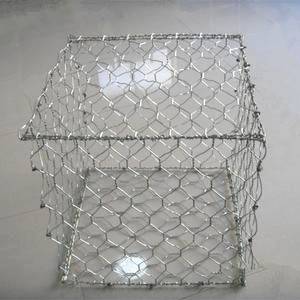
Simply put, 14 gauge mesh wire is metal wire woven or welded into a grid pattern where the wire thickness is 14 gauge. Gauge refers to the wire’s diameter—14 gauge roughly measures about 1.63 mm thick. This dimension strikes a sweet spot between strength and flexibility, making it a popular choice for fencing, cages, and protective coverings.
Its roles tie deeply into modern industry needs—for example, providing secure animal enclosures or reinforcing concrete. It’s also pivotal in humanitarian projects, such as in temporary shelters or protective zones for vulnerable populations. You know, the kind of infrastructure that needs to be robust yet easy to deploy?
Mini takeaway: 14 gauge mesh wire’s thickness and pattern serve a practical balance perfect for many structural and protective uses worldwide.
Key Factors Behind 14 Gauge Mesh Wire
Durability
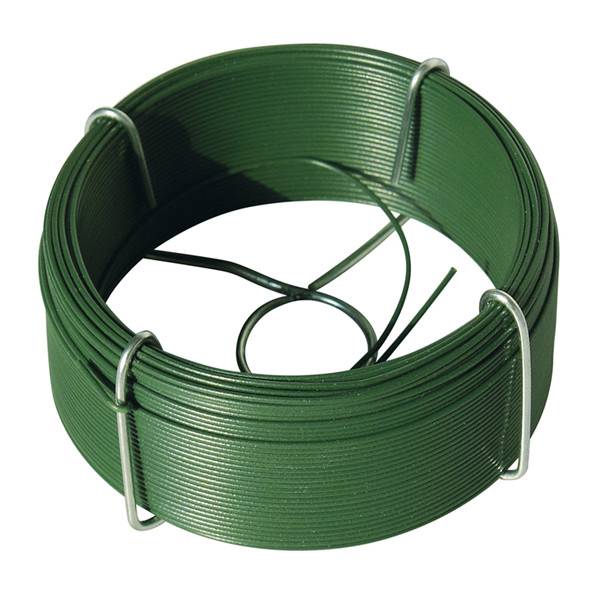
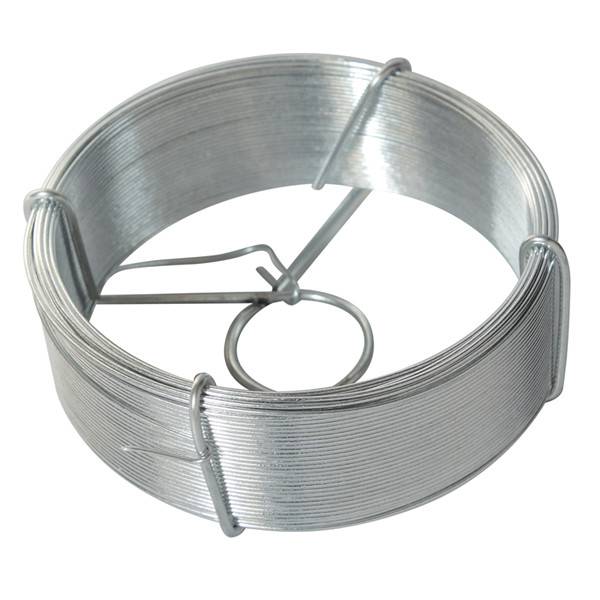
The wire’s resistance to corrosion and mechanical stress is vital. Galvanized or PVC-coated versions can withstand harsh weather for years without rusting or weakening—a must in humid or coastal zones.
Scalability
It’s easy to produce in rolls or panels of various sizes, which means it can scale from small farms to large industrial sites efficiently.
Cost Efficiency
While thicker wires provide strength, they come with higher costs. The 14 gauge gauge strikes a budget-friendly balance without sacrificing security.
Versatility
Whether it’s partitioning livestock, protecting crops, or securing construction zones, its adaptability is a big selling point.
Compliance & Standards
Many manufacturers adhere to ASTM or ISO standards ensuring quality and safety, critical for international projects and contracts.
Product Specifications of 14 Gauge Mesh Wire
| Specification | Details |
|---|---|
| Wire Diameter | 1.63 mm (14 gauge) |
| Mesh Opening | Typically 1 inch to 2 inches |
| Material | Galvanized steel or PVC-coated steel |
| Panel/Roll Length | 25 to 100 feet |
| Weight | Varies, ~12-15 lbs per 50 ft roll |
Vendor Comparison for 14 Gauge Mesh Wire
| Vendor | Material Quality | Price per Roll | Standard Compliance | Lead Time |
|---|---|---|---|---|
| SteelPro Mesh | Hot-dip galvanized | $45 | ASTM A850 | 2 weeks |
| SafeWire Supplies | PVC-coated galvanized | $52 | ISO 9001 | 1 week |
| FarmGuard Co. | Galvanized steel | $40 | ASTM F1043 | 3 weeks |
Global Applications and Use Cases
The uses of 14 gauge mesh wire stretch across continents and industries. In agriculture, it’s indispensable for creating secure animal enclosures in American ranches or African villages alike. The construction industry in Europe and Asia relies on it for concrete reinforcement and safety barriers. Oddly enough, it’s widely used in humanitarian disaster relief—for instance, NGOs employ it in post-disaster housing to reinforce temporary shelters that need quick assembly yet durable protection.
In remote mining zones, it secures equipment and delineates hazardous areas. You might also find it protecting high-value crops from wildlife in South American farms. These examples highlight how versatile and globally relevant the product really is.
Mini takeaway: No matter the location, 14 gauge mesh wire helps solve security and infrastructure challenges in practical, effective ways.
Advantages and Long-Term Value
Cost savings due to durability, reduced maintenance, and ease of installation make 14 gauge mesh wire a favorite. It also supports sustainability efforts; many variants are recyclable, and longer lifespans mean fewer replacements, reducing waste. From a social perspective, stronger fencing and containment enhance community safety, protect livestock, and preserve livelihoods.
Frankly, the sense of trust that comes with reliable fencing translates to emotional peace—farmers and workers feel more secure, knowing their assets are well protected. Innovations in coatings continue to push the lifespan well past 15 years in some environments, making the initial investment worthwhile.
Future Trends & Innovations
The industry is not standing still. Researchers and manufacturers are exploring advanced coatings—like nano-coatings—to further enhance corrosion resistance and reduce environmental impact. Integration with digital monitoring (smart fencing) for asset tracking is also emerging, creating “connected” mesh wire solutions.
Green manufacturing practices and reclaimed steel use are growing trends that speak to worldwide sustainability goals referenced by the United Nations’ sustainable development agenda. Automated production lines improve consistency and reduce lead times, helping innovators meet expanding demand efficiently.
Challenges and Solutions
One common issue with 14 gauge mesh wire is susceptibility to damage in high-impact environments or from wildlife pressure beyond expected levels. To mitigate, experts recommend combining mesh wire with reinforced posts or additional protective layers.
Supply chain delays occasionally affect availability—many have diversified suppliers or stockpiled inventory to solve this. Environmental degradation in coastal areas can be a problem, solved by opting for PVC coatings or specialty alloys for maximal protection.
FAQ: Common Questions About 14 Gauge Mesh Wire
- Is 14 gauge mesh wire suitable for keeping out small predators?
- Yes, especially when the mesh openings are smaller (1 inch or less). It provides a strong barrier against many smaller animals, making it ideal for poultry or garden protection.
- How long does galvanized 14 gauge mesh wire typically last outdoors?
- Galvanized mesh wire generally lasts 10-15 years depending on environmental conditions. PVC-coated variants can extend longevity by several more years in harsh climates.
- Can 14 gauge mesh wire be recycled?
- Absolutely. Steel wire mesh is highly recyclable, which helps reduce environmental impact and supports sustainability initiatives.
- What’s the best wire coating for coastal environments?
- PVC-coated galvanized wire is recommended for coastal areas due to superior resistance against saltwater corrosion compared to bare galvanized wire.
- Where can I buy quality 14 gauge mesh wire?
- You can find reliable suppliers at hardware retailers and specialized online stores like 14 gauge mesh wire providers who offer standards-compliant products and fast shipping.
Conclusion
In real terms, 14 gauge mesh wire stands as a vital, adaptable material solving global problems—from securing farms to supporting humanitarian efforts. Its balance of durability, cost efficiency, and technical specs makes it a practical choice across continents and industries. For those interested in sourcing quality 14 gauge mesh wire or learning more about specifications and options, visit our website at https://www.hardwareinstore.com. The right mesh wire might be the understated hero behind your next successful project.
Oddly enough, something as simple as wire mesh ties so many global challenges together—it really gives perspective on how materials shape our world.
Mini takeaway: Choosing the right 14 gauge mesh wire means investing in safety, sustainability, and long-term success.
References:
1. ISO Standards on Wire Mesh — iso.org
2. United Nations Development Programme — undp.org
3. ASTM International Standards — astm.org
-
The Ultimate Guide to Hardware Cloth 1x1 Versatility and Strength
NewsApr.16,2026
-
Ultimate Guide to hardware cloth 1 4 mesh for Strength and Versatility
NewsApr.09,2026
-
Comprehensive Guide to Hardware Cloth 1/4 Inch Mesh for Versatile Applications
NewsApr.07,2026
-
Comprehensive Guide to Hardware Cloth 1 2 Inch Mesh 36 Applications and Benefits
NewsApr.04,2026
-
Comprehensive Guide to Gi Wire Mesh for Fencing and Its Applications
NewsMar.31,2026
-
Comprehensive Guide to GI Square Mesh Applications and Benefits
NewsMar.28,2026