
Dec . 03, 2025 10:28 Back to list
Comprehensive Guide to 16 Gauge Weld Mesh: Applications, Benefits & Trends
Understanding 16 Gauge Weld Mesh: Durable Solutions for Construction & Beyond
When you first hear the term 16 gauge weld mesh, it might sound like jargon tossed around by steelworkers or fabricators. But frankly, this material plays a far bigger role in construction, industrial safety, and even humanitarian efforts worldwide than most realize. Weld mesh isn’t just some random grid of steel wires; it’s an engineered solution that helps stabilize structures, protect perimeters, and offer reliable durability in varied conditions. Getting to know 16 gauge weld mesh means understanding a versatile resource that tackles real-world challenges — from safeguarding infrastructure in developing cities to reinforcing concrete in major industrial projects.
Global Context: Why 16 Gauge Weld Mesh Matters Today
The worldwide construction and infrastructure market is growing fast — the World Bank estimates infrastructure needs in developing countries will surpass $4 trillion by 2025. Durable, cost-effective materials like weld mesh are critical to meeting these demands sustainably. Oddly enough, weld mesh is also featured in emergency housing, disaster relief, and even agriculture fencing across regions of high vulnerability. With populations expanding and urbanizing rapidly, efficient building components such as 16 gauge weld mesh help reduce waste and accelerate project timelines. The ISO standards confirm the importance of standardized steel products like weld mesh in quality and safety compliance internationally.
Mini takeaway: 16 gauge weld mesh is not just a niche product — it responds to global growth and safety challenges, proving itself essential in varied sectors.
What Is 16 Gauge Weld Mesh?
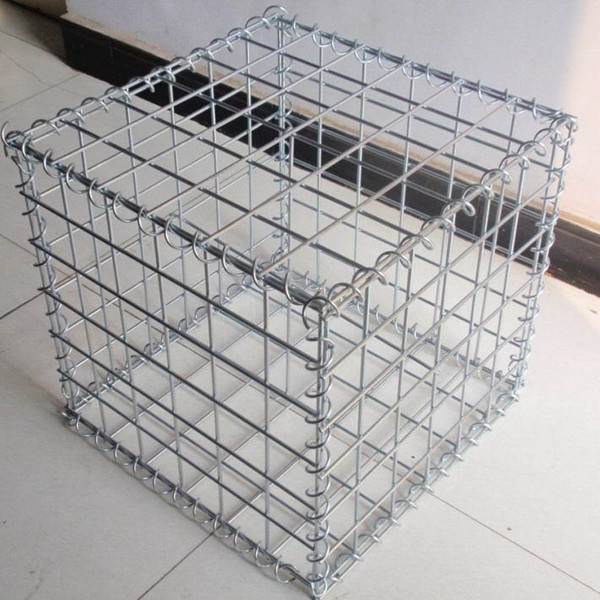
Simply put, 16 gauge weld mesh comprises steel wires welded together in a grid pattern, where the wires are 16 gauge thickness — roughly 1.6 millimeters or about 0.063 inches thick. The “gauge” system measures wire thickness, so a 16 gauge wire balances strength and flexibility well for many construction purposes. This mesh is often galvanized or coated to resist corrosion. In industry, it’s used for reinforcing concrete, making secure fencing, and building cages or partitions. For humanitarian efforts, the mesh serves in quick-install protective barriers or support panels for temporary shelters.
Core Components & Key Factors of 16 Gauge Weld Mesh
1. Durability
The steel wires are welded at each intersection, creating a robust and rigid framework that resists bending or sagging. When coated with zinc or PVC, the material withstands rust and weather damage for years — critical for external applications in construction or security fencing.
2. Versatility
Manufactured in various panel sizes and wire spacing, 16 gauge weld mesh can be customized for different jobs — from small mesh cages for agricultural use to large panels reinforcing concrete slabs. This flexibility makes it a go-to option across industries.
3. Cost Efficiency
Compared to custom-fabricated metal works, weld mesh is relatively economical. Its standardized manufacturing process ensures easier sourcing and less waste during onsite adjustments. Plus, lightweight panels reduce transport and labor costs.
4. Safety & Compliance
Weld mesh helps enhance safety around construction sites or industrial zones by creating reliable barriers. Many suppliers adhere to ASTM and ISO standards for weld quality and material composition, ensuring trustworthiness.
| Specification | Detail |
|---|---|
| Wire Diameter | 16 gauge (~1.6 mm) |
| Mesh Opening | Typically 2” x 4” or custom |
| Material | Carbon Steel, galvanized or PVC coated |
| Panel Size | Varies, often 4’x8’ or 5’x10’ standard |
| Applications | Concrete reinforcement, fencing, cages, barriers |
Mini takeaway: The physical properties of 16 gauge weld mesh strike a balance between strength, weight, and cost that makes it ideal for wide-ranging industrial and construction needs.
Global Applications & Practical Use Cases
Across continents, 16 gauge weld mesh finds itself in surprisingly diverse roles. In Southeast Asia, it’s a common choice to reinforce concrete floors and walls of flood-resistant homes. In the Middle East and parts of Africa, weld mesh cages protect livestock and crops in expansive rural farms. International relief organizations employ lightweight panels of this mesh to quickly erect secure perimeters in post-disaster relief zones — think earthquakes or hurricanes where rapid temporary shelter setup saves lives.
Industrial zones worldwide use weld mesh to create safety partitions around hazardous machinery, preventing accidental injuries. Even in urban landscaping, it serves as a base for retaining walls or support for climbing plants — a nice touch toward sustainability.
Vendor Comparison: Popular 16 Gauge Weld Mesh Suppliers
| Vendor | Product Range | Coating Options | Lead Times | Price Level |
|---|---|---|---|---|
| SteelCo | Standard Panels, Custom Sizes | Galvanized, PVC | 2-3 Weeks | Mid |
| MeshWorks Inc. | Wide Range of Wire Gauges & Mesh Sizes | Hot Dip Galvanized Only | 1-2 Weeks | High |
| EcoMetal Solutions | Green-certified Materials | PVC & Eco-Coatings | 3-4 Weeks | Premium |
Advantages & Long-Term Value of 16 Gauge Weld Mesh
Using weld mesh offers major practical benefits. Its durability translates into longer service life, lowering replacement costs. From a sustainability perspective, steel is recyclable, and the longevity reduces environmental impact. On the social side, secure fencing and reinforced concrete contribute to community safety and dignity, especially in vulnerable areas. I’ve noticed many engineers praise how weld mesh simplifies site management and speeds up construction — saving time that often means real money back in budgets.
Emerging Trends & Innovations
Looking ahead, the weld mesh industry is gradually adopting greener coatings—like eco-friendly PVC alternatives—and exploring digital fabrication methods for precision cuts and shapes tailored to specific construction needs. Advances in automation mean companies are increasingly able to produce complex mesh configurations rapidly and with less waste. Strangely enough, combining weld mesh with new composite materials might define the next generation of lightweight, ultra-strong construction reinforcements.
Challenges & Expert Solutions
Common issues include corrosion in extremely harsh environments and sometimes the rigidity of standard mesh sizes not fitting all niche uses. Experts recommend pairing weld mesh with suitable coatings for exposure or combining it with other materials (like fiber-reinforced polymers) to boost flexibility. Supply chain disruption is another challenge recently; hence, sourcing from multiple reliable vendors and considering local manufacturers helps mitigate delays.
FAQ: Frequently Asked Questions About 16 Gauge Weld Mesh
- Q: What projects are best suited for 16 gauge weld mesh?
A: It’s ideal for medium-duty concrete reinforcement, fencing, cages, and partitions. It balances strength and ease of handling, making it versatile for both residential and commercial uses. - Q: How resistant is 16 gauge weld mesh to rust?
A: Plain steel mesh corrodes quickly, so galvanized or PVC-coated options are recommended for outdoor or humid environments, extending longevity significantly. - Q: Can I customize mesh panel sizes?
A: Yes. Many suppliers offer custom panels with specific mesh openings and dimensions to meet exact project needs. - Q: How does 16 gauge compare with other gauges?
A: 16 gauge offers a good middle ground—thicker gauges like 10 or 12 provide more strength but add cost and weight; thinner gauges are lighter but less durable. - Q: Is weld mesh recyclable?
A: Absolutely. Steel weld mesh is almost 100% recyclable, making it environmentally friendly when disposed or replaced properly.
Conclusion
In sum, 16 gauge weld mesh represents a flexible, reliable building block in modern construction, infrastructure, and community safety initiatives worldwide. From meeting rigorous industry standards to enabling rapid deployment in emerging markets, it combines durability, versatility, and sustainability. If you want to explore various 16 gauge weld mesh options or learn about customizations, be sure to check out our detailed offerings.
Whether you’re an engineer, supplier, or project manager, embracing this mesh could well be a smart move to future-proof your next build.
Reflecting on my experience, it’s fascinating how such a seemingly simple grid of steel wires can support complex structures and communities around the globe. Sometimes, the smallest things make the biggest impact.
-
The Ultimate Guide to Hardware Cloth 1x1 Versatility and Strength
NewsApr.16,2026
-
Ultimate Guide to hardware cloth 1 4 mesh for Strength and Versatility
NewsApr.09,2026
-
Comprehensive Guide to Hardware Cloth 1/4 Inch Mesh for Versatile Applications
NewsApr.07,2026
-
Comprehensive Guide to Hardware Cloth 1 2 Inch Mesh 36 Applications and Benefits
NewsApr.04,2026
-
Comprehensive Guide to Gi Wire Mesh for Fencing and Its Applications
NewsMar.31,2026
-
Comprehensive Guide to GI Square Mesh Applications and Benefits
NewsMar.28,2026