
Dec . 02, 2025 16:48 Back to list
Welded Wire Mesh Sizes: Definitions, Standards & Global Applications Explained
Understanding Welded Wire Mesh Sizes: What They Are & Why They Matter
At first glance, welded wire mesh sizes might sound like a very niche, technical detail—something only structural engineers or fabricators worry about. But if you think about it, these specific dimensions play a quiet yet critical role across industries worldwide. From construction scaffolding to agricultural fencing, the exact size and specification of welded wire mesh directly impact safety, cost, and performance. So, understanding these sizes isn’t just for the experts; it's genuinely important for procurement managers, architects, and even humanitarian groups designing emergency shelters. In this article, we’ll unpack why welded wire mesh sizes matter on a global scale, their key benefits, and the evolving landscape of their applications.
Setting the Global Context
The global welded wire mesh market has expanded steadily, fueled by urbanization and infrastructure growth—worldwide construction spending hit over $13 trillion in 2023, according to the Statista and industry reports. But it’s not just about growth; there are challenges that welded wire mesh sizes help address, such as standardization for quality assurance and interoperability among suppliers. For example, the International Organization for Standardization (ISO) publishes standards to help unify mesh size dimensions, ensuring components fit seamlessly no matter where they’re manufactured.
Oddly enough, in disaster relief or remote industrial zones, precise mesh sizing can mean the difference between a structure standing firm or failing under stress. This makes understanding these sizes more than just industrial trivia. It’s a real-world, practical concern.
What Exactly Are Welded Wire Mesh Sizes?
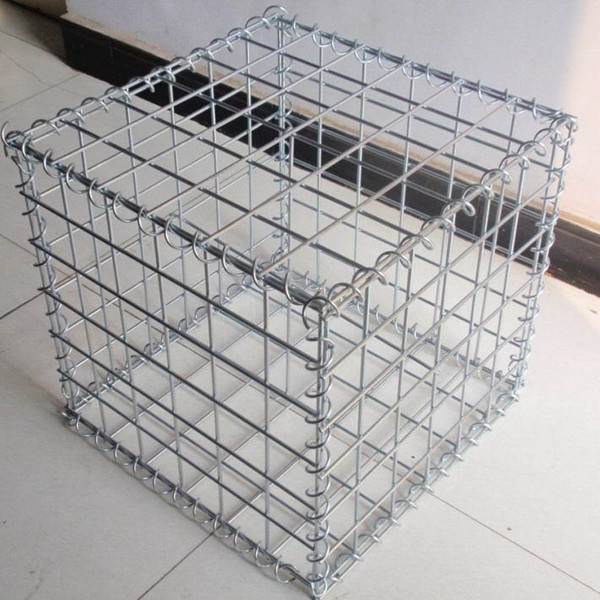
Simply put, welded wire mesh consists of intersecting wires joined by electric welding at their intersections. The “mesh sizes” refer to the spacing between these wires and the diameter (thickness) of the wires used. Common sizes might be expressed as 2x2 inches (meaning two-inch spacing horizontally and vertically) or 50x50 millimeters in metric systems.
This sizing is essential—it influences strength, flexibility, and suitable applications. Take a heavy gauge wire with a large mesh opening; that’s great for reinforcing concrete. Finer meshes with smaller openings might find use in security fencing or animal enclosures.
Key Factors Influencing Welded Wire Mesh Selection
Durability and Strength
Wire gauge and mesh size together determine how much load the mesh can bear. Thicker wires and smaller mesh openings generally mean sturdiness. This is critical in construction or safety installations.
Cost Efficiency
Oddly enough, you don’t always want the thickest wires or smallest mesh. Larger mesh sizes use less material and are therefore cheaper—but not if the structural integrity is compromised. It’s a delicate balance.
Corrosion Resistance
Because welded wire mesh often faces weather extremes, galvanized or PVC-coated mesh sizes are common, adding another dimension beyond mere dimensioning.
Scalability and Custom Sizes
From small fencing around gardens to massive industrial enclosures, mesh sizing needs to be scalable. Custom sizes are widely offered, though standard sizes remain prevalent due to ease of manufacturing and availability.
Compliance with Standards
International standards such as ISO 4783 regulate mesh spacing and wire thickness to ensure safety and performance consistency across global projects.
Global Applications & Real-World Use Cases
In North America, welded wire mesh sizes largely conform to ASTM standards, widely used in concrete reinforcement, cages, and partitions. Meanwhile, in the EU, metric sizes predominate, closely aligned with ISO norms, fostering smoother cross-border trade.
- Disaster Relief: In post-disaster housing, mesh sizes enable prefabricated walls that are quick to assemble yet strong.
- Agricultural Use: Around the world, wired fencing protects crops and livestock—an essential component for food security.
- Industrial Sectors: Mesh guards machinery or serves as shelving in harsh environments, relying on exact sizing for safety.
For instance, an NGO supplying shelters in cyclone-hit Bangladesh used a 1-inch mesh size with galvanized coating for durability and ventilation, balancing cost and protection effectively.
Advantages and Long-Term Value
Properly specified welded wire mesh translates into tangible benefits:
- Cost Savings: Less waste, optimized material use, and easier replacement parts.
- Safety and Trust: Knowing the mesh meets exact standards offers peace of mind.
- Sustainability: Durable mesh means fewer replacements and less landfill material.
- Social Impact: Reliable fencing and reinforcements contribute to community safety and resilience.
It’s not just about metal and measurements — it’s about preserving lives, livelihoods, and trust in infrastructure.
Future Trends & Innovations
The welded wire mesh landscape is evolving. Smart coatings that sense corrosion, lighter composite wire blends, and automated custom mesh cutting are gaining traction. A push towards greener manufacturing (lower carbon footprint galvanizing) and digital inventory tracking is also reshaping the market.
For example, research into bio-based coatings aims to replace PVC while retaining durability, aligning production with global sustainability goals outlined by the UN.
Challenges & Solutions
Common hurdles include variations in size standards, especially between metric and imperial systems, and inconsistent quality from some suppliers. Supply chain disruptions can also delay projects.
Experts suggest:
- Specifying clear mesh dimensions aligned with ISO or ASTM
- Partnering with reputable vendors
- Using modular mesh sizes for easier stock management
Innovation too plays a role: digital design and 3D printing of mesh prototypes can help avoid costly onsite errors.
Welded Wire Mesh Sizes: Frequently Asked Questions
- Q: What are standard welded wire mesh sizes used in construction?
A: Common sizes include 2x2 inches or 50x50 mm mesh patterns with wire gauges from 10 to 16. Specifications vary based on the project type and load requirements. - Q: How does mesh size affect fencing durability?
A: Smaller mesh openings with thicker wires increase overall durability and security, preventing large animals or debris from passing through. - Q: Can welded wire mesh be customized?
A: Yes, many manufacturers offer custom spacing and wire diameters to meet specific industrial needs. - Q: Are coated welded wire meshes better for long-term outdoor use?
A: Generally, galvanized or PVC-coated meshes resist corrosion better and last longer, especially in humid or corrosive environments. - Q: How do different countries regulate mesh sizing?
A: ISO standards provide a baseline, but regional standards like ASTM (US) or EN (Europe) specify allowable tolerances and performance tests.
Product Specification Table: Typical Welded Wire Mesh Sizes
| Mesh Size (inches) | Wire Gauge | Wire Diameter (mm) | Common Uses |
|---|---|---|---|
| 2" x 2" | 10 | 3.4 mm | Concrete reinforcement, heavy fencing |
| 1" x 1" | 14 | 2.0 mm | Animal cages, partitions |
| 0.5" x 0.5" | 16 | 1.6 mm | Security fencing, small animal enclosures |
Vendor Comparison Table: Leading Welded Wire Mesh Suppliers
| Vendor | Standard Mesh Sizes | Custom Options | Coating Types | Typical Lead Time |
|---|---|---|---|---|
| Global Mesh Inc. | Standard ASTM & ISO sizes | Yes (small to large) | Galvanized, PVC-coated | 2 weeks |
| EcoWire Solutions | ISO metric standards | Limited (focus on popular sizes) | Bio-based coatings | 3 weeks |
| SteelFrame Co. | Custom & standard meshes | Yes, includes custom wire gauges | Galvanized, stainless steel | 1 week |
Keep in mind, while standards and specs guide us, real-world projects often need customizations and field adjustments. It feels like the best mesh is the one that balances all these factors without making your cheque book cry too much.
-
The Ultimate Guide to Hardware Cloth 1x1 Versatility and Strength
NewsApr.16,2026
-
Ultimate Guide to hardware cloth 1 4 mesh for Strength and Versatility
NewsApr.09,2026
-
Comprehensive Guide to Hardware Cloth 1/4 Inch Mesh for Versatile Applications
NewsApr.07,2026
-
Comprehensive Guide to Hardware Cloth 1 2 Inch Mesh 36 Applications and Benefits
NewsApr.04,2026
-
Comprehensive Guide to Gi Wire Mesh for Fencing and Its Applications
NewsMar.31,2026
-
Comprehensive Guide to GI Square Mesh Applications and Benefits
NewsMar.28,2026