
Dec . 01, 2025 00:50 Back to list
Wire Mesh Price Per Square Meter: Global Insights, Applications & Trends
Understanding Wire Mesh Price Per Square Meter: Why It Matters Globally
Wire mesh is everywhere—from the fences around your garden to the reinforcement in skyscrapers. The wire mesh price per square meter is a key figure that companies, engineers, and even humanitarian groups track closely. Honestly, it shapes budget decisions and impacts everything from construction costs to safety standards worldwide. Knowing how this pricing works isn't just a numbers game; it reflects broader economic trends, material scarcity, and evolving manufacturing techniques.
Today, as the world leans heavily on infrastructure upgrades and disaster resilience, the cost and quality of wire mesh directly affect timelines, costs, and ultimately, lives. Understanding this pricing is crucial for anyone in construction, urban planning, or supply chain management.
Mini takeaway: Getting familiar with wire mesh pricing unlocks insights into construction economics and global supply challenges.
Wire Mesh Price Per Square Meter: A Global Perspective
Globally, demand for wire mesh has surged due to rapid urbanization, industrial growth, and increasing safety regulations. According to the International Organization for Standardization (ISO), the volume of galvanized and stainless steel wire mesh exports grew approximately 7% annually between 2017 and 2022.
Yet, the wire mesh price per square meter varies wildly across regions due to raw material costs, labor rates, and tariffs. For example, steel prices in Asia directly influence wire mesh costs nationally and internationally, especially from major exporters like China and India. A World Bank report highlights how supply chain disruptions, particularly during the pandemic, caused a roughly 20% spike in steel pricing worldwide—rippling directly into mesh pricing.
The challenge here? Balancing price with quality. Low-cost imports may seem attractive but can compromise durability and safety in critical infrastructure projects. So, the price per square meter isn’t just an expense—it's part of a risk equation.
Mini takeaway: Wire mesh pricing reflects global supply chain health and can be a barometer for industrial market shifts.
What Exactly Is Wire Mesh Price Per Square Meter?
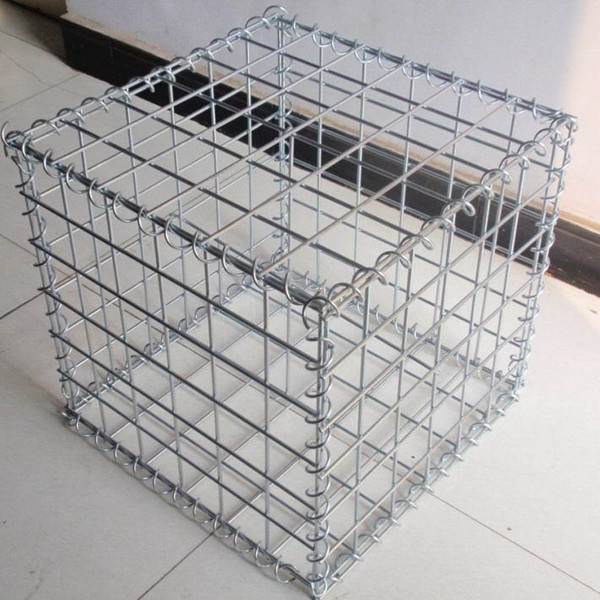
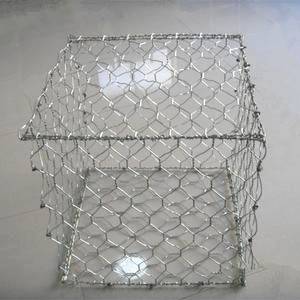
At its core, the wire mesh price per square meter refers to the cost you pay for one square meter of wire mesh product, factoring in metal type, wire diameter, mesh aperture, and finishing process. Wire mesh itself is a grid made by weaving or welding wires to create a stable net-like sheet.
This price metric is useful because wire mesh is sold not only by weight or roll length but often by area—so buyers can match quantities perfectly to project specifications. It’s like buying fabric by the yard but with metal!
Wire mesh finds its uses beyond just fencing. In humanitarian aid, for instance, robust wire mesh forms urgently needed shelter frames after disasters. Industrially, it’s used for filtration, reinforcement, and security, making its cost a significant line item in everything from mining operations to urban housing.
Mini takeaway: Essentially, the price per square meter helps stakeholders precisely budget their use of this versatile industrial textile.
Core Factors Influencing Wire Mesh Costs
1. Material Type and Quality
Steel mesh can be mild steel, galvanized, stainless, or even specialty alloys. Stainless steel commands a premium but offers corrosion resistance. Material choice is the biggest dial on the cost.
2. Wire Diameter and Mesh Aperture
Thicker wires and smaller apertures mean more metal per square meter, naturally hiking up prices. This balance influences both strength and flexibility—key depending on your project.
3. Manufacturing Process
Welded mesh typically costs more than woven. Welded mesh offers rigidity useful in construction, while woven mesh can be tailored for filtration or decorative uses. Finishing processes like galvanization also add to costs.
4. Quantity and Customization
Bulk orders often reduce the price per square meter. Custom sizes, unique coatings, or precision fabrication can add complexity — and cost.
5. Geographic Location
Local labor rates, import duties, and transportation influence final costs. For example, wire mesh delivered in remote industrial zones in Africa may cost significantly more than in Southeast Asia.
Mini takeaway: Wire mesh price fluctuations reflect a tangled mix of metal markets, factory tech, and geography.
A Snapshot of Common Wire Mesh Product Specifications
| Specification | Details |
|---|---|
| Material | Galvanized Steel / Stainless Steel / Mild Steel |
| Wire Diameter | 1.6mm - 6mm |
| Mesh Aperture Size | 5mm x 5mm to 50mm x 50mm |
| Finish | Galvanized / PVC Coated / Stainless Stainless Polished |
| Standard Roll Size | 1m - 2m width x 30m length |
| Approximate Price (per m²) | $2.50 - $10.00 (varies by spec) |
Prices shown are indicative and subject to change based on market and vendor.
How Does Wire Mesh Pricing Compare Among Leading Vendors?
| Vendor | Material Options | Price Range (per m²) | Lead Time | Customization |
|---|---|---|---|---|
| MeshCo Global | Stainless, Galvanized | $3.50 - $9.00 | 2-4 weeks | Standard + Custom |
| SteelNet Supplies | Mild Steel, PVC Coated | $2.50 - $6.50 | 1-3 weeks | Mostly Standard |
| UrbanGrid Materials | Stainless, Galvanized, Brass Mix | $4.00 - $10.00 | 3-5 weeks | High Customization |
Practical Uses of Wire Mesh Around the World
The adaptability of wire mesh is pretty remarkable. In construction hubs like Europe and North America, it’s core to concrete reinforcement for bridges and buildings. In Asia and Africa, wire mesh fencing secures farms and industrial zones.
During post-disaster relief operations, wire mesh acts as fast-deploy frameworks for temporary shelters, offering both protection and airflow. NGOs appreciate affordable pricing per square meter to maximize aid budgets. In mining sectors, mesh screens out rocks and debris to protect expensive equipment.
Remote industrial zones in South America rely on durable, corrosion-resistant mesh to withstand harsh weather, balancing price against longevity.
Mini takeaway: Wire mesh is a quiet hero in industries spanning construction, agriculture, humanitarian aid, and mining—each relying on tailored pricing and quality.
The Long-Term Value Behind Wire Mesh Costs
It might seem dull to focus on "price per square meter", but the long-term value is about more than a dollar figure. Durable mesh reduces replacement frequency, directly lowering total project costs. It enhances safety—for workers, families, and communities—by providing lasting barriers and structural reinforcement.
Environmentally, choosing galvanized or stainless options prevents rust and metal waste, aligning with sustainable building goals. Emotionally, today’s infrastructure is tomorrow’s safety net; dependable materials build trust in communities whether in urban centers or remote regions.
Innovations Shaping Future Wire Mesh Pricing
Green energy initiatives are pushing manufacturers to re-examine materials and processes. For instance, bi-metallic meshes combining recycled steel cuts costs and carbon footprint simultaneously. Digital fabrication techniques allow exact custom sizing, reducing waste and logistical overhead.
Automation in production is squeezing down lead times and inconsistencies that previously added premium costs. Policies promoting local sourcing as part of circular economy frameworks may shift pricing patterns in the years ahead.
Challenges and Expert Solutions
One persistent challenge is balancing affordability with quality. Cheaper materials often mean higher long-term maintenance. Transportation costs to distant sites can dramatically inflate the price per square meter. Sometimes, vendors struggle with transparency, making it hard to compare quotes fairly.
Experts suggest adopting standardized quality certifications and leveraging local manufacturing hubs where possible. Technological solutions like RFID tagging help track mesh quality and supply chain provenance, adding confidence to investment decisions.
FAQ: Wire Mesh Price Per Square Meter
- Q: How do wire diameter and mesh size affect the price per square meter?
A: Thicker wires and smaller mesh apertures mean more metal per square meter. This increases material cost and weight, thus elevating the price. Choosing the right specs to match project requirements is key to optimizing cost. - Q: Can NGOs reliably get affordable wire mesh for disaster zones?
A: Yes. NGOs usually partner with vetted vendors offering bulk discounts and can access galvanized mesh varieties that balance cost and durability. Volume and local sourcing help reduce transit delays and costs. - Q: Is stainless steel wire mesh always better than galvanized?
A: Not necessarily. Stainless offers superior corrosion resistance and longevity, but at a higher price. Galvanized mesh can be adequate for many uses, especially indoors or where expense is limited. - Q: Where can I find competitive wire mesh price per square meter online?
A: You might want to compare suppliers on dedicated industry platforms, or check wire mesh price per square meter listings updated regularly for market trends.
Wrapping Up: Why Wire Mesh Pricing Is More Than Numbers
Summing it all up, the wire mesh price per square meter is a crucial figure with far-reaching effects—from shaping construction budgets to ensuring humanitarian aid arrives timely and functional. It’s a price tag that mirrors glass-clear supply chain realities, technological progress, and environmental concerns.
If you want to deep-dive into current pricing or explore options tailored to your project or region, consider visiting our trusted resource at https://www.hardwareinstore.com. Staying informed means better decisions—and in this field, that makes all the difference.
Mini takeaway: Wire mesh pricing is a gateway to smarter industrial and humanitarian solutions worldwide—worth every square meter of attention.
References
-
The Ultimate Guide to Hardware Cloth 1x1 Versatility and Strength
NewsApr.16,2026
-
Ultimate Guide to hardware cloth 1 4 mesh for Strength and Versatility
NewsApr.09,2026
-
Comprehensive Guide to Hardware Cloth 1/4 Inch Mesh for Versatile Applications
NewsApr.07,2026
-
Comprehensive Guide to Hardware Cloth 1 2 Inch Mesh 36 Applications and Benefits
NewsApr.04,2026
-
Comprehensive Guide to Gi Wire Mesh for Fencing and Its Applications
NewsMar.31,2026
-
Comprehensive Guide to GI Square Mesh Applications and Benefits
NewsMar.28,2026