
Nov . 30, 2025 23:10 Back to list
Comprehensive Guide to GI Welded Mesh Price – Understanding Costs and Quality
Understanding GI Welded Mesh Price: A Global Perspective
Tackling the gi welded mesh price might not sound thrilling at first, but this topic holds surprising weight in construction, agriculture, and infrastructure projects worldwide. The galvanized iron (GI) welded mesh serves as a backbone material in fencing, reinforcement, and protection, making its cost a key factor for builders, planners, and manufacturers. Understanding how its price fluctuates and what drives it can save projects thousands and ensure materials don’t just meet needs on paper but in real-world durability.
Why Are GI Welded Mesh Prices Globally Important?
Globally, steel production accounts for roughly 1.8 billion metric tons annually, and a sizable chunk of this finds its way into galvanized welded mesh. According to World Steel Association data, fluctuations in raw steel costs ripple directly into GI mesh pricing. For countries rebuilding post-disaster or rapidly urbanizing (think Southeast Asia or parts of Africa), the gi welded mesh price essentially controls budgets and timelines.
The challenge? Price volatility due to global supply chain disruptions, tariffs, and raw material scarcity. These swings can stall urgent projects or push developers to seek subpar materials. Keeping an eye on the gi welded mesh price means making smarter, proactive procurement decisions.
What Exactly Is GI Welded Mesh Price?
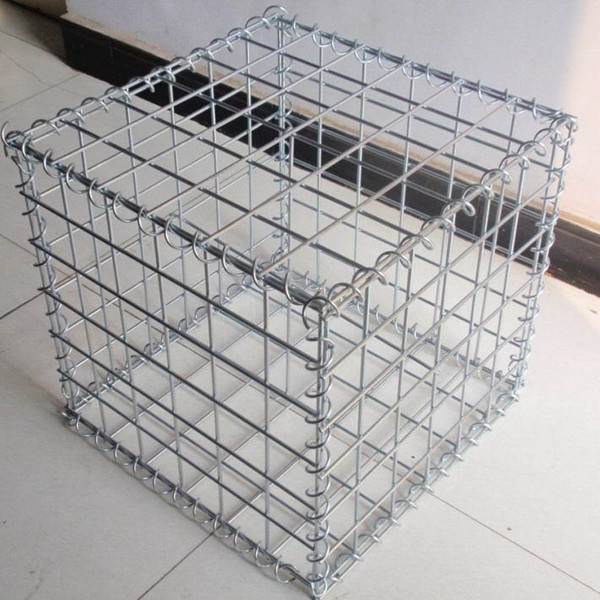
Simply put, the gi welded mesh price refers to the cost of steel wires welded together in a grid pattern and coated with zinc (galvanized) to resist corrosion. This mesh comes in sheets or rolls and varies in thickness, mesh size, and wire gauge. It's pretty much the building block of temporary fence lines, animal enclosures, concrete reinforcement panels, and more.
Its affordability combined with durability has made it a staple not just in urban construction but in humanitarian efforts—for instance, creating safe perimeter fencing in refugee camps. Pricing influences whether organizations can scale projects or stick to limited scopes.
Key Factors Influencing GI Welded Mesh Price
1. Material Quality and Zinc Coating Thickness
The thickness of the galvanized zinc layer is a big deal. Thicker coatings mean better corrosion resistance but also a steeper price. Many engineers I’ve spoken to say this balance between longevity and upfront cost is like walking a tightrope — especially for outdoor and coastal projects.
2. Wire Gauge and Mesh Size
A finer wire gauge offers more flexibility but usually costs more per unit weight. Larger mesh openings reduce material use but may not provide the needed strength. Depending on your use case—say, livestock fencing versus concrete reinforcement—the specifications will vary and so will the price.
3. Market Demand and Raw Steel Price Fluctuation
As mentioned, global steel price trends are a major driver. COVID disruptions, trade wars, and energy costs impact supply chains directly. For example, after sudden raw material shortages in 2022, some manufacturers hiked prices by 12–15%, affecting everything down the line.
4. Manufacturing Process and Quality Assurance
Mesh that’s machine-welded with consistent quality tends to hold price premiums because it reduces installation headaches and failures later. Some vendors also test for tensile strength and coating adhesion; these extra steps can bump up costs but guarantee performance.
5. Transportation and Regional Availability
Not every region has local production capacity. Importing welded mesh can add freight charges, tariffs, and delays. Sometimes it’s cheaper to buy a lower grade locally than pay premium prices on high-grade imports.
Mini Takeaway:
The gi welded mesh price is shaped by a cocktail of raw materials, specs, and global trade quirks. Understanding this gives buyers leverage to negotiate and plan better.
Typical Specifications of GI Welded Mesh Products
| Parameter | Typical Range | Notes |
|---|---|---|
| Wire Gauge (mm) | 2.0 - 6.0 | Thicker wire for heavy-duty uses |
| Mesh Opening Size (mm) | 25 x 25 to 100 x 100 | Custom mesh sizes available |
| Zinc Coating Thickness (g/m²) | 40 - 275 | Heavier coating = better corrosion resistance |
| Sheet Dimensions (mm) | 1000 x 2000 to 2000 x 6000 | Standard and custom sizes |
| Weight per Sheet (kg) | 10 - 50 | Varies with gauge and size |
Comparing Top Vendors of GI Welded Mesh
| Vendor | Price per Sheet (USD) | Quality Certification | Lead Time (Weeks) | Minimum Order Quantity |
|---|---|---|---|---|
| SteelMesh Pro | $45 - $60 | ISO 9001 | 2 - 3 | 50 sheets |
| GalvaMesh Co. | $40 - $55 | ASTM Compliant | 1 - 2 | 100 sheets |
| IronGrid Ltd. | $50 - $65 | ISO 14001 | 3 - 5 | Minimum order negotiable |
Real-World Applications That Highlight Pricing Importance
From sprawling city airports in Europe to small rural farms in South America, GI welded mesh’s price directly influences project feasibility. For example, in post-disaster zones like after the 2015 Nepal earthquake, NGOs used galvanized mesh fencing to secure camps quickly. Cost constraints meant balancing quality against quantity, and buyers watched the gi welded mesh price with bated breath.
Oddly enough, some remote mining sites in Australia rely on locally sourced welded mesh to minimize import fees—even though the price per kg may be slightly higher. Their decision points rest on a complex web of factors including lead time and durability.
Advantages and Long-Term Value of Knowing the GI Welded Mesh Price
- Cost predictability: Understanding pricing empowers better budgeting, reducing costly last-minute sourcing.
- Sustainability: Investing in higher-quality mesh can mean less frequent replacements, which is better for the environment and wallet.
- Safety and reliability: Low-quality material can fail, putting lives and assets at risk—knowing price ranges helps avoid this.
- Social impact: In community projects, controlling material cost often means funds freed up for other needs.
What Does the Future Hold for GI Welded Mesh Pricing?
Given the rise of green tech, some manufacturers have begun exploring zinc coatings combined with eco-friendly compounds to extend lifespan further and cut down on pollutants. Additionally, automation in welding processes promises to reduce labor costs, which could lower the gi welded mesh price over time.
Digital procurement platforms are starting to offer real-time price tracking and predictive analytics, allowing buyers to time their purchases more intelligently. Still, supply chain volatility remains a wild card.
Challenges and Innovative Solutions
Price fluctuations, regional supply chain gaps, and quality inconsistency often snake through the GI welded mesh market. Some developers counter this by partnering directly with trusted manufacturers, enabling bulk discounts and quality control assurances.
Another approach? Modular mesh designs that allow repair of damaged sections instead of whole replacements. It’s a clever workaround for budget-strapped projects.
FAQ: Frequently Asked Questions About GI Welded Mesh Price
Q1: Why does the gi welded mesh price vary so much between vendors?
Pricing differences come down to raw material quality, zinc coating thickness, mesh specifications, economies of scale, and transport costs. Vendors with better certifications or in-house manufacturing processes often command higher prices, but reliability usually justifies the expense.
Q2: How can I estimate the total cost for a fencing project using GI welded mesh?
Aside from the gi welded mesh price per sheet or roll, include costs for posts, fasteners, labor, and maintenance. Request quotes from multiple vendors and consider lead times to avoid rush fees.
Q3: Is buying cheaper lower-grade mesh really worth it?
Short term, it might save money, but lower-grade welded mesh often degrades faster, requiring replacement. Over time, this can raise total project costs and risk safety failures, so investing in certified mesh is usually better value.
Q4: Can governments or NGOs negotiate better GI welded mesh prices?
Yes, through bulk purchasing agreements, multi-year contracts, and working closely with reliable suppliers, organizations often secure significant discounts and steady supply, overcoming volatility in the market.
Wrapping It Up: Why You Should Care About GI Welded Mesh Price
In a world where infrastructure reliability and budget tightness go hand-in-hand, understanding the ins and outs of gi welded mesh price isn’t just for numbers geeks. It’s a strategic move to secure materials that stand the test of time — literally holding walls, fences, and projects together.
Curious to see current pricing or place an order? Check out the full details at HardwareInStore. It’s where smart buyers get their edge.
Key Takeaways:
- The price of GI welded mesh depends on specs, zinc coating, market trends, and vendor capabilities.
- High-quality mesh reduces risks and long-term costs despite higher upfront prices.
- Future tech and digital tools aim to stabilize pricing and improve buyer control.
References:
- World Steel Association Annual Reports
- Wikipedia: Galvanization
- International Organization for Standardization (ISO)
-
The Ultimate Guide to Hardware Cloth 1x1 Versatility and Strength
NewsApr.16,2026
-
Ultimate Guide to hardware cloth 1 4 mesh for Strength and Versatility
NewsApr.09,2026
-
Comprehensive Guide to Hardware Cloth 1/4 Inch Mesh for Versatile Applications
NewsApr.07,2026
-
Comprehensive Guide to Hardware Cloth 1 2 Inch Mesh 36 Applications and Benefits
NewsApr.04,2026
-
Comprehensive Guide to Gi Wire Mesh for Fencing and Its Applications
NewsMar.31,2026
-
Comprehensive Guide to GI Square Mesh Applications and Benefits
NewsMar.28,2026