
Nov . 30, 2025 18:20 Back to list
Welding Stainless Steel Mesh - Durable Solutions for Industrial & Construction Applications
Understanding Welding Stainless Steel Mesh: A Global Perspective
Welding stainless steel mesh—at first blush—might sound like a niche industrial term. But in reality, it's a quietly crucial technology that touches everything from construction to agriculture, medical setups to disaster relief. Think of it as a resilient skin built from stainless steel wires, welded together to make a mesh that’s strong, long-lasting, and adaptable. This material helps keep infrastructures safer, enhances project durability, and offers versatility that's hard to match with traditional materials.
Globally, stainless steel welding meshes are foundational in sectors facing tough environments or needing superior hygiene standards. Understanding them isn’t just academic; it saves money, time, and often lives.
Why Welding Stainless Steel Mesh Matters Worldwide
If you glance at global infrastructure trends, you’ll notice stainless steel mesh popping up everywhere. According to the International Organization for Standardization (ISO), stainless steel use in construction and industrial applications has increased by roughly 5% annually over the past decade (1). And this is no accident.
Countries pushing for sustainable infrastructure—especially in Asia and Europe—are adopting welded stainless steel meshes to meet durability and safety standards that outpace older materials like galvanized steel or iron. The World Bank reports millions of dollars in savings globally due to lower maintenance costs when stainless meshes replace vulnerable materials (2).
But beyond economics, the challenge is clear: how do we build smarter, sturdier with materials that resist rust, corrosion, and the unexpected? Welding stainless steel mesh answers that call, combining strength with longevity, thereby playing a subtle yet game-changing role.
What Is Welding Stainless Steel Mesh?
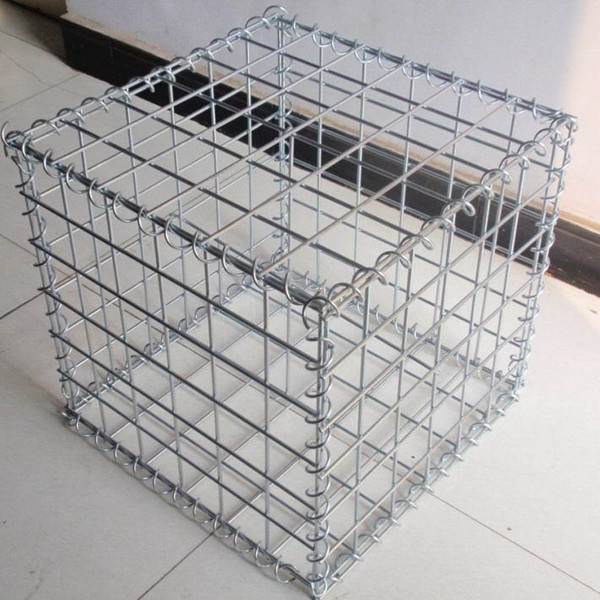
Plainly put, welding stainless steel mesh is a grid-like sheet made by fusing (welding) stainless steel wires at their intersections. Each ‘wire’ runs straight along the length and width, forming square or rectangular openings. The stainless steel alloy used is typically high-grade—like 304 or 316 grade—known for resisting rust and chemical damage.
It’s the backbone in a lot of modern constructions—whether protecting glass facades, reinforcing concrete, or creating hygienic barriers in medical equipment. Oddly enough, its use is now seen in humanitarian aid too: from makeshift shelters in disaster zones to filters for clean water access.
Key Aspects of Welding Stainless Steel Mesh
Durability and Corrosion Resistance
This is the defining factor. Stainless steel resists oxidation and harsh chemicals far better than plain steel, meaning welded mesh made from it doesn’t wear down or weaken quickly—crucial in coastal, industrial, or tropical environments.
Customization and Scalability
Welded mesh can be tailored by changing wire diameter, mesh opening size, and sheet dimensions. Whether you want a fine mesh for filtration or a robust bigger grid for fencing, it’s flexible enough to fit.
Cost Efficiency Over Time
Sure, initial cost is higher than galvanized meshes, but when you add up reduced maintenance, longer lifespan, and better safety outcomes, the investment pays off—sometimes surprisingly fast.
Versatility Across Applications
The mesh is not just for fences. Agricultural netting, machine guards, building reinforcement, even aesthetic screens — stainless steel welding mesh fits many roles simultaneously.
Ease of Installation
Compared to other mesh types that may require complex fittings or welds on-site, prefabricated stainless steel mesh panels simplify fieldwork, reducing labor time and errors.
Environmental Impact
Interestingly, stainless steel is recyclable and often made with recycled content, making its meshes part of a circular economy and aligning well with rising eco-conscious building codes worldwide.
Global Applications and Real-World Use Cases
Take Japan's coastal windbreaks, reinforced with welding stainless steel mesh to withstand typhoons, or hospitals in Germany that use these meshes in sterile environments to protect instruments while allowing airflow. Post-disaster relief organizations, such as the Red Cross, utilize quick-install mesh shelters that combine this material for strength and hygiene.
In developing regions across South America, agricultural planners rely on welded stainless steel meshes for durable fencing that lasts beyond rainy seasons and deters pests effectively. Even oil refineries in the Middle East use these meshes as flame arresters, combining fire safety with corrosion resistance—a perfect storm of practical benefits.
Welding Stainless Steel Mesh Advantages and Lasting Value
- Safety and Trust: Higher structural integrity means fewer accidents caused by material failure.
- Longevity: Projects using it can last decades with minimal upkeep.
- Sustainability: As a recyclable and corrosion-resistant material, it's environmentally savvy.
- Cost Savings: Reduced downtime means better ROI.
- Dignity and Comfort: It enables shelter and infrastructure that can withstand harsh climates, preserving human dignity.
Product Specification Table
| Specification | Detail |
|---|---|
| Material Grade | 304 / 316 Stainless Steel |
| Wire Diameter | 0.3 mm – 5 mm |
| Mesh Size | 0.5" to 4" openings |
| Sheet Dimensions | Up to 2 m x 6 m standard |
| Finish | Pickled, Passivated |
| Standard Compliance | ASTM A580, ISO 9044 |
Top Vendor Comparison
| Vendor | Grade Options | Pricing (per m²) | Lead Time | Customization |
|---|---|---|---|---|
| MeshWorks Ltd. | 304, 316 | $35 - $45 | 2 weeks | Standard and bespoke |
| Stainless Solutions Inc. | 304 only | $30 - $40 | 1 week | Limited bespoke |
| Global Weld Mesh | 316, duplex grades | $50 - $60 | 3-4 weeks | Fully bespoke |
Future Trends and Innovations
The world of welding stainless steel mesh is not static. Frankly, it's evolving rapidly, especially with digital fabrication advances such as laser welding which boost precision and reduce heat damage. On the materials front, duplex stainless steels (a hybrid of austenitic and ferritic) are gaining ground, offering superior strength and corrosion resistance, particularly for marine and chemical industries.
There's also a green push—manufacturers now aim to reduce CO2 footprints by optimizing production and using recycled materials. Remote monitoring and smart mesh coatings that self-heal minor scratches are on the horizon too, driving a silent revolution in fence and filter tech alike.
Common Challenges and Practical Solutions
While welding stainless steel mesh has loads of perks, some pain points remain. For example, welding can introduce slight weaknesses if not done correctly, especially in thicker wires. Also, sourcing the correct grade for specific climates isn’t always straightforward.
Experts recommend partnering with vendors that perform stringent quality assurance (like X-ray weld inspections) and provide clear certification to avoid surprises. Moreover, treating mesh panels with passivation (acid treatment) in the factory enhances corrosion resistance before shipping, a practice gaining traction.
Frequently Asked Questions About Welding Stainless Steel Mesh
- Q: What grade stainless steel is best for outdoor fencing mesh?
A: Typically, 316-grade stainless steel is preferred outdoors, especially near saltwater, because it offers superior corrosion resistance compared to 304. For indoor or less harsh environments, 304 usually suffices. - Q: How does welding stainless steel mesh compare with woven mesh?
A: Welded mesh is rigid due to fixed intersections, providing more structural strength and dimensional stability. Woven mesh is more flexible and often used in filtration or decorative applications but less suited for heavy-duty support. - Q: Can this mesh be recycled?
A: Absolutely. Stainless steel is 100% recyclable without loss of quality, which aligns the product well with sustainability initiatives. - Q: Are there size limits for mesh panels?
A: Standard panels come up to 2 m by 6 m, but many suppliers offer custom sizes to fit your project's needs. Always check with your vendor for feasible dimensions.
Final Thoughts and Next Steps
Welding stainless steel mesh quietly runs through many of the sturdy, sustainable structures we rely upon every day. Its unmatched combination of strength, versatility, and corrosion resistance makes it a smart choice for engineers, architects, and planners worldwide.
If you’re considering welding stainless steel mesh for your next project, don’t hesitate to explore the options. The right product not only safeguards infrastructure but sends a message of durability and trust.
For more insights, detailed specifications, and sourcing options, visit our website: welding stainless steel mesh.
1. ISO Annual Report 2023 — Stainless Steel Usage
2. World Bank Infrastructure Trends 2022
3. Stainless Steel FAQ, Wikipedia
-
The Ultimate Guide to Hardware Cloth 1x1 Versatility and Strength
NewsApr.16,2026
-
Ultimate Guide to hardware cloth 1 4 mesh for Strength and Versatility
NewsApr.09,2026
-
Comprehensive Guide to Hardware Cloth 1/4 Inch Mesh for Versatile Applications
NewsApr.07,2026
-
Comprehensive Guide to Hardware Cloth 1 2 Inch Mesh 36 Applications and Benefits
NewsApr.04,2026
-
Comprehensive Guide to Gi Wire Mesh for Fencing and Its Applications
NewsMar.31,2026
-
Comprehensive Guide to GI Square Mesh Applications and Benefits
NewsMar.28,2026