
Nov . 30, 2025 16:45 Back to list
Welded Wire Wood Fence: Durable, Cost-Effective Fencing Solutions Worldwide
Understanding the Welded Wire Wood Fence: A Practical Look at a Global Staple
If you’ve ever strolled down a rustic path, admired farmland boundaries, or worked in agricultural or industrial zones, there’s a good chance you’ve come across a welded wire wood fence. These fences, while appearing pretty straightforward, are a quiet hero in countless sectors worldwide. But why do they matter so much globally? Well, the simple truth is that they combine strength, affordability, and ease of installation—making them invaluable for managing spaces safely and efficiently. In places where security, livestock containment, or delineation of property matter, understanding this fencing solution can save money and headaches.
welded wire wood fence entwines utility with sustainability, too—often integrating natural wood posts with resilient welded wire mesh that withstands harsh climates and daily wear.Why Welded Wire Wood Fence Is a Global Industry Staple
Globally, fencing is more than a boundary marker. According to ISO standards for agricultural installations, secure fencing is a foundational element in food security and land management. The UN’s Food and Agriculture Organization highlights fencing’s role in protecting livestock and crops, reducing human-wildlife conflicts, and stabilizing rural livelihoods. The welded wire wood fence fits perfectly into this puzzle by providing a balanced solution that many emerging and established economies rely on.
Oddly enough, even with advances in automation and smart materials, this fencing approach remains relevant — it’s like the reliable old friend who adapts and sticks around. The challenge? In many regions, lack of durable fencing drives land disputes, livestock loss, and even migratory conflicts.
What Is a Welded Wire Wood Fence?
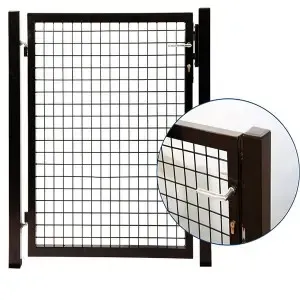
Simply put, a welded wire wood fence consists of a mesh made from steel wires welded together at intersections to form a grid, attached to wooden posts installed along the perimeter of a property or enclosure. The wood, usually pressure-treated or naturally rot-resistant like cedar, serves as a sturdy base holding the wire in place.
This method combines the flexibility and sustainability of wood with the strength and security of steel mesh. It answers both structural and environmental concerns — using renewable resources (wood) carefully and ensuring strength against intrusion or escape. Modern industries use these fences in agriculture, construction sites, security perimeters, and even as garden borders. From humanitarian aid sectors deploying fencing for refugee camps to rural farmers protecting livestock, the welded wire wood fence is a surprisingly versatile tool.
Mini Takeaway:
Essentially, a welded wire wood fence marries two time-tested materials into a fencing system that’s easier to customize, durable, and globally recognized.
Core Components That Make Welded Wire Wood Fences So Effective
1. Durability
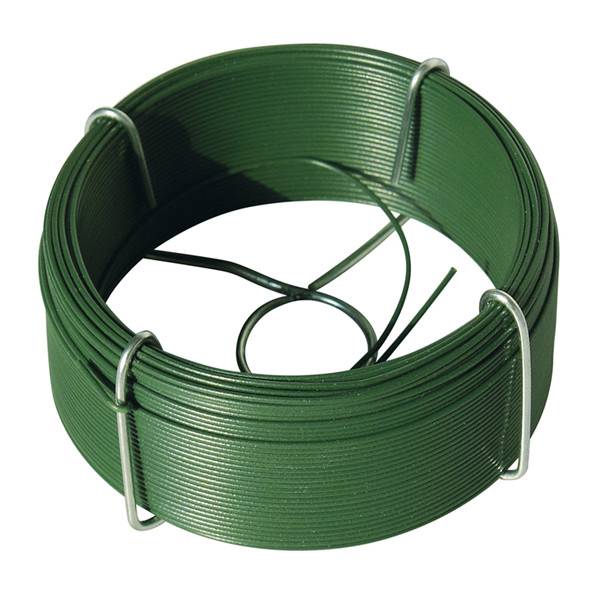
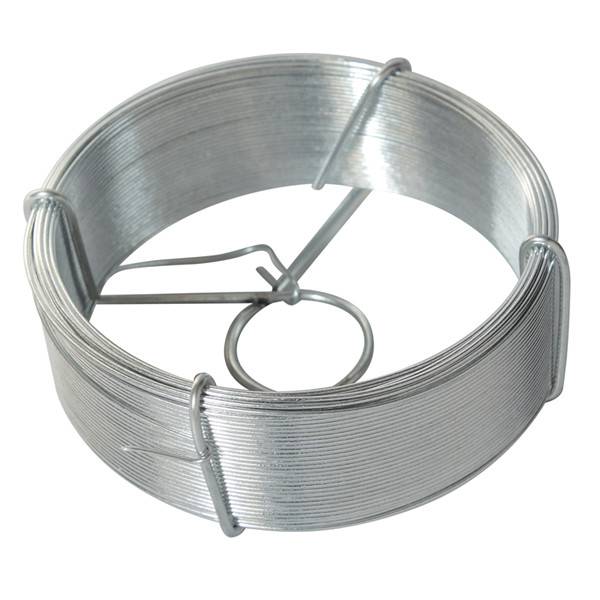
Welded wire mesh is made from galvanized steel or sometimes PVC-coated wire, which protects it from rust and corrosion. The wood posts—usually treated pine or cedar—offer structural resilience, resisting rot and insect damage. The combination ensures the fence lasts for several years with minimal upkeep.
2. Scalability and Customization
Because the wire comes in rolls or panels and the wood posts can be cut to various lengths, fences can be customized to a property’s exact needs — be it height, mesh size, or spacing for different animals or security levels.
3. Cost Efficiency
Compared to all-metal fencing, combining wood and wire keeps upfront and maintenance costs manageable. Wood is generally less expensive as a post material, and the mesh uses less steel than chain link fencing, lowering price without compromising safety.
4. Ease of Installation
Unlike fully welded or cast-metal fences, welded wire wood fencing can be installed with basic tools and simple techniques, making it ideal for remote or low-resource areas. Many NGOs use this feature when deploying fencing fast in disaster relief or agricultural development.
5. Environmental Impact
Properly sourced wood posts have a lower carbon footprint than metal poles, especially if forests are sustainably managed. Plus, the fence is reusable or recyclable, supporting circular economy goals.
Mini Takeaway:
- Durability combined with flexibility makes this fencing approach an adaptable solution worldwide.
- Lower costs and faster installation are practical wins for many industries and regions.
Where and How Welded Wire Wood Fences Are Changing the Game Globally
Look at pastoral areas in sub-Saharan Africa, and you’ll see how welded wire wood fences protect livestock from predators and help farmers manage grazing. In Australia and New Zealand, these fences often mark farmland borders or protect native species habitats. Across Europe and the Americas, they’re common on family farms, community gardens, and sometimes as industrial site boundaries.
In humanitarian contexts, organizations like the UNHCR have increasingly relied on welded wire wood fences for quick, durable perimeter security at refugee camps, preventing unauthorized entry and protecting vulnerable populations without heavy infrastructure costs.
Even in urban agriculture projects or community forestry programs, these fences play a surprising role — keeping plots safe, well-demarcated, and community-trusted. In India, where rural land use is complex, they help reduce disputes and deter trespassing.
Mini Takeaway:
A medium-tech, medium-cost fencing system like this serves diverse and critical human, agricultural, and industrial needs worldwide.
Advantages & the Long-Term Value Welded Wire Wood Fence Brings
- Cost-effective security: Compared to more elaborate fencing, it offers solid protection with lower capital investment.
- Environmental stewardship: Wood posts can be sustainably harvested; welded wire is recyclable.
- Social impact: Protecting land and livestock supports farmers’ livelihoods and food security.
- Emotional trust: Community members feel safer and recognize the boundary clearly — dignity matters.
Beyond numbers and specs, it simply feels reassuring to know your boundary stands firm without fancy bells and whistles. Many engineers will tell you that fence longevity and ease of repair count for more than initial hype.
Product Specifications Table
| Feature | Specification | Typical Use |
|---|---|---|
| Wire Material | Galvanized Steel, PVC-Coated available | Outdoor fencing needing rust protection |
| Mesh Size | Typically 2"x4" or 4"x4" | Livestock containment or security |
| Wood Posts | Pressure-treated Pine or Cedar | Structural stability and durability |
| Fence Height | 3 ft to 6 ft (customizable) | Depending on animal containment or security needs |
| Installation Method | Nails, staples, or wire ties attaching mesh to posts | Manual installation with basic tools |
Comparing Top Vendors: Finding Your Best Welded Wire Wood Fence Supplier
| Vendor | Material Quality | Customization Options | Price Range | Global Delivery |
|---|---|---|---|---|
| GreenLine Fencing | Premium galvanized steel, FSC certified wood | Wide variety of mesh sizes & post types | $$$ | Worldwide |
| FarmGuard Supplies | Standard galvanized wire, treated pine posts | Limited to standard sizes | $ | North America, Europe |
| EcoWire Solutions | Recycled steel wire, sustainably harvested cedar | Custom orders encouraged | $$ | Select countries in Europe and Asia |
Future Trends: What’s Next for Welded Wire Wood Fences?
The future feels pretty bright, honestly. Sustainability pushes will deepen the use of FSC-certified woods and recyclable steel to create more eco-friendly fencing solutions. New coatings will extend wire mesh lifespans further, helping reduce replacement cycles.
And while fences aren't flashy tech, expect sensors and smart fence add-ons to monitor breaches or environmental conditions remotely—particularly useful in high-security or conservation areas. Some companies are even exploring bio-based composites replacing traditional posts to cut down on carbon footprints.
Challenges: What Stands in the Way and How to Fix It?
Durability remains a concern in extremely wet or termite-prone environments, where wood post degradation can mandate earlier replacement. But new treatments and composite post options are addressing this. Also, installation skill gaps in rural or developing areas sometimes lead to poorly anchored fences, reducing effectiveness. Training programs and better DIY materials can help here.
Another thorny issue: sourcing certified sustainable wood — often expensive or logistically complex. As global demand surges, supply chain innovations and partnerships with forest management organizations are crucial to meet this responsibly.
FAQ: Your Practical Questions About Welded Wire Wood Fence
Q1: How long does a welded wire wood fence typically last?
A: With proper materials and installation, expect 10-20 years. Galvanized or PVC-coated wire helps prevent rust, and treated wood reduces decay. Regular inspections and maintenance extend lifespan.
Q2: Is a welded wire wood fence suitable for securing livestock?
A: Absolutely. The mesh size and fence height can be tailored for sheep, goats, or cattle, preventing escapes and predator entry costs effectively.
Q3: Can I install this fence myself without professional help?
A: Yes, many DIYers install welded wire wood fences using basic tools like hammers, wire cutters, and staple guns. Proper post spacing and anchoring are key to success.
Q4: Are these fences environmentally friendly?
A: When wood is sustainably sourced and the wire is recyclable, welded wire wood fences are one of the more eco-conscious fencing options.
Q5: Where can I buy quality welded wire wood fence materials?
A: Many manufacturers ship worldwide, including welded wire wood fence specialists providing customization and certified materials. Compare vendors to find what suits your region and project needs.
Wrapping Up: Why Welded Wire Wood Fence Still Matters Today
In the whirlwind of new tech and materials, it’s kind of refreshing that this humble fencing approach remains a global pillar of functional land management, security, and sustainability. The welded wire wood fence strikes a practical balance between durability, cost, and environmental responsibility. So whether you’re a farmer in Africa, a relief worker setting up a camp, or a suburban homeowner looking to protect your garden, it’s a solution worth knowing about.
For a deep dive into options, specifications, and suppliers, visit our hardware store page where you’ll find expert advice and quality materials ready to ship.
References
-
The Ultimate Guide to Hardware Cloth 1x1 Versatility and Strength
NewsApr.16,2026
-
Ultimate Guide to hardware cloth 1 4 mesh for Strength and Versatility
NewsApr.09,2026
-
Comprehensive Guide to Hardware Cloth 1/4 Inch Mesh for Versatile Applications
NewsApr.07,2026
-
Comprehensive Guide to Hardware Cloth 1 2 Inch Mesh 36 Applications and Benefits
NewsApr.04,2026
-
Comprehensive Guide to Gi Wire Mesh for Fencing and Its Applications
NewsMar.31,2026
-
Comprehensive Guide to GI Square Mesh Applications and Benefits
NewsMar.28,2026