
Nov . 28, 2025 22:40 Back to list
Welders Mesh: Strengthening Construction & Industry Worldwide | HardwareInStore
Welders Mesh: The Invisible Backbone of Modern Construction and Industry
Ever passed by a construction site or peeked inside industrial zones and wondered about those gridded metal sheets supporting so much weight and complexity? That’s welders mesh, quietly working behind the scenes. It’s a simple idea — steel wires welded together in a grid — yet its impact ripples across global infrastructure, manufacturing, and even humanitarian aid. Understanding welders mesh isn’t just for engineers or fabricators; it highlights how essential materials shape our everyday environment and respond to urgent global needs.
Why Welders Mesh Matters on a Global Scale
Here's a quick fact for you: the global steel wire mesh market was valued at nearly $5 billion in 2023 and is expected to grow steadily. That’s not just because construction booms in urban areas, but also because welders mesh helps solve critical problems. From reinforcing concrete structures that keep buildings safe during earthquakes, to creating barriers that modern industries rely on, this mesh is a quiet hero.
UN reports show infrastructure development is a top priority in emerging economies — and welders mesh is central there. It offers a scalable and cost-effective way to strengthen outposts, bridges, and housing projects worldwide. Frankly, without it, many of our urban landscapes wouldn’t hold up. And it’s not just commercial structures — when disaster strikes, such as earthquakes or floods, welders mesh is often part of temporary shelters or repair work.
What Exactly Is Welders Mesh?
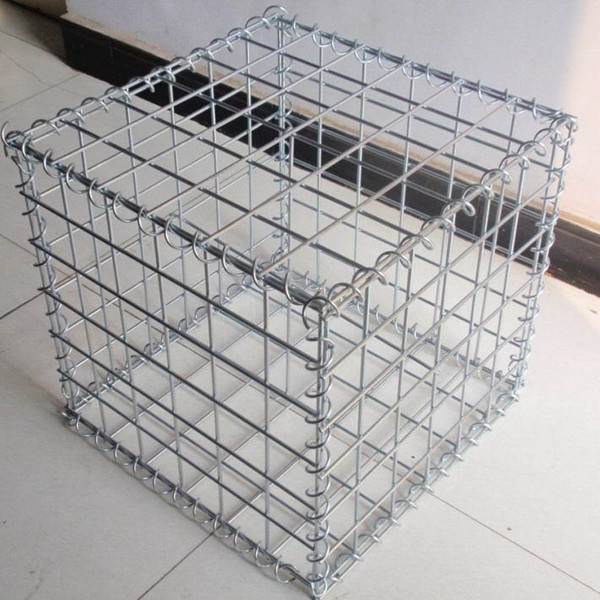
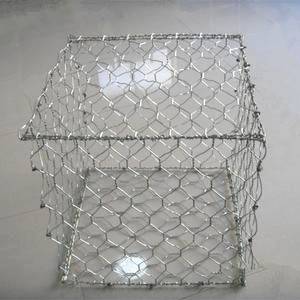
Simply put, welders mesh is a grid made by fusing intersecting steel wires at their junctions, typically using an electric welding process. Think of it like a metal net — often square or rectangular cells — that offers strength by spreading loads over a wider area. You can find it all around: inside concrete slabs, cages protecting machinery, and even as fencing in industrial zones.
This mesh is more than just a construction tool; it’s part of a broader industrial toolkit responding to modern challenges. When you consider urbanization and climate resilience — where stronger buildings must be both economical and quick to deploy — welders mesh fits perfectly.
Core Components of Welders Mesh
Durability
This mesh is typically made from carbon steel wires with galvanization or PVC coatings to resist rust and corrosion. That means it withstands harsh weather, chemicals, or time — essential for both outdoor and industrial uses.
Size & Weight Variability
Welders mesh comes in various sizes: wire diameters from 1.5 mm up to 8 mm, with grid openings ranging from 1 inch squares to larger rectangles. This flexibility allows engineers to select optimized meshes for everything from light fencing to heavy reinforcement.
Cost Efficiency
Compared to traditional methods of reinforcing structures, using welders mesh can reduce labor and material costs. Since it’s prefabricated and quick to install, projects can move faster, saving time and money — a big deal especially in large projects or emergency scenarios.
Safety & Reliability
Because the welding process secures every intersection, the mesh maintains consistent strength throughout. Many engineers say this uniformity minimizes weak points and unexpected failures — crucial in construction and protective enclosures.
Customization & Versatility
Manufacturers can tailor mesh sizes and coatings. Some clients may need heavier gauge wire with epoxy coatings for chemical plants, while others seek lighter mesh for garden fencing. This adaptability makes welders mesh suitable for countless settings.
Where in the World Is Welders Mesh Making a Difference?
Open your eyes, and welders mesh is everywhere — from bustling Asian megacities to rural African villages building resilient housing. Here are some standout examples:
- Post-Disaster Reconstruction: After earthquakes in Nepal or floods in Indonesia, organizations use welders mesh to rapidly reinforce shelters or rebuild critical infrastructure.
- Industrial Zones: In resource-rich regions like the Middle East or Australia, welders mesh secures heavy machinery, creates fencing, and supports pipelines.
- Urban Construction: Skyscrapers in New York and Shanghai alike rely on welders mesh embedded in concrete slabs, ensuring strength and longevity.
- Agricultural Use: Farms across Europe and the Americas use it for animal enclosures, protecting crops, and stabilizing barns.
In fact, non-profits often import quality welders mesh for humanitarian projects — it’s affordable, durable, and transportable. Oddly enough, despite its industrial look, it’s crucial in humanitarian contexts that prize speed and dignity.
Product Specification Table: Typical Welders Mesh Variants
| Specification | Value | Typical Use |
|---|---|---|
| Wire Diameter | 2.5 - 6 mm | Concrete reinforcement, fencing |
| Mesh Opening | 50 x 50 mm to 100 x 200 mm | Rebar mesh for slabs, cages |
| Material | Carbon steel, galvanized | Outdoor enduring projects |
| Coating | PVC / epoxy (optional) | Corrosion resistance in harsh environments |
Advantages of Welders Mesh: Why It’s a Long-Term Investment
- Cost Savings: Faster installation means labor budgets shrink. Less waste and durable materials translate into less rework over time.
- Sustainability: Many manufacturers now use recycled steel and low-impact coatings, contributing to greener building certifications.
- Safety & Confidence: Builders and engineers trust welders mesh to maintain structural integrity, reducing accidents and costly failures.
- Social Impact: In humanitarian sectors, it fosters dignity by enabling stable and safer housing swiftly.
- Innovation Catalyst: Multi-functional use in fencing, reinforcements, cages, or partitions creates new possibilities in design and function.
Looking Ahead: Future Trends in Welders Mesh
Don’t be surprised if you soon hear about smart mesh — welders mesh embedded with sensors to monitor strain and corrosion in real time. With the rise of Industry 4.0, digital transformation is weaving its way into even basic materials.
Materials science innovations promise lighter, stronger composites or more environmentally friendly coatings, like bio-based polymers replacing PVC. Automation in fabrication will likely speed production and allow ultra-custom designs on demand. Solar and green energy sectors are already requesting specially coated mesh that won’t degrade from constant UV or salt exposure.
Challenges and How the Industry Is Overcoming Them
Sure, welders mesh isn’t perfect. It can rust if coatings fail, and heavy gauges mean handling challenges on-site. Logistics can be cumbersome when large mesh sheets are involved, especially in remote areas.
However, many vendors now offer modular or rollable mesh, making transport simpler. Industry experts also recommend customized solutions balancing strength with easier installation. More durable coatings, routine maintenance programs, and integrating mesh with digital monitoring reduce pitfalls.
Vendor Comparison: Welders Mesh Suppliers Overview
| Vendor | Product Range | Customization | Delivery Time | Eco-Friendly Options |
|---|---|---|---|---|
| SteelMeshPro | Standard and heavy-duty meshes | High — bespoke sizes and coatings | 2-3 weeks | Yes, recycled steel |
| MeshWorks Global | Light to medium gauge | Medium — standard sizes | 1-2 weeks | Limited |
| BuildSafe Mesh | Heavy-duty with advanced coatings | Low — mainly pre-made | 3-4 weeks | Yes, eco coatings |
FAQ: Frequently Asked Questions About Welders Mesh
What is the ideal wire diameter for reinforcing residential concrete floors?
Generally, wire diameters between 3 mm and 6 mm are used for residential concrete reinforcement. Thicker wires provide more strength but may be harder to handle. For typical floors, 4 to 5 mm offers a good balance of durability and flexibility.
Can welders mesh be customized for corrosion resistance in marine environments?
Yes. Welders mesh can be coated with PVC, epoxy, or galvanized for corrosion resistance. For harsh marine settings, multiple layers including stainless steel wires or special polymer coatings are advisable to prevent rust induced failures.
How quickly can welders mesh be delivered for urgent construction projects?
Delivery times vary by supplier and order size, but many vendors provide standard sizes within 1–3 weeks. Some offer express fabrication and shipping for emergencies, so it’s worth asking directly when speed is critical.
Is welders mesh recyclable or environmentally friendly?
Steel welders mesh is 100% recyclable, and many manufacturers now incorporate recycled steel in their products. Eco-friendly coatings are becoming common, reducing environmental impact while maintaining durability.
How do I choose the right welders mesh for fencing versus concrete reinforcement?
For fencing, lighter gauge wires with larger grid openings can be sufficient, enabling flexibility and cost savings. In contrast, concrete reinforcement requires thicker wires with smaller, consistent grids to distribute load effectively.
Wrapping Up: Why Welders Mesh Remains Essential
At the end of the day, welders mesh is one of those unsung materials that quietly holds everything together — literally. From skyscrapers to animal enclosures, from emergency shelters to industrial fences, it’s the dependable workhorse we can’t overlook. The combination of durability, cost efficiency, customization, and expanding smart-tech potential means welders mesh will be front and center in both today’s projects and tomorrow’s innovations.
If you’re looking to explore, source, or just learn more about welders mesh, take a closer look at suppliers who balance quality and eco-consciousness. Your project’s long-term safety and success might just depend on it.
-
The Ultimate Guide to Hardware Cloth 1x1 Versatility and Strength
NewsApr.16,2026
-
Ultimate Guide to hardware cloth 1 4 mesh for Strength and Versatility
NewsApr.09,2026
-
Comprehensive Guide to Hardware Cloth 1/4 Inch Mesh for Versatile Applications
NewsApr.07,2026
-
Comprehensive Guide to Hardware Cloth 1 2 Inch Mesh 36 Applications and Benefits
NewsApr.04,2026
-
Comprehensive Guide to Gi Wire Mesh for Fencing and Its Applications
NewsMar.31,2026
-
Comprehensive Guide to GI Square Mesh Applications and Benefits
NewsMar.28,2026