
Nov . 29, 2025 00:15 Back to list
Durable and Cost-Effective GI Weldmesh for Global Industrial Use
What Is GI Weldmesh and Why It Matters Globally
If you’re in construction, agriculture, or industrial setting, chances are you’ve encountered gi weldmesh without even realizing it. In simple terms, GI weldmesh is galvanized iron weldmesh — a grid of steel wires welded together and coated with zinc to resist corrosion. It seems straightforward, yet it’s quietly pivotal across many industries worldwide.
Why does it matter so much? Well, the global infrastructure push, agricultural expansion, and industrial manufacturing continue to rely on materials that combine strength, cost efficiency, and longevity. GI weldmesh ticks those boxes, supporting everything from fencing and concrete reinforcement to protective cages. Plus, its adaptability to different climates and conditions means it’s used from humid tropical zones to arid deserts.
Understanding GI weldmesh isn’t just for engineers or builders — it’s key to grasping how sustainable infrastructure and industrial solutions are built to last.
gi weldmeshGI Weldmesh in the Global Context: Why Now?
The world is rapidly urbanizing. By 2050, the UN estimates that two-thirds of the global population will live in cities. That means more housing, roads, factories — and more demand for reliable building materials.
Meanwhile, industries from agriculture to manufacturing face challenges like extreme weather, supply chain disruptions, and tighter budgets. Here’s where GI weldmesh shines: it offers durability, ease of transport, and relatively low cost. ISO standards also ensure consistency in production, helping manufacturers meet international quality benchmarks.
But the challenge remains: how do you balance cost, quality, and sustainability without sacrificing safety or performance? Weldmesh answers that with a practical compromise — it's strong, flexible, and greener than many alternatives when coated properly.
Defining GI Weldmesh
At its core, gi weldmesh is a mesh panel constructed by welding galvanized steel wires perpendicularly. The ‘galvanized’ part means the metal is coated in zinc to reduce rust and corrosion — crucial when exposed outdoors or in moist environments.
Think of it as the skeletal frame in many structures, providing tensile strength and stability. It’s used in:
- Concrete reinforcement
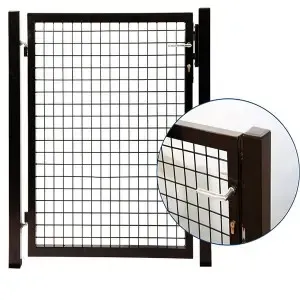
- Fencing and enclosures
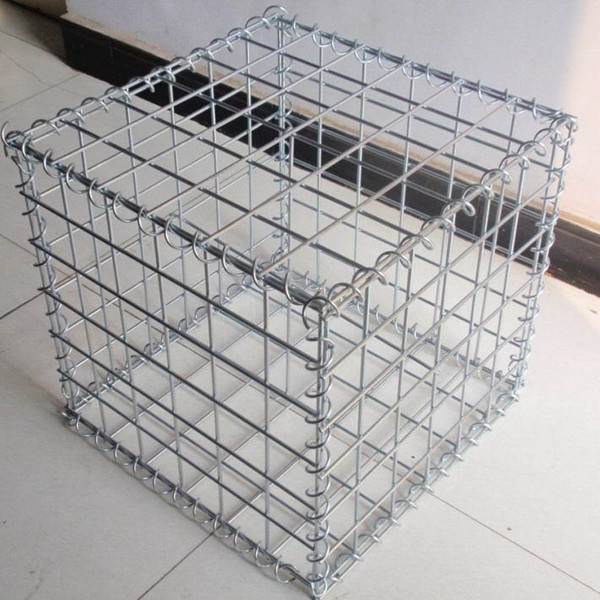
- Gabions for erosion control
- Animal cages and safety barriers
Its connection to modern industry is strong because as projects become more ambitious and spread to remote locales, materials like GI weldmesh offer a dependable, scalable solution. In humanitarian scenarios — such as disaster relief shelters or clean water projects — the fast, reliable deployment of materials like this can literally save lives.
Key Components & Characteristics of GI Weldmesh
Durability
The zinc coating on GI weldmesh helps it resist rust, even when exposed to rain or salt air. This means fewer replacements and lower maintenance costs — critical when keeping large projects running smoothly.
Strength & Flexibility
Weldmesh’s welded joints provide a sturdy structure, yet the mesh can bend slightly without breaking — a property that lets it absorb impact or adjust to uneven surfaces.
Cost Efficiency
Compared to stainless steel mesh, GI weldmesh is a more affordable option that still offers decent longevity. It’s widely available thanks to standardized manufacturing, reducing lead times and bulk costs.
Customization
Manufacturers often offer GI weldmesh in various wire diameters, mesh sizes, and panel lengths — meaning it can be tailored for everything from light fencing to heavy-duty reinforcement.
Light Weight
Relatively lightweight for its strength, GI weldmesh reduces shipping and installation effort. This is a subtle but impactful factor for big projects or remote sites.
Real-World Uses of GI Weldmesh
With applications spanning continents and sectors, here are a few notable use cases:
- Construction: Used extensively to reinforce concrete in roads, bridges, and buildings, GI weldmesh helps structures withstand tensile forces.
- Agriculture: Farmers use it to build fencing that keeps livestock safe and wards off predators — from North American ranches to Australian farms.
- Disaster Relief: In post-tsunami or earthquake zones, rapidly assembled shelters or protective barriers often include GI weldmesh components.
- Industrial Manufacturing: Enclosure cages for machines and secure fencing in factories worldwide often rely on GI weldmesh for safety.
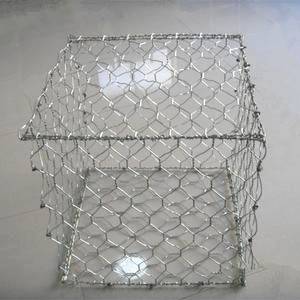
- Environmental Protection: Gabions, wire boxes filled with rocks to control erosion or river flow, commonly use this mesh.
In remote industrial zones — say, mining operations in Zambia or oilfields in Central Asia — the mesh’s strength and corrosion resistance afford dependable fencing and protective barriers where replacement is costly.
GI Weldmesh Product Specification Table
| Specification | Typical Range / Value |
|---|---|
| Wire Diameter | 2.0mm – 5.0mm |
| Mesh Size (Square Openings) | 25mm x 25mm to 100mm x 100mm |
| Panel Length | 2m – 6m |
| Panel Height | 0.9m – 2.4m |
| Galvanizing Thickness | 45 – 65 microns |
| Tensile Strength | 380 – 540 N/mm² |
How Different Vendors Stack Up
| Vendor | Quality Certification | Custom Sizes | Lead Time | Key Markets |
|---|---|---|---|---|
| SteelWorks Inc. | ISO 9001 / ISO 14001 | Yes | 2–3 weeks | Global (Asia, Europe) |
| GlobalMesh Ltd. | ISO 9001 | Limited | 3–4 weeks | North America, Africa |
| ZincPro Mesh | ISO 9001 / ISO 45001 | Yes | 1–2 weeks | Europe, Middle East |
Why GI Weldmesh Holds Its Ground Over Time
The appeal of GI weldmesh isn’t just technical — it has practical long-term value:
- Cost Savings: Durable and low-maintenance; less need to replace and repair fencing or reinforcement.
- Environmental Impact: Galvanized zinc coating extends life, reducing waste. Some suppliers now offer recycled wire options.
- Safety & Security: Ideal for enclosures that need to withstand tampering or wildlife intrusion — providing peace of mind.
- Social Benefits: Used in humanitarian projects worldwide, it supports shelter and safety, impacting dignity and wellbeing.
In real terms, many engineers will tell you that GI weldmesh represents a balance — not perfect but exactly right for many uses — where reliability meets affordability.
Emerging Trends Affecting GI Weldmesh
Looking ahead, innovation in materials science and manufacturing methods is shaping GI weldmesh’s future. Here’s what’s on the horizon:
- Eco-friendly Coatings: Alternatives to traditional galvanizing reduce zinc runoff and improve recyclability.
- Automation: Robotic welding increases precision and speed, lowering costs.
- Hybrid Materials: Combining galvanized steel with polymer overlays for enhanced corrosion resistance.
- Smart Mesh: Sensors embedded in welded wire for structural health monitoring — still experimental, but fascinating.
- Supply Chain Transparency: Digitally tracked materials to ensure ethical sourcing and environmental compliance.
Challenges & Solutions in Using GI Weldmesh
Let’s be honest: GI weldmesh isn’t flawless. Some concerns include:
- Corrosion Under Harsh Conditions: Even galvanized coating eventually wears in highly saline or acidic environments.
- Weight vs. Strength Trade-offs: Thicker wire adds strength but complicates handling and transport.
- Customization Limits: Some vendors have minimal options on mesh size or panel dimensions.
How do professionals handle this? Some combine mesh types — like using stainless steel in exposed coastal areas and GI weldmesh inland to optimize costs. Others coat weldmesh with additional layers like PVC for extra protection. And the push for better, greener galvanizing keeps evolving, so this will get easier.
FAQ: Common Questions About GI Weldmesh
- How long does galvanized weldmesh typically last outdoors?
- With proper galvanization, GI weldmesh can last 15–30 years outdoors, depending on environmental factors like humidity, salt exposure, and pollution.
- Can GI weldmesh be cut and shaped on-site?
- Yes, but it requires proper tools such as wire cutters or angle grinders. Cutting on-site offers flexibility but should be done carefully to avoid damaging the zinc coating and exposing bare steel.
- Is GI weldmesh recyclable?
- Absolutely. The steel core is 100% recyclable. The zinc coating does not impede recycling and helps extend the product’s usable life, reducing waste.
- What industries benefit most from GI weldmesh?
- Construction, agriculture, infrastructure development, disaster relief, and environmental management all heavily rely on GI weldmesh for fencing and reinforcement purposes.
- How can I ensure I get high-quality GI weldmesh?
- Look for ISO certification, consistent galvanizing thickness, and supplier reviews. Ordering samples or visiting the manufacturing site can help verify product quality.
Wrapping It Up: The Long-Term Promise of GI Weldmesh
To sum it up, GI weldmesh is a versatile, affordable, and resilient product embedded deep in the fabric of global infrastructure and industry. From bustling urban centers to remote rural farms, it supports safety, durability, and economic viability.
Curious to learn more or ready to source quality weldmesh? Feel free to visit our site — we’ve curated some of the best options suited to your needs.
Sometimes the simplest solutions underpin the biggest projects, and GI weldmesh is proving that once again.
-
The Ultimate Guide to Hardware Cloth 1x1 Versatility and Strength
NewsApr.16,2026
-
Ultimate Guide to hardware cloth 1 4 mesh for Strength and Versatility
NewsApr.09,2026
-
Comprehensive Guide to Hardware Cloth 1/4 Inch Mesh for Versatile Applications
NewsApr.07,2026
-
Comprehensive Guide to Hardware Cloth 1 2 Inch Mesh 36 Applications and Benefits
NewsApr.04,2026
-
Comprehensive Guide to Gi Wire Mesh for Fencing and Its Applications
NewsMar.31,2026
-
Comprehensive Guide to GI Square Mesh Applications and Benefits
NewsMar.28,2026