
Nov . 28, 2025 16:30 Back to list
Welded Wire Mesh Gauge Explained – Choosing the Right Thickness for Strength & Cost
Understanding Welded Wire Mesh Gauge: Why It Matters Globally
Welded wire mesh might sound niche, but the gauge at which it's measured has ripple effects around the world—from construction sites in booming cities to humanitarian efforts in disaster zones. At its core, a welded wire mesh gauge tells you the thickness of the wire used. This metric guides engineers, architects, and even aid organizations when choosing the right mesh for fencing, security, concrete reinforcement, or temporary shelters. Understanding this gauge not only helps optimize strength and durability but also balances cost and safety across various applications worldwide.
In fact, the World Bank estimates that infrastructure spending will surpass $9 trillion globally by 2030, and materials like welded wire mesh play a quiet but essential role in that growth. Yet, a common challenge surfaces: selecting the right gauge to ensure structural integrity without excessive cost or weight. Picking incorrectly can cause delays, safety hazards, or budget overruns.
What Exactly Is Welded Wire Mesh Gauge?
Simply put, welded wire mesh gauge refers to the thickness of each individual wire strand within the mesh. The gauge number inversely correlates with thickness — a lower gauge means thicker wire. For example, a 6-gauge wire is thicker than a 12-gauge wire. This measurement is usually in American Wire Gauge (AWG) standards, prevalent internationally for industrial purposes.
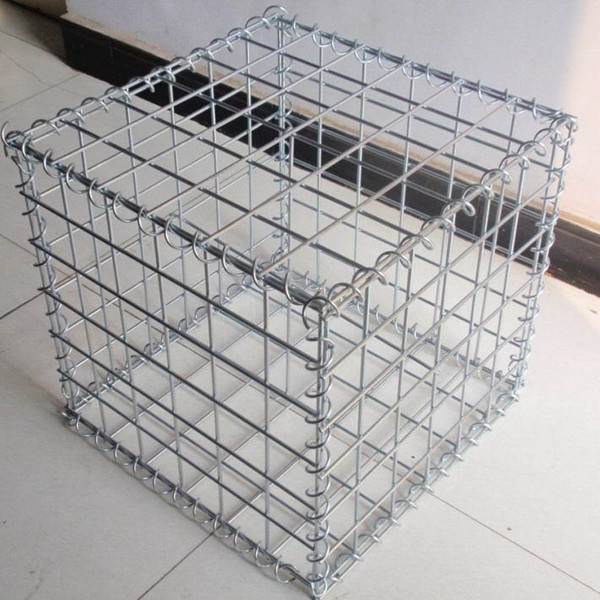
Welded wire mesh itself is made by welding wires at intersecting points, creating a stable grid. That stability, coupled with the wire gauge, tailors its utility — from supporting concrete slabs to forming durable cages in agriculture or wildlife management. Oddly enough, this simple thickness can have outsize effects: too thin, and it’s fragile; too thick, and it becomes cumbersome and costly.
Mini takeaway: Knowing wire gauge means knowing your mesh's muscle — a balance of strength and utility that makes or breaks projects.
Key Factors to Consider When Choosing Welded Wire Mesh Gauge
Durability and Strength
The thicker the wire gauge, the greater the tensile strength and durability. This makes a difference in high-stress environments such as industrial fencing or reinforced concrete. Durability also resists weather and corrosion when combined with galvanized coatings.
Weight and Handling
Higher gauge (thinner) wire weighs less, which can mean easier installation or transportation, especially in remote areas. However, there’s always the trade-off of reduced strength.
Cost Efficiency
Because thicker wires require more metal, the price per square foot increases. Strategic gauge selection enables project managers to maximize performance within budget.
Scalability and Versatility
Various gauges paired with different mesh sizes offer flexibility for diverse applications — whether it’s a delicate animal enclosure or a rugged construction rebar cage.
Corrosion Resistance
While wire gauge doesn’t affect corrosion directly, thicker gauges paired with galvanizing or PVC coatings significantly extend service life outdoors.
| Gauge (AWG) | Wire Diameter (inches) | Tensile Strength (psi) | Typical Application |
|---|---|---|---|
| 6 | 0.162 | 120,000 | Heavy-duty fencing, concrete reinforcement |
| 9 | 0.148 | 90,000 | Animal cages, security screens |
| 12 | 0.104 | 65,000 | Garden meshes, light fencing |
Mini takeaway: Choosing the correct gauge is like tuning an instrument — it sets the tone for the mesh’s performance in the field.
How Welded Wire Mesh Gauge is Used Worldwide
From sprawling urban development to remote humanitarian missions, the welded wire mesh gauge informs how durable and effective projects are. In construction hubs in Southeast Asia, engineers rely on heavier gauges for earthquake-resistant buildings. Meanwhile, NGOs working in post-disaster relief in Haiti or Nepal use lighter gauges for quick-deploy fencing or animal cages, balancing transportability with safety.
Industrial zones in Europe often use mid-range gauges to balance cost and longevity in storage facilities or manufacturing plants. In Africa, mesh with moderate gauge and anti-corrosion coating serves well for livestock management, protecting both animals and community livelihoods.
Interestingly, according to ISO 8501, proper mesh gauge is part of metal preparation standards, showcasing worldwide appreciation for precise, consistent material quality.
The Benefits: Long-Term Value Beyond the Wire
- Cost-Effectiveness: Smart gauge selection reduces waste and rework, saving money.
- Durability & Safety: Structural soundness means fewer failures and accidents.
- Sustainability: Longer-lasting mesh reduces material consumption and landfill waste.
- Social Impact: Safer environments uplift communities, fostering trust and stability.
It’s easy to overlook how much a simple metric shapes far-reaching consequences—yet every engineer I’ve chatted with agrees that getting the gauge right is like laying the groundwork for trust in their projects.
Looking Forward: Trends in Welded Wire Mesh Gauge Technology
As the world pivots toward environmental sustainability, welded wire mesh manufacturers are exploring low-carbon steel production and more biodegradable coatings. Digital innovations in laser welding and automated quality control promise precise, consistent gauge specifications with minimal waste.
Also, smart mesh embedded with sensors for structural health monitoring is no longer science fiction. It aligns perfectly with trends in Industry 4.0—predictive maintenance and data-driven construction are becoming standard.
Common Challenges and How Industry Is Responding
Some sticking points include:
- Corrosion in Harsh Environments: Thicker wires can prolong life, but cost remains a factor.
- Supply Chain Delays: Global demand surges sometimes disrupt access to optimal gauge sizes.
- Balancing Weight vs. Strength: Over-engineering wastes money and energy; under-engineering risks safety.
Innovations like advanced galvanizing or hybrid composite meshes address these, offering stronger but lighter alternatives. Several vendors now provide faster lead times and more bespoke gauge options, responding flexibly to project needs.
| Vendor | Gauge Range | Lead Time | Custom Options | Environmental Certifications |
|---|---|---|---|---|
| MeshPro Solutions | 6 - 14 AWG | 2 weeks | Yes | ISO 14001 |
| Global Wire Mesh Inc. | 8 - 16 AWG | 3-4 weeks | Limited | None |
| EcoMesh Suppliers | 7 - 12 AWG | 1-2 weeks | Yes | LEED Compliant |
FAQs: Frequently Asked Questions About Welded Wire Mesh Gauge
- How do I choose the right welded wire mesh gauge for fencing?
- Assess your security and durability needs. Higher gauge (thicker wire) offers more strength for high-security fencing, while lighter gauges work for garden or animal fencing. Consider local weather and corrosive elements too.
- Can welded wire mesh gauge impact the longevity of concrete reinforcement?
- Absolutely. Thicker gauges provide better support for concrete, reducing cracking and structural failure over time. Engineers typically select gauges based on load and stress calculations.
- Is galvanized wire mesh better for outdoor applications?
- Yes, galvanizing adds a protective zinc coating, greatly reducing rust and corrosion, especially important if your mesh gauge is thinner, as these are more vulnerable.
- How do I import welded wire mesh internationally for a disaster relief project?
- Coordinate with vendors experienced in global shipping and ensure compliance with international trade laws and standards. It helps to specify gauge requirements clearly to avoid delays.
- Can I get customized welded wire mesh gauges for a specialized project?
- Many manufacturers offer bespoke options. You can request specific gauges, mesh sizes, and coatings, but expect longer lead times and possibly higher costs.
Wrapping Up: Why Paying Attention to Welded Wire Mesh Gauge Matters
In the end, the humble welded wire mesh gauge is far from just a number. It’s a vital tool in our global toolbox for building safer, smarter, and more sustainable infrastructure. From bustling cities to emergency camps, understanding gauge means knowing exactly how your projects will hold up physically and economically, day in and day out.
If you're ready to explore a broad range of welded wire mesh gauges tailored to your needs, comfortably balancing performance and price, visit our website for trusted products and expert advice.
References
-
The Ultimate Guide to Hardware Cloth 1x1 Versatility and Strength
NewsApr.16,2026
-
Ultimate Guide to hardware cloth 1 4 mesh for Strength and Versatility
NewsApr.09,2026
-
Comprehensive Guide to Hardware Cloth 1/4 Inch Mesh for Versatile Applications
NewsApr.07,2026
-
Comprehensive Guide to Hardware Cloth 1 2 Inch Mesh 36 Applications and Benefits
NewsApr.04,2026
-
Comprehensive Guide to Gi Wire Mesh for Fencing and Its Applications
NewsMar.31,2026
-
Comprehensive Guide to GI Square Mesh Applications and Benefits
NewsMar.28,2026