
Nov . 28, 2025 15:00 Back to list
Welded Wire Mesh for Rabbit Cages – Durable, Safe & Sustainable Solutions
Understanding Welded Wire Mesh for Rabbit Cages: A Global Perspective
If you’re raising rabbits, whether as a hobbyist or within a commercial setup, the type of enclosure you use matters tremendously. Welded wire mesh for rabbit cages isn’t just a technical term; it's a worldwide solution supporting animal welfare, farming efficiency, and even eco-friendly trends. Globally, farmers and pet owners alike prioritize durability, safety, and ventilation in rabbit housing. Getting to grips with this material has benefits that ripple beyond simple containment — it affects animal health, maintenance costs, and even sustainability efforts.
Introduction: Why Does Welded Wire Mesh Matter Worldwide?
Now, why should you care about welded wire mesh, especially for something like rabbit cages? According to FAO and various agricultural reports, small livestock farming, including rabbits, is expanding in many countries due to protein demand and sustainable farming initiatives. The challenge is, many regions face issues with poor-quality cage materials that don’t last or protect animals well, impacting yield and welfare. Welded wire mesh pops up as a global answer — a material that is both affordable and reliably strong. Plus, since it’s standardized by ISO (ISO 9044 for wire products), manufacturers and farmers can be assured of certain quality levels, no matter where they are.
Not to mention, the global push toward humane animal treatment means cages must provide fresh air, limit injuries, and be easy to clean. Welded wire mesh delivers on these points, which is why it forms the heart of many modern rabbit enclosures.
What Exactly Is Welded Wire Mesh for Rabbit Cages?
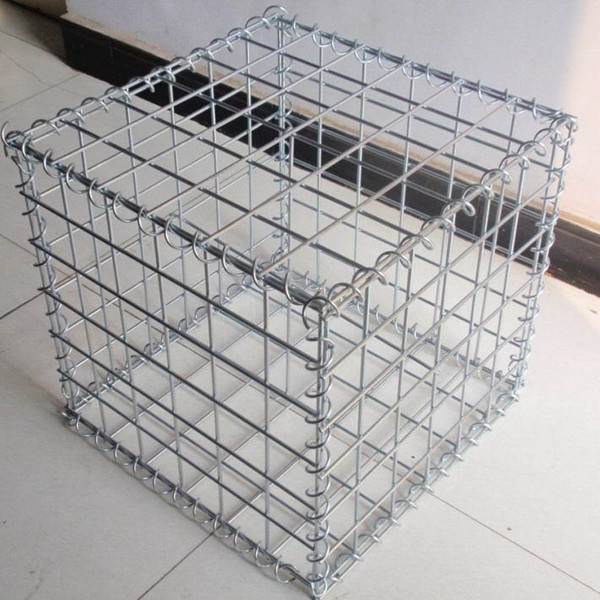
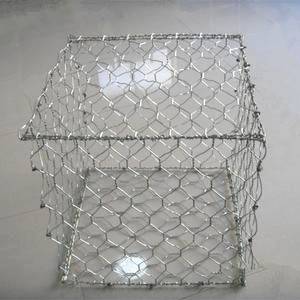
Simply put, welded wire mesh (WWM) is a grid of metal wires welded together at each intersection to create a mesh panel. When tailored for rabbit cages, these panels are often made of galvanized steel or stainless steel to avoid rusting and sharp edges that can injure small animals. The mesh’s uniform spacing provides ventilation and visibility while preventing rabbits from escaping or predators from entering.
The connection to the wider industry? This mesh style is widely used in construction, agriculture, and even humanitarian housing — thanks to its versatility and ease of assembly. Its relevance to animal welfare is also growing, meeting ISO standards for safety and sustainability.
Core Components of Quality Welded Wire Mesh for Rabbit Cages
1. Durability
Durability isn’t just a marketing buzzword here. Rabbits are active, and their cages face constant wear—from chewing to weather exposure. Welded wire mesh gauges (thickness) typically range between 1.5 mm to 2.5 mm, balancing strength and flexibility. Galvanization or PVC coating further extends lifespan by fighting corrosion.
2. Mesh Size and Uniformity
Mesh spacing usually varies from 1/2 inch to 1 inch, depending on the rabbit’s size. Too wide? Your rabbits could squeeze out or get hurt. Too tight? It limits airflow and cleanliness. Uniformity in mesh matters, too; poor alignment can create sharp edges or uneven surfaces.
3. Cost Efficiency
One of the beauties of welded wire mesh for rabbit cages is its relatively low cost compared to solid panels or custom woodwork. For farmers in developing regions, affordability means access to safer animal-rearing setups, which can mean better income. Quality mesh demands less frequent replacement or repair.
4. Scalability
Whether a single backyard setup or an enterprise-scale rabbitry, this mesh system scales well. Modular panels are easy to connect, cut, or shape. This modularity helps with future upgrades or repairs without pricey overhauls.
5. Animal Safety
Edges must be smooth, weld points strong, and coating non-toxic. These factors profoundly affect animal wellbeing, avoiding common injuries like foot entrapment or scratches.
Where Is Welded Wire Mesh for Rabbit Cages Used Around the World?
The beauty of these mesh systems lies in their adaptability. From Europe’s precision farms to backyard breeders in Southeast Asia, welded wire mesh serves multiple purposes.
- Agricultural hubs: In countries like China and the Netherlands, commercial rabbit farms use heavy-duty galvanized mesh for hygiene and productivity.
- Urban and hobbyist fans: Many backyard rabbit owners in the US and UK choose lightweight mesh for easy cage cleaning and portability.
- Disaster relief and sustainable farming projects: NGOs utilize modular welded wire mesh cages to facilitate rapid animal husbandry solutions in vulnerable communities.
Even industrial zones turn to these meshes to protect young livestock near noisy or hazardous areas, ensuring animal welfare while maintaining operational safety.
Advantages and Long-Term Value of Welded Wire Mesh Cages
When thinking long-term, welded wire mesh cages shine because they marry the logical with the emotional. Practically, they cut down on maintenance and allow natural ventilation — key to avoiding respiratory problems in rabbits. Emotionally, they signal trust and care to both animal and farmer. You want pets and livestock to thrive, not just survive.
They also contribute to sustainability. Steel mesh is recyclable and, when properly galvanized, lasts decades — less waste, less replacement. And the modular design means you can adapt cages as needs evolve.
Looking Ahead: Trends and Innovations
New coatings, including eco-friendly powder coatings, are reducing chemical runoff. Some manufacturers experiment with stainless steel composites that combine ultra-light weight with excellent strength, cutting transport emissions.
Automation in production is boosting mesh precision and lowering costs, making quality available to even remote farming areas.
Digitally, QR coding on panels allows tracing mesh batches for quality control — a necessity for export markets increasingly demanding certification (think ISO, ASTM).
Common Challenges and How Experts Overcome Them
One persistent issue? Rust and corrosion, especially in humid regions. The solution: improved galvanization practices and local PVC coating services. Another, surprisingly, is mesh theft in some rural markets — here, innovation with welded-in metal tags and tamper-proof fasteners helps.
Then there’s the question of animal comfort. Some farmers add soft underlayers or customized mesh sizes for kits (baby rabbits) to prevent foot injuries, which shows how a “simple” product requires thoughtful adaptation based on context.
FAQ: Frequently Asked Questions About Welded Wire Mesh for Rabbit Cages
- What is the best mesh size for rabbit cages?
- Generally, mesh openings of about 1/2 inch to 1 inch are ideal depending on rabbit size. Smaller kits may require tighter mesh to prevent escape or injury, while larger rabbits tolerate slightly larger spacing.
- Can welded wire mesh rust over time?
- Yes, especially if not galvanized or coated. However, quality galvanized steel or PVC-coated mesh can last over 10 years, even in humid climates.
- Are welded wire mesh cages easy to clean?
- Absolutely. The open grid provides excellent ventilation and prevents waste buildup, which simplifies cleaning and reduces odor when properly maintained.
- How do I ensure my welded wire mesh cage is safe for rabbits?
- Look for smooth welds, rounded edges, and non-toxic coatings. Avoid cheap, poorly finished mesh that can cause injuries or release harmful chemicals.
- Can I customize welded wire mesh panels for different cage sizes?
- Yes, one of the advantages is modularity — panels can be cut, bent, or joined to suit various cage dimensions and shapes.
Product Specification Table: Example Welded Wire Mesh for Rabbit Cages
| Specification | Details |
|---|---|
| Material | Galvanized Steel / PVC-coated Steel |
| Wire Thickness | 1.5 mm to 2.5 mm |
| Mesh Opening Size | 0.5" to 1" (12.7 mm to 25.4 mm) |
| Panel Size | Typically 4 ft x 8 ft, customizable |
| Coating | Hot-dip galvanizing or powder coating |
| Expected Lifespan | 5-15 years (depending on conditions) |
Vendor Comparison Table
| Vendor | Material Quality | Customization | Price Range | Sustainability Certifications |
|---|---|---|---|---|
| SteelMesh Pro | High-grade galvanized steel | Full panel customization | $$$ | ISO 9001 / ISO 14001 |
| EcoMesh Ltd. | PVC-coated recycled steel | Standard sizes only | $$ | ISO 14001 Certified |
| FarmGuard Solutions | Hot-dip galvanized steel | Moderate customization | $$ | None |
To Wrap It Up: The Long-Term Value of Choosing Welded Wire Mesh for Rabbit Cages
So, having cruised the ins and outs of welded wire mesh for rabbit cages, it’s clear why this material remains a frontline choice globally. It’s durable yet affordable, safe yet versatile. Whether you’re aiming for a sturdy backyard setup or managing thousands of rabbits on a commercial farm, this kind of mesh delivers reliability with a touch of sustainable care.
Curious to explore high-quality mesh options or want advice tailored to your farm or pet setup? Visit our website: welded wire mesh for rabbit cages, and discover products that match your needs.
References
-
The Ultimate Guide to Hardware Cloth 1x1 Versatility and Strength
NewsApr.16,2026
-
Ultimate Guide to hardware cloth 1 4 mesh for Strength and Versatility
NewsApr.09,2026
-
Comprehensive Guide to Hardware Cloth 1/4 Inch Mesh for Versatile Applications
NewsApr.07,2026
-
Comprehensive Guide to Hardware Cloth 1 2 Inch Mesh 36 Applications and Benefits
NewsApr.04,2026
-
Comprehensive Guide to Gi Wire Mesh for Fencing and Its Applications
NewsMar.31,2026
-
Comprehensive Guide to GI Square Mesh Applications and Benefits
NewsMar.28,2026