
Nov . 27, 2025 21:30 Back to list
Welded Screen Mesh: Durable, Versatile & Essential for Global Industry
What Is Welded Screen Mesh and Why It Matters Globally
Welded screen mesh might sound like an industrial buzzword, but it’s actually quite a fascinating and widely used product with global significance. At its core, it's a network of intersecting steel wires fused together, forming a rigid grid that’s essential in countless sectors — from construction and agriculture to security and infrastructure. Why does this matter globally? In simple terms, welded screen mesh is a reliable, economic, and scalable material solution that addresses safety, durability, and environmental demands worldwide. It’s one of those quietly indispensable products that make modern life safer and infrastructure stronger, even in places where resources are scarce or conditions extreme.
Understanding welded screen mesh’s benefits helps engineers, architects, and humanitarian teams design better buildings, improve mesh fencing, and develop protective barriers that resist wear, weather, and time. Plus, it supports evolving trends toward sustainability and scalable industrial solutions — which brings us to the next part.
Global Context: Why Welded Screen Mesh Matters
In 2023, the global steel wire mesh market was valued at roughly $5 billion and is projected to grow steadily, according to Statista. This growth is directly tied to expanding urban development, infrastructure projects, and security demands worldwide. For example, the construction sector accounts for a huge chunk of mesh use — especially in rapidly urbanizing regions like Southeast Asia, Africa, and parts of South America.
But it’s not only commercial infrastructure that drives demand. According to the United Nations, natural disasters and humanitarian crises create an urgent need for durable materials that can double as temporary fencing, protective enclosures, and even shelter reinforcements. Welded screen mesh addresses many of these global challenges by providing:
- Robust protection against environmental risks
- Cost-effective solutions that stretch limited resources
- Ease of transportation and deployment, even in remote areas
In real terms, when disaster strikes, having quick access to strong, adaptable mesh products can mean the difference between chaos and controlled recovery.
Welded Screen Mesh: A Simple Definition
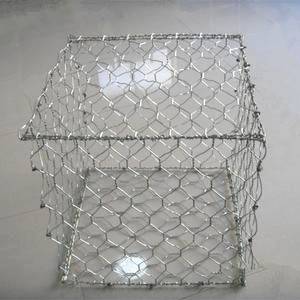
Put simply, welded screen mesh is made by electrically fusing two sets of parallel steel wires, creating a grid with fixed openings. Unlike woven wire mesh, where wires interlace, welded meshes provide greater dimensional stability and strength because the wire intersections are permanently joined rather than just woven or twisted.
This simplicity in design belies its versatility. Welded screen mesh supports everything from reinforcing concrete slabs — think roads and skyscrapers — to securing industrial plants and farms. It even plays roles in ecological projects like erosion control, showcasing its connection to both modern industry demands and environmental stewardship.
Key Features of Welded Screen Mesh
Durability and Strength
The welded joints ensure a load-bearing mesh that resists deformation, stretching, or sagging. Engineers appreciate this especially in structures exposed to variable forces like wind and seismic activity.
Corrosion Resistance
Most welded screen meshes are galvanized or stainless steel coated, which protects them from rust and extends service life dramatically, often exceeding 10 years even in harsh conditions.
Customization and Scalability
Wire diameter, mesh size, and panel dimensions can all be customized to suit specific project needs — whether it’s a micro-mesh screen for fine filtering or a large security fence panel.
Cost Efficiency
Compared to other metal reinforcement materials, welded screen mesh minimizes waste and reduces labor time during installation — translated to lower costs for companies and projects.
Lightweight and Ease of Handling
Despite its strength, mesh panels are relatively lightweight, making transportation and on-site use easier, which is critical for remote locations or rapid deployment.
Safety and Compliance
Standards like ISO 9044 guide manufacturing, ensuring that products meet rigorous safety and quality benchmarks worldwide.
Mini takeaways: Welded screen mesh is a blend of strength, durability, and economic value, with adaptability to different environments and industries.
Welded Screen Mesh in Real-World Applications
You might not realize it, but welded screen mesh is everywhere. Let’s look at some practical scenarios:
- Construction & Infrastructure: Reinforcing concrete slabs, walls, and roads. Used globally, from urban skyscrapers in New York to rural bridges in Kenya.
- Agriculture & Farming: Durable fencing for livestock control, crop protection, and greenhouse support structures.
- Security & Safety: Perimeter fencing for industrial facilities, prisons, and airports — for reliable, tamper-proof boundaries.
- Disaster Relief: Temporary fencing and enclosure setup in refugee camps, post-earthquake rebuilding sites, and emergency medical areas.
- Environmental Projects: Erosion control barriers or sediment fencing in wetlands and conservation areas.
For instance, NGOs working in the Philippines have relied on quick-deploy welded mesh panels following typhoons, using them to secure shelters and resources fast. That kind of versatility illustrates why it’s so indispensable.
Advantages and Long-Term Value of Welded Screen Mesh
Why do so many industries swear by welded screen mesh? It’s a rare combination of cost-effectiveness, reliability, and sustainability. Here’s the big picture:
- Cost Savings: Lower maintenance, quick installation, and longer lifespan all add up to real financial advantages.
- Sustainability: Many manufacturers now use recycled steel and eco-friendly galvanizing processes, reducing the carbon footprint.
- Social Impact: Provides safe boundaries that protect communities and assets — an emotional benefit that’s often overlooked but vital.
- Innovation: As materials science advances, mesh products are becoming lighter, stronger, and able to integrate sensors for smart infrastructure.
In short, it’s a trust-building material — stakeholders know the mesh will perform under pressure, literally and figuratively.
Looking Ahead: Future Trends in Welded Screen Mesh
The future looks pretty promising. We’re seeing materials evolve with coatings improving resistance to chemicals and UV radiation. Also, automation during manufacturing helps reduce costs and achieve consistently tight tolerances.
Greener production methods and digital transformation, such as embedding smart sensors into mesh panels for real-time stress monitoring, are on the horizon. Imagine infrastructure that can signal if fencing is compromised or if stress levels approach failure thresholds — safety and efficiency gains there are huge.
Challenges & Solutions in Current Usage
No product is perfect, right? Welded screen mesh faces challenges like susceptibility to corrosion if coatings are damaged, or issues with brittleness in colder climates. However, advances like polymer coatings and hybrid composites help overcome these limits.
Another hurdle is standardization across countries — a panel manufactured to one country’s specs may not meet another’s code. That’s why robust ISO and ASTM standards are crucial, along with flexible manufacturers who accommodate international demands.
Welded Screen Mesh Product Specification Table
| Feature | Typical Range | Description |
|---|---|---|
| Wire Diameter | 1.5 mm – 5 mm | Thickness of steel wire used in mesh. |
| Mesh Opening | 10 mm – 100 mm | Distance between parallel wires; defines mesh size. |
| Panel Size | 1 m x 2 m up to 2 m x 6 m | Standard panel dimensions for easy handling and installation. |
| Material | Galvanized Steel, Stainless Steel | Commonly used metals for corrosion resistance. |
| Coatings | Hot-Dip Galvanized, PVC Coated | Protective layers to prolong durability. |
Vendor Comparison: Welded Screen Mesh Suppliers
| Feature | Vendor A | Vendor B | Vendor C |
|---|---|---|---|
| Product Range | Standard & Custom Sizes | Limited to Predefined Dimensions | Extensive Specialty Mesh Options |
| Material Quality | High-grade Galvanized Steel | Stainless Steel Only | Mixed Quality Options |
| Pricing | Competitive | Premium | Budget-Oriented |
| Delivery Speed | 1-2 Weeks | 3-4 Weeks | 1-3 Weeks (Varies) |
| Certifications | ISO 9001, ASTM | ISO 14001 | None |
Frequently Asked Questions About Welded Screen Mesh
- Q: How does welded screen mesh compare to woven mesh for fencing?
- A: Welded screen mesh offers stronger, more rigid panels because wires are spot-welded at intersections, making it more resistant to deformation and safer for high-security applications. Woven mesh is more flexible but may sag over time.
- Q: Can welded screen mesh be used in coastal environments?
- A: Yes, but it should be galvanized or coated with PVC to prevent corrosion from salty air. Stainless steel mesh is also an excellent alternative for greater longevity.
- Q: What are typical lead times for ordering custom welded mesh panels?
- A: Depending on size and complexity, production usually takes 1-3 weeks. Express services might be available with some suppliers.
- Q: Are there eco-friendly options for welded screen mesh?
- A: Absolutely. Many manufacturers use recycled steel and environmentally safer galvanizing methods, plus long-lasting coatings reduce the frequency of replacements, lowering environmental impact.
In Conclusion: Why Welded Screen Mesh Deserves Your Attention
Welded screen mesh may not be the flashiest material, but its role in global infrastructure, security, and environmental sectors is invaluable. Durable, versatile, and increasingly sustainable, it’s a product that quietly shapes safer, more resilient communities everywhere. If you’re considering options for fencing, reinforcement, or protective barriers, welded screen mesh offers a proven solution that balances cost, quality, and longevity — a real no-brainer in most cases.
Curious to find out more or explore specific products? Visit our website at https://www.hardwareinstore.com for expert advice, comprehensive product catalogs, and personalized support.
References
-
The Ultimate Guide to Hardware Cloth 1x1 Versatility and Strength
NewsApr.16,2026
-
Ultimate Guide to hardware cloth 1 4 mesh for Strength and Versatility
NewsApr.09,2026
-
Comprehensive Guide to Hardware Cloth 1/4 Inch Mesh for Versatile Applications
NewsApr.07,2026
-
Comprehensive Guide to Hardware Cloth 1 2 Inch Mesh 36 Applications and Benefits
NewsApr.04,2026
-
Comprehensive Guide to Gi Wire Mesh for Fencing and Its Applications
NewsMar.31,2026
-
Comprehensive Guide to GI Square Mesh Applications and Benefits
NewsMar.28,2026