
Nov . 28, 2025 10:25 Back to list
Durable Welded Wire Chicken Coops for Secure and Sustainable Poultry Care
Understanding Welded Wire Chicken Coops: Why They Matter Worldwide
When we talk about poultry farming or backyard chicken keeping, one might think that all chicken coops are basically the same—just simple enclosures for our feathered friends. But welded wire chicken coops are a game changer in this field, both industrially and domestically, blending durability, safety, and innovation in a way that literally protects livelihoods. Worldwide, with rising emphasis on sustainable farming and small-scale poultry as a food security strategy, understanding what welded wire coops offer is far from trivial. They’re vital in numerous regions to curb disease, increase yields, and improve animal welfare.
At a glance, these structures might seem straightforward, but they tackle challenges like predator attacks, ventilation, and easy maintenance—problems that can otherwise spell disaster for both rural and urban chicken keepers. So, let’s dive into what these coops are all about and why they should be on every farmer’s radar.
A Global Look at Welded Wire Chicken Coops
Globally, poultry farming supports over 1.2 billion people, according to data from the FAO and UN Food Systems Summit reports. As demand for protein grows — especially in developing nations — chicken coops become these unseen pillars of food security. It’s estimated that simple protective structures reduce mortality rates significantly, helping families meet their nutritional needs and income goals.
Yet, traditional wooden or loosely constructed pens often fail under the pressure of predators, weather, and hygiene concerns. Enter welded wire chicken coops: made from sturdy mesh panels where the metal wires are electrically welded at intersections for greater strength. According to ISO standards on agricultural fencing materials (ISO 10823), this welding method enhances both durability and reliability, making it suitable for diverse climates and environments.
In many rural communities facing climate uncertainties or resource constraints, these coops provide peace of mind and a scalable solution to backyard and commercial poultry farming alike.
What Exactly Are Welded Wire Chicken Coops?
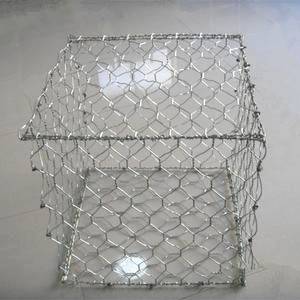
Simply put, welded wire chicken coops are enclosures constructed primarily from welded wire mesh panels combined with framing materials—commonly mild steel or galvanized steel—to create protective housing for chickens. The “welded” part refers to the manufacturing process where wires intersect and are fused together at precise points, which makes the grid stronger and less prone to deformation compared to woven or twisted wire fencing.
These coops aren’t just about creating a cage. They’re thoughtfully designed for airflow, visibility, and predator resistance. As urban farming trends rise, welded wire coops find increased relevance in small-space settings, rooftop farms, and even indoor setups.
On the humanitarian side, NGOs sometimes use modular welded wire coops to rapidly establish poultry programs in post-disaster or displaced communities, supporting nutrition and sustainable livelihoods.
Core Components That Define Quality and Performance
Strength and Durability
One reason people favor welded wire chicken coops is their resistance to wear and tear. The welded joints distribute stress evenly, preventing sagging or breakage under the weight of the birds or external forces like wildlife. Many versions are galvanized or powder-coated to resist rust—a must in humid or wet climates.
Ventilation and Safety
Because the mesh openings allow free air movement while keeping predators out, chickens stay healthier and calmer. Good ventilation reduces respiratory problems—often a huge overlooked issue in poultry health.
Modularity and Scalability
Panels are frequently designed to be detachable or stackable, which means farms can either expand their flocks or quickly disassemble units for mobility and cleaning. This flexibility is crucial in areas where space is a premium or farming operations need to adapt seasonally.
Cost Efficiency
Despite slightly higher upfront costs compared to wooden pens, welded wire coops generally offer better long-term savings by reducing the need for repairs and losses due to predators or disease. And since many manufacturers use recyclable materials, end-of-life disposal can also be more eco-friendly.
Ease of Maintenance
The smooth metal surfaces mean dirt and debris don’t cling easily, simplifying cleaning routines—a factor many backyard poultry keepers appreciate.
Welded Wire Chicken Coops Around the World: Real Applications
In East African countries like Kenya and Uganda, NGO-driven poultry projects rely on welded wire coops to enable smallholder farmers to improve poultry health and gain income security. Elsewhere, in suburban North America and Europe, hobbyists prefer these coops for their neat appearance and robust construction.
There’s also a significant use case in remote mining or industrial camps across Australia or Canada, where temporary poultry housing is needed. The quick assembly and disassembly options save time and reduce logistical hassle.
In post-disaster zones—think Haiti after the 2010 earthquake—emergency aid organizations distributed modular welded wire chicken coops alongside feed and veterinary supplies to jumpstart local food systems. It’s a great example of how simple infrastructure supports complex community resilience.
Advantages That Add Value Well Beyond The Construction Site
- Economic Sustainability: Lower bird mortality rates and ease of flock expansion increase profitability.
- Environmental Benefits: Long-lasting materials reduce the frequency of replacements and waste.
- Social Impact: Improved animal welfare translates into healthier meat and eggs, boosting consumer confidence.
- Trust and Convenience: It feels good knowing your chickens are safer, and you can access them easily without stress.
Many poultry farmers remark that these coops contribute to a more reliable farming schedule—less time repairing pens means more focus on breeding and feed optimization.
Product Specification Table
| Feature | Specification |
|---|---|
| Material | Galvanized Steel Wire Mesh |
| Mesh Size | 1” x 1” (25 mm x 25 mm) |
| Wire Diameter | 14 Gauge (approx. 1.63 mm) |
| Frame | Powder-coated Steel Tubing |
| Dimensions | 4’ x 8’ Panels; Custom Sizes Available |
| Finish | Hot-Dip Galvanized + Powder Coated |
| Weight Capacity | Up to 500 lbs distributed load |
Comparing Top Vendors of Welded Wire Chicken Coops
| Vendor | Price Range | Customization | Warranty | Availability |
|---|---|---|---|---|
| SecureCoop Supplies | $150 - $350 | Custom sizes, colors | 5 years | North America, Europe |
| FarmGuard Mesh | $120 - $280 | Limited | 3 years | Global, Online |
| OpenAir Coops | $200 - $400 | Full custom design | 7 years | North America, Australia |
Emerging Trends and Innovations in Welded Wire Chicken Coops
The future for welded wire chicken coops looks pretty exciting. We’re beginning to see integration with solar-powered lighting, automated feeders, and even sensor systems that monitor temperature and humidity inside the coop. These "smart" coops help farmers optimize conditions remotely and improve animal welfare.
Material science advances are also making coops lighter yet stronger. For example, newer alloys or polymer coatings increase corrosion resistance without heavy metals. This means less maintenance hassle and longer service life.
Challenges in Using Welded Wire Chicken Coops and How to Overcome Them
Not everything is sunshine and feathers; welded wire coops have their limitations. The initial cost can be a barrier for very small-scale farmers. Also, poorly installed galvanized coatings can fail prematurely if exposed to acidic or salty soils. Quality control varies between manufacturers as well.
Solutions? Bulk purchasing cooperatives can reduce costs. Plus, proper site preparation and periodic inspection help prolong lifespan. NGOs often provide installation training to avoid pitfalls in community programs. So, it’s about pairing technology with knowledge.
FAQ: Your Top Questions About Welded Wire Chicken Coops
Q: How does a welded wire chicken coop compare to traditional wooden coops in terms of predator protection?
A: Welded wire coops tend to offer superior protection because the metal mesh resists chewing and clawing better than wood. Plus, small mesh openings block even small predators like snakes or rodents, which wooden coops might not prevent effectively.
Q: What maintenance does a welded wire chicken coop require?
A: Routine inspection for rust spots, cleaning to remove manure buildup, and tightening or replacing bent panels. Galvanized or coated finishes reduce corrosion, but outdoor exposure means some upkeep is always wise.
Q: Are these coops easy to expand if I want to add more chickens?
A: Absolutely. Most welded wire coops are modular by design. You can add extra panels or sections as your flock grows without rebuilding the whole structure.
Q: Can I use welded wire coops indoors or just outside?
A: They’re perfectly suitable for indoor use too, such as in urban farms or enclosed barns, since they allow airflow and visibility while containing chickens securely.
Q: Where can I find reliable welded wire chicken coops for purchase?
A: Check specialized agricultural fencing suppliers, or online marketplaces dedicated to poultry solutions. For a curated selection and expert advice, visit welded wire chicken coops.
Wrapping Up: Why Welded Wire Chicken Coops Are Worth Considering
Whether you’re a backyard enthusiast or a commercial producer, welded wire chicken coops offer a dependable, scalable, and practical approach to poultry housing that aligns with modern sustainability goals. They not only protect your birds but also empower you to produce healthier, safer food. In the bigger picture, these humble mesh panels quietly bolster the global protein supply and support resilient farming worldwide.
Thinking of upgrading or starting new? Explore more options and expert advice on our site and discover how a welded wire coop can become the cornerstone of your next poultry project.
Visit us: https://www.hardwareinstore.com
References & Further Reading
-
The Ultimate Guide to Hardware Cloth 1x1 Versatility and Strength
NewsApr.16,2026
-
Ultimate Guide to hardware cloth 1 4 mesh for Strength and Versatility
NewsApr.09,2026
-
Comprehensive Guide to Hardware Cloth 1/4 Inch Mesh for Versatile Applications
NewsApr.07,2026
-
Comprehensive Guide to Hardware Cloth 1 2 Inch Mesh 36 Applications and Benefits
NewsApr.04,2026
-
Comprehensive Guide to Gi Wire Mesh for Fencing and Its Applications
NewsMar.31,2026
-
Comprehensive Guide to GI Square Mesh Applications and Benefits
NewsMar.28,2026