
Nov . 27, 2025 12:25 Back to list
Weld Mesh Net: Durable, Cost-Effective Solutions for Global Infrastructure
Weld Mesh Net: Why This Simple Product Matters More Than You Think
At first glance, a weld mesh net might seem like just another piece of industrial hardware — a grid of metal wires fused together. But its impact worldwide touches construction, agriculture, disaster relief, and even art. Understanding this product means appreciating how a simple material can deliver strength, versatility, and security in countless ways. For industries and communities across the globe, knowing why weld mesh net is so integral offers insights into cost efficiency, safety, and innovation.
The Global Context: Weld Mesh Net’s Role in a Rapidly Changing World
Globally, infrastructure investment and humanitarian efforts rely heavily on cost-effective, durable materials. According to the World Bank, more than 60% of the global population resides in urban areas as of 2023, driving demand for construction materials that are easy to handle and scalable. Weld mesh net — a staple in fencing, reinforcement, and containment — fills that niche perfectly.
Yet challenges remain: climate change means structures need to be more resilient and adaptable. The mesh net’s strength-to-weight ratio addresses some of those problems by enabling sustainable building methods and rapid deployment of protective barriers in disaster zones.
Mini takeaway:
- Weld mesh net isn’t just mesh; it’s a backbone material in global infrastructure.
- It helps solve urgent challenges tied to urbanization and environmental pressures.
What Exactly Is Weld Mesh Net?
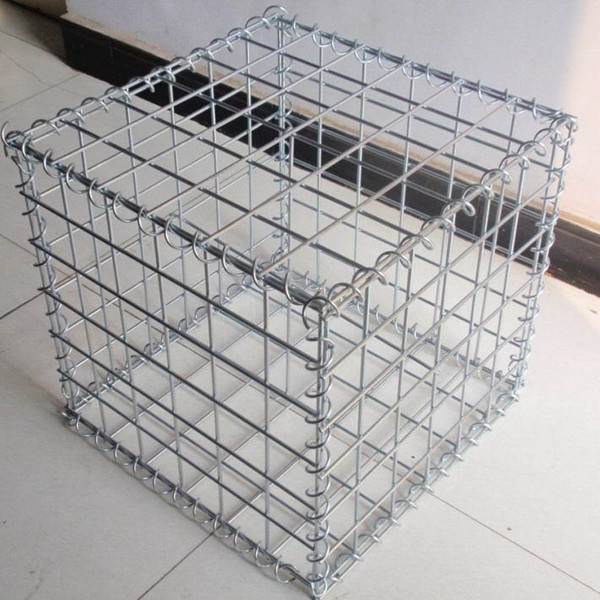
In simple terms, weld mesh net is a grid pattern of metal wires joined by spot welding, creating strong, rigid sheets. The wires are typically galvanized steel or stainless steel, which resist corrosion over time. Its modular nature allows it to be cut and shaped for various uses — from reinforcing concrete slabs to building animal enclosures.
Interestingly, this product bridges both industrial needs and humanitarian ones. NGOs use it for fencing refugee camps; architects use it for decorative yet durable partitions. The weld mesh net is more than just a material; it’s a connector between function and flexibility.
Mini takeaway:
- Simple structure, huge versatility.
- Durable, corrosion-resistant materials make it suitable for many climates and uses.
Key Factors That Make Weld Mesh Net a Go-To Industrial Solution
1. Durability
Thanks to galvanization or stainless steel options, weld mesh nets resist rust, UV damage, and abrasion. This durability guarantees long service life even in harsh environments like coastal zones or dusty deserts.
2. Scalability and Customization
Manufacturers can produce nets in myriad sizes and wire thicknesses. Whether it’s a fine mesh for insect control or a heavy-duty net for concrete reinforcement, customization ensures it fits any project scale.
3. Cost Efficiency
Compared to more complex structural materials, weld mesh nets are relatively inexpensive. Also, they reduce labor costs since installation is straightforward and often faster than alternative fencing or support systems.
4. Safety and Security
The grid format provides excellent physical barriers while still allowing visibility. In prisons, industrial plants, or farms, it balances safety without creating a claustrophobic feel.
5. Environmental Impact
Many weld mesh nets use recycled steel, and the material itself is recyclable at end-of-life. For sustainable construction firms, this is a huge plus.
Mini takeaway:
- Weld mesh nets combine physical strength with financial and environmental sensibility.
- Customization options ensure wide applicability across sectors.
The Many Faces of Weld Mesh Net: Applications Across the Globe
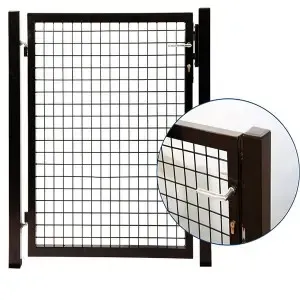
From the dusty plains of sub-Saharan Africa to the icy tundras of Russia, weld mesh nets find countless uses worldwide. In South Asia, for instance, they're fundamental in reinforcing roads and bridges. In Europe, they're popular as fencing in public parks and private estates. Humanitarian agencies such as the Red Cross often use weld mesh nets to create secure perimeters around refugee camps in the Middle East.
In industrial settings too, weld mesh nets line conveyor belts, serve as safety guards around machinery, or enclose hazardous storage areas. Oddly enough, I recently spotted a modern art gallery using them as a “sculptural fence” — proving these nets can be both functional and stylish!
Mini takeaway:
- Weld mesh nets are everywhere — from construction sites to art exhibitions.
- Organizations worldwide leverage their versatility to solve practical problems.
Advantages & Long-Term Value: What Sets Weld Mesh Net Apart?
- Cost Savings: Affordable upfront and minimal maintenance.
- Reliability: Exceptional strength means fewer repairs and replacements.
- Sustainability: Often made with recycled metals; fully recyclable.
- Safety: Creates secure spaces without sacrificing visibility or airflow.
- Social Impact: Enables quick setup of protective barriers in vulnerable areas, preserving human dignity.
There’s an emotional side too: knowing your family or neighbors are protected by a sturdy fence made of weld mesh net quietly offers peace of mind. It’s one of those products that quietly keeps doing its job day after day.
Product Specification Table
| Specification | Description | Typical Range |
|---|---|---|
| Material | Galvanized Steel, Stainless Steel, PVC Coated | Grade 304/316 Stainless Zinc coating 40-275 g/m² |
| Wire Diameter | Thickness of individual wire | 2 mm - 6 mm |
| Mesh Size | Distance between wires (center to center) | 25 mm x 25 mm up to 100 mm x 100 mm |
| Sheet Size | Overall net dimensions | 1.5 m x 3 m up to 2 m x 6 m |
| Coating | Surface protection against corrosion | Galvanized Zinc, PVC; Optional Epoxy |
Comparing Leading Weld Mesh Net Vendors
| Feature | SteelMax Ltd. | Global Wireworks | EcoMesh Solutions |
|---|---|---|---|
| Material Options | Galvanized, Stainless | Galvanized, PVC Coated | Recycled Steel, Eco-Friendly Coatings |
| Custom Sizing | Yes | No, standard sizes only | Yes, focus on green builds |
| Lead Time | 2-3 weeks | 1 week in stock | 3-4 weeks (specialized) |
| Price Level | Mid-range | Affordable | Premium (eco materials) |
| Geographic Reach | North America, EMEA | Global (large stockists) | Focused EU & Asia market |
Looking Ahead: Innovation and Sustainability in Weld Mesh Net
The future’s bright for weld mesh nets. Advances in materials science hint at ultra-lightweight but stronger metals, and biodegradable polymer coatings could soon replace PVC. Automation in manufacturing is reducing costs and improving quality control, making it easier for smaller contractors to access customized nets.
On top of that, pressure to address climate change is pushing the industry towards greener production methods and circular economy models. I noticed some manufacturers experimenting with renewable energy-powered plants and closed-loop recycling systems. It’s an exciting time.
Challenges & How Experts Are Tackling Them
Despite its many strengths, weld mesh net has a few hurdles. Corrosion in highly saline environments can still cause failures over decades, and installation errors sometimes reduce the net's effectiveness. Also, the risk of wire cutting or vandalism means security isn’t always guaranteed.
To address these, experts recommend:
- Using thicker wire or stainless steel in harsh environments.
- Training installation teams better to ensure proper tension and mounting.
- Combining mesh nets with advanced sensors or alarms for critical security zones.
FAQ: Common Questions About Weld Mesh Net
- Q1: What types of weld mesh net are best for outdoor fencing?
- A1: Galvanized steel with a zinc coating of at least 80 g/m² is ideal for general outdoor fencing. For coastal areas, stainless steel or PVC-coated options offer better resistance to rust and extend service life.
- Q2: Can weld mesh net be cut and customized on-site?
- A2: Yes, weld mesh nets can typically be cut with angle grinders or bolt cutters on-site, allowing installers to tailor sizes. However, it’s best to order custom sizes if possible to save labor time.
- Q3: How do weld mesh nets compare to chain-link fences?
- A3: Weld mesh nets are generally stronger and more rigid than chain-link fencing, offering enhanced security and durability. They also look neater due to the square or rectangular pattern and don’t sag as easily.
- Q4: Are weld mesh nets recyclable?
- A4: Absolutely. Made primarily from steel, both galvanized and stainless weld mesh nets can be recycled indefinitely, contributing to sustainable construction practices.
- Q5: Where can I buy quality weld mesh net?
- A5: Reputable industrial suppliers and manufacturers offer a variety of weld mesh net products. For convenient access to trusted stock and detailed specs, you can visit weld mesh net distribution channels online.
Conclusion: Why You Should Care About Weld Mesh Net
It may sound pedestrian, but weld mesh net is fundamentally shaping how we build, protect, and adapt in a rapidly evolving world. Durable, cost-effective, and versatile, it's a little hero behind infrastructure success stories from big-city developments to remote humanitarian camps. By exploring its qualities and keeping an eye on innovation, we can better appreciate how this humble grid makes a big difference.
Interested in exploring various weld mesh net options? Head over to our website — where quality, variety, and expert advice await.
References
-
The Ultimate Guide to Hardware Cloth 1x1 Versatility and Strength
NewsApr.16,2026
-
Ultimate Guide to hardware cloth 1 4 mesh for Strength and Versatility
NewsApr.09,2026
-
Comprehensive Guide to Hardware Cloth 1/4 Inch Mesh for Versatile Applications
NewsApr.07,2026
-
Comprehensive Guide to Hardware Cloth 1 2 Inch Mesh 36 Applications and Benefits
NewsApr.04,2026
-
Comprehensive Guide to Gi Wire Mesh for Fencing and Its Applications
NewsMar.31,2026
-
Comprehensive Guide to GI Square Mesh Applications and Benefits
NewsMar.28,2026