
Nov . 27, 2025 10:10 Back to list
Thick Gauge Wire Mesh – Durable Industrial & Construction Solutions Worldwide
Thick Gauge Wire Mesh: Why It Still Matters Globally
When you hear “thick gauge wire mesh,” you might picture something as simple as fencing or a cage. But the truth is, this sturdy, versatile material plays a much bigger role globally than most realize. From construction sites in Asia to humanitarian projects in Africa, thick gauge wire mesh acts as a silent backbone — providing security, structural support, and even relief in disaster zones. Understanding this humble product’s benefits isn’t just about iron or steel; it's about imagining a more resilient, efficient world where safety meets innovation.
In fact, the global market for industrial wire mesh is forecast to grow steadily, and demand is rising sharply in developing regions facing infrastructure challenges. Let’s unpack what makes thick gauge wire mesh a key player on worldwide stages.
The Global Context: Why Thick Gauge Wire Mesh Is Relevant (And Rising In Demand)
According to a report by the International Organization for Standardization (ISO), industrial materials like wire mesh are crucial in reinforcing buildings, roadways, and even agricultural systems. Around 45% of global steel consumption relates to construction and infrastructure alone, and thick gauge wire mesh forms a visible fraction of that.
World Bank data correlates rapid urbanization in emerging economies with increased needs for durable, adaptable materials. Thick gauge wire mesh steps up where traditional alternatives fall short — whether in earthquake-prone areas requiring flexible reinforcement, or in large-scale farming needing robust animal containment.
But the problem it tackles isn’t just physical: rising costs, sustainability demands, and supply chain disruptions have forced engineers and planners to rethink materials. Thick gauge wire mesh addresses these with a balance of strength, cost-effectiveness, and longevity.
What Exactly Is Thick Gauge Wire Mesh?
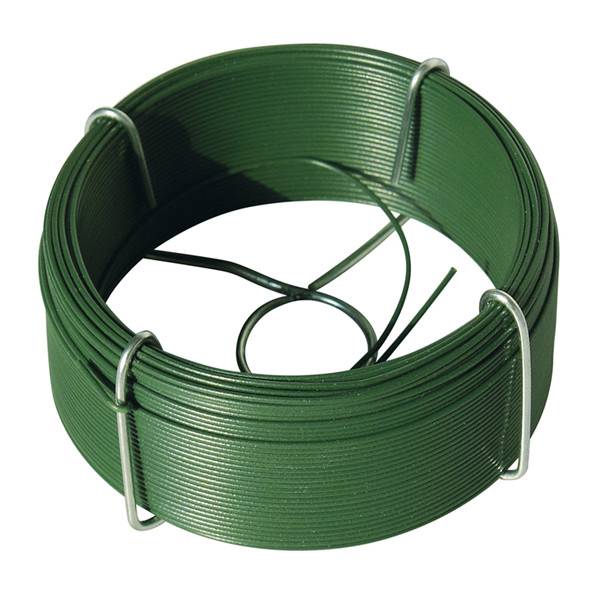
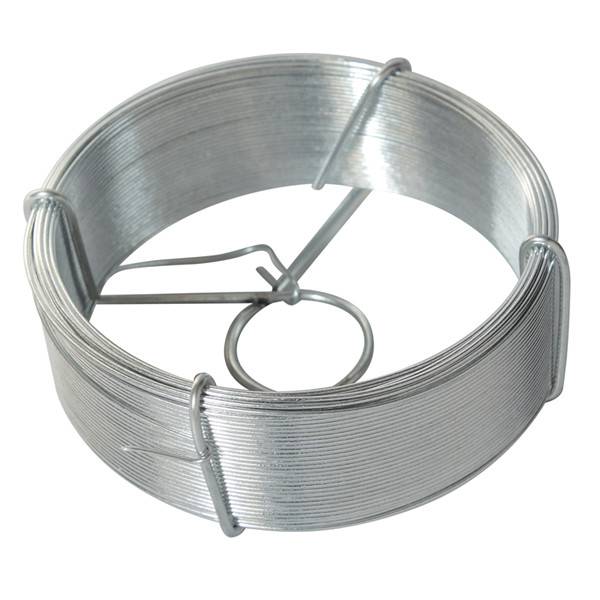
Put simply, thick gauge wire mesh is a grid or lattice made from relatively heavy metal wires—usually steel or stainless steel—woven or welded at consistent intervals. “Gauge” here refers to the wire’s thickness: the lower the gauge number, the thicker the wire. A “thick gauge” generally means wires of around 10 to 14 gauge (approximately 2.5 to 3.5 mm in diameter), depending on standards.
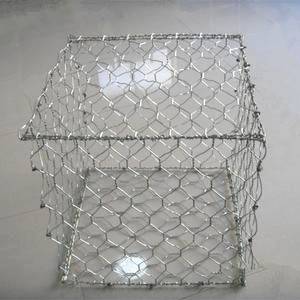
This mesh is built tougher than your garden-variety wire mesh: it’s rigid, resilient, and designed for applications demanding greater load bearing or security. Its uses range from protective cages and heavy-duty fencing to concrete reinforcement and industrial filters.
In humanitarian efforts, particularly, thick gauge wire mesh can form strong temporary shelters, barriers to contain livestock, or structural foundations for relief operations in resource-limited settings.
Key Features of Thick Gauge Wire Mesh: What Makes It Tick?
Durability
One of the most cited advantages is sheer toughness. Thick gauge wire mesh resists deformation under heavy loads and harsh weather. It’s less likely to bend, break, or rust (when galvanized or stainless), extending product life significantly.
Scalability and Versatility
You can find this mesh in everything from small, modular cages to large civil structures spanning miles. Its modularity means it can be customized—mesh size, wire thickness, coatings—tailored to the most exacting requirements.
Cost Efficiency
Despite upfront costs typically greater than thinner meshes, its longevity and low maintenance save money over years. Logistics are also simpler since it packs compactly and is relatively lightweight compared to solid plates.
Safety and Security
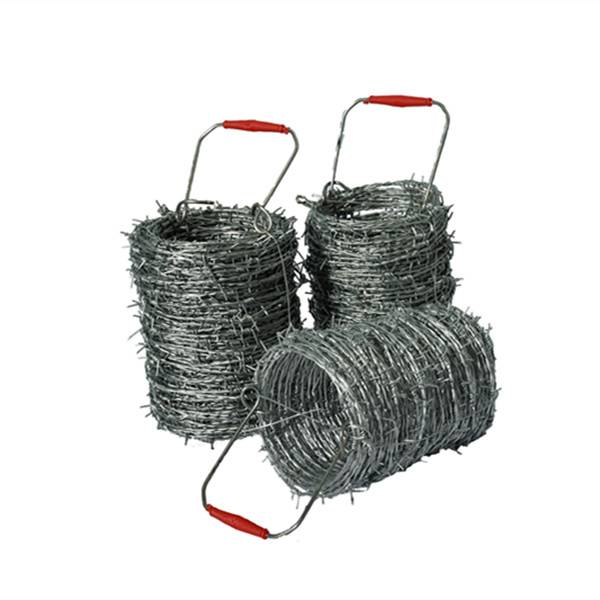
The physical barrier created by thick gauge wire mesh is no joke. Often deployed for perimeter protection, it deters intruders or holds dangerous materials securely, lending peace of mind in volatile environments.
Environmental Resistance
When treated properly, mesh endures corrosive environments (chemical plants, coastal areas, etc.). Hot-dip galvanizing or powder coating enhances this property, making the mesh suitable for long-term outdoor use.
Where Do You Find Thick Gauge Wire Mesh in the Real World?
Oddly enough, it's everywhere — not just construction sites. Let’s highlight a few prominent applications:
- Construction & Infrastructure: Used for reinforcing concrete flyovers in Asia, supporting heavy-duty scaffolding in Europe, and securing highways in Latin America.
- Agriculture & Livestock Management: Thick gauge mesh fences keep predators out and livestock in, from Australian ranches to African wildlife conservancies.
- Disaster Relief & Refugee Camps: NGOs use mesh to create temporary barriers and shelter frames in earthquake or flood-affected zones.
- Industrial Filtration & Screening: Factories rely on thick wire mesh screens for sorting materials and protecting machinery internationally.
Countries with rapid urban growth—India, Brazil, South Africa—are particularly big consumers, driven by infrastructure booms.
Product Specification Table: Typical Thick Gauge Wire Mesh
| Specification | Typical Values | Units |
|---|---|---|
| Wire Diameter (Gauge 10) | 3.4 | mm |
| Mesh Opening Size | 50 x 50 | mm (square) |
| Material | Galvanized Steel / Stainless Steel | - |
| Coating Thickness | 60-85 | microns (galvanization) |
| Tensile Strength | 600-800 | MPa |
| Weight | 4.2 | kg/m² |
Comparing Leading Vendors of Thick Gauge Wire Mesh
| Vendor | Material Options | Customization | Lead Times | Regional Reach |
|---|---|---|---|---|
| WireMeshPro Inc. | Galvanized, Stainless steel | Custom mesh sizes and coatings | 2–3 weeks | Global |
| SteelGrid Solutions | Stainless steel only | Limited customization | 1–2 weeks | North America, Europe |
| Duramesh Global | Galvanized, Mixed alloys | Full customization including mesh geometry | 3–4 weeks | Asia, Africa, Americas |
Why Choose Thick Gauge Wire Mesh? Advantages You Can’t Ignore
Many engineers I’ve spoken with often emphasize that the initial premium for thick gauge wire mesh pays off manifold in durability and safety — a real “buy once, use many times” approach. Here’s a quick rundown of its benefits:
- Cost savings over operational life: Reduced replacements and maintenance.
- Environmentally sound: Often recyclable steel, plus longer lifespan means less waste.
- Social impact: Better security for people and animals, especially in sensitive or vulnerable zones.
- Reliability for engineers: Trust in performance under pressure — literally.
- Innovation enabler: Opens doors to smart mesh integration and IoT-enabled fencing in industrial automation.
Looking Ahead: Future Trends in Thick Gauge Wire Mesh
Technology is stepping into the wire mesh industry like never before. For example, composite wire materials are under development to reduce weight without compromising tensile strength. Some startups are embedding sensors into mesh frameworks to monitor strain and temperature remotely, which is fascinating if you think of how many industries rely on structural integrity.
On the sustainability side, manufacturers are beginning to utilize recycled steel and improve galvanization processes that reduce energy consumption and environmental toxins. Policy initiatives from bodies like the United Nations call for greener construction materials — something that thick gauge wire mesh producers are taking seriously.
Challenges and Solutions in Deploying Thick Gauge Wire Mesh
It’s not all smooth sailing. Supply chain hesitations, variability in standards across countries, and transportation logistics can cause delays or cost inflation. Handling and installation also require skilled labor; heavy wire meshes aren’t exactly malleable.
However, several vendors now provide tailored training and modular mesh panels that snap together for easier field assembly — cutting labor costs. Online platforms also offer better sourcing transparency and compliance certificates, addressing regulatory headaches.
FAQs About Thick Gauge Wire Mesh
1. How do I choose the right mesh gauge for my fencing project?
Choosing the wire gauge depends on your security needs and environmental conditions. Thicker gauges (10–14) provide stronger barriers for industrial or security fencing, while thinner gauges suit decorative or lightweight applications. Consider exposure to elements as well; galvanized or stainless finishes offer better corrosion resistance.
2. Can thick gauge wire mesh be used for disaster relief housing?
Absolutely. Thick gauge wire mesh can serve as a framework for temporary shelters, offering structural rigidity and protection. Its modularity helps NGOs quickly assemble and disassemble shelters, making it invaluable in post-disaster scenarios.
3. Is thick gauge wire mesh cost-effective compared to concrete reinforcement?
It varies. Wire mesh is indeed widely used in concrete construction for reinforcement — it’s often more flexible, lighter, and easier to install than steel rebar. Over time, the savings on labor and maintenance can make it a more economical choice.
4. What countries are leading manufacturers of thick gauge wire mesh?
China, the US, Germany, and India are some of the leading producers. Emerging manufacturers in Southeast Asia and South America are gaining traction thanks to lower costs and improved quality.
5. How sustainable is thick gauge wire mesh?
Steel wire mesh is highly recyclable, and many manufacturers are now using recycled materials. Its durability lowers replacement frequency, reducing waste. However, environmental friendliness depends on coatings and end-of-life disposal methods.
Wrapping It Up: Why Thick Gauge Wire Mesh Is Worth Your Attention
There’s a lot more to thick gauge wire mesh than meets the eye. The array of applications—from agriculture to industrial infrastructure—only underscores its flexibility and reliability. When you factor in long-term cost savings, sustainability, and the shifting global demands for durable materials, it’s clear this product isn’t going anywhere.
For anyone working in construction, farming, security, or disaster relief, understanding thick gauge wire mesh and its benefits can help you achieve smarter, safer solutions.
Interested? Visit thick gauge wire mesh to explore product options, specs, and vendor partnerships designed to suit any scale.
References
-
The Ultimate Guide to Hardware Cloth 1x1 Versatility and Strength
NewsApr.16,2026
-
Ultimate Guide to hardware cloth 1 4 mesh for Strength and Versatility
NewsApr.09,2026
-
Comprehensive Guide to Hardware Cloth 1/4 Inch Mesh for Versatile Applications
NewsApr.07,2026
-
Comprehensive Guide to Hardware Cloth 1 2 Inch Mesh 36 Applications and Benefits
NewsApr.04,2026
-
Comprehensive Guide to Gi Wire Mesh for Fencing and Its Applications
NewsMar.31,2026
-
Comprehensive Guide to GI Square Mesh Applications and Benefits
NewsMar.28,2026