
Dec . 02, 2025 04:55 Back to list
Understanding Weld Mesh Cost: Factors, Applications, and Global Impact
Understanding Weld Mesh Cost: Why It Matters Globally
Weld mesh cost might sound like a straightforward industrial term, but its implications stretch far beyond factories and warehouses. Globally, weld mesh is a backbone material used in construction, agriculture, and disaster relief. Knowing the true cost of weld mesh isn’t just about budgeting for materials — it’s about recognizing the role this essential component plays in infrastructure resilience, affordability, and even humanitarian efforts.
Frankly, weld mesh factors into everything from reinforced concrete buildings to animal enclosures, making its cost and quality critical for engineers, contractors, and planners worldwide. So, let’s dig a little deeper into what weld mesh cost actually means, the factors influencing it, and why understanding those factors has become increasingly important in today’s industry and society at large.
Global Context: The Industry Stakes Behind Weld Mesh Cost
Welded wire mesh is a globally traded commodity, foundational to construction sectors that, according to the World Bank, contribute over 13% to global GDP (World Bank, 2023). Across emerging economies, the demand for affordable, reliable building materials like weld mesh is soaring. The United Nations estimates infrastructure needs requirement of billions of dollars annually, including significant spend on reinforcements that use welded mesh (UN Infrastructure Report, 2022).
But here’s the challenge: fluctuating raw material prices, energy costs for steel production, and logistical hurdles all drive weld mesh cost unpredictably. That can ripple through entire construction budgets, especially in resource-constrained regions. Understanding weld mesh pricing dynamics can help stakeholders navigate these challenges more effectively.
What Is Weld Mesh Cost, Exactly?
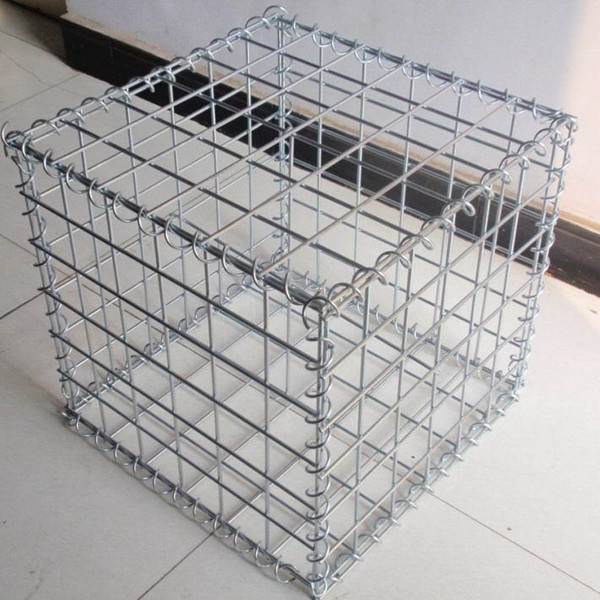
Simply put, weld mesh cost is the price of welded wire mesh sheets or rolls, which are grids made from intersecting steel wire strands welded at every joint. They vary by size, thickness, coating, and wire gauge, tailored for different uses.
This cost includes raw materials (usually steel), manufacturing, finishing (like galvanizing), and shipping. It directly correlates with strength and durability, which matter a lot when weld mesh supports concrete in bridges or contains livestock on farms.
Modern industries rely on weld mesh for structural safety, while humanitarian groups use it to rapidly build shelters or reinforce temporary infrastructure. So getting the pricing right — and understanding where costs come from — is no small matter.
Key Factors Influencing Weld Mesh Cost
1. Material Quality and Coating
The grade of steel and the type of surface treatment (galvanized, PVC-coated, stainless) influence durability and price. Higher-quality materials cost more but last longer, which can actually reduce lifetime costs.
2. Wire Gauge and Mesh Size
Thicker wires and smaller mesh openings typically cost more due to greater steel use and manufacturing complexity. Choosing the right size for your project balances strength and price.
3. Production Volume and Scalability
Higher production runs often reduce per-unit costs through economies of scale, a key factor when procuring large construction projects or industrial facilities.
4. Geographic and Logistics Factors
Transport costs and regional steel pricing greatly affect overall costs. For example, weld mesh shipping to remote areas can double prices compared to industrial hubs.
5. Market Demand and Steel Prices
The global steel market’s swings, driven by policies, tariffs, and raw material availability, feed directly into weld mesh cost fluctuations.
6. Customization and Compliance
Projects needing custom sizes or certifications (like ASTM or ISO standards) may incur premiums.
Typical Weld Mesh Product Specifications
| Specification | Description | Common Range |
|---|---|---|
| Wire Gauge | Thickness of individual wire strands | 12 - 20 gauge (2.5mm to 0.9mm) |
| Mesh Size | Distance between wires (opening size) | 25mm x 25mm to 100mm x 100mm |
| Sheet/Roll Size | Physical dimensions of product | 2m x 3m sheets or 1m rolls up to 50m length |
| Coating | Protective finish to prevent rust | Galvanized zinc, PVC, stainless steel |
| Weight | Weight per square meter | 1.5 - 4.0 kg/m² |
Global Applications & Use Cases of Weld Mesh
Weld mesh’s utility is vast. In construction, it acts as reinforcement in concrete slabs, roadways, and bridges from North America to Africa. Industrial zones in Asia rely on it for fencing and safety barriers, while agricultural communities in South America use it for animal containment and crop protection.
Oddly enough, humanitarian organizations frequently depend on weld mesh. After a major earthquake in Nepal, weld mesh was used to stabilize temporary shelters and infrastructure (source). Similarly, refugee camps often employ welded wire structures for fencing and security.
The scaling across different regions emphasizes the importance of cost efficiency and accessibility when sourcing weld mesh materials. Knowing weld mesh cost helps NGOs and contractors plan budget-conscious solutions without sacrificing quality or safety.
Advantages & Long-Term Value
- Cost Efficiency: Durable weld mesh reduces repair costs over time and enables more precise material use.
- Sustainability: Many manufacturers now offer recycled steel mesh products, supporting circular economy goals.
- Safety & Trust: Reliable weld mesh enhances structural integrity, protecting lives and property.
- Social Impact: Affordable mesh enables infrastructure development in underserved regions, improving livelihoods.
Considering both emotional and logical impacts, weld mesh delivers peace of mind. Workers trust the safety it provides, and communities benefit from lasting infrastructure. It feels satisfying to know a simple grid of welded steel can contribute to dignity and innovation at once.
Comparing Top Weld Mesh Vendors by Cost and Features
| Vendor | Price Range (per m²) | Coating Options | Lead Time | Special Features |
|---|---|---|---|---|
| SteelMesh Co. | $5.00 - $7.50 | Galvanized, PVC | 1–2 weeks | Custom sizes, ISO certified |
| Global Wire Ltd. | $4.50 - $6.50 | Galvanized only | 3–4 weeks | Bulk discounts available |
| EcoMesh Supplies | $6.00 - $8.50 | Recycled steel, galvanized, PVC | 2 weeks | Sustainability-focused, fast delivery |
Future Trends & Innovations Impacting Weld Mesh Cost
It’s an exciting time. Advances in automated welding technology and the use of digital supply chain management are streamlining mesh production, lowering costs and lead times. Green steel initiatives, using hydrogen-based reduction instead of coal, promise a cleaner, albeit sometimes costlier, raw material source (ISO).
We’re also seeing more mesh products with enhanced coatings that prolong service life — a subtle cost-saving but important over decades of use. And 3D printing trials could one day allow bespoke welded mesh shapes for complex architectural designs.
Challenges & Expert Solutions
Cost volatility remains a big headache, tied to fluctuating global steel prices and tariff changes. Transport logistics in remote regions add unpredictability, too. Some projects struggle with quality inconsistency across suppliers.
Experts recommend locking in prices via forward contracts, using local production when possible, and insisting on standardized certifications to ensure quality and reliability. Consulting with vendors early helps tailor solutions that balance cost and durability.
FAQ: Frequently Asked Questions About Weld Mesh Cost
- What factors cause weld mesh cost to vary so much?
- Cost differences come from wire thickness, mesh size, coating type, raw steel prices, and supply chain expenses. Custom sizes and certifications also add premiums.
- Is galvanized mesh always better than plain steel mesh?
- Galvanizing adds corrosion resistance, usually extending lifespan. It’s generally recommended unless the mesh is shielded from moisture or used temporarily.
- How can I reduce weld mesh cost for a large construction project?
- Ordering larger quantities typically secures bulk discounts. Also, specifying standard sizes and working with local suppliers can reduce shipping and customization expenses.
- Are eco-friendly or recycled steel mesh options more expensive?
- They might cost slightly more upfront due to processing, but often deliver savings long-term through sustainability benefits and sometimes better durability.
- Where can I find reliable weld mesh suppliers?
- Seek ISO-certified vendors with proven track records. Industry exhibitions and verified online marketplaces are good places to start.
Conclusion
Understanding weld mesh cost isn’t just about dollars and cents. It’s about appreciating how a simple, sturdy grid of steel underpins everything from safe bridges to post-disaster shelters. Keeping an eye on cost factors helps engineers, planners, and NGOs deliver dependable infrastructure where it’s needed most — without surprise expenses or compromise.
If you’re looking to dive deeper or source quality mesh materials, check out our resources and listings at https://www.hardwareinstore.com. The right choice today can save you both money and headaches tomorrow.
In the end, weld mesh is more than metal; it’s a connective fabric for progress, one square at a time.
-
The Ultimate Guide to Hardware Cloth 1x1 Versatility and Strength
NewsApr.16,2026
-
Ultimate Guide to hardware cloth 1 4 mesh for Strength and Versatility
NewsApr.09,2026
-
Comprehensive Guide to Hardware Cloth 1/4 Inch Mesh for Versatile Applications
NewsApr.07,2026
-
Comprehensive Guide to Hardware Cloth 1 2 Inch Mesh 36 Applications and Benefits
NewsApr.04,2026
-
Comprehensive Guide to Gi Wire Mesh for Fencing and Its Applications
NewsMar.31,2026
-
Comprehensive Guide to GI Square Mesh Applications and Benefits
NewsMar.28,2026