
Dec . 02, 2025 04:15 Back to list
GI Weld Mesh Price Explained: Global Trends, Benefits & Buying Guide
Understanding GI Weld Mesh Price: What It Means Globally and Why It Matters
Galvanized Iron (GI) weld mesh is one of those unsung industrial heroes that quietly holds together construction projects, infrastructure frameworks, and even humanitarian aid efforts around the world. Honestly, when you think about it, understanding the gi weld mesh price isn’t just about dollars and cents — it’s about gauging access to safe, durable, and scalable steel construction solutions that affect millions. Whether you're in Mumbai, Chicago, or Nairobi, the cost and availability of GI weld mesh signals a lot about infrastructure health and economic conditions.
Globally, this product’s price has ripple effects. Governments and NGOs rely on it for everything from building disaster relief shelters to reinforcing highways. For suppliers, contractors, and policy makers, tracking and understanding these prices is key to managing costs and ensuring supply chain continuity.
Global Context: Why GI Weld Mesh Price Matters Today
Firstly, it’s worth contextualizing what’s going on globally. The construction materials market is influenced by many things — raw material costs, geopolitical factors, demand surges from urbanization, and efforts toward sustainable building. According to the World Bank, global steel production hit over 1.8 billion metric tons in 2023, with galvanized steel making up a significant portion given its corrosion resistance. The gi weld mesh price fluctuates accordingly.
Oddly enough, despite rapid advancements in composites and plastics, steel mesh maintains a crucial foothold due to cost-effectiveness and reliability. Yet, many developing regions face challenges where price volatility disrupts project timelines. Supply chain delays during the pandemic years didn't help either — sending prices up and down unexpectedly. This creates a problem many industry players face: how to balance affordability with quality.
What Does GI Weld Mesh Price Mean?
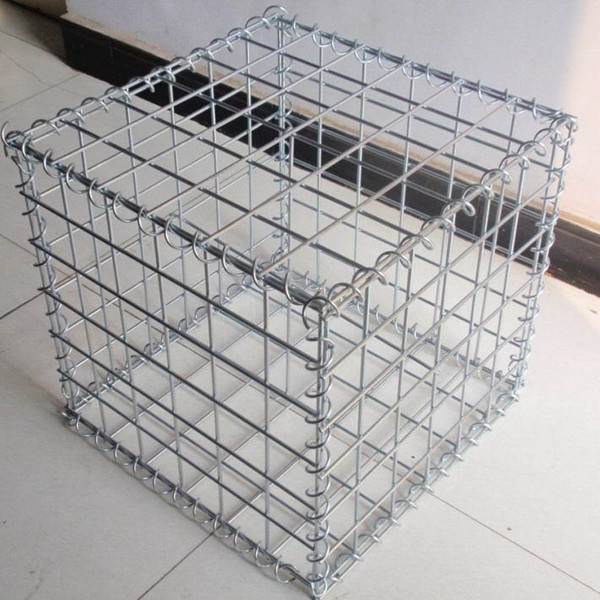
Let’s boil this down. GI weld mesh refers to sheets or rolls of welded wire mesh made from galvanized iron, which means the wire is coated with zinc to prevent rust. The price often includes variables like mesh size, wire diameter, sheet size, and galvanization thickness. Contractors look up gi weld mesh price to estimate costs on fencing, concrete reinforcement, or protective barriers.
In humanitarian contexts, such as refugee camps or emergency shelters, GI weld mesh acts as a sturdy framework material. Here, cost and availability can directly affect the speed and scale of shelter deployment.
Key Factors Influencing the Price of GI Weld Mesh
1. Wire Diameter and Gauge
Thicker wires mean sturdier mesh, but they'll cost more. You might pay a premium for 5mm diameter wire versus 3mm because it’s stronger and heavier.
2. Mesh Size (Opening Dimensions)
Tighter mesh sizes (like 25mm x 25mm) require more wire and labor, naturally ticking prices higher than broader meshes (like 50mm x 50mm).
3. Galvanization Thickness
More zinc coating protects against corrosion longer — so a mesh with 100g/m² galvanizing costs more than one with 50g/m².
4. Sheet or Roll Size
Larger sheets or rolls often give economies of scale, slightly reducing the price per square meter.
5. Market Supply and Demand Dynamics
Price fluctuates based on steel global prices, local demand (e.g., construction booms) and geopolitical influences on zinc and iron markets.
| Specification | Value/Range | Effect on Price |
|---|---|---|
| Wire Diameter | 2mm to 8mm | Higher diameter = Higher price |
| Mesh Opening Size | 12.5mm to 100mm | Smaller openings = Higher price |
| Galvanization Coating | 40g/m² to 275g/m² | Thicker coating = Higher price |
| Sheet Dimensions | 1m x 2m to 1.2m x 6m | Larger sheets = Better price/m² |
Applications Across the Globe
You’ll find GI weld mesh used in literally thousands of construction and infrastructure projects from Asia to the Americas. Here are some real-world uses:
- Building Reinforcement: Concrete structures everywhere employ GI mesh to hold the integrity of foundations, floors, and walls.
- Fencing and Security: Schools, factories, and residential compounds use weld mesh fencing for safety and boundary definition.
- Disaster Relief: Organizations like the Red Cross rely on welded mesh for emergency shelter frameworks, especially in flood and earthquake-prone areas.
- Agriculture: Farmers use mesh to protect crops or livestock enclosures, sometimes in remote areas where durability counts.
- Mining and Industrial Sites: Heavy-duty steel cage meshes serve as protective barriers and for ventilation control.
For instance, in Southeast Asia’s monsoon-heavy zones, galvanization quality directly correlates to how long fencing or mesh-reinforced dwellings survive severe weather. In African urban expansions, lower-cost mesh varieties make rapid housing projects feasible.
Advantages and Long-Term Value of GI Weld Mesh
Why should anyone care deeply about GI weld mesh pricing? Well, besides the obvious budget concerns, there’s the matter of reliability and lifespan. A cheaper mesh might save money now but rust quickly and need faster replacement — ultimately costing more. High-quality galvanized mesh protects buildings from collapse, costs less to maintain, and sustains safety for residents.
On a social level, access to affordable and dependable steel mesh can uplift communities by creating jobs, facilitating infrastructure development, and advancing environmental goals by extending material lifecycle.
There's also the innovation angle—manufacturers are constantly tweaking galvanization processes to be more eco-friendly and extend corrosion resistance longer, which adds value beyond just the price tag.
Future Trends Impacting GI Weld Mesh Price
Looking ahead, a few trends stand out:
- Eco-friendly Coatings: Alternatives to traditional zinc coatings are emerging, aiming at lower environmental impact.
- Smart Supply Chains: Digital tools now help track steel and mesh prices in real time, optimizing procurement decisions.
- Material Innovation: Hybrid materials combining galvanized steel with polymers could alter cost structures.
- Automation and Robotics: Advanced welding technology increases output consistency and sometimes lowers operational costs.
These could stabilize or reduce gi weld mesh price volatility while improving product life and environmental footprints, which frankly is good news all around.
Challenges and Solutions
That said, challenges remain. Raw material price swings, inconsistent quality controls in some regions, and logistical bottlenecks during crises all complicate pricing stability. Plus, counterfeits or low-quality substitutes entering the market can mislead buyers and damage infrastructure reliability.
Experts suggest adopting stricter quality certifications like ISO 9001 and zinc coating standards ISO 1461 to ensure supplier credibility. Combining local manufacturing with smarter inventory management helps too. Ultimately, transparency on pricing and sourcing builds trust and a stronger market overall.
| Vendor | Avg. Price (USD/m²) | Galvanization Standard | Shipping Time | Customer Rating (out of 5) |
|---|---|---|---|---|
| SteelPlus Ltd. | $4.50 | ISO 1461 | 5-7 days | 4.6 |
| GalvaWorks | $4.25 | ISO 1461 | 7-10 days | 4.4 |
| MeshMaster Co. | $4.75 | ISO 9001 / 1461 | 3-6 days | 4.7 |
Frequently Asked Questions About GI Weld Mesh Price
- What factors most influence the price of GI weld mesh?
- Wire diameter, mesh size, galvanization thickness, and sheet dimensions are key. Market conditions and supplier reputation also play significant roles.
- Is galvanized weld mesh more cost-effective long term than uncoated mesh?
- Yes. Although galvanized mesh costs more upfront, it resists rust and lasts longer, reducing maintenance and replacement costs.
- How can businesses ensure they pay a fair gi weld mesh price?
- Compare multiple vendors, check certifications like ISO 1461, and consider delivery times and after-sales support to assess overall value.
- Are there eco-friendly alternatives impacting GI weld mesh prices?
- Emerging coatings and hybrid materials are greener but may affect price. Watch for innovations aiming to balance sustainability and cost.
- Can GI weld mesh be easily imported globally?
- Yes, but import tariffs, shipping costs, and local regulations affect final price. Partnering with knowledgeable vendors helps navigate these.
Conclusion: Why Tracking GI Weld Mesh Price Is Essential
In summary, understanding the gi weld mesh price is crucial for anyone involved in construction, infrastructure, or humanitarian projects. It’s a reflection of technical specs, market realities, and innovation trajectories. Investing in higher-quality mesh ensures durability, safety, and sustainability — saving money and lives over time. If you want the best prices and reliable supply, I recommend visiting https://www.hardwareinstore.com for trusted vendor links, detailed specs, and price updates.
Getting your hands on accurate, up-to-date pricing not only optimizes budgets but also supports the backbone of infrastructure in both developed and emerging regions. After all, it feels like understanding this simple steel mesh price tells a larger story about progress and resilience worldwide.
-
The Ultimate Guide to Hardware Cloth 1x1 Versatility and Strength
NewsApr.16,2026
-
Ultimate Guide to hardware cloth 1 4 mesh for Strength and Versatility
NewsApr.09,2026
-
Comprehensive Guide to Hardware Cloth 1/4 Inch Mesh for Versatile Applications
NewsApr.07,2026
-
Comprehensive Guide to Hardware Cloth 1 2 Inch Mesh 36 Applications and Benefits
NewsApr.04,2026
-
Comprehensive Guide to Gi Wire Mesh for Fencing and Its Applications
NewsMar.31,2026
-
Comprehensive Guide to GI Square Mesh Applications and Benefits
NewsMar.28,2026