
Nov . 30, 2025 02:15 Back to list
Reinforced Welded Wire Mesh: Durable, Sustainable Reinforcement Solutions
What Is Reinforced Welded Wire Mesh and Why It Matters
If you’ve ever passed by a construction site, chances are you spotted those grids of steel wires forming a kind of netting—this is reinforced welded wire mesh (RWWM), quietly doing its heavy lifting behind the scenes. At first glance, it might seem like a simple product. But globally, reinforced welded wire mesh is a backbone of infrastructure resilience, disaster relief, and modern construction efficiency.
Why does it matter? Well, as urbanization accelerates and climate challenges escalate, the demand for strong yet adaptable building materials grows. RWWM offers precisely that: durability, ease of use, and cost-effective reinforcement, which translates into safer buildings, longer-lasting roads, and, frankly, peace of mind.
Understanding reinforced welded wire mesh better equips engineers, architects, and humanitarian agencies alike, especially when designing solutions for rapidly changing environments.
The Global Impact of Reinforced Welded Wire Mesh
Statistics from the United Nations and the World Bank show that nearly 55% of the world’s population lives in urban areas, climbing steadily every year. Alongside this, natural disasters and climate-induced events cause countless infrastructure damages annually. Reinforced welded wire mesh is a pragmatic response to such challenges.
According to ISO standards on construction materials, using welded wire mesh in reinforced concrete improves structural integrity by up to 25%, reducing lifecycles costs and carbon emissions due to fewer repairs.
Yet, a key global challenge persists: balancing cost, speed, and sustainability. That’s where reinforced welded wire mesh shines by simplifying construction and improving longevity, while often using recycled steel inputs.
Reinforced welded wire mesh thus becomes a silent protagonist in modernization stories worldwide.
Defining Reinforced Welded Wire Mesh
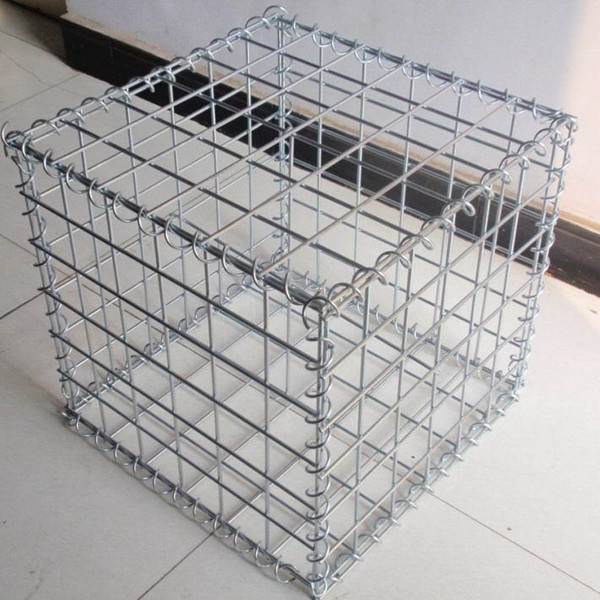
Simply put, reinforced welded wire mesh is a grid made of intersecting steel wires welded together at their junction points. It’s used to strengthen concrete structures by distributing loads evenly and preventing cracks from spreading. Unlike traditional rebar alone, this mesh offers uniform support, quicker assembly, and reduced labor costs.
In some ways, the mesh bridges traditional materials and modern engineering — permitting the design of safe structures that withstand both everyday wear and rare events like earthquakes. In humanitarian contexts, RWWM provides rapid, reliable frameworks for shelters and infrastructure.
Core Components of Reinforced Welded Wire Mesh
1. Durability and Corrosion Resistance
Most modern RWWM products use galvanized steel or are coated with epoxy to resist corrosion — essential for projects exposed to moisture or chemicals. This durability prolongs the service life of roads, buildings, and bridges.
2. Scalability and Customization
From small residential slabs to large-scale infrastructure projects, wire meshes come in standard panels or custom sizes. Companies often tailor wire thickness, mesh size, and coating types to meet diverse engineering demands.
3. Cost Efficiency
By providing a prefabricated reinforcement grid, installation times shrink drastically. This translates into lower labor expenses and material waste—major benefits in cost-sensitive markets.
4. Safety and Structural Integrity
The welded connections maintain mesh shape even under heavy loads and dynamic stress, offering safer, predictable reinforcement compared to loosely tied rebar.
5. Environmental Sustainability
Steel’s recyclability makes reinforced welded wire mesh a greener choice compared to some composites. Manufacturers increasingly emphasize eco-certified production processes as well.
Mini Takeaway:
Durability, adaptability, cost, safety, and sustainability are intertwined factors pushing reinforced welded wire mesh to the forefront of modern construction solutions.
Global Applications & Use Cases of Reinforced Welded Wire Mesh
Let’s travel around the world — design your mental map.
- In Asia: Large highway and metro rail construction depends heavily on RWWM to meet tight deadlines while ensuring seismic safety.
- In Africa: NGOs employ wire mesh in modular, quickly deployable housing in areas hit by floods or earthquakes.
- In Europe: Historic building restorations use custom mesh panels that provide support without altering the aesthetic.
- In North America: Industrial flooring and warehouse ramps benefit from thick-gauge reinforced mesh for heavy loads.
One vivid example: after the 2015 Nepal earthquake, emergency shelters built using reinforced welded wire mesh frameworks were assembled swiftly, offering durable protection in harsh conditions.
Advantages and Long-Term Value You Can Count On
What’s truly compelling about reinforced welded wire mesh is its future-proof value:
- Cost savings aren’t just immediate but accumulate as fewer repairs and replacements are needed.
- Social impact plays out in safer homes, workplaces, and public spaces that withstand natural hazards.
- Environmental value stems from recyclable materials and reduced waste.
- Emotional reassurance: there’s something grounding about knowing your building envelope incorporates tried-and-true science underneath that simple grid.
Frankly, reliable infrastructure breeds trust — trust that communities lean on in uncertain times.
Product Specification Table
| Specification | Details |
|---|---|
| Wire Material | Galvanized steel / Epoxy-coated steel |
| Wire Diameter | 3 mm to 12 mm |
| Mesh Size (spacing) | 50 mm x 50 mm to 150 mm x 150 mm |
| Panel Size | 2m x 6m (standard), customizable |
| Tensile Strength | ≥ 500 MPa |
Comparing Leading Vendors of Reinforced Welded Wire Mesh
| Vendor | Product Range | Custom Fabrication | Price Range | Lead Time |
|---|---|---|---|---|
| SteelGrid Co. | Standard panels, specialty coatings | Yes | $$ - $$$ | 2–3 weeks |
| WireForm Solutions | Heavy-duty mesh, custom sizes | Yes | $$$ | 3–4 weeks |
| EcoMesh Industries | Recycled material mesh, standard panels | Limited | $ - $$ | 1–2 weeks |
Looking Ahead: Future Trends in Reinforced Welded Wire Mesh
In the near future, innovations promise to reshape how we use and perceive reinforced welded wire mesh. Nanotech coatings that confer superhydrophobic (water-repellent) properties are being tested to extend durability even in coastal regions. Simultaneously, integration with digital monitoring sensors embedded inside the mesh can provide real-time data on structural health — potentially signaling micro-cracks before they become serious.
Automation and robotics streamline prefabrication, allowing tailored panels to be produced rapidly. Sustainability drives adoption of post-consumer recycled steel, complementing efforts to reduce the carbon footprint of concrete-dominant building.
Challenges and Solutions in the Field
No solution is perfect, of course. Reinforced welded wire mesh sometimes struggles with field bending limitations — when irregular shapes or complex geometries are needed, standard mesh panels can fall short. Additionally, improper installation may reduce structural performance, especially in less experienced teams.
Innovations include hybrid reinforcement systems combining mesh with fiber-reinforced polymers and guided training programs for workers to ensure installation quality. Smart contracting and quality control software also aim to reduce errors and waste.
FAQ: Frequently Asked Questions About Reinforced Welded Wire Mesh
Q: How does reinforced welded wire mesh compare to traditional rebar reinforcement?A: Reinforced welded wire mesh offers more uniform load distribution and quicker installation than tying individual rebars, but for some heavy structural elements, combining both might be preferred. It’s often a question of scale and design preferences.
Q: Can reinforced welded wire mesh be used in high-corrosion environments like coastal areas?
A: Yes, as long as proper coatings like galvanization or epoxy are applied. These treatments significantly extend mesh life even near saltwater. Regular inspection complements these measures.
Q: Is customized mesh sizing expensive or delayed?
A: Custom panels typically add some cost but allow precise fit and efficiency gains onsite. Most vendors provide lead times around 2–4 weeks, depending on complexity.
Q: How sustainable is reinforced welded wire mesh compared to alternatives?
A: Because it’s mostly steel, which is highly recyclable, and with advances in recycled material use, this mesh rates well in sustainability metrics—especially when paired with concrete mix optimizations.
Q: Are there international shipping or import challenges for bulk mesh orders?
A: Shipping steel mesh—being bulky but not excessively heavy—requires careful packaging to prevent damage. Regulations vary by country, but many vendors assist with logistics, and local manufacturing options are growing globally.
Wrapping Up: Why Reinforced Welded Wire Mesh Remains a Smart Investment
To sum it up, reinforced welded wire mesh is more than just steel grids. It’s a tangible symbol of progress in construction, adaptability in crisis, and respect for the environment.
If you’re involved in any building project or logistical planning—whether commercial, residential, or humanitarian—I encourage you to explore the potential of reinforced welded wire mesh for your needs. There’s an elegance in its simplicity and efficiency that few materials can match.
Visit our website to discover products and expert advice on reinforced welded wire mesh and related solutions.
References
-
The Ultimate Guide to Hardware Cloth 1x1 Versatility and Strength
NewsApr.16,2026
-
Ultimate Guide to hardware cloth 1 4 mesh for Strength and Versatility
NewsApr.09,2026
-
Comprehensive Guide to Hardware Cloth 1/4 Inch Mesh for Versatile Applications
NewsApr.07,2026
-
Comprehensive Guide to Hardware Cloth 1 2 Inch Mesh 36 Applications and Benefits
NewsApr.04,2026
-
Comprehensive Guide to Gi Wire Mesh for Fencing and Its Applications
NewsMar.31,2026
-
Comprehensive Guide to GI Square Mesh Applications and Benefits
NewsMar.28,2026