
Nov . 30, 2025 00:30 Back to list
Comprehensive Guide to Mesh Welding: Applications, Benefits, and Future Trends
Mesh Welding: The Backbone of Modern Construction and Beyond
Have you ever paused to think about the grids, fences, and reinforcements around us, holding their shape silently, matter-of-fact? That’s mesh welding working behind the scenes, an unsung hero in infrastructure, manufacturing, and even humanitarian projects. From skyscraper foundations to temporary shelters in disaster zones, understanding mesh welding isn't just technical jargon — it’s crucial globally.
So, why does mesh welding matter so much right now? With urbanization skyrocketing, climate change causing more natural disasters, and industries rushing to innovate sustainable solutions, the demand for stronger, adaptable, and cost-effective materials like welded mesh is soaring. This article unpacks mesh welding’s essence, its key advantages, and how it's shaping industries worldwide.
Why Mesh Welding Holds Global Significance
Mesh welding isn’t just a niche industrial process; it’s a global facilitator of resilience, efficiency, and safety. According to ISO standards, welded mesh products must meet stringent durability and safety benchmarks — something manufacturers worldwide are racing to perfect. By 2025, the global wire mesh market is projected to grow by nearly 5% annually, driven largely by construction, automotive, and agricultural sectors (World Bank Data).
Yet, a challenge persists: many developing regions face difficulties sourcing reliable, affordable reinforcement materials that weather harsh environments and deliver structural integrity. Here, mesh welding offers a vital solution. It addresses cost pressures while ensuring consistency in quality, which ties well into bigger goals like sustainable urban growth and disaster preparedness.
What Exactly is Mesh Welding?
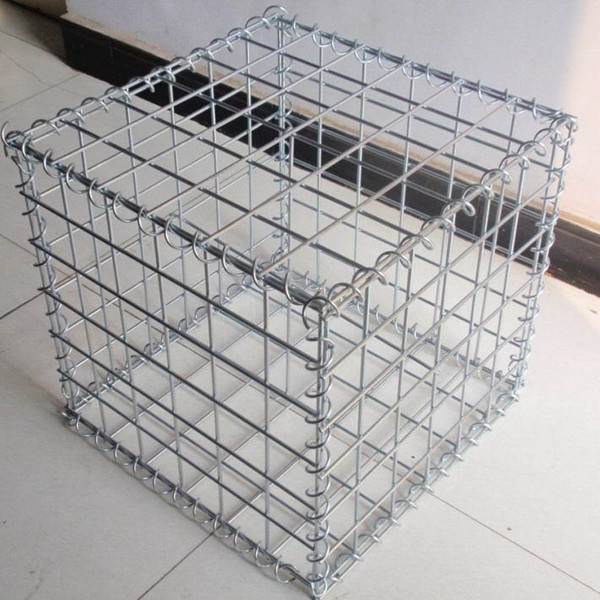
In simple terms, mesh welding is the process of joining intersecting metal wires at certain intervals by applying resistance heat or pressure, creating a rigid grid or mesh. Think of it like weaving for steel or metal threads — but instead of fabric, you get strong, uniform panels ready for reinforcement or fencing.
Its origins date back several decades, linked closely with advances in metallurgy and automation. Today, mesh welding serves numerous purposes, from reinforcing concrete in construction to crafting cages in agriculture and safety barriers on highways. It embodies the blend of simple engineering principles and modern manufacturing ease.
Quick takeaway:
- Mesh welding creates strong, uniform metal grids by fusing wires at intersections.
- It's a fundamental reinforcement technique with wide industrial use.
- Globally, it contributes to safer, more durable infrastructure.
Core Components That Define Mesh Welding Quality
Not all welded mesh is created equal. The performance depends on a few key factors — here’s what engineers watch closely:
1. Wire Material & Thickness
Most mesh uses carbon steel, stainless steel, or galvanized wire to boost corrosion resistance. Thickness ranges from 2mm to 10mm roughly, affecting strength and flexibility. Heavier wires mean more load capacity but less flexibility.
2. Welding Technique
Resistance welding is most common — a quick pulse fuses wires without melting them entirely, preserving structural integrity. Newer technologies like laser welding are entering the scene for precision jobs.
3. Mesh Size & Pattern
Spacing between wires varies according to use. Smaller mesh openings typically create finer reinforcement or better barriers, whereas larger grids reduce material costs for less demanding applications.
4. Surface Treatment
Galvanizing or powder coating extends lifespan, especially outdoors or in corrosive settings. This also impacts aesthetics when mesh is visible, like fencing or architectural facades.
5. Scalability & Customization
Producers now tailor mesh sizes, thicknesses, and coatings rapidly according to project specs — a vital edge in fast-evolving markets.
Mini summary:
- Material and technique dictate mesh strength and longevity.
- Customization linked to project needs ensures optimum performance.
- Surface treatments guard against weather and wear.
Real-World Applications: Who Benefits from Mesh Welding?
Mesh welding extends across a broad swath of sectors:
- Construction & Civil Engineering: Reinforcing concrete slabs, bridges, roads, retaining walls.
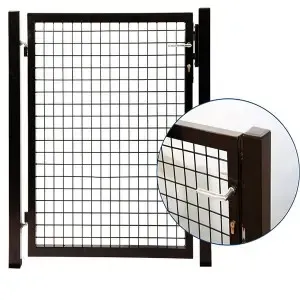
- Agriculture: Livestock cages, protective fencing, vineyard trellises.
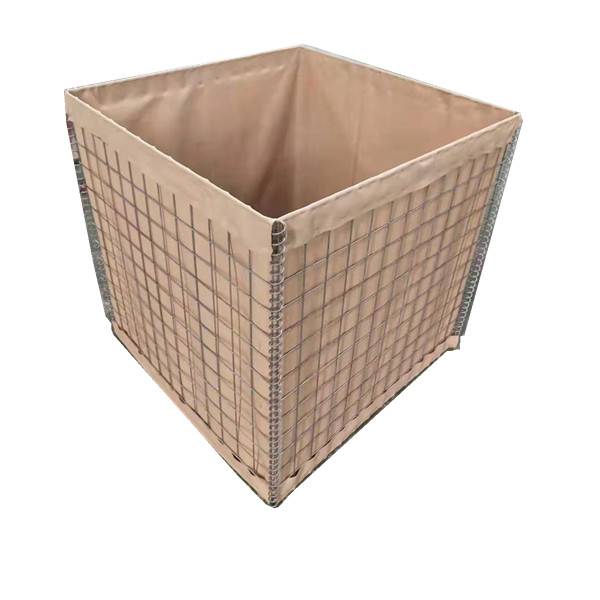
- Disaster Relief Housing: In post-tsunami or earthquake regions, fast-assembled welded mesh panels support emergency shelters because they're lightweight yet sturdy.
- Transportation Infrastructure: Barrier fences, tunnel reinforcement, erosion control.
- Industrial Filtration & Safety: Machine guards, filtration grids, equipment casing.
Oddly enough, in remote industrial zones, mesh welding often surpasses alternative reinforcement options because of easier transportation and quicker installation. Take a look at how international humanitarian agencies prioritize such materials for rebuilding housing — it’s all about portability and rapid deployment without sacrificing strength.
Product Specification Table
| Feature | Typical Values | Application Notes |
|---|---|---|
| Wire Diameter | 3mm – 8mm | Thicker wire used for structural reinforcement |
| Mesh Opening Size | 25mm x 25mm to 100mm x 100mm | Smaller openings for finer protection or load distribution |
| Surface Finish | Galvanized, Powder Coated, Bare Steel | Selection based on environment exposure |
| Panel Dimensions | 1m x 2m to 2m x 4m | Standard sizes; custom orders common |
| Welding Type | Resistance Welding | Most efficient and consistent method |
Advantages of Mesh Welding: Why Invest in This Technique?
Cost efficiency is the obvious benefit. By substituting bulkier, more expensive reinforcements with welded mesh, projects save material and labor time. But there’s more to it:
- Durability: Welded joints are stronger under pressure than twisted or woven alternatives, thereby adding longevity.
- Consistency & Quality Control: Automated welding ensures uniform products — fewer weak spots.
- Customization: Tailor mesh density, wire gauge, and coatings for targeted use — less waste, better fit.
- Sustainability: Galvanized steel mesh lasts longer, reducing replacements and scrap.
- Social Impact: When used in housing projects, mesh welding supports safer shelters, directly affecting human well-being.
Frankly, it feels like a small technical detail — yet it carries enormous weight on the ground. For developers and builders, those mesh panels embody trust, resilience, and safety.
Vendor Comparison Table: Choosing Your Mesh Welding Supplier
| Vendor | Material Quality | Customization Options | Delivery Speed | Sustainability Efforts |
|---|---|---|---|---|
| SteelGrid Corp | Premium Galvanized Steel | Full Range | 2-3 weeks | Recycling Programs |
| WireWorks Ltd. | Standard Carbon Steel | Limited | 4 weeks | Minimal |
| EcoMesh Supplies | Recycled Steel Blend | Moderate | 3 weeks | High - Green Certifications |
Looking Ahead: Innovations and Future Trends in Mesh Welding
The future of mesh welding is surprisingly dynamic. Many manufacturers now explore smart mesh embedded with sensors to monitor structural health in real time. Imagine welded reinforcement that signals stress levels or corrosion onset digitally — hugely valuable in bridge or tunnel maintenance.
Materials science is also pushing boundaries. Biodegradable coatings and ultra-lightweight alloys aim to reduce environmental footprints. Add automation and AI-controlled production lines, and the entire mesh welding industry could see faster turnaround and fewer defects shortly.
Challenges and Solutions in Mesh Welding Today
No solution is perfect, right? Some of the top challenges include:
- Corrosion in Harsh Environments: Despite galvanizing, extreme saltwater or acidic soils can degrade mesh over time.
- Transportation Costs: Large panels can be bulky, raising freight expenses, particularly for remote areas.
- Customization Delays: Tailored mesh might require longer lead times, complicating urgent projects.
Innovative responses include development of modular mesh panels that interlock onsite, easing transport and installation. Also, advanced coatings like polymer sprays offer improved protection for corrosive conditions.
FAQ: Practical Questions About Mesh Welding
- What industries benefit most from mesh welding?
- Construction, agriculture, infrastructure, transportation, and humanitarian sectors all rely heavily on mesh welding because it provides strength, versatility, and speed in application.
- How do weather conditions affect welded mesh durability?
- Moisture, salt, and chemicals accelerate corrosion, but proper surface treatments like galvanizing substantially extend lifespan in outdoor or harsh climates.
- Can welded mesh be customized for specialized projects?
- Absolutely, most vendors offer variations in wire diameter, mesh size, coatings, and panel dimensions to meet specific engineering or aesthetic requirements.
- Is mesh welding sustainable?
- When using recycled materials and durable coatings, mesh welding can be part of eco-friendly construction, reducing waste and the need for frequent replacements.
- How quickly can mesh welded panels be delivered?
- Standard sizes often ship within 2–3 weeks, but custom orders may take longer depending on complexity and vendor capabilities.
In Conclusion: Why Mesh Welding Deserves Your Attention
Over time, mesh welding has quietly become indispensable across industries — marrying simplicity and sophistication to meet modern demands. Its combination of strength, adaptability, and cost-effectiveness makes it a key player in sustainable, resilient infrastructure worldwide. Whether you’re building in a booming urban center or responding to a disaster zone halfway across the planet, welded mesh probably has your back.
If you want to dive deeper into quality mesh welding products and innovative solutions,
visit our website: https://www.hardwareinstore.com.
Final thoughts
Sometimes, the things holding everything together aren't flashy — they’re grids and welds, grids and welds, doing their quiet, steadfast job.
References
-
The Ultimate Guide to Hardware Cloth 1x1 Versatility and Strength
NewsApr.16,2026
-
Ultimate Guide to hardware cloth 1 4 mesh for Strength and Versatility
NewsApr.09,2026
-
Comprehensive Guide to Hardware Cloth 1/4 Inch Mesh for Versatile Applications
NewsApr.07,2026
-
Comprehensive Guide to Hardware Cloth 1 2 Inch Mesh 36 Applications and Benefits
NewsApr.04,2026
-
Comprehensive Guide to Gi Wire Mesh for Fencing and Its Applications
NewsMar.31,2026
-
Comprehensive Guide to GI Square Mesh Applications and Benefits
NewsMar.28,2026