
Nov . 26, 2025 14:10 Back to list
GI Welded Wire Mesh – Durable, Cost-Effective Steel Solutions for Global Industries
Understanding GI Welded Wire Mesh: A Global Essential
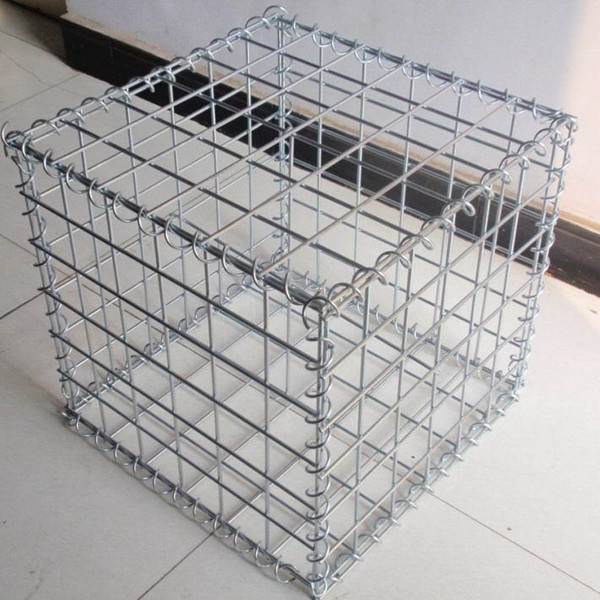
GI welded wire mesh, though it may sound like niche industrial jargon, actually touches many parts of our daily lives — from the fences around your neighborhood to critical construction reinforcement in earthquake-prone regions. It's a sturdy, galvanized steel grid made by welding intersecting wires together, designed to provide support, security, and durability. Why should you care? Because this humble product is a backbone for countless industries worldwide, helping solve problems of safety, facility integrity, and infrastructure longevity in cost-effective ways.
Why The World Needs GI Welded Wire Mesh
Globally, the construction and manufacturing sectors are projected to grow by about 3.5% annually according to the World Bank (1). This means demand for reliable, durable materials like GI welded wire mesh only increases. Beyond buildings, it plays a serious role in agriculture, logistics, and humanitarian relief — where quick assembly and ruggedness are key. However, one challenge is balancing strength with affordability and corrosion resistance. Thanks to galvanization, GI welded wire mesh prevents rusting, extending life-cycles especially in humid or coastal regions.
Defining GI Welded Wire Mesh in Plain Terms
Simply put: it's a network of parallel and perpendicular steel wires, welded at each join to form rigid sheets or rolls, and coated with a protective zinc layer (‘GI’ stands for galvanized iron). Unlike woven wire mesh, welded mesh offers uniform spacing and superior strength, making it ideal for structural support and security applications.
In modern industry, this product underpins everything from reinforcing concrete slabs to serving as fencing for sensitive installations. It's become indispensable in disaster relief too—forming temporary shelters, enclosures, or barriers swiftly and reliably.
Key Aspects of GI Welded Wire Mesh You Should Know
Durability Through Galvanization
Durability is arguably the biggest selling point—the galvanic zinc coating acts like armor against corrosion from moisture or chemicals. This means a steel mesh fence by the coast isn't just a temporary fix; it lasts for years without significant degradation.
Strength and Load-Bearing Capacity
This mesh is no flimsy net. Depending on wire thickness and spacing, it can bear substantial weight, making it perfect for reinforcing concrete structures or holding heavy goods in warehouses.
Cost Efficiency and Availability
Compared to other metals or composite materials, GI welded wire mesh is relatively affordable due to mass production and abundant raw materials. Plus, standard sizes and easy customization mean less waste and quicker project timelines.
Environmental Resilience
Galvanized steel copes well not just with water, but also UV sunlight and abrasion. This resilience broadens its suitability—think sunny deserts, damp jungles, or urban areas with pollution.
Versatility Across Applications
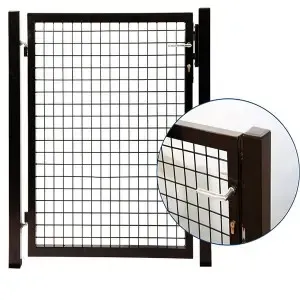
From fencing livestock on rural farms to securing warehouses in industrial hubs, its variety of sizes and gauges allow tailored solutions.
Mini Takeaway: GI welded wire mesh combines toughness, affordability, and adaptability in a way few materials manage, making it an unsung hero in many sectors.
Global Applications: Where and How GI Welded Wire Mesh Makes a Difference
It’s honestly fascinating how widespread GI welded wire mesh’s role is. In Southeast Asia, for instance, it’s used extensively in flood-prone areas to reinforce embankments and temporary shelters post-disaster. UN agencies often include these mesh panels in emergency kits.
Industrial zones in Europe and North America rely on it for secure fencing and structural reinforcement inside factories. Meanwhile, agricultural communities in Africa benefit from its use in building cages and enclosures for livestock — crucial for protecting animals from predators and theft.
Even urban gardening and greenhouses make use of it for trellises and plant protection, showing just how versatile the mesh is.
Typical Product Specifications for GI Welded Wire Mesh
| Specification | Details |
|---|---|
| Base Material | Mild Steel Wire (Galvanized) |
| Wire Diameter | 0.8 mm – 5 mm |
| Mesh Opening Size | 6 mm – 100 mm (square or rectangular) |
| Standard Panel Size | 1 m x 2 m, 1.2 m x 2.4 m, custom dimensions available |
| Coating Thickness | 40–80 microns zinc coating |
| Weight per m² | Approx. 1.2 to 6 kg (varies by gauge) |
Comparing Popular GI Welded Wire Mesh Vendors
| Vendor | Product Range | Coating Technology | Customization | Lead Time |
|---|---|---|---|---|
| SteelMesh Co. | Standard panels, rolls | Hot-dip galvanizing | Moderate (custom sizes available) | 2–3 weeks |
| ZincPro Mesh Ltd. | Wide range, anti-corrosion variants | Electro-galvanizing + passivation | High (full custom specs) | 3–4 weeks |
| GlobalWire Works | Standard and heavy-duty mesh | Hot-dip galvanizing | Limited | 1–2 weeks (stock items) |
Advantages and Long-Term Value of GI Welded Wire Mesh
Long term? You could think of GI welded wire mesh as kind of the tortoise of construction materials — steady, reliable, and ready to endure. The upfront cost is low relative to alternatives, and you gain corrosion resistance that avoids expensive replacements. Socially, it supports safe housing, secure agricultural practices, and resilient infrastructure.
Emotionally speaking, safety and security bring dignity — communities relying on gi welded wire mesh fencing or cages know their assets and families are protected in uncertain times. For engineers and architects, it’s a trusted component in their designs that won’t let them down.
Looking Ahead: Future Trends in GI Welded Wire Mesh
There are several exciting developments. New coating techniques aim to reduce environmental impact by limiting zinc use or replacing it with greener alternatives. Some manufacturers are incorporating digital tracking and certification via blockchain for full transparency in sourcing and quality.
Also, automation in welding processes has improved precision, reducing waste and increasing production rates. With sustainability becoming a major theme worldwide, expect more recycled steel content, longer-lasting coatings, and mesh designs optimized for modular housing and green infrastructure projects.
Challenges Facing GI Welded Wire Mesh and Ways Forward
Despite its many merits, a few issues persist. In extremely acidic or salty environments, even galvanized steel eventually corrodes. Ongoing research explores combining galvanization with polymer coatings for extra protection.
Logistic delays and costs can also be hurdles in remote areas. Innovative supply chain models and modular packaging solutions have begun easing these problems.
Lastly, improper installation sometimes results in weakened security or structural failure, which training programs and better documentation are tackling.
FAQs About GI Welded Wire Mesh
Q1: How long does GI welded wire mesh typically last outdoors?
On average, with standard hot-dip galvanization, GI welded wire mesh can last 15 to 25 years outdoors. Longevity depends on environmental factors — coastal or industrial areas might reduce lifespan unless additional coatings are used.
Q2: Can GI welded wire mesh be cut and shaped on-site?
Yes, the mesh is quite workable with standard wire cutters and welding tools. This flexibility allows on-site adaptation but requires skill to maintain structural integrity.
Q3: Is galvanized welded wire mesh suitable for fencing livestock?
Absolutely. It provides a strong, long-lasting barrier that withstands animal impact and weather, making it a preferred choice in agricultural fencing.
Q4: How can NGOs procure GI welded wire mesh for disaster relief quickly?
Partnering with reputable suppliers with stock items and local warehouses is key. Many vendors offer emergency kits with pre-cut panels to speed deployment.
Q5: What are alternatives if galvanization is not an option?
Alternatives include stainless steel welded mesh or polymer-coated meshes, but these typically come at higher costs and may have other trade-offs.
Wrapping Up: Why GI Welded Wire Mesh Deserves Your Attention
Whether you’re an engineer, contractor, NGO worker, or just curious about materials, GI welded wire mesh is more than meets the eye. Its blend of durability, cost-effectiveness, and adaptability makes it a vital part of global infrastructure and safety systems.
Want to explore a variety of high-quality GI welded wire mesh options? Visit our website: https://www.hardwareinstore.com. It might just be the answer to your next project’s challenges.
Mini takeaway
This sturdy mesh isn’t just metal folded into a grid—it’s a foundation for safer buildings and communities worldwide. And oddly enough, it keeps evolving with new tech and needs, proving that even the simplest products can have big stories.
References
-
The Ultimate Guide to Hardware Cloth 1x1 Versatility and Strength
NewsApr.16,2026
-
Ultimate Guide to hardware cloth 1 4 mesh for Strength and Versatility
NewsApr.09,2026
-
Comprehensive Guide to Hardware Cloth 1/4 Inch Mesh for Versatile Applications
NewsApr.07,2026
-
Comprehensive Guide to Hardware Cloth 1 2 Inch Mesh 36 Applications and Benefits
NewsApr.04,2026
-
Comprehensive Guide to Gi Wire Mesh for Fencing and Its Applications
NewsMar.31,2026
-
Comprehensive Guide to GI Square Mesh Applications and Benefits
NewsMar.28,2026