
Nov . 26, 2025 11:10 Back to list
Galv Weld Mesh: Durable, Cost-Effective Reinforcement for Global Construction Needs
Understanding Galv Weld Mesh: Why It Matters Globally
If you’ve ever glanced at construction sites, fencing, or reinforced concrete walls, chances are you’ve come across galv weld mesh. It’s not just another type of metal mesh — it’s a vital material whose global significance stretches from infrastructure resilience to humanitarian relief. But why all the fuss over galvanized welded wire mesh? Well, on a world stage where building safely, efficiently, and sustainably is paramount, galv weld mesh has quietly become a trusty companion for engineers, architects, and NGOs alike.
In simple terms: it’s about reinforcing, protecting, and prolonging the life of structures in a way that’s cost-efficient and pretty durable. And in a world grappling with rapid urbanization, extreme weather, and rising demands for affordable housing and safety barriers, understanding this material is more useful than it sounds.
Global Context: Why Galv Weld Mesh Has Worldwide Relevance
The construction and manufacturing sectors contribute roughly 7% of global GDP, with reinforcement materials like galv weld mesh forming the backbone of many projects. Plus, global urbanization is expected to add about 2.5 billion people to cities by 2050 according to UN population data. That spells out massive demand for reliable, fast, and sustainable construction materials, especially in emerging economies.
Galv weld mesh answers a core challenge here: how to provide sturdy, weather-resistant reinforcement without blowing the budget or lengthening project timelines. Construction delays or material failures in harsh climates can cause headaches for builders and safety risks for end-users. Oddly enough, many corners could be cut without galvanized protection — but then you’re courting corrosion and eventual structural weakness.
What Exactly Is Galv Weld Mesh?
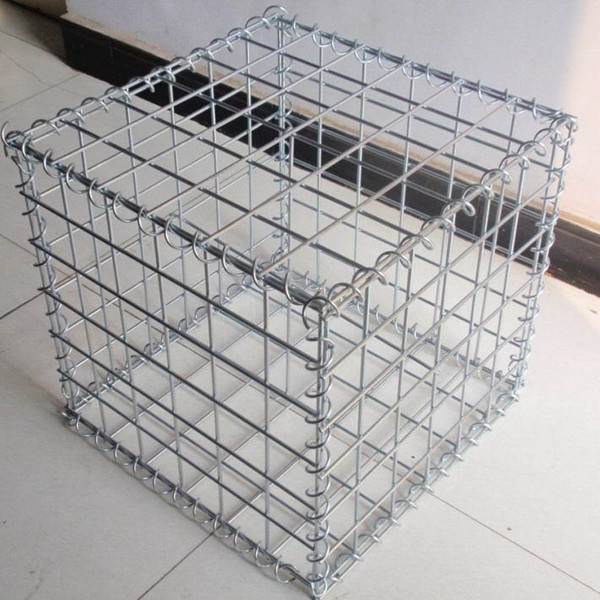
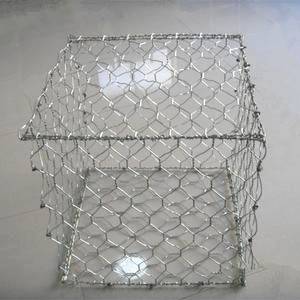
Simply put, it’s a grid made from steel wire welded at junctions, then coated with zinc (“galvanized”) to resist corrosion. Think of it as a reinforced skeleton for concrete, fencing, cages, or partitions — the zinc coat extends its lifespan by protecting the steel from rust and the elements.
Modern industry has embraced galv weld mesh for its balance between strength and economy. Humanitarian organizations use it extensively in galv weld mesh-reinforced shelters or temporary fencing after disasters, where quick setup and durability matter. In developed countries, it’s the quiet star behind safer roads, animal enclosures, and even art installations.
Key Aspects of Galv Weld Mesh
Durability
The galvanized coating shields the steel from corrosion. In salty coastal environments or high humidity, this means years of reliable service — often far exceeding plain steel mesh.
Cost Efficiency
While slightly pricier up front than non-galvanized alternatives, its longer lifespan and reduced maintenance make it more economical looking long-term.
Versatility
From small chicken coops to large construction reinforcements, varying wire diameters and mesh sizes mean you can customize it for many needs.
Scalability and Availability
Because galv weld mesh is widely produced, it’s easier to source globally. We’re talking multiple sizes, gauges, and zinc coating levels—helping projects from tiny renovations to massive infrastructure.
Environmental Impact
Galvanized mesh helps reduce material waste due to its durability and often contains recyclable steel, aligning with ISO standards for sustainable construction materials (ISO 14001).
Galv Weld Mesh in Action: Real-World Applications
In Southeast Asia and parts of Africa, galv weld mesh helps create fast-deploy fencing around safe zones or rebuilt schools after floods. In North America and Europe, it strengthens residential concrete slabs and highways, preventing cracks or shifts.
Industrial use also shines: remote mining installations depend on galv weld mesh fencing to keep wildlife out while resisting corrosive dust and weather. And oddly enough, artists and urban designers sometimes select galvanized welded mesh for sculptural urban furniture due to its robust yet tactile finish.
The mesh’s importance in disaster relief cannot be overestimated; organizations like the Red Cross often use it in modular building kits because it’s lightweight, easy to ship, and assembles quickly — meaning quicker shelter for displaced families.
Product Specification Table
| Specification | Description |
|---|---|
| Wire Diameter | 2.0mm to 5.0mm |
| Mesh Size (Opening) | 25mm x 25mm to 100mm x 100mm |
| Coating Thickness | Zinc layer: 60 to 275 g/m² (Hot-dipped galvanizing) |
| Roll Dimensions | Width: 0.6-2.4m; Length: 20-100m |
| Tensile Strength | 380-550 MPa |
Comparing Top Galv Weld Mesh Vendors
| Vendor | Coating Type | Customization Options | Lead Time | Average Price (per m²) |
|---|---|---|---|---|
| SteelMax Industries | Hot-dip galvanizing | Custom wire gauge & mesh sizes | 3 - 5 weeks | $1.70 |
| MeshCraft Co. | Electro-galvanizing | Limited customization | 2 weeks | $1.40 |
| Durasteel Solutions | Hot-dip galvanizing + polymer coat | Full customization including coatings | 4 weeks | $2.10 |
The Lasting Advantages of Galvanized Welded Mesh
On the surface, it’s just zinc-coated steel wire... but the real value is more profound. It reduces maintenance work and cost, provides peace of mind with corrosion resistance, and supports safety by ensuring structural integrity. Then there’s an emotional factor: using it means trusting your walls and fences to last, to protect families and communities in environments where durability can mean life or death.
Socially, it supports affordable infrastructure projects by spreading cost over longer lifespans, and environmentally, its recyclability fits with ongoing sustainability goals. Many engineers say it’s the “workhorse” product bridging the gap between traditional reinforcement methods and cutting-edge composites — not flashy, but reliable.
Emerging Trends and Innovations
The industry is buzzing with innovations like polymer-coated galvanized mesh that offer extra protection without sacrificing flexibility, as well as smart wire technologies allowing embedded sensors for structural health monitoring. Digital transformation means manufacturers can now produce highly customized mesh sizes much faster, which helps architects dream bigger.
Green policies push manufacturers toward using more recycled steel and environmentally friendly zinc sources. Automation and robotics in welding also reduce production defects and increase quality consistency. Frankly, the future looks bright for galv weld mesh, expanding well beyond fences and concrete reinforcements.
Challenges: What Still Needs Fixing?
Despite all its virtues, galv weld mesh is not without issues. For instance, zinc coatings can still wear down in extremely aggressive environments over decades, needing eventual replacement. Also, transportation to very remote sites can spike costs.
Experts recommend regular inspections and occasionally applying protective polymer coatings for extreme cases. Modular roll sizes help optimize shipping space. Plus, suppliers increasingly offer on-site cutting services to reduce waste — small tweaks with big impact.
FAQ: Your Questions About Galv Weld Mesh Answered
- What sizes of galv weld mesh are available for construction projects?
- Galv weld mesh comes in various wire diameters from 2.0mm to 5.0mm and mesh openings between 25mm to 100mm squares, allowing you to choose based on load-bearing and application needs.
- How long does galvanized weld mesh usually last outdoors?
- Depending on the zinc coating thickness and climate, galvanized mesh can last 15–50 years before significant corrosion occurs, making it a reliable long-term reinforcement choice.
- Is galvanized weld mesh suitable for coastal construction?
- Yes, especially when hot-dip galvanized with thicker zinc layers. Additional polymer coatings can provide further protection against salt corrosion in coastal environments.
- Can galv weld mesh be customized for non-standard projects?
- Definitely. Many vendors offer custom wire gauges, mesh sizes, and coatings to suit unique project specs, from heavy industrial uses to delicate architectural works.
- Where can I source high-quality galv weld mesh internationally?
- Reputable suppliers have global reach. It’s best to check product certifications and review lead times. For worldwide delivery and options, explore vendors like those listed on our platform.
Wrapping It Up: Why Galv Weld Mesh Still Counts
To sum up, galvanized welded mesh combines engineering savvy with practical benefits: it’s flexible, durable, and cost-effective, fitting neatly into a global picture that demands smarter, longer-lasting reinforcement materials. Whether for sprawling urban infrastructure, quick-response disaster shelters, or industrial fencing, this material continues to prove its worth.
If you want to check out the full range of products or find a supplier that suits your needs, visit our website. It’s a first step toward harnessing the strength and reliability that galv weld mesh offers — and frankly, there’s never been a better time to build smarter, sturdier, and more sustainably.
-
The Ultimate Guide to Hardware Cloth 1x1 Versatility and Strength
NewsApr.16,2026
-
Ultimate Guide to hardware cloth 1 4 mesh for Strength and Versatility
NewsApr.09,2026
-
Comprehensive Guide to Hardware Cloth 1/4 Inch Mesh for Versatile Applications
NewsApr.07,2026
-
Comprehensive Guide to Hardware Cloth 1 2 Inch Mesh 36 Applications and Benefits
NewsApr.04,2026
-
Comprehensive Guide to Gi Wire Mesh for Fencing and Its Applications
NewsMar.31,2026
-
Comprehensive Guide to GI Square Mesh Applications and Benefits
NewsMar.28,2026