
Mar . 12, 2026 02:25 Back to list
Comprehensive Guide to Galvanized Wire Lath for Construction Projects
Understanding Galvanized Wire Lath for Construction
Galvanized wire lath is a crucial component in numerous construction applications, providing a solid base for plaster, stucco, and other finishes. Its durability and versatility make it a preferred choice for both commercial and residential projects. This article provides an in-depth look at galvanized wire lath, covering its uses, types, installation, and benefits. Understanding its properties can significantly improve the quality and longevity of your construction projects. Hardwareinstore.com offers a comprehensive selection of wire lath to suit various needs.
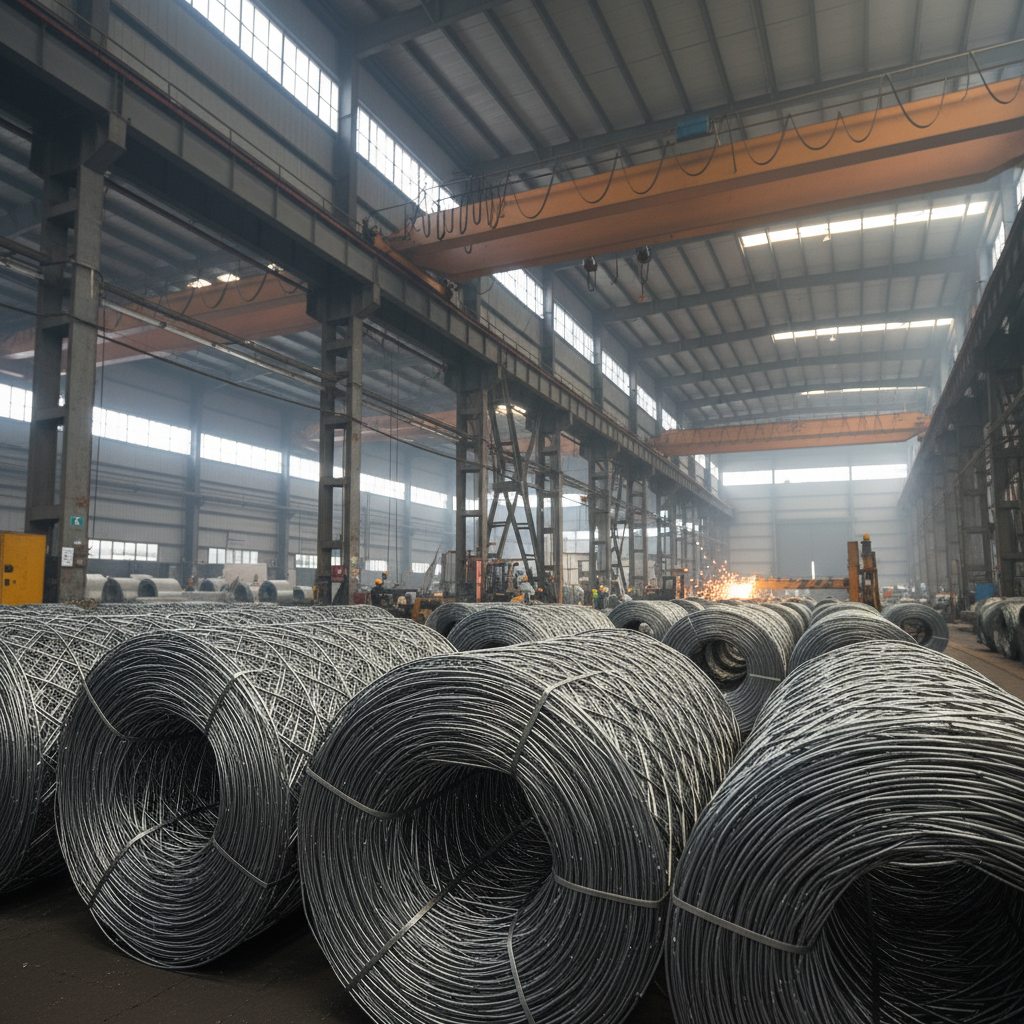
What is Galvanized Wire Lath?
Galvanized wire lath is a mesh of interwoven wires typically made from steel that has been coated with zinc through a process called galvanization. This zinc coating provides excellent corrosion resistance, making it suitable for both interior and exterior applications. The mesh pattern creates a strong mechanical interlock with plaster or stucco, preventing cracking and ensuring a durable finish. Different gauges and mesh sizes are available to accommodate diverse project requirements. It's a time-tested material known for its reliability and contribution to lasting construction projects.
Key Features: Excellent corrosion resistance, strong mechanical interlock, available in various gauges and mesh sizes, suitable for interior and exterior use.
Types of Galvanized Wire Lath
Several types of galvanized wire lath are available, each designed for specific applications. Common types include:
- Standard Lath: The most common type, used for general plastering and stucco applications.
- Self-Furring Lath: Features vertical wires that are bent to create a furring effect, eliminating the need for wood furring strips.
- Expanding Metal Lath: Created by slitting and stretching metal sheets, providing a more rigid and durable base for finishes.
- Welded Wire Lath: Manufactured by welding wires together at each intersection, resulting in a strong and stable mesh.
The choice of lath depends on the substrate, the desired finish, and the structural requirements of the project. Browse Hardwareinstore.com to explore our wide selection of wire lath types.
Lath Type Comparison:
• Standard Lath: Versatile, cost-effective, suitable for general use.
• Self-Furring Lath: Reduces labor, ideal for curved surfaces.
• Expanding Metal Lath: High rigidity, excellent for heavy-duty applications.
• Welded Wire Lath: Strongest option, ideal for demanding environments.
Galvanized Wire Lath: Applications and Uses
Galvanized wire lath is used in a wide array of construction applications, including:
- Plastering: Provides a strong base for plaster finishes on walls and ceilings.
- Stucco Applications: Supports stucco coatings on exterior walls, creating a durable and aesthetically pleasing finish.
- Concrete Formwork: Used as a reinforcement layer in concrete forms.
- Tile Backing: Serves as a stable substrate for tile installations.
- Renovation Projects: Ideal for repairing damaged plaster or stucco surfaces.
Its versatility makes it a valuable material for both new construction and renovation projects. Proper installation is key to maximizing its effectiveness and ensuring a lasting result. Find the right lath for your project at Hardwareinstore.com!
Installation Best Practices
Proper installation is vital for ensuring the performance of galvanized wire lath. Here are some key best practices:
- Fastening: Securely fasten the lath to the substrate using appropriate fasteners (nails, screws, or clips) spaced according to building codes and manufacturer recommendations.
- Overlapping: Overlap the edges of adjacent lath sheets by at least one inch to create a continuous and structurally sound surface.
- Cutting: Use wire cutters or tin snips to cut the lath to the desired size and shape.
- Proper Support: Ensure adequate substrate support to prevent sagging or deformation of the lath.
Consult local building codes and manufacturer guidelines for specific installation requirements. Visit Hardwareinstore.com for a complete selection of galvanized wire lath and fastening solutions.
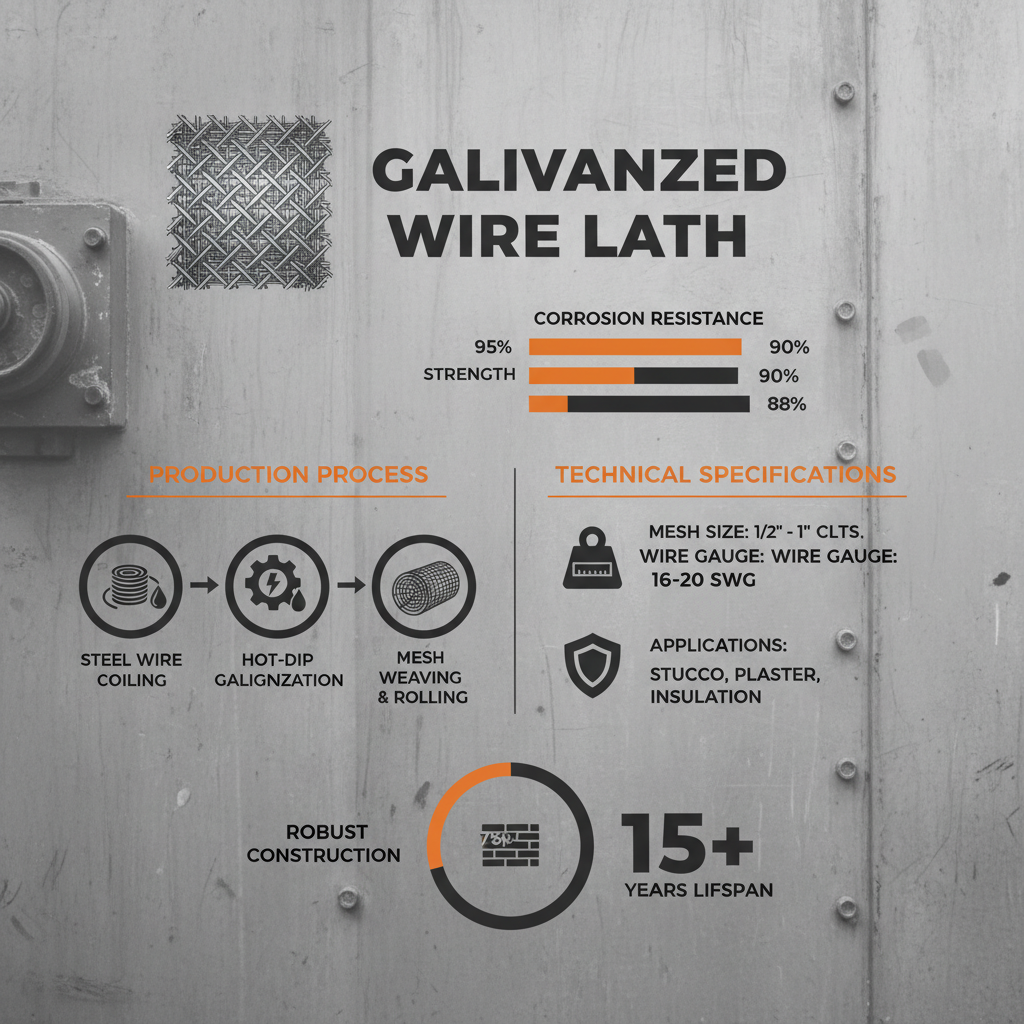
Conclusion: A Reliable Foundation for Quality Construction
Galvanized wire lath remains a cornerstone material in the construction industry, providing a durable, versatile, and cost-effective base for a wide range of finishes. Its corrosion resistance and strong mechanical interlock contribute to the longevity and quality of construction projects. Explore the extensive selection of galvanized wire lath at Hardwareinstore.com and build with confidence.
Frequently Asked Questions (FAQs)
What is the gauge of galvanized wire lath, and how does it affect its strength?
The gauge of galvanized wire lath refers to the thickness of the wires used in its construction. Lower gauge numbers indicate thicker wires, resulting in a stronger and more rigid lath. Commonly available gauges range from 18 to 24. For heavy-duty applications like exterior stucco, a lower gauge (e.g., 18 or 20) is recommended. For lighter applications like interior plastering, a higher gauge (e.g., 22 or 24) may suffice. Choosing the appropriate gauge depends on the load-bearing requirements and the type of finish being applied.
How do I prevent rust on galvanized wire lath?
While galvanized wire lath is corrosion-resistant, it's not entirely immune to rust, especially in harsh environments. To prevent rust, ensure the lath is stored in a dry location before installation. Avoid direct contact with corrosive materials like untreated lumber or acidic substances. During installation, ensure the zinc coating isn't damaged. A protective coating or sealant can be applied after installation in extremely corrosive environments. Properly applied plaster or stucco will also protect the lath from the elements.
Can galvanized wire lath be used with acrylic stucco?
Generally, it's not recommended to use standard galvanized wire lath with acrylic stucco. Acrylic stucco is more flexible than traditional cement-based stucco and may not bond properly to the rigid metal lath. This can lead to cracking and delamination. For acrylic stucco applications, specialized lath designed for acrylic systems, such as fiberglass lath, is recommended. Check with the stucco manufacturer's specifications to confirm compatibility.
-
The Ultimate Guide to Hardware Cloth 1x1 Versatility and Strength
NewsApr.16,2026
-
Ultimate Guide to hardware cloth 1 4 mesh for Strength and Versatility
NewsApr.09,2026
-
Comprehensive Guide to Hardware Cloth 1/4 Inch Mesh for Versatile Applications
NewsApr.07,2026
-
Comprehensive Guide to Hardware Cloth 1 2 Inch Mesh 36 Applications and Benefits
NewsApr.04,2026
-
Comprehensive Guide to Gi Wire Mesh for Fencing and Its Applications
NewsMar.31,2026
-
Comprehensive Guide to GI Square Mesh Applications and Benefits
NewsMar.28,2026